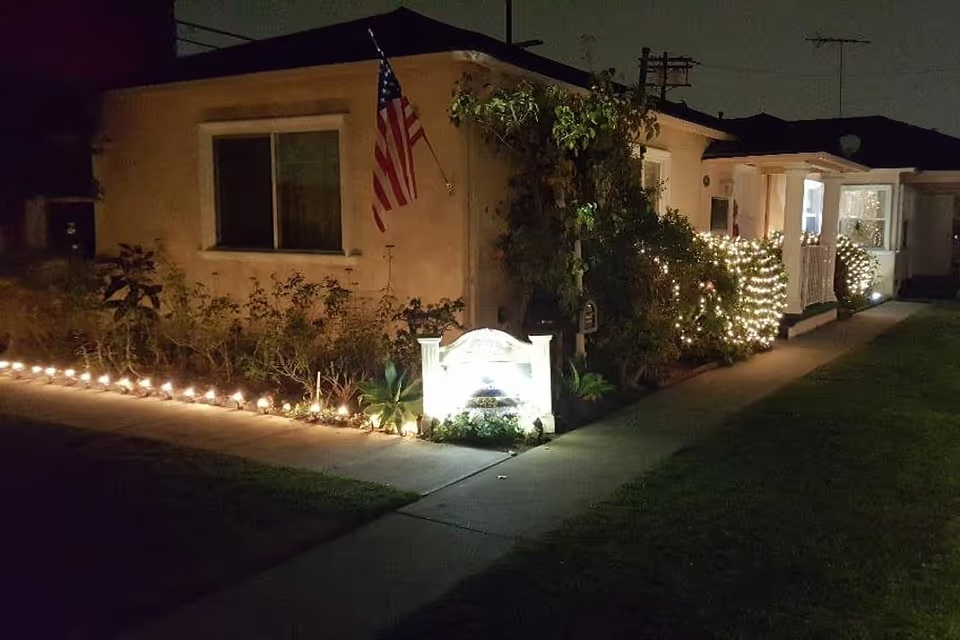
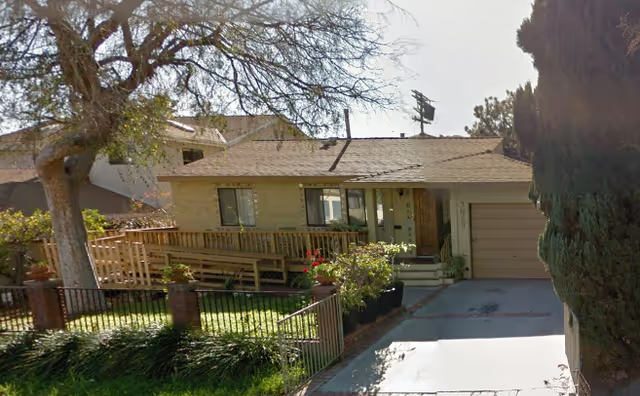
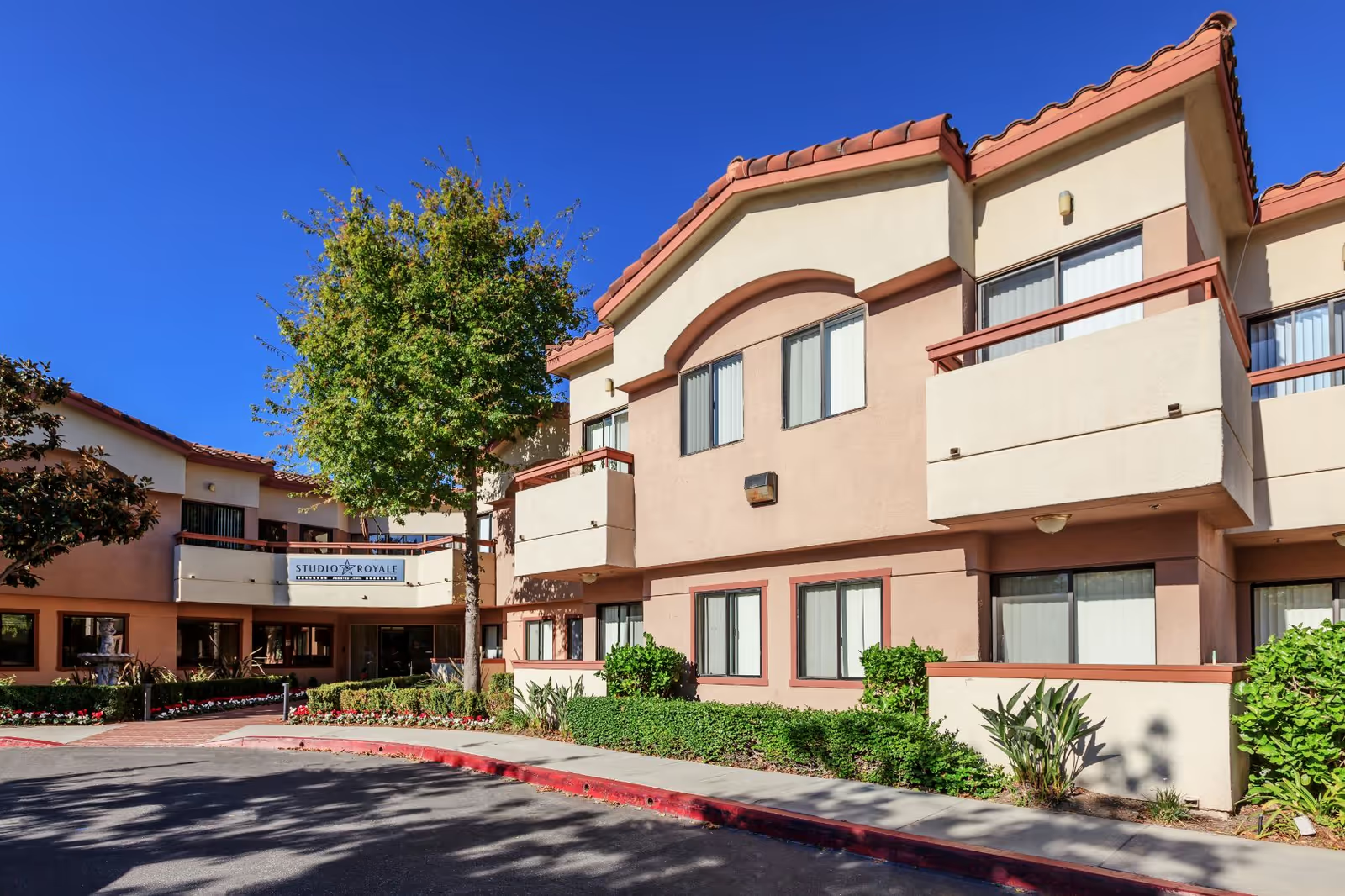
Terraza of Cheviot Hills elicits largely positive comments around staffing warmth, resident engagement, and the physical environment, while raising consistent operational concerns that prospective families should evaluate. Many reviewers highlight a welcoming, home-like atmosphere, friendly first-name interactions, and long-tenured caregivers who create social connection and familiarity. The community is frequently described as clean, bright, and pleasantly decorated, with private rooms that include en-suite bathrooms and good storage. Its West Los Angeles location, convenient parking, pet-friendliness, and small-scale community format are commonly noted as attractive features.
Care-and-staffing impressions are mixed but trend positive for day-to-day interactions: staff are characterized as attentive, compassionate, and responsive during routine care and activities. The presence of in-house physical and occupational therapy is a strength for residents needing rehabilitation. However, an important operational pattern is inconsistent staffing levels; reviewers identified occasions when staffing shortages contributed to reduced responsiveness, medication-administration delays, and lower engagement for some residents. A subset of families described serious clinical events and subsequent concerns about clinical oversight and communication during those events; these accounts suggest that families should clarify clinical protocols, emergency response procedures, and escalation practices during the touring and admissions process.
Dining and nutrition receive variable assessments. Many reviewers appreciate flexible dining staff and a reasonably enjoyable menu, while others noted inconsistent food quality, limited meal choices, and difficulty accommodating specific dietary needs such as higher-fiber diets. Prospective residents who require specialized nutrition should discuss menu options and diet accommodation processes in detail. Housekeeping and laundry are often cited as well organized, though there are mentions of occasional laundry-handling inconsistencies that families may want to review with administration.
The activity program is a clear strength: residents report a wide range of offerings (arts and crafts, jewelry making, music, movies, games, live performances, group exercise and public-speaking opportunities), strong social camaraderie, and well-appointed activity spaces. The program appears inclusive of varying ability levels, which supports resident engagement and mental stimulation.
Facility- and operations-level issues are notable. Several reviews reference deferred maintenance, plumbing and electrical issues, and exterior upkeep concerns; ongoing renovations have also produced noise, dust, and disruption at times. Odor concerns in some common areas and smoking near an entrance were raised as environmental issues to monitor. Reviewers also flagged billing and proration transparency problems, including instances where charges did not align with occupancy periods. Importantly, Terraza does not offer an on-site memory-care program, and families seeking secure dementia-specific services should consider this limitation. There are also comments about limited aquatic therapy amenities (no pool) and potential gaps in security or elopement-risk management that should be discussed directly with staff.
Management and administration show both strengths and areas for improvement. Some families praised responsive directors and helpful administrative staff, while others described management turnover and inconsistent oversight. Prospective residents and families would be well served to ask about leadership stability, staffing ratios, medication-administration policies, incident reporting practices, and how the community manages clinical escalations and hospital transfers.
In sum, Terraza of Cheviot Hills offers many qualities families seek in a small, community-oriented assisted living setting: welcoming staff, robust activities, in-house therapy, and clean, comfortable accommodations. At the same time, recurring themes around staffing consistency, medication timing, dietary accommodations, maintenance, and administrative transparency warrant careful inquiry during visits. Families should tour during active hours, meet nursing and therapy staff, review sample menus and incident/medication protocols, and request written explanations of billing and proration practices to determine fit for their specific needs.