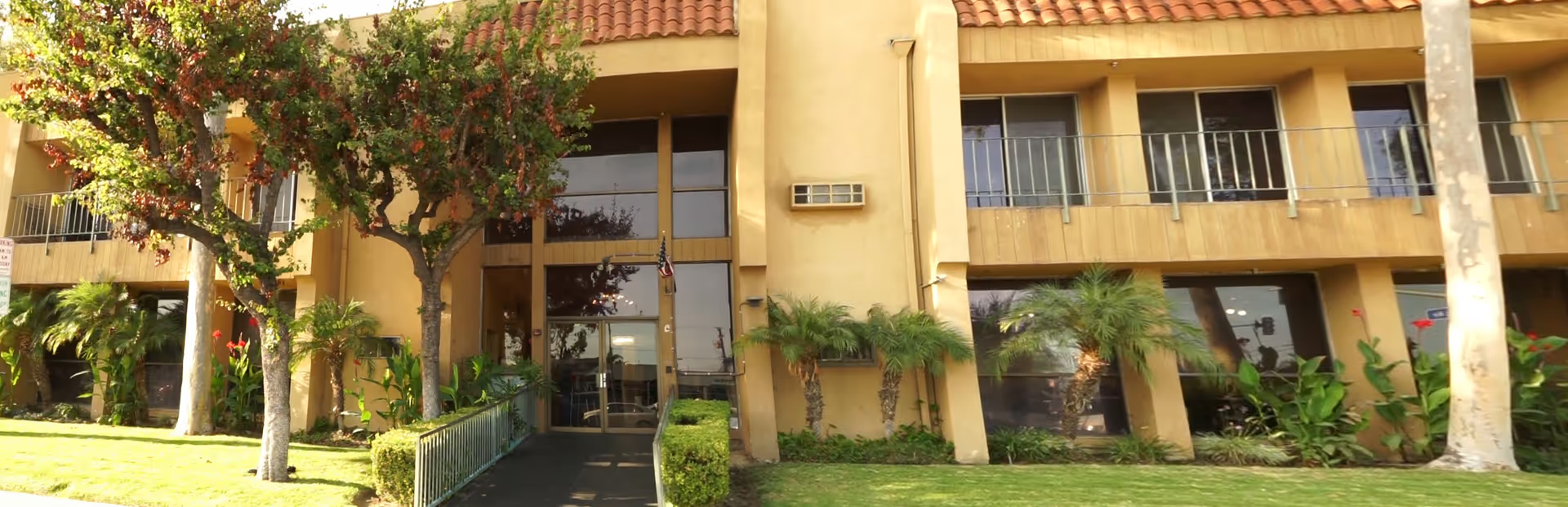
Lynwood Post Acute Care Center elicits a broadly polarized set of impressions: many families and former residents commend the facility for its rehabilitation and nursing capabilities, while others report operational shortcomings that warrant careful inquiry during placement decisions.
Care quality and clinical services show clear strengths. The facility receives consistent praise for its rehabilitation and physical therapy programs, with multiple accounts of effective recovery outcomes and positive patient progress. Skilled nursing functions such as wound care and routine medication administration are cited positively by numerous families. Social-services staff and discharge follow-up also receive favorable mentions for coordination and assistance after transition.
At the same time, several persistent care-process concerns appear in the feedback. Reviewers cite inconsistent responsiveness to call lights and personal-care needs, and some describe delays that affected comfort and basic care. Physician access is another recurrent issue: families reported long waits for doctor visits or limited on-site physician presence, creating gaps in timely medical assessment. There are also mixed observations about incontinence-related care and personal-care routines, indicating uneven performance across shifts or units.
Dining and nutrition present a mixed picture. Many accounts praise the meals and variety; some families describe delicious, well-presented food. Conversely, others raise problems with food quality control and kitchen processes, including examples of food served below expectations. This variability suggests that dining experience may depend on timing, unit, or staffing on a given day.
Facility environment and amenities likewise show divergent reports. Several reviewers describe clean common areas, a welcoming patio, and an organized linen system. Conversely, others report sanitation and odor-control issues in parts of the building, limited air conditioning or poor air circulation, and cigarette smoke odor in some patient rooms or corridors. There are also isolated infection-control concerns cited, including medication-storage and water-container hygiene issues, which point to gaps in routine infection-prevention practices.
Operational and management themes emerge as notable patterns. Families praise many front-line staff and administrators as friendly, communicative, and multilingual, and some note active involvement from the director of nursing. However, there are also accounts describing uneven staff training, staffing shortages, and inconsistent attentiveness. Separately, more serious administrative concerns appear: weaknesses in inventory controls for residents’ personal items, deficiencies in privacy and information-handling procedures (including instances of personal information being sent to incorrect recipients), and at least one set of allegations regarding missing belongings. These are operational risks that may affect resident trust and require administrative attention.
In summary, Lynwood Post Acute Care Center demonstrates clear clinical strengths—notably in rehabilitation, physical therapy, and certain nursing services—paired with a sizeable set of operational inconsistencies. Prospective residents and families should weigh the facility’s rehabilitative capabilities and the positive experiences many report against the variability in cleanliness, responsiveness, food service, climate control, physician access, and information-security practices. When evaluating placement, it would be prudent to ask targeted questions about call-light response times, physician availability, infection-prevention protocols, personal-item safeguards, dining procedures, and recent quality or inspection findings to better understand how the facility performs on the day-to-day measures that matter most to your relative’s care and comfort.