Reviews present a mixed picture of care at this facility, with clear strengths in staff demeanor and rehabilitation services alongside multiple operational concerns. Families and reviewers frequently praised the cleanliness of the facility, the welcoming, homelike atmosphere, and individual staff members—particularly therapists—who provided effective rehabilitation and helpful support. These positive accounts suggest the facility can deliver attentive, compassionate interactions and structured therapy when staffing and scheduling align.
At the level of clinical care, there are recurring criticisms about continuity and responsiveness. Specific operational weaknesses include unreliable meal-service continuity and inconsistent delivery of rehabilitation sessions; instances described imply delays or missed services rather than systematic clinical intent. Pain-management practices were also identified as inconsistent, indicating potential variability in assessment or medication/treatment follow-through. Together these issues point to gaps in day-to-day care coordination and clinical oversight.
Staffing and workforce composition are notable patterns in the reviews. Positive comments about humble, friendly staff coexist with concerns about insufficient nursing and clinical staffing and an apparent imbalance in allocation between clinical and support roles. These patterns could contribute to slower response times and inconsistencies in services such as therapy, meals, and pain management. Individual staff members and therapists received specific praise, which suggests that staff competency is present but may be undermined by staffing levels or scheduling problems.
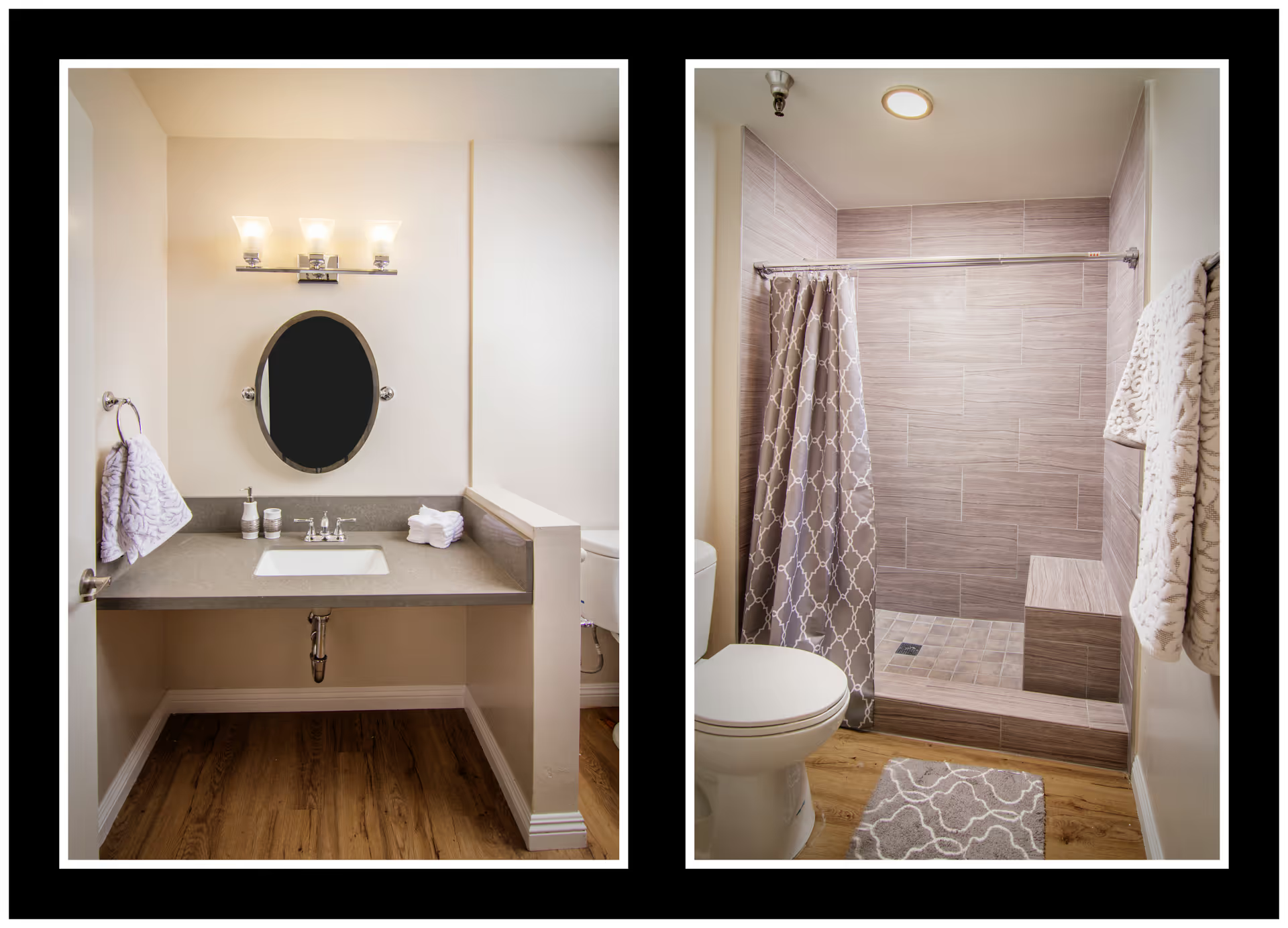
Facility and maintenance observations are likewise mixed. Several reviewers described the environment as clean and cozy, and cleaning personnel are visible in the staffing mix. At the same time, there are reports of equipment or furniture maintenance issues and odor concerns in some areas; these indicate uneven facility maintenance and environmental management that may affect resident comfort. Additionally, at least one serious allegation regarding loss of resident funds or property was mentioned; this raises questions about resident-property safeguards and financial-security practices.
Management and operational oversight appear to be the central areas for improvement. The combination of staffing allocation issues, inconsistent therapy and meal delivery, maintenance gaps, and concerns about resident-property security suggests weaknesses in scheduling, supervision, and asset protection policies. Prospective residents and families should request specific information during a tour: current staffing ratios by shift, therapy schedules and documentation practices, pain-management protocols, maintenance logs for equipment and furniture, and policies for safeguarding resident belongings and finances. Observing a mealtime and speaking with therapy staff can also help assess whether the facility’s strengths are consistently realized across shifts.