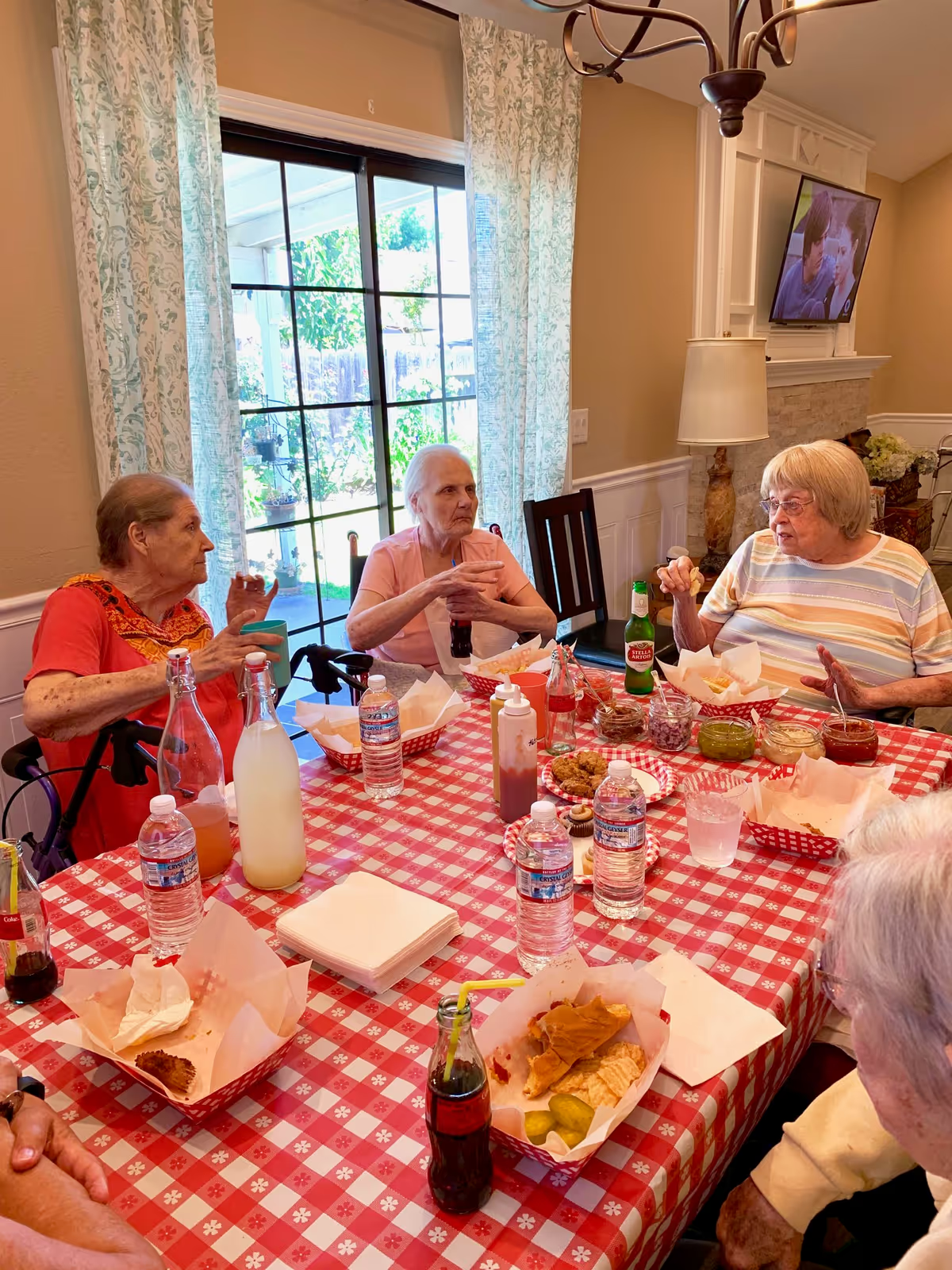
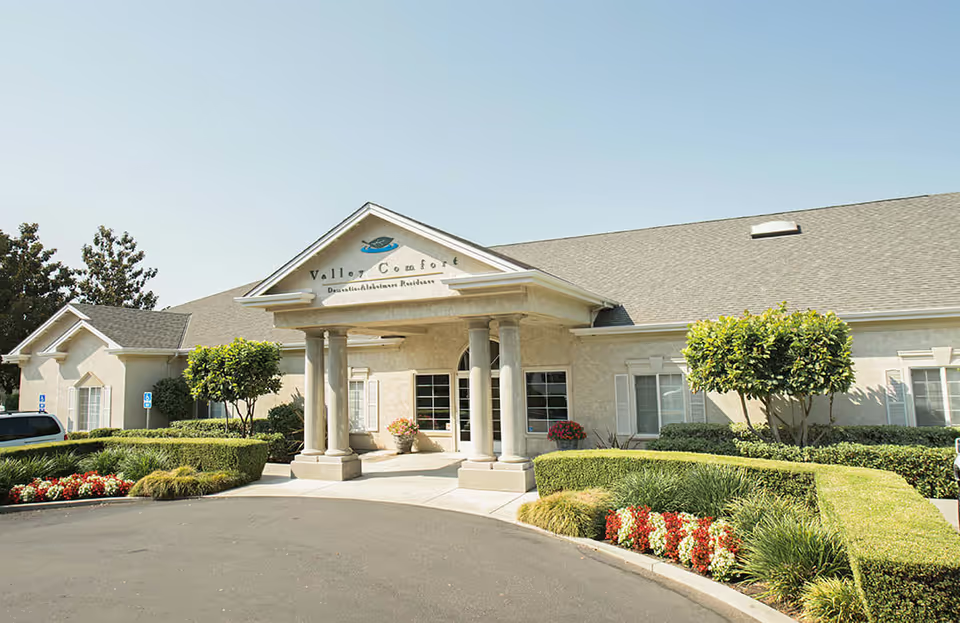
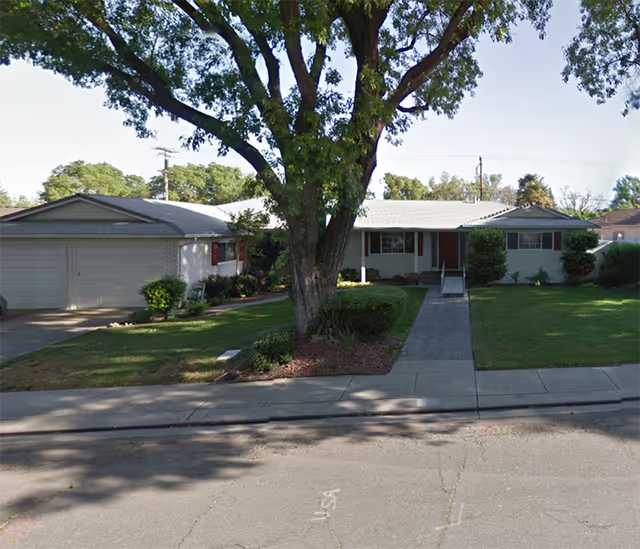
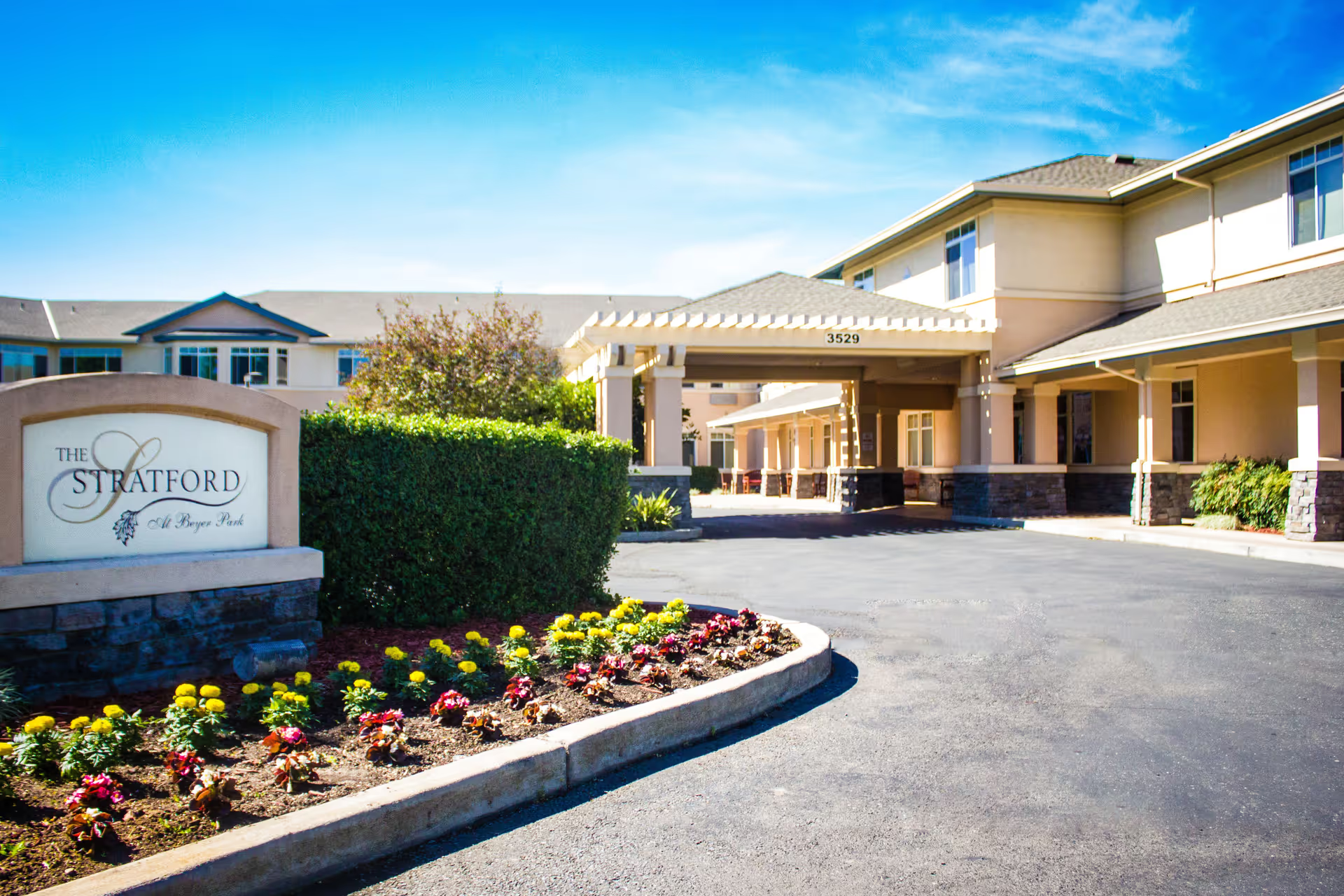
Feedback about Lidia's Blessed Home is mixed, with a clear split between families who emphasize a warm, home-like environment and those who raise operational concerns. Positive commentary centers on the facility's small scale, residential appearance, and cleanliness. Several families described the setting as updated and non-institutional, praising owner involvement and one-to-one, personalized caregiving. Those accounts also highlight a compassionate staff presence, comfortable rooms, and a quiet neighborhood that many found appropriate for residents who prefer a calm environment.
Care quality impressions vary. Supportive comments note attentive, caring interactions and visible grooming of residents, suggesting that day-to-day personal care can be strong. Conversely, some families described delays in staff response—particularly at night—and expressed concerns about inconsistent responsiveness to urgent needs. A few reviewers specifically linked their concerns to clinical transitions such as hospice enrollment and changes in care approach, indicating that communication and coordination around end-of-life or advanced-dementia care may be an area for closer family engagement.
Dining and individualized care preferences were another area of divergence. Multiple families praised meal service when it aligned with resident preferences, but other families experienced difficulty communicating dietary wishes and felt the facility maintained a relatively rigid approach to menu or care decisions. Those concerns were sometimes framed as a management style that prioritizes the facility’s standard practices over tailored adjustments, which can be problematic for residents with changing medical or dietary needs.
Activities and daily life generally benefit from the small-home model: reviewers noted organized activities, social opportunities, and a family-style atmosphere that many residents found comforting. However, the facility’s limited physical footprint was mentioned as a constraint for residents who need more walking space or larger common areas. Private rooms exist but are reportedly limited in availability, which may affect placement choices for prospective residents.
Management and admissions practices drew contrasting feedback. Many families appreciated the owner’s visible role and a close-knit caregiving team, describing an inviting environment for families. At the same time, other reviewers expressed loss of trust tied to perceived misrepresentation of openings, admission tactics, and what they saw as a business-first attitude in certain interactions. Privacy and monitoring practices also surfaced as a concern for some families and may warrant direct discussion during touring and contract negotiations.
In summary, Lidia's Blessed Home appears to offer a clean, cozy alternative to larger institutional settings, with strengths in personalized care and a family-oriented atmosphere. Prospective residents and families should weigh those advantages against reported operational issues—particularly around staffing responsiveness during off-hours, flexibility on dietary and care preferences, room availability, and admission transparency. Visiting in person, asking specific questions about nighttime staffing ratios, dietary accommodation processes, private-room waitlists, and written admission policies will help families clarify whether the home’s operational style matches their expectations and clinical needs.