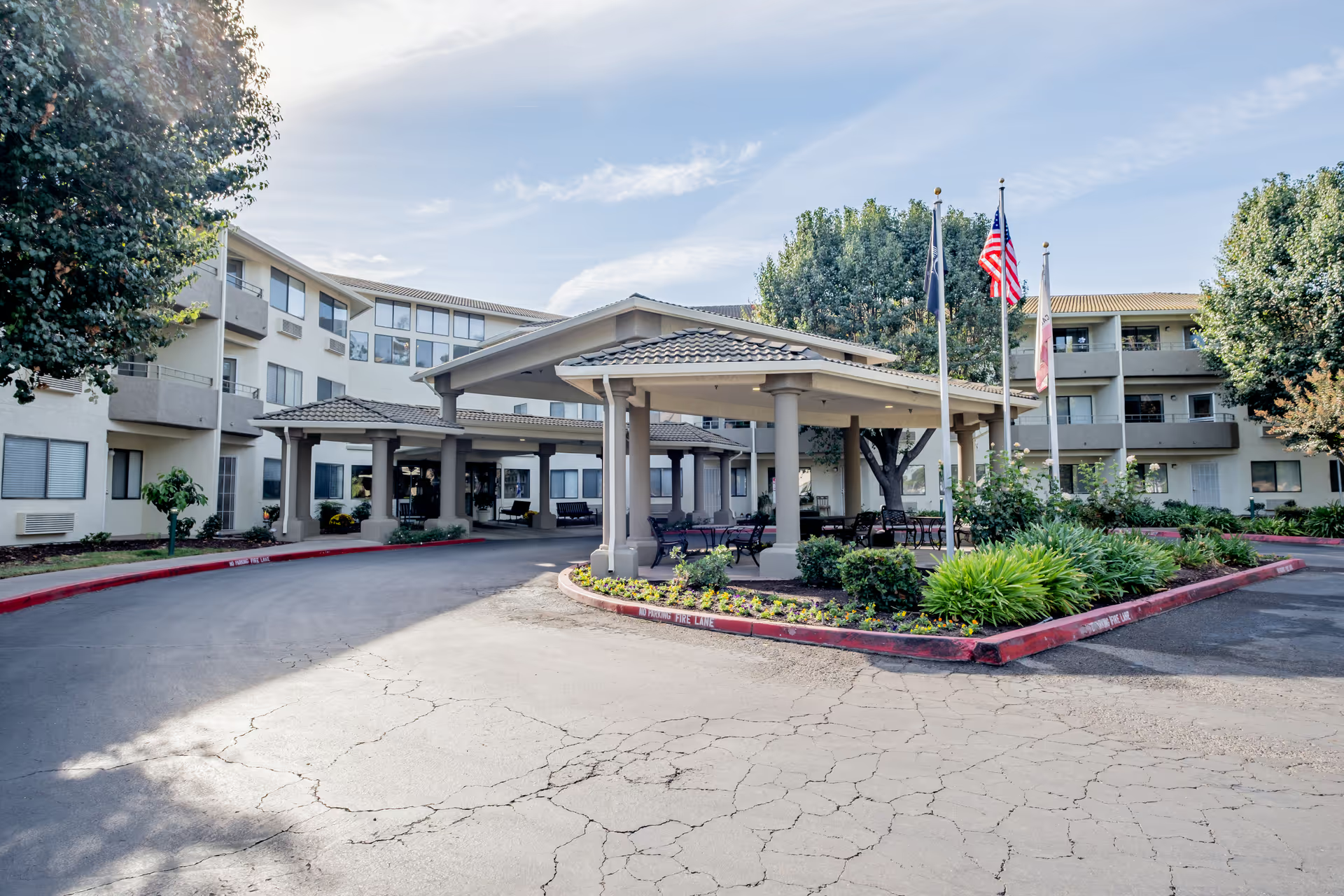
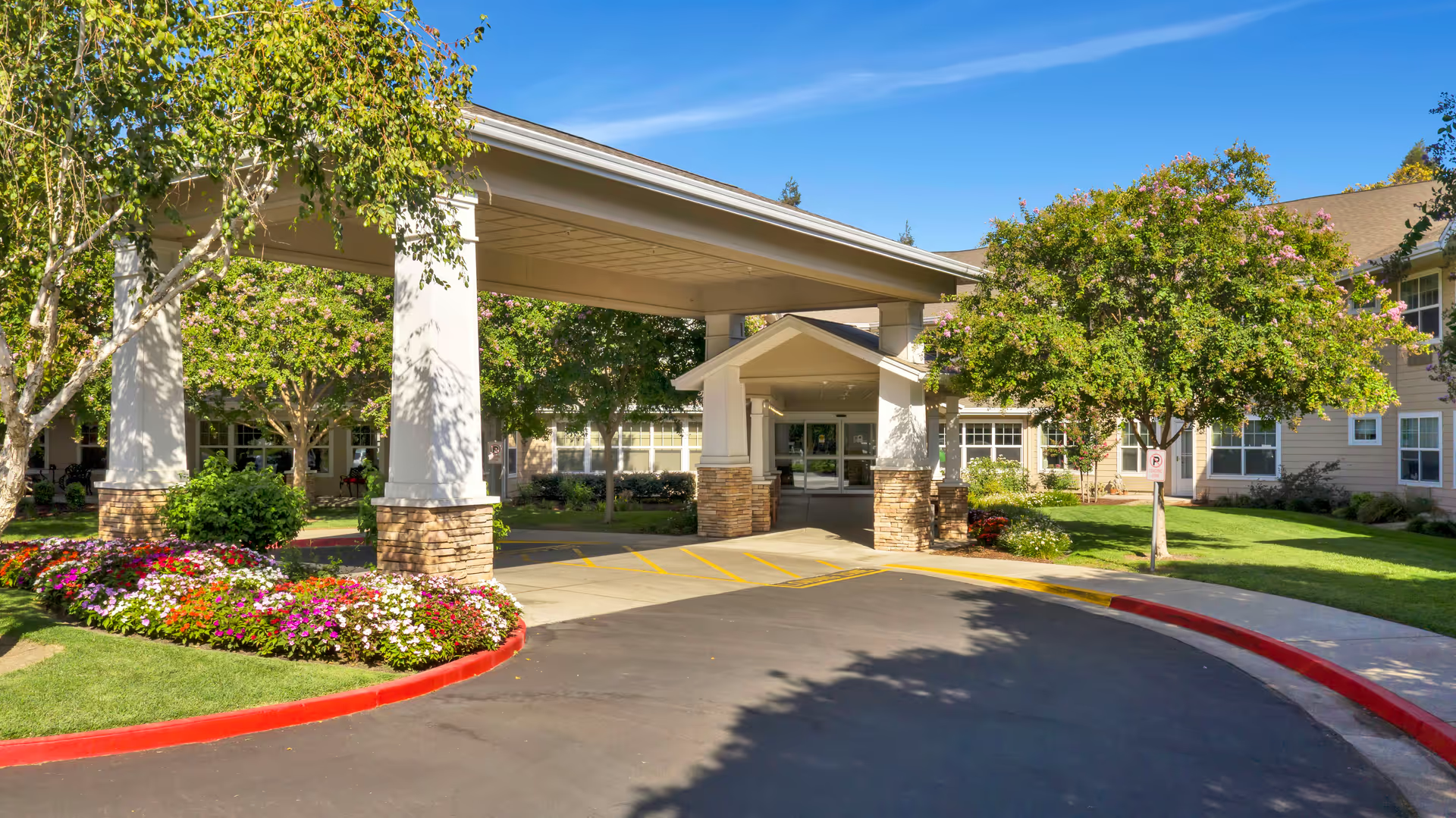
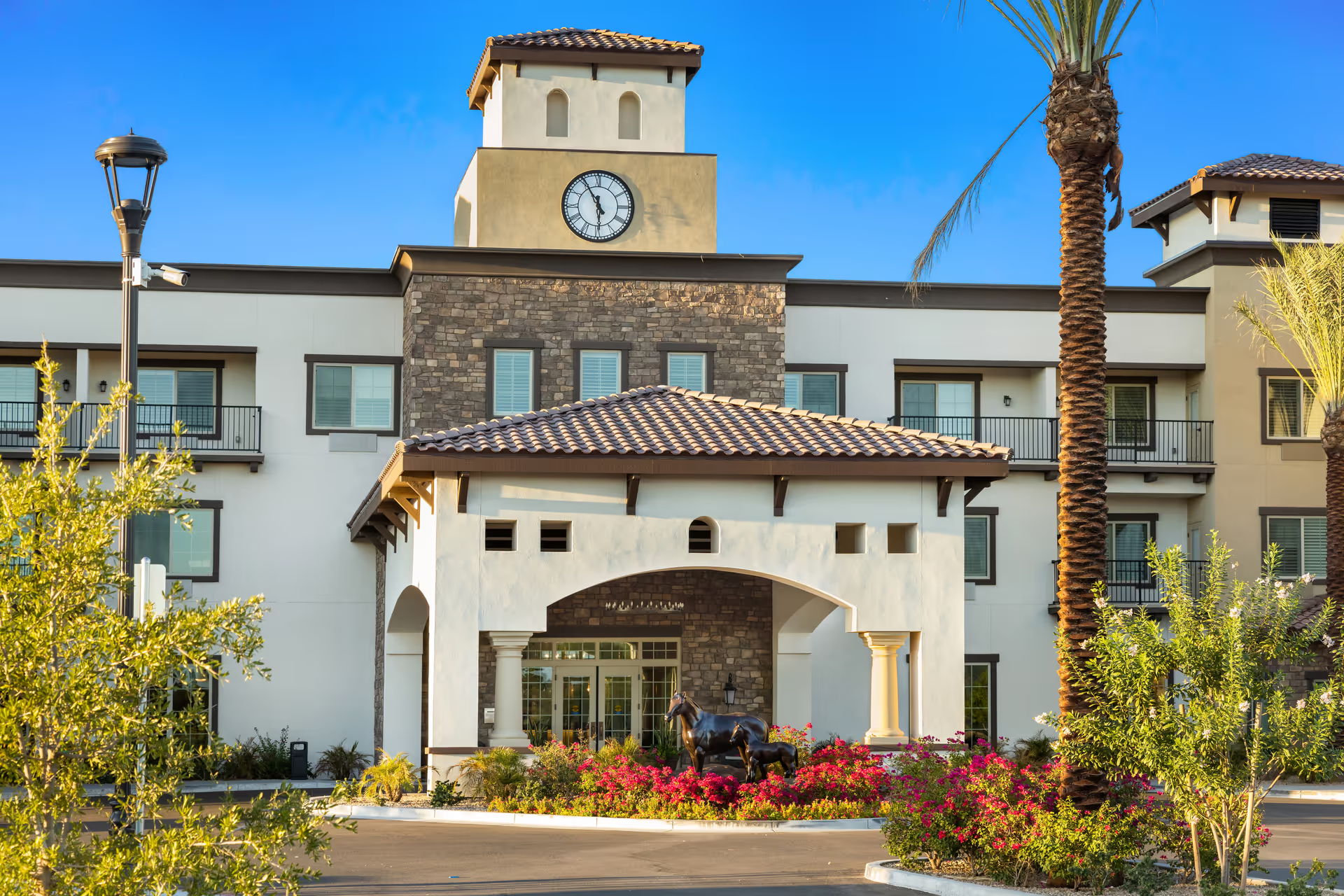
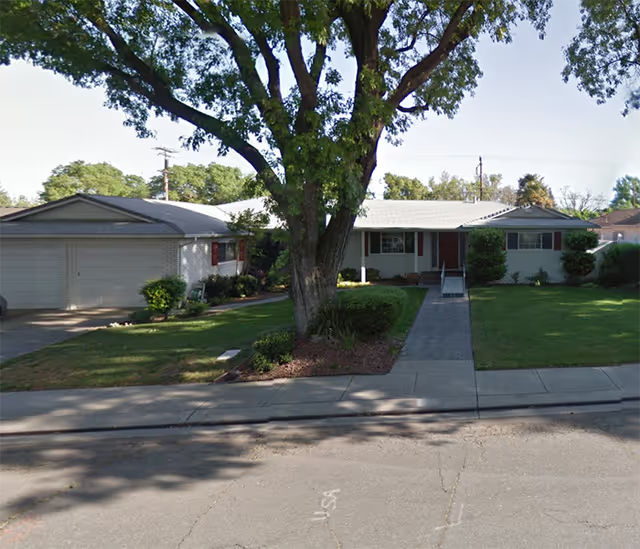
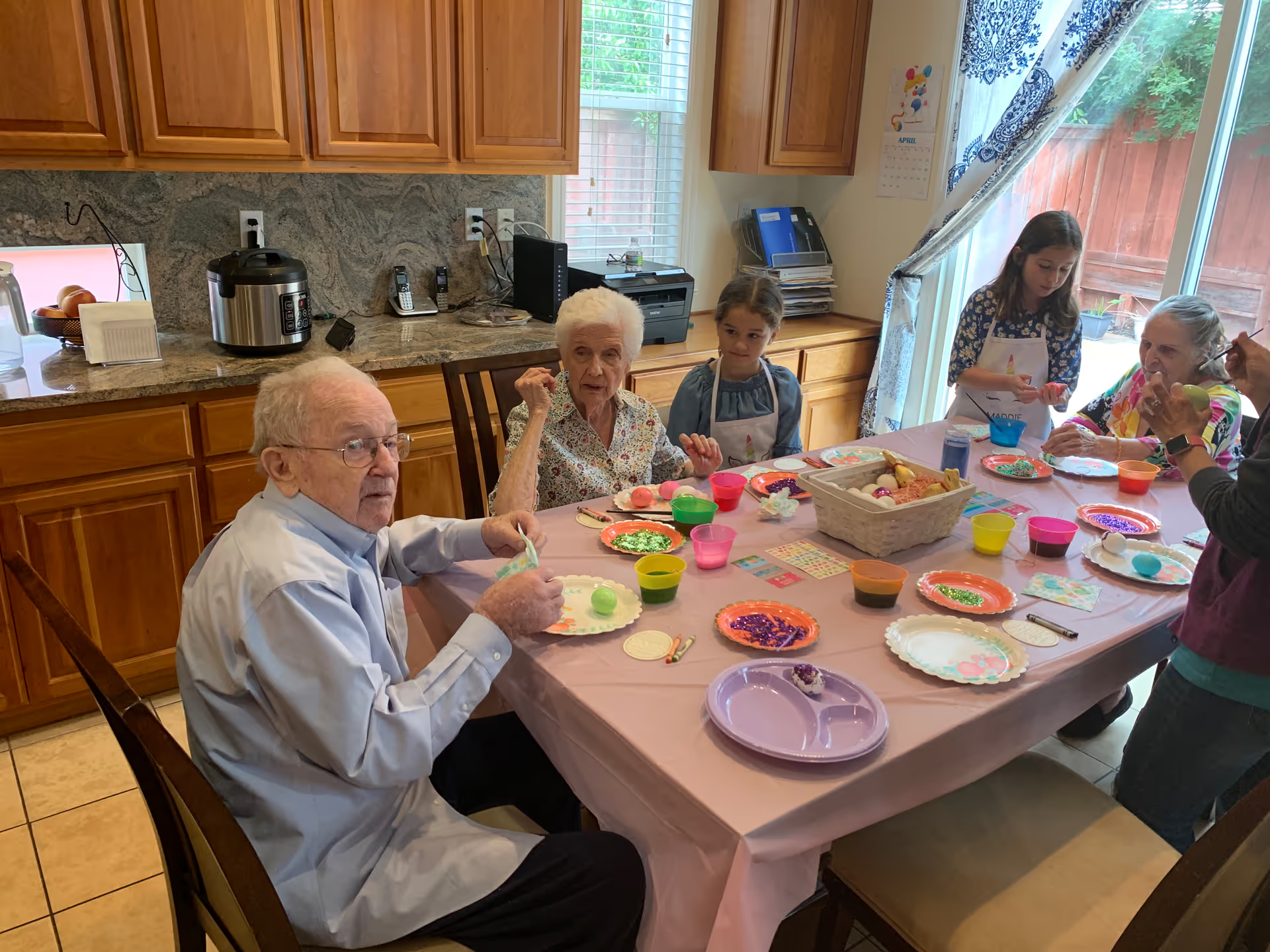
Reviews of Orquidea Hill RCFE present a consistently positive portrait centered on individualized, home-like care. Families and visitors emphasize compassionate, attentive staff and describe the overall quality of care as high; comments suggest that staff–resident interactions are warm and that residents often appear comfortable and well supported. The facility’s smaller, residential model is a recurring theme and appears to contribute to individualized attention and a familial atmosphere.
Care and staffing receive the strongest praise. Comments characterize the staff as friendly, caring, and supportive, with several statements that residents are "thriving" or very satisfied. This pattern indicates reliable day-to-day assistance with personal needs and a staff culture oriented toward resident comfort. For prospective residents with higher-acuity medical needs, reviewers provide less explicit information about clinical staffing levels or on-site nursing resources; families should verify clinical oversight and medication-management arrangements during tours.
Dining is another frequently noted strength. Meals are described as nutritious, flavorful, and home-style; reviewers framed the kitchen as contributing to the residential feel of the home. That said, there is limited publicly available detail about how the facility handles specialized diets or medically prescribed meal plans. Prospective families should ask about menu planning, accommodations for allergies or texture-modified diets, and whether a dietitian is consulted for clinical nutrition needs.
Activities and programming are less prominent in the commentary. The home-like setting suggests informal engagement and socialization among residents, but reviewers seldom describe formal activity schedules, therapeutic programming, or rehabilitative services. If structured recreation, cognitive activities, or physical therapy are important, families should request specific examples of weekly programming and available therapeutic resources.
Facility upkeep and management are presented positively: the residence is described as attractive, clean, and orderly, with a home-like presentation that families appreciate. At the same time, the small-house model can imply capacity and amenity trade-offs relative to larger communities—limited private amenities or on-site therapy spaces may be possible. There is also limited detail about formal communication processes between management and families (for example, routine care updates or incident reporting protocols). Prospective families may want to clarify how care coordination, family communication, and escalation procedures are handled.
In summary, Orquidea Hill RCFE appears well suited to individuals and families seeking a smaller, residential-style setting with attentive staff, clean accommodations, and well-regarded meals. The dominant strengths are staff engagement, a home-like environment, and food quality. Areas for further inquiry include documented clinical capabilities for higher-acuity residents, specifics of activity programming, special-diet accommodations, and routine management–family communication practices. Asking targeted questions during a visit will help determine fit for residents with more complex medical or therapeutic needs.