Overall assessment: The facility consistently receives praise for hands-on clinical rehabilitation, compassionate direct-care staff, and a generally well-maintained environment. Many families described notable improvements after short-term stays for falls or fractures; physical and occupational therapy services, in particular, are highlighted as effective and individualized. Daytime programming and social-service support (including Chinese-language resources) are also cited as strengths that contribute to resident engagement and family satisfaction.
Care quality and clinical services: Clinical strengths include attentive daily monitoring, timely medication administration, and focused therapy plans that have produced measurable patient improvement in multiple accounts. Several families singled out specific therapists and nurses for professional, comforting care and for teaching or mentoring other staff in clinical tasks. At the same time, there are recurring concerns about inconsistent handling of specialized nursing needs (for example, ostomy-related care) and uneven willingness among staff to perform certain clinical tasks. Prospective families should confirm competency and staffing for any specialized care requirements prior to placement.
Staff and communication: Reviews reflect a mixed picture of staff behavior. Many frontline caregivers and reception personnel are described as warm, helpful, and eager to assist; however, there are repeated descriptions of brusque or unprofessional interactions, difficulties reaching staff by phone, and instances where families felt misunderstood or dismissed. These observations point to variability in staff conduct and in the facility's family-communication practices. There are also noted gaps in complaint resolution and accountability that can amplify family frustrations when incidents occur.
Dining, personal items, and safety: There is limited direct information about food quality beyond individual complaints related to personal food items. More prominent are concerns about the security and tracking of residents' personal belongings, including glasses, dentures, and clothing. A few accounts describe perceived loss or misplacement and at least one allegation involving removal of personal food items. These indicate a need for stronger personal-item protocols and clearer inventory/labeling practices.
Activities and social services: Daytime activities and individualized rehab plans are frequently described as robust and helpful to recovery. Social-work staff and bilingual team members are noted as supportive resources for families navigating placement and care coordination. Front-desk staff are often highlighted as attentive and enthusiastic, improving the admission and visitor experience when communication is working well.
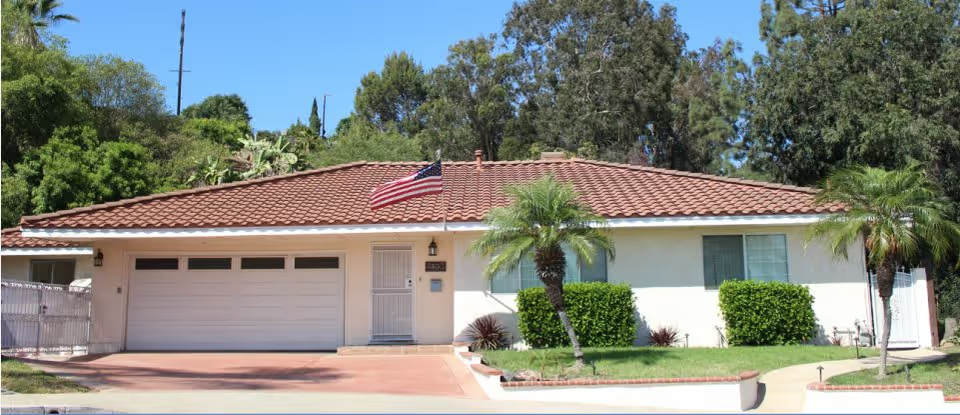
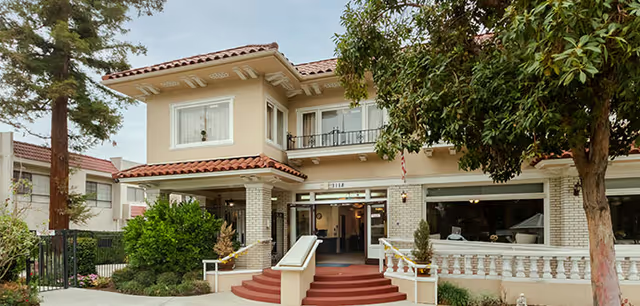
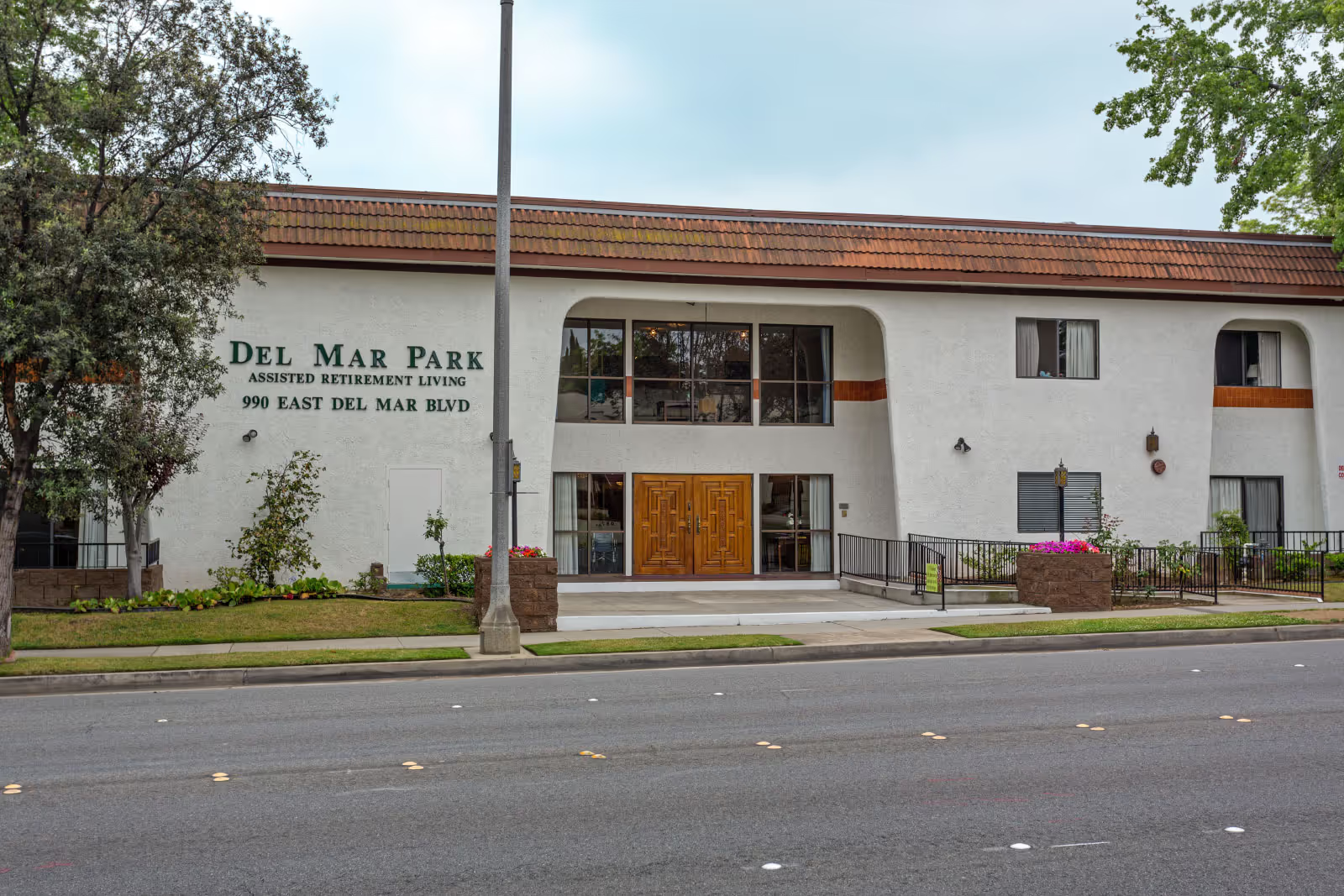
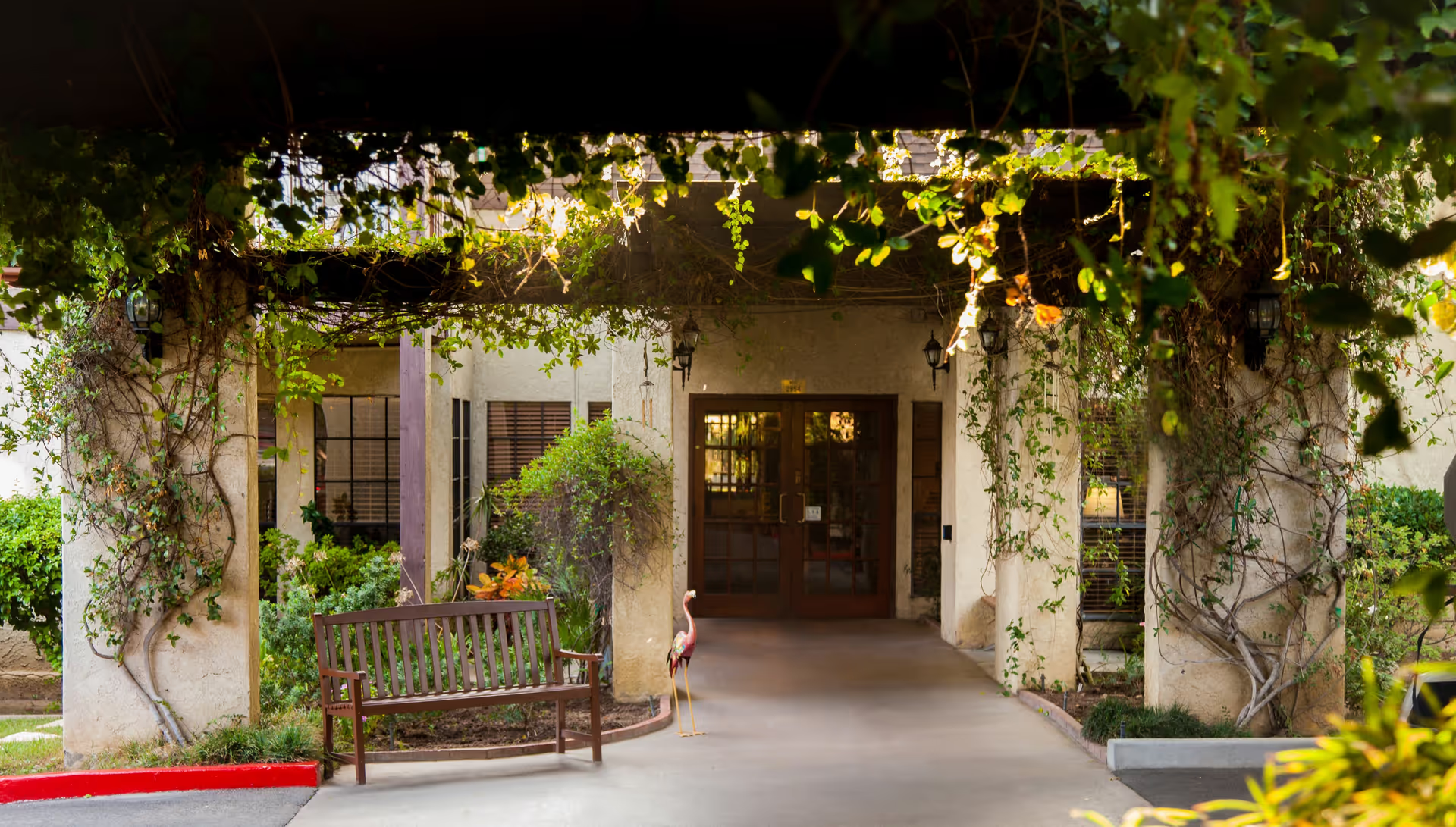
Facilities and logistics: The physical plant and interior environment are generally described as clean and well-maintained. The facility's proximity to emergency medical services is perceived as an asset. Visitor logistics—particularly limited parking and occasional access denials or appointment miscommunications—are a recurring operational inconvenience for families and visitors.
Notable patterns and recommendations: The reviews present a polarized pattern—strong clinical and therapeutic capability paired with operational and communication weaknesses. For prospective residents and families, advisable pre-placement steps include: clarifying visitation and entry procedures, confirming parking arrangements, asking for written policies on personal-item tracking and labeling, verifying staff competency for any specialized nursing needs, and documenting the facility's complaint-escalation pathway. Asking to meet the therapy team and the social worker during the tour can help set expectations for rehabilitation goals and family communication.
In summary, the facility offers solid rehabilitation services, compassionate caregivers, and a supportive environment for many residents, but it exhibits recurring operational issues around communication, personal-item security, specialized-nursing responsiveness, and visitor logistics. These are addressable through clearer protocols and consistent staff training; families will benefit from directly discussing these areas before admission and establishing agreed-upon communication channels with the care team.