Reviews for the facility are mixed, with a clear pattern of strong hands-on care and therapy services alongside operational and management concerns. Many families praised individual caregivers, nurses, and therapists for compassionate, attentive care; specific strengths include a well-regarded rehabilitation team, engaged therapy sessions, and staff who provide frequent clinical updates and family communication. Several reviewers described a welcoming, family-like culture among caregivers and noted positive admission and case-management interactions, punctual transportation services, and comfortable outdoor and common-area spaces.
Care quality shows a split: numerous accounts highlight improved function, thorough grooming, dignity in end-of-life care, and helpful one-on-one attention from CNAs and nurses. At the same time, reviews describe inconsistent staffing levels and leadership turnover that appear to affect responsiveness and continuity of care. There are recurring operational concerns about medication administration and clinical documentation controls, and some reviewers referenced serious individual allegations that have attracted regulatory attention. These issues suggest the facility may have variability in clinical governance and incident-response practices; prospective families should verify medication protocols, handoff procedures, and any current regulatory actions during a tour.
Dining and activities are generally noted as strengths in many accounts. The activities program is described as active and varied — coffee socials, bingo, music, movies, games, and therapy engagement — and several reviewers said these offerings supported resident morale and participation. However, meal quality and adherence to specialized diets (for example, diabetic meal practices) were described as inconsistent by others, indicating variability in kitchen execution and special-diet monitoring.
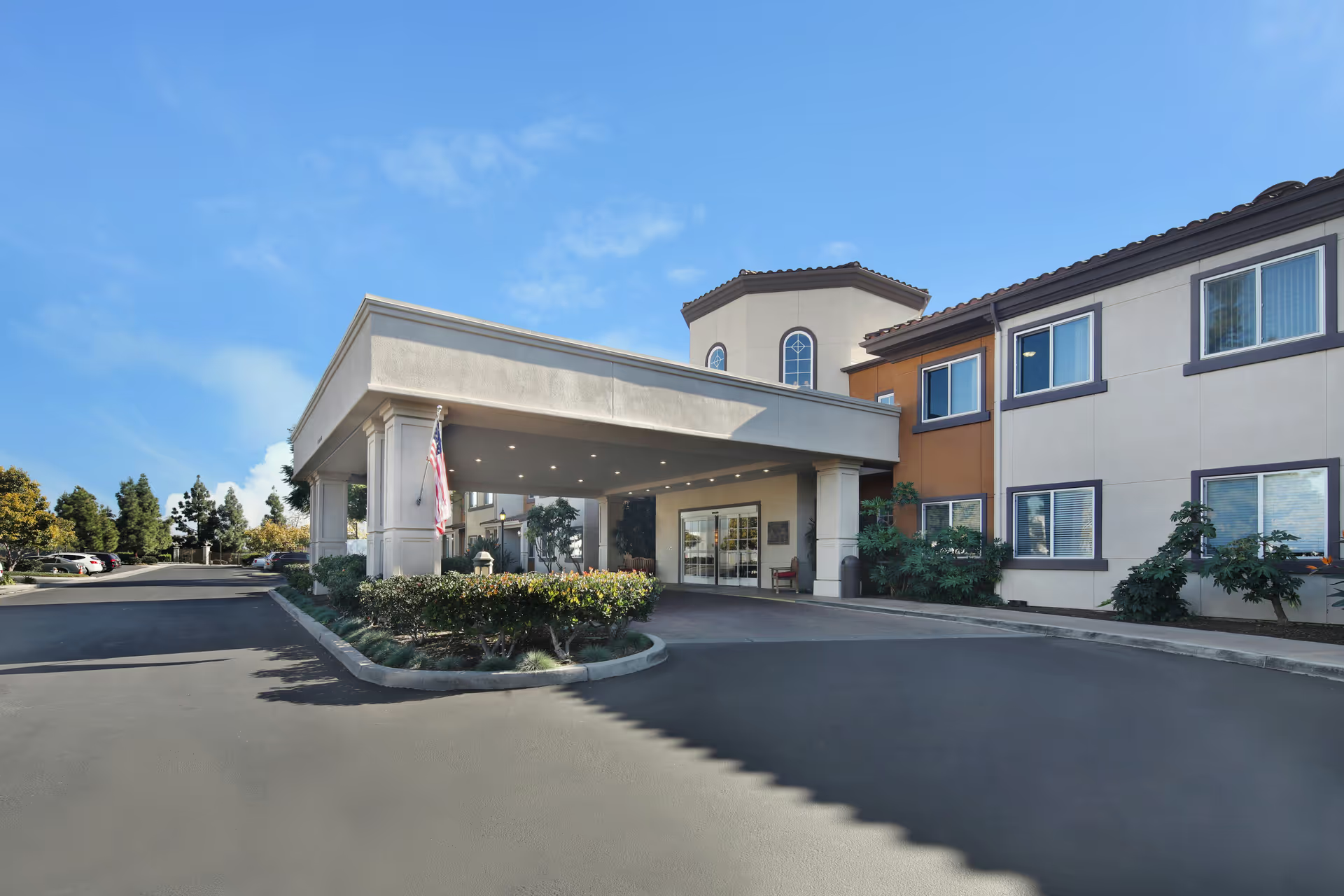
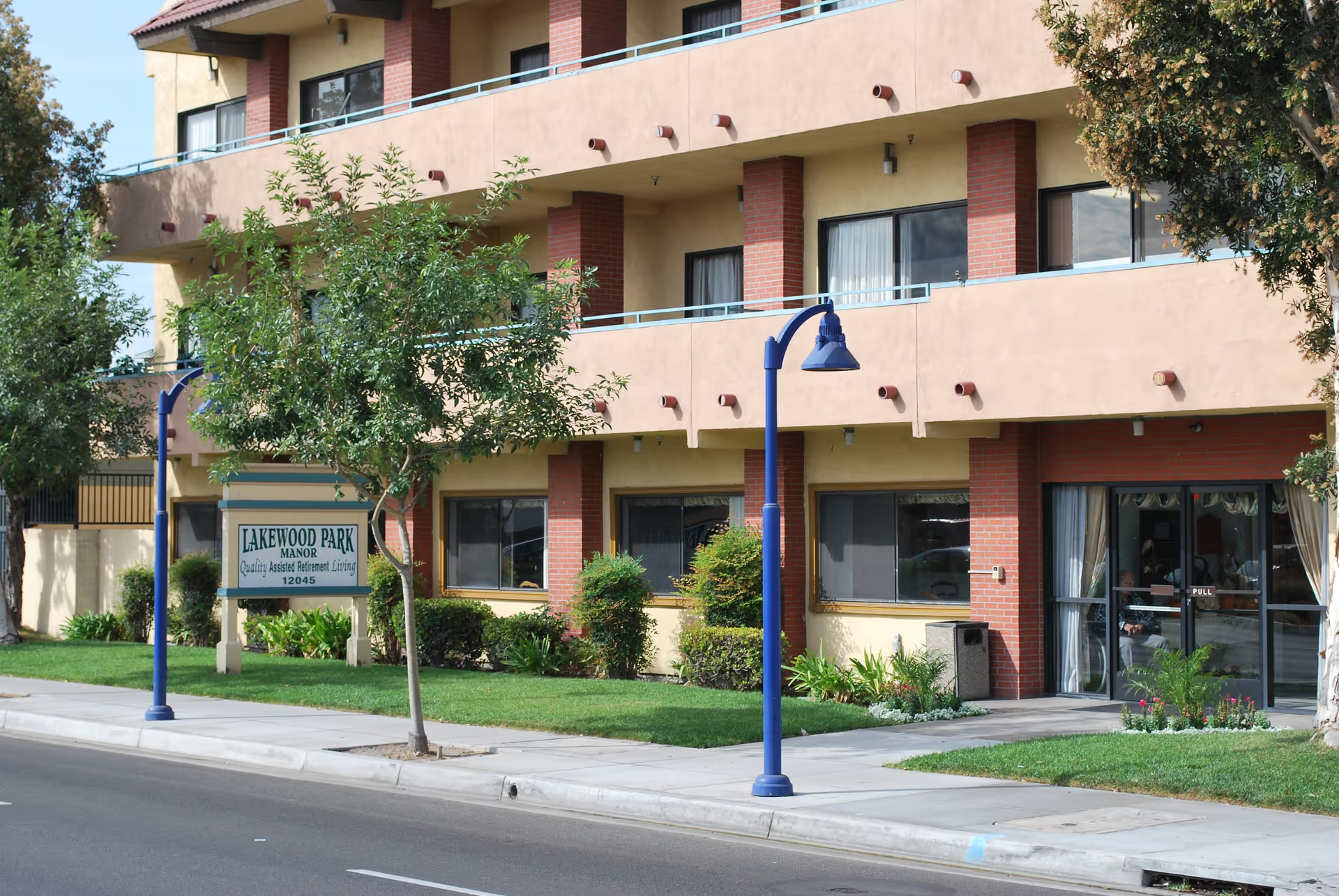
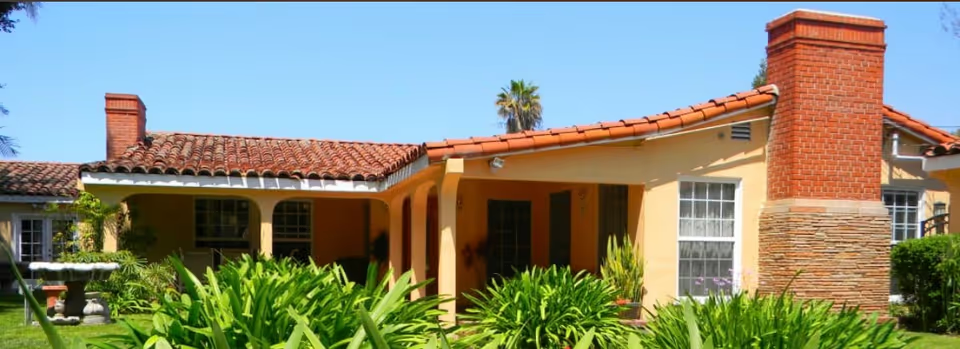
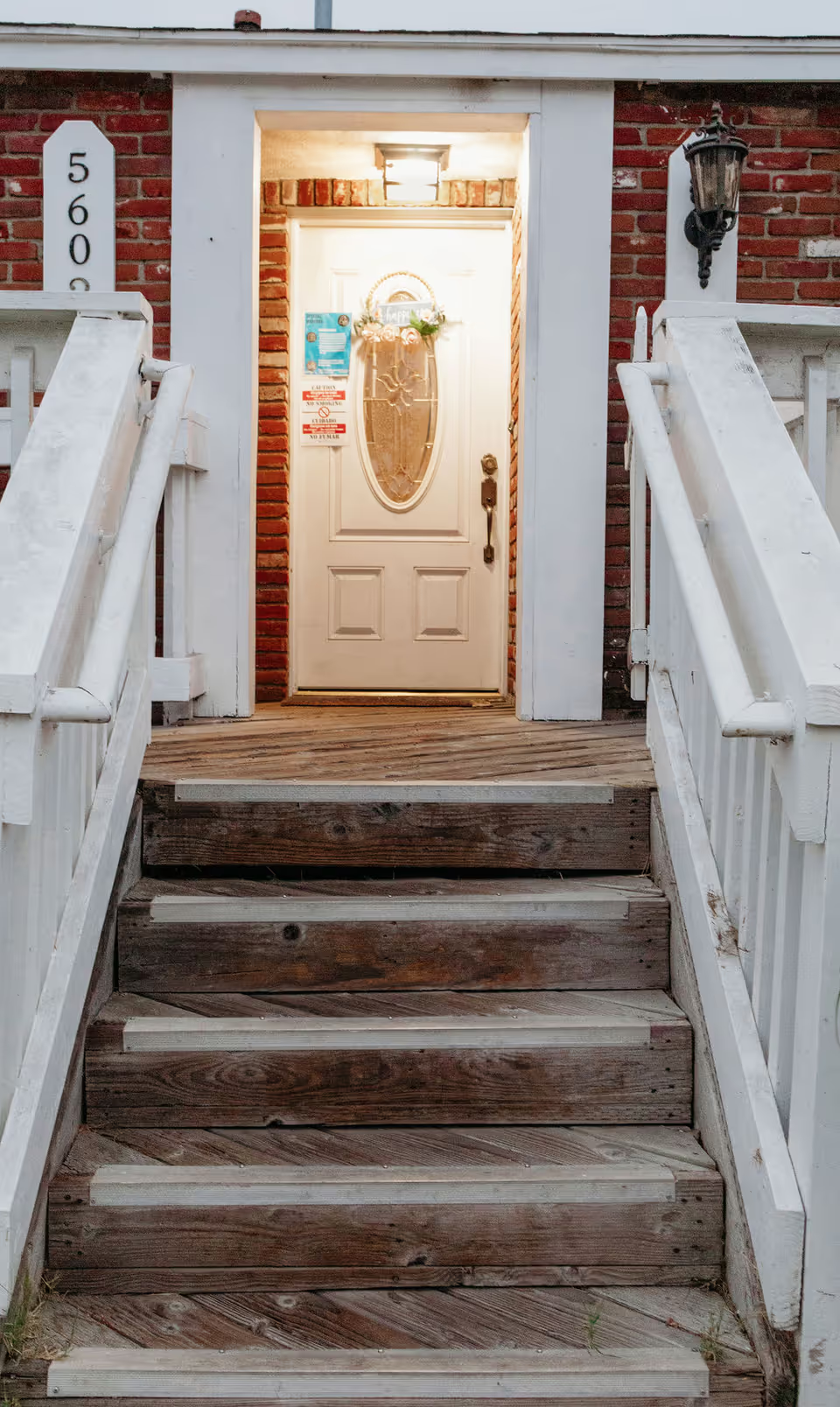
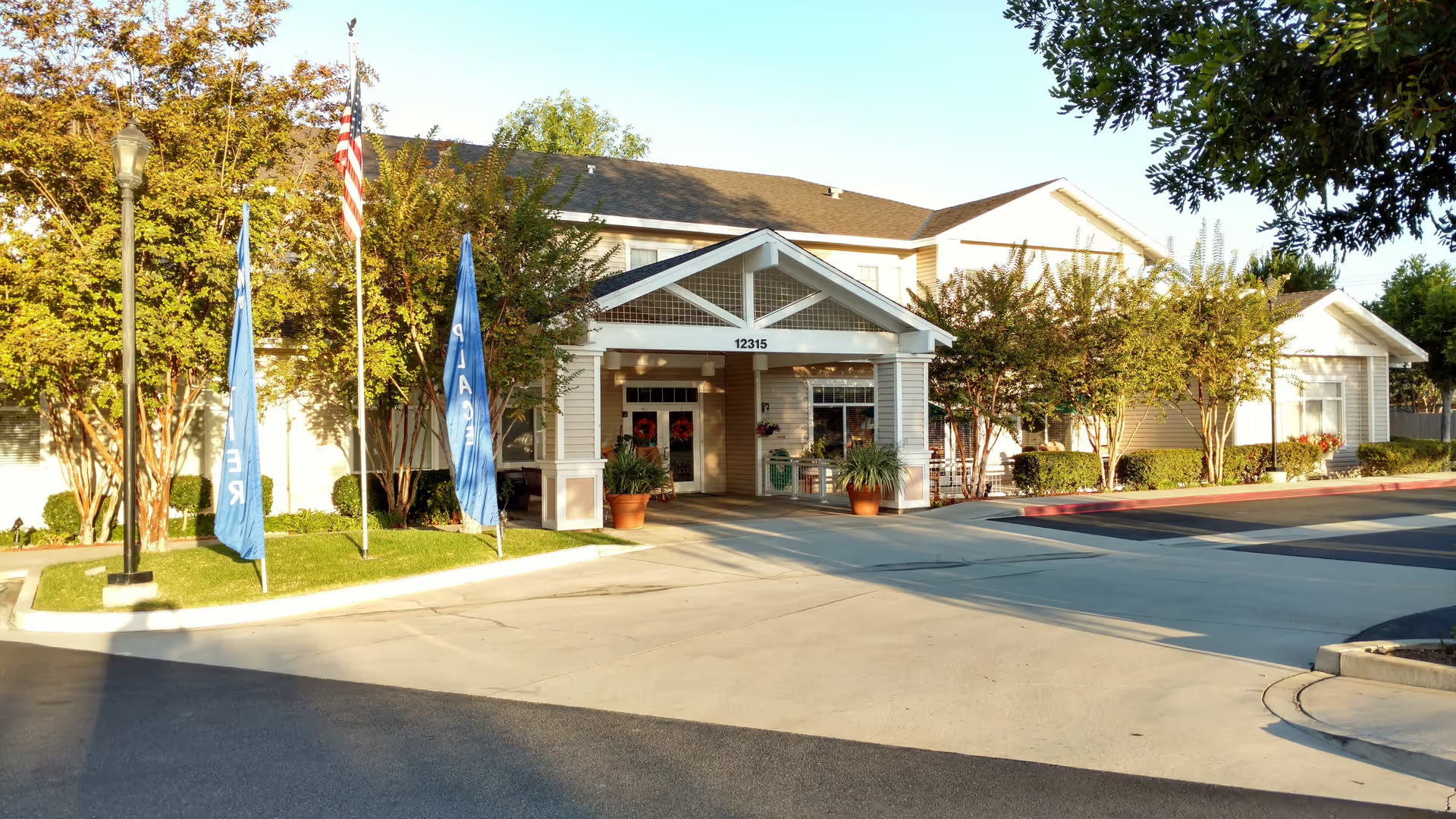
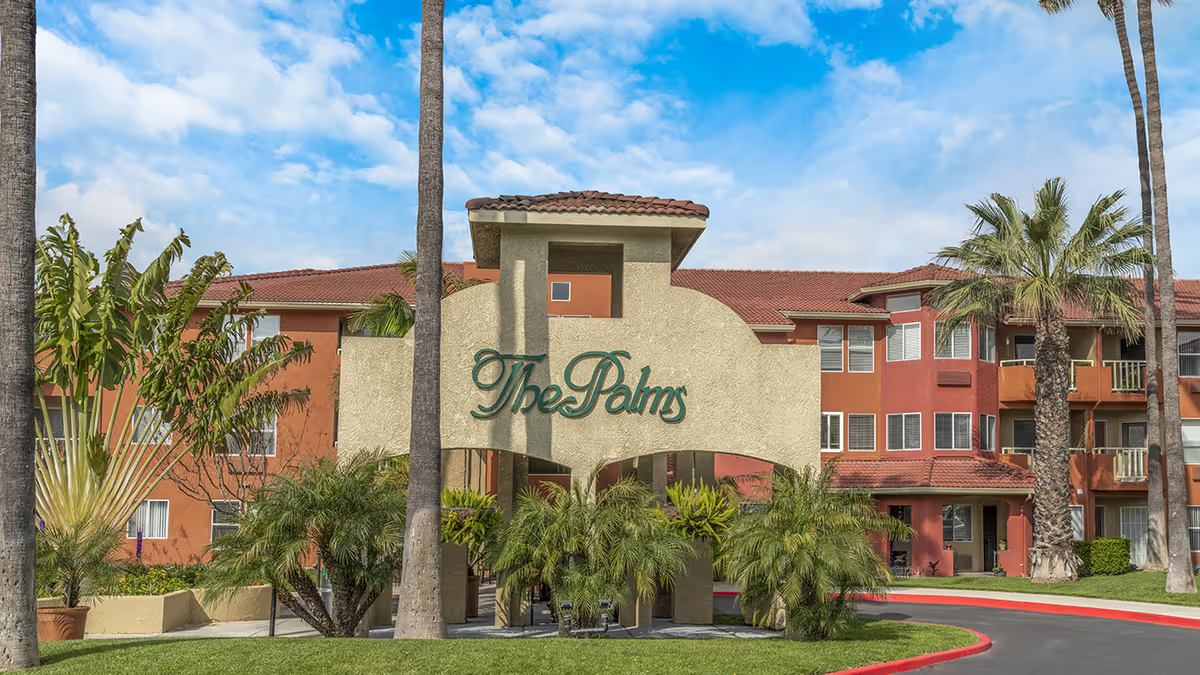
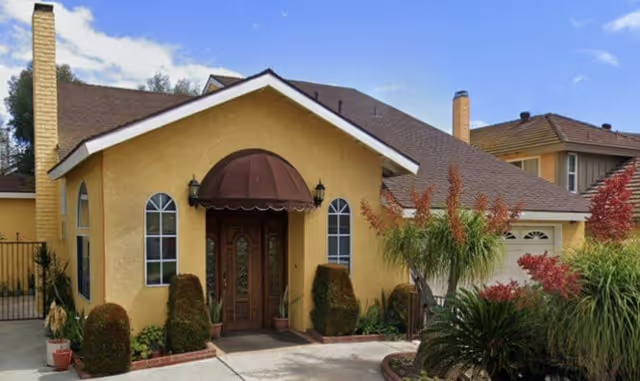
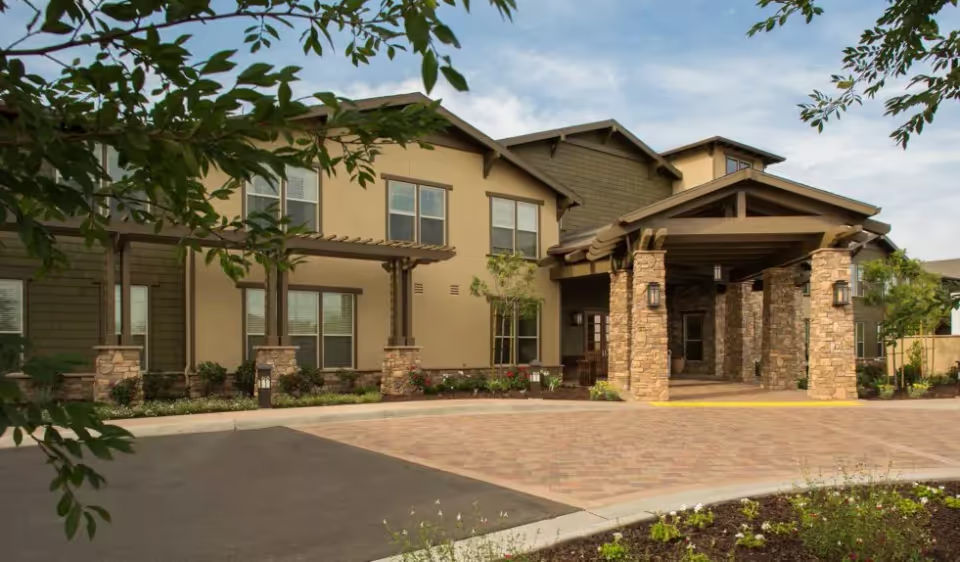
Facility condition and logistics are mixed. Common areas and landscaping are often well-kept, and many rooms are comfortable and well-equipped. Conversely, the building is described as older in sections, with some shared triple-occupancy rooms, dated furniture, and sanitation or pest-control concerns reported in parts of the facility. Additional operational weaknesses noted include visitor/parking challenges, room-identification and resident-location process gaps, and instances of belongings being misplaced.
Overall patterns suggest a facility capable of high-quality, compassionate clinical and rehabilitative care when staffing and management align, but also vulnerable to operational breakdowns in staffing, communication, documentation, and environmental maintenance. Families considering placement should balance positive firsthand observations of staff-resident interactions and therapy outcomes with direct inquiry into staffing ratios, medication and documentation controls, infection-control and pest-management practices, special-diet procedures, and how the facility handles incident investigation and family communication. A focused tour that includes inspection of resident rooms, meal service, activity programming, and a conversation with nursing leadership is recommended before making a placement decision.