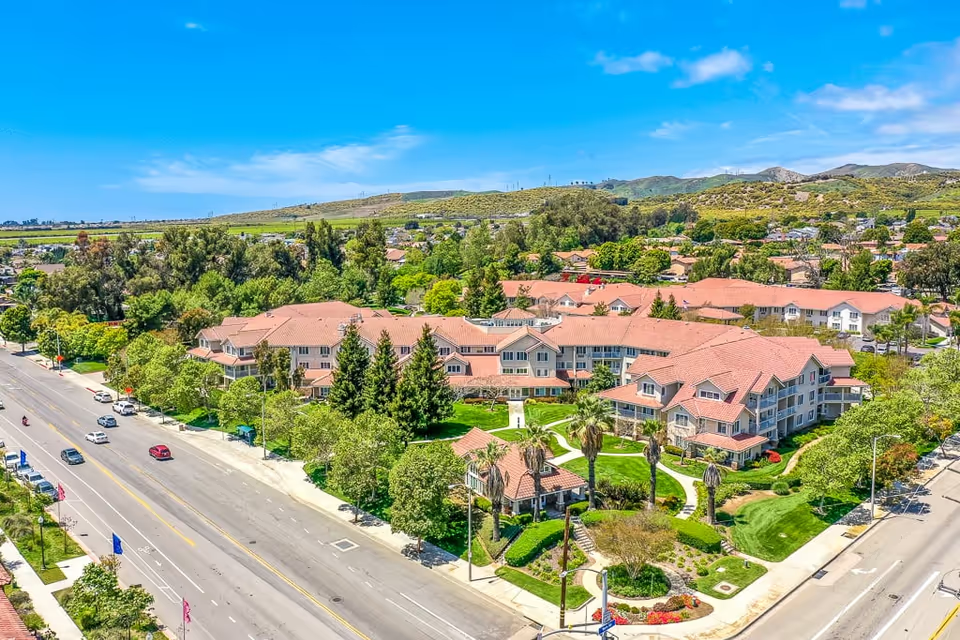
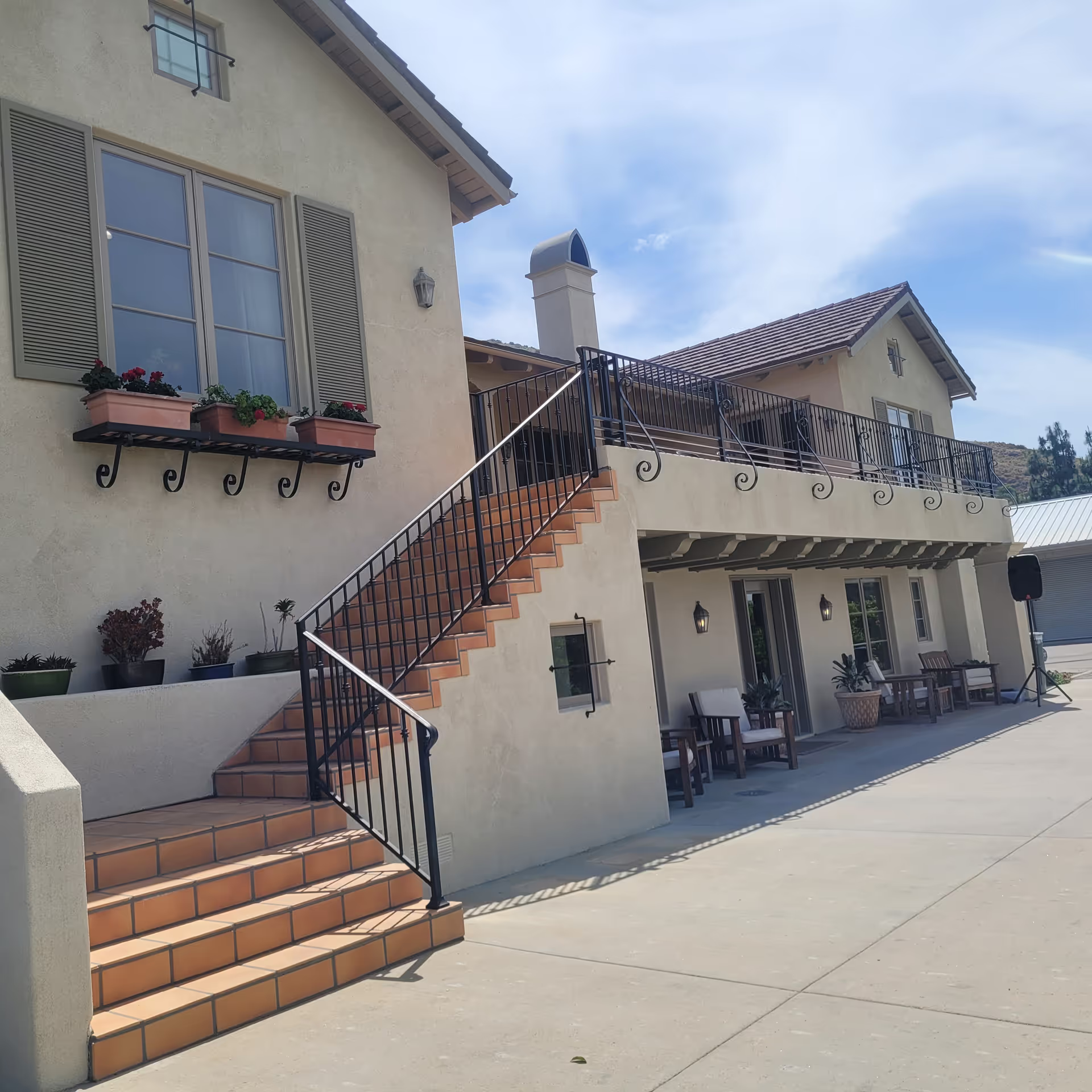
Ojai Health & Rehabilitation elicits mixed impressions. Several accounts describe attentive, patient frontline caregivers and effective on-site rehabilitation services; family members who had positive experiences emphasize compassionate nursing/CNA support and successful therapy outcomes during short-term or transitional stays. Parts of the facility are described as clean and well maintained, and some families provide strong verbal recommendations based on those experiences.
At the same time, a substantial pattern of operational concerns appears across reviews. Communication with families — especially those living out of state — is frequently characterized as insufficient, with limited progress reporting and inconsistent interdisciplinary meetings. Staff responsiveness is another recurring theme: reviewers describe delays attending to resident needs, slow post-fall assessment or assistance, and variable personal-care timing (including bathing and incontinence care). These issues point to gaps in day-to-day care processes and incident-response procedures.
Dining and nutrition received mixed feedback. Positive comments about care coexist with accounts of inconsistent adherence to posted diet plans and concerns about dining-area conditions, including pest-control issues near food service points. Facility and environmental maintenance also show variability: some areas are well kept, while others have problems such as inadequate climate control, nonfunctional room equipment (TVs, doors), and slow provision of comfort devices (fans). Nighttime alarms and disturbances were mentioned as a source of sleep interruption and caregiver workload.
Management and oversight are a notable pattern. Several reviewers cite difficulty reaching leadership, slow complaint resolution, and a sense of weak oversight when operational problems arise. There are also recurring concerns about staff conduct and communication tone; in a few accounts these issues escalated to disputes over visitation or video policies and even involvement of outside authorities. Additionally, there are isolated, serious individual accounts — including concerns following a resident's death and other adverse events — that families may wish to investigate further with the facility or regulators.
For prospective residents and families: strengths to consider include the facility's rehabilitation capabilities and examples of compassionate bedside care. Areas to evaluate further during a tour or meeting with leadership include the facility's family-communication protocols, staffing responsiveness (particularly at night), infection- and pest-control practices in dining areas, consistency of dietary implementation, maintenance responsiveness, and processes for incident reporting and interdisciplinary care coordination. Asking for recent inspection reports, examples of progress-note transparency, and descriptions of how complaints are escalated may clarify whether operational improvements have addressed the documented concerns.