Overall impression: Reviews of Shadow Brook Post-Acute are mixed, with a clear cluster of positive experiences focused on direct-care staff and facility condition, and recurring operational concerns centered on administration, care coordination, and therapy resources. Families frequently describe strong hands-on care from nursing assistants and nurses, while administrative and management-level issues account for many of the negative impressions.
Care quality: Many accounts praise the compassion and clinical skill of CNAs and nurses, and several families described attentive, respectful interactions and competent clinical care. At the same time, other families raised concerns about inconsistent responsiveness to resident needs and the tone of some staff interactions; these describe variability in day-to-day care reliability rather than a uniform pattern of outcomes. Rehabilitation services are present, but multiple comments indicate limited therapy staffing or equipment that can constrain the pace or intensity of recovery programs.
Staff and clinical leadership: Frontline staff—nurses and aides—are the most consistently praised element, described as calm under pressure, caring, and professional. However, reviewers also noted inconsistencies in leadership and office-level professionalism, including concerns about the demeanor of specific leaders and uneven coordination between clinical teams and administration. These patterns suggest that direct-care performance is a strength while supervisory or managerial practices may be uneven.
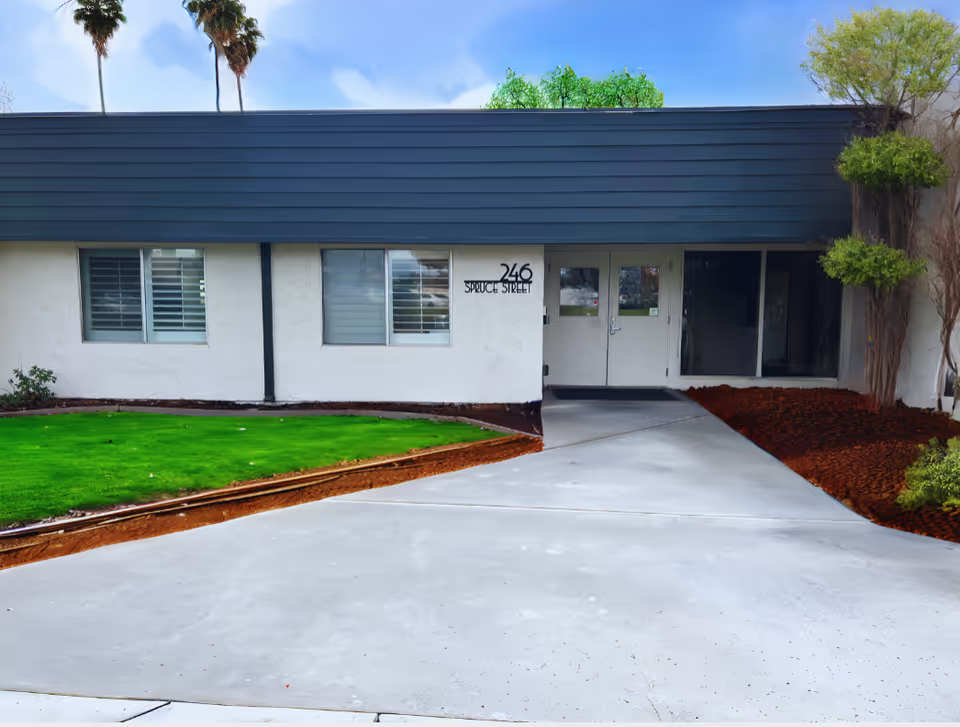
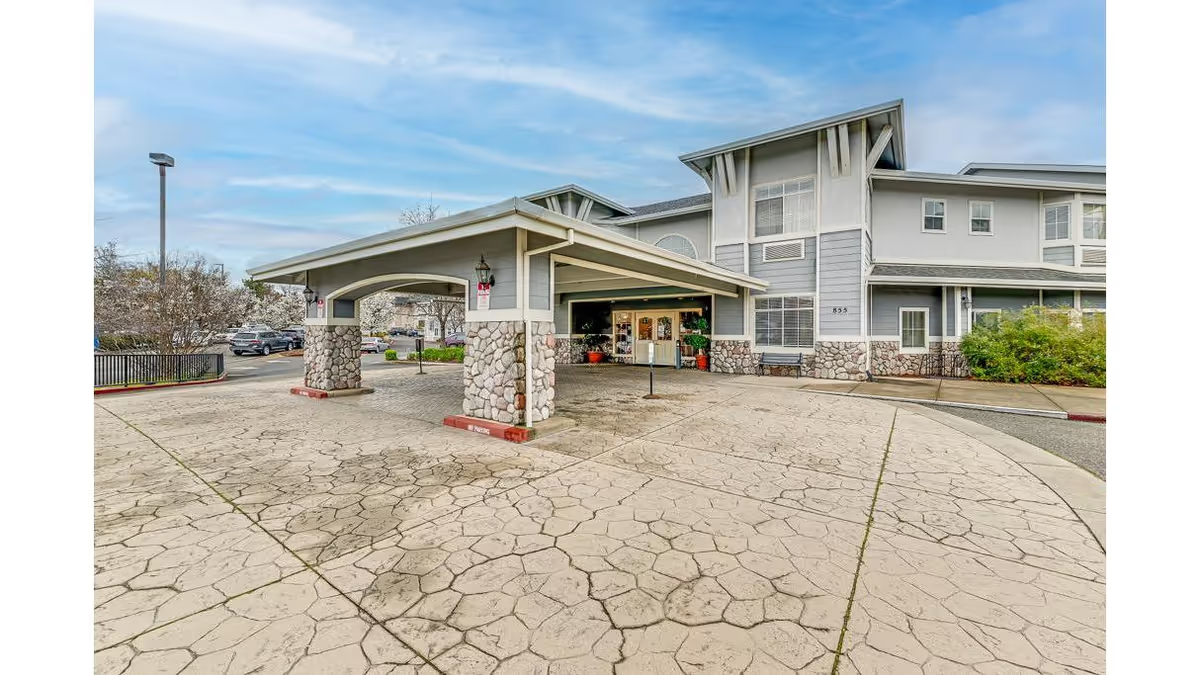
Facilities, dining, and activities: The physical environment receives positive notes: reviewers describe the facility as clean, well-maintained, and attractive. There is limited information in the provided summaries about dining quality or programmed activities; neither strong praise nor systematic complaints about meals or social programming are evident. Prospective families should request current menus and activity schedules during an in-person visit to evaluate those areas directly.
Management, billing, and coordination: Administrative issues are a recurring theme. Several reviewers raised serious concerns about billing practices, requests for upfront full-month payments, and difficulties obtaining refunds; these have been characterized strongly enough that some reviewers advise caution around payment timing. There are also repeated comments about problems with discharge planning, appointment scheduling, and handoffs to outpatient providers. Taken together, these points indicate weaknesses in financial transparency and care-transition processes that can affect families' experience.
Notable patterns and recommendations: The dominant positive pattern is high-quality, compassionate bedside care; the dominant negative pattern concerns office-level administration, payment/refund handling, and care coordination. For prospective residents and families, recommended due diligence includes observing staff–resident interactions in person, asking for written billing and refund policies, reviewing discharge-planning processes, and clarifying the availability and intensity of therapy services and equipment. These steps can help verify the aspects of the facility that are consistently strong and identify any administrative risks before admission.