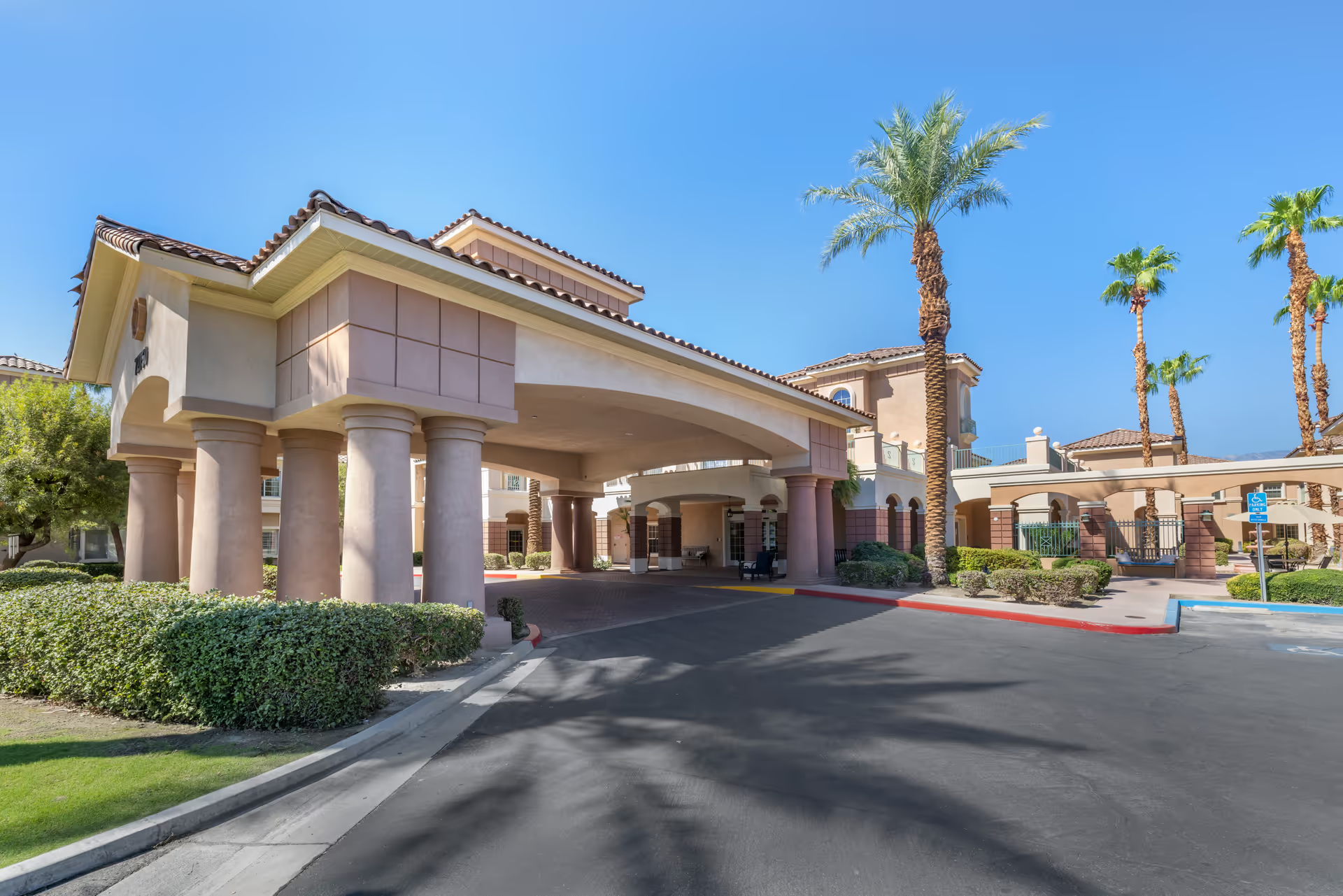
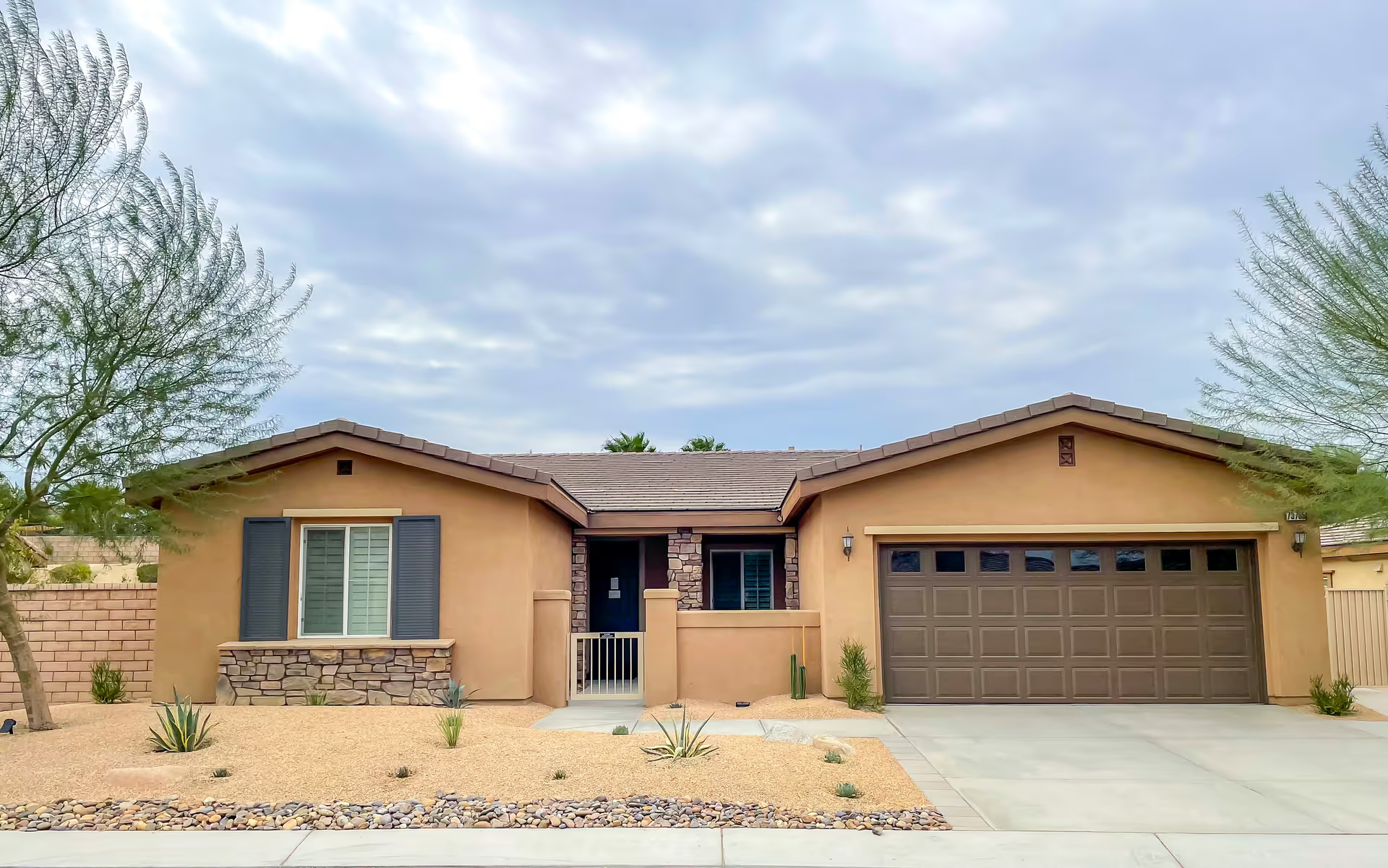
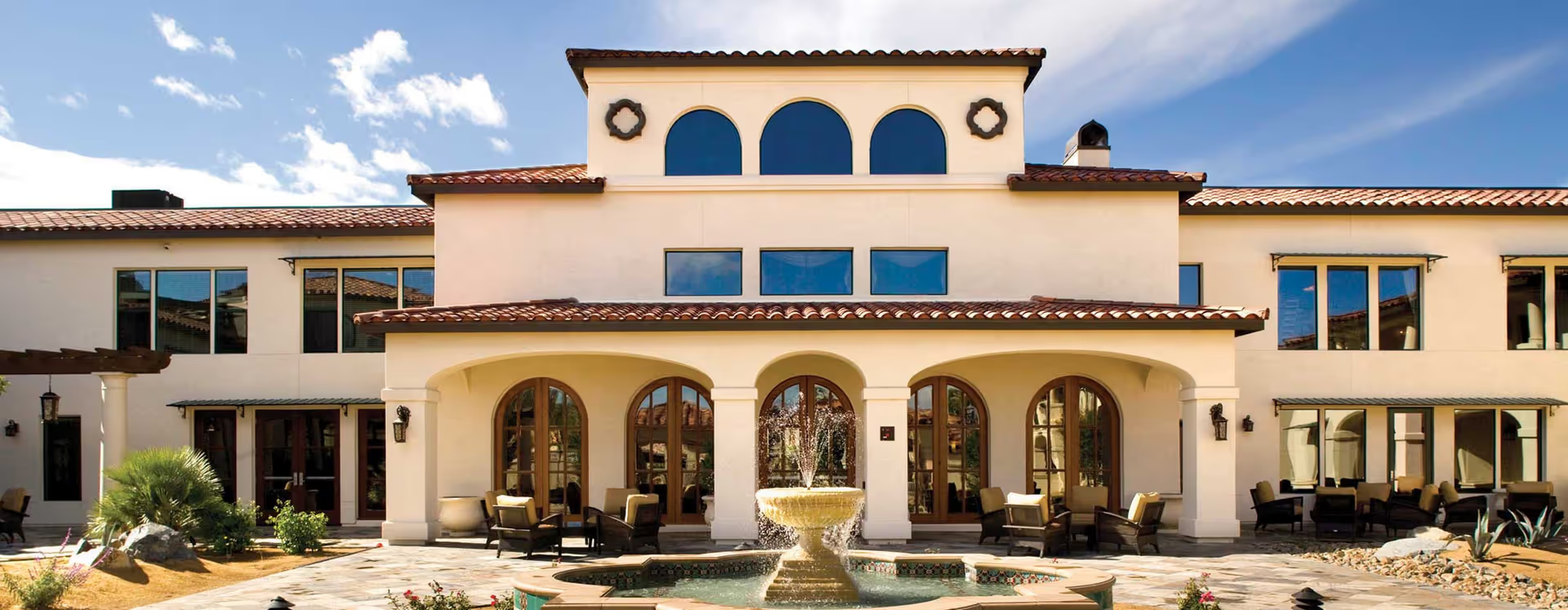
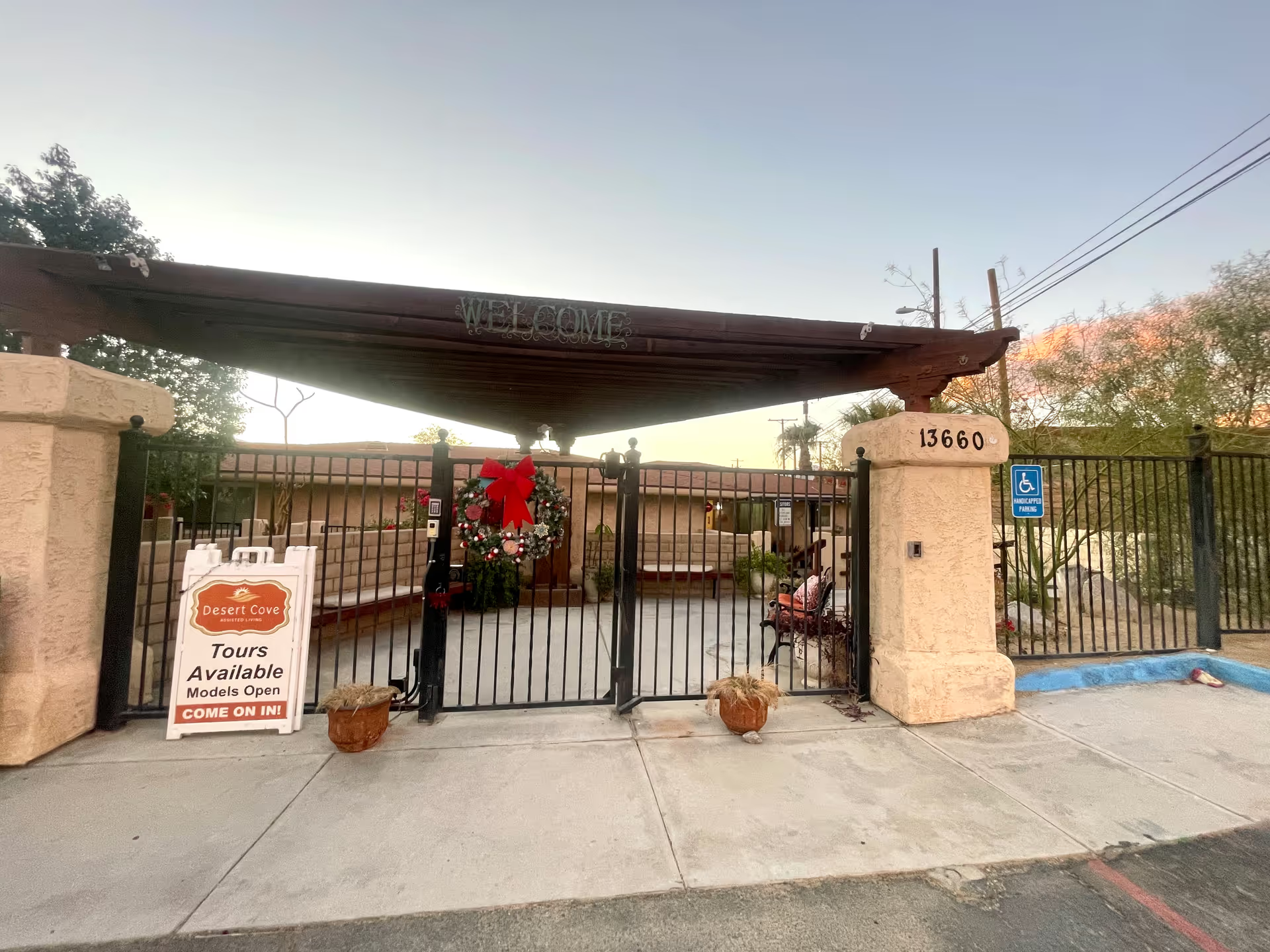
The Cottages at Palm Springs (Pacifica/Emeritus-style cottage campus) presents as a well‑maintained, cottage-model senior living community with strong aesthetic and social strengths but with identifiable operational variability. Many reviewers praised the setting: landscaped grounds, intimate single‑story cottages, fireplaces and porches, and cottage dining rooms that foster a home-like atmosphere. The community offers dedicated secure memory-care cottages, laundry and housekeeping included in base pricing, transportation to doctor appointments, and on-site dining; these elements contribute to a family-like environment and a sense of safety for many residents.
Care quality and staff performance were recurring themes with a generally positive tilt: numerous accounts describe compassionate, attentive caregivers, engaged activity coordinators, and proactive nursing or resident-care coordinators who facilitate transitions and care plans. Families frequently highlighted staff members who go above and beyond, long-tenured employees, effective medication coordination when processes are followed, and strong infection-control practices during the pandemic. At the same time, there is a pattern of operational inconsistency. Reviews cite inconsistent staffing levels and turnover that can affect response times and direct care; some families experienced delays in bathing, assistance with eating or drinking, and variability in medication timeliness and communication with prescribing clinicians or pharmacies.
Dining and activities offer mixed impressions. Several reviewers enjoyed the food, special dishes and a capable kitchen/chef, and appreciated regular social programming such as exercise classes, bingo, movie nights, outings, and memory-care activities (including pet therapy). Other accounts describe variability in meal quality and selection, limited fresh fruit/vegetable options at times, and fewer or less‑engaging activities in certain cottages or during pandemic restrictions. Transportation and outing capacity are available but can be limited, and cottage separation means that social programming and dining are often cottage-specific rather than centralized, which some families view as positive (smaller groups) and others view as isolating.
Facilities and physical layout are frequently cited as strengths: clean interiors, private bathrooms in many units, secure courtyards, and convenient proximity to local services such as the public library. However, many units are compact with limited storage, and the spread-out campus design creates accessibility challenges for residents using walkers or wheelchairs—longer walks between cottages and activity/dining areas were noted. Some maintenance and sanitation inconsistencies were described (specific common areas or rooms needing more frequent cleaning), and a small number of reviews raised concerns about personal-property security.
Management, billing and communications surfaced as an operational pain point for several families. Positive experiences included responsive admissions teams, helpful resident-care coordinators, and effective coordination with outside providers. In contrast, others experienced variable follow-up from management, delays returning family calls, billing disputes, and complexity from add‑on care fees that can substantially increase monthly costs. A minority of reviews contained serious allegations about care outcomes and safety; these accounts underscore the importance of direct verification (facility tour, care-plan meeting, reference checks) and careful review of service agreements and staffing ratios for prospective residents.
Bottom line: the community offers many features that appeal to those seeking a cottage-style, socially active, and landscaped setting with dedicated memory-care options and an engaged caregiving culture. Prospective residents and families should weigh the facility’s strong environmental and staff-oriented attributes against operational variability in staffing, medication handling, cleanliness consistency, room size, and billing transparency. Recommended due diligence includes an in-person tour of the specific cottage/unit, review of staffing ratios and medication procedures, clarification of all additional fees and billing practices, and discussions with current families where possible to confirm that the community’s operational practices match expectations for the level of care needed.