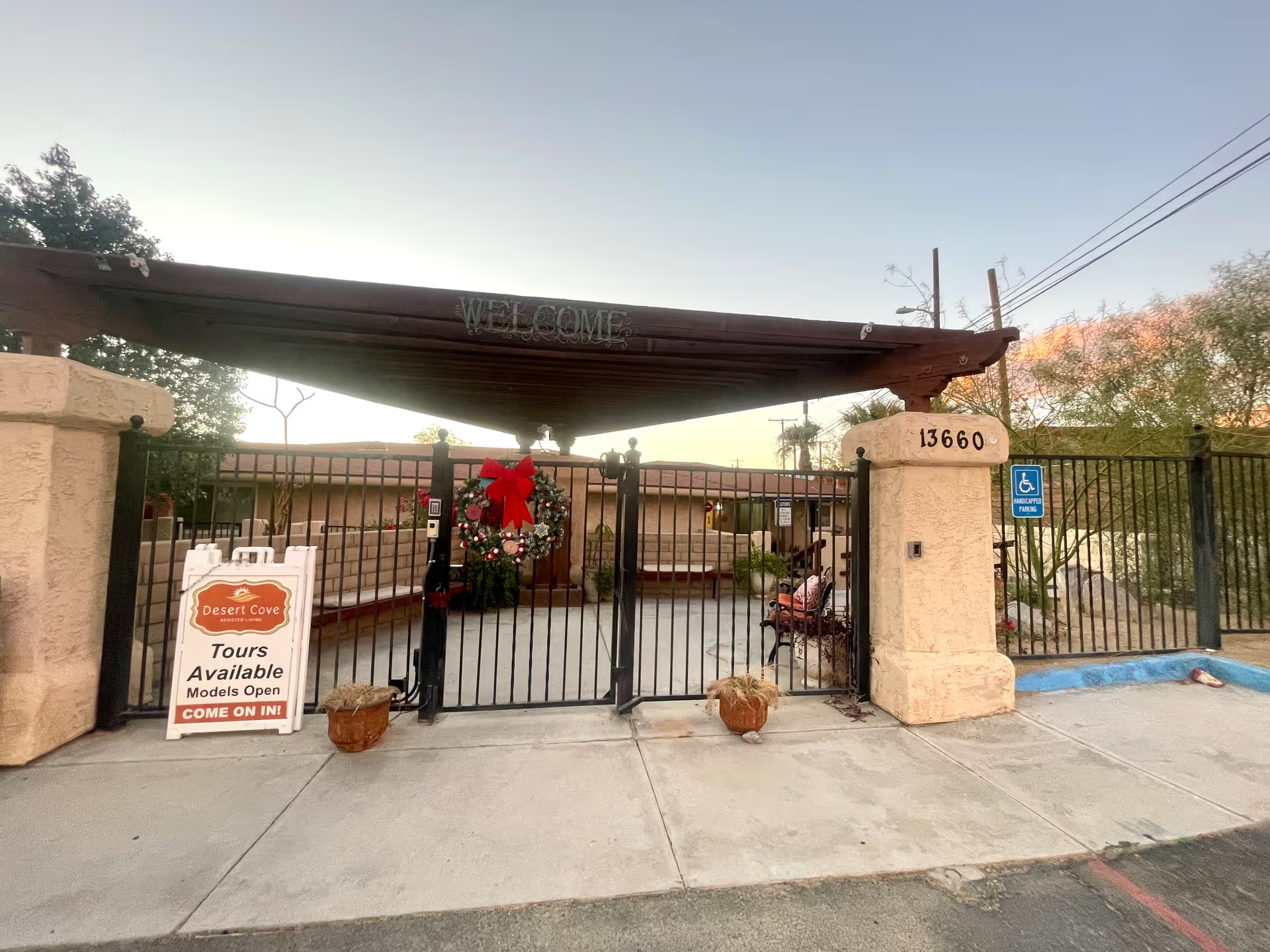
Reviews present a sharply mixed picture of Palm Springs Healthcare & Rehabilitation Center, with a clear pattern distinguishing short-term rehabilitation experiences from long-term residential care. Many families praised the facility’s rehab program and therapy staff: therapists (often contracted) are described as effective, goal-oriented, and successful at returning residents home. Several reviewers also highlighted attentive nursing and CNA care during short stays, supportive front-desk staff, and social services personnel who actively assist with placement, Medi-Cal/waiver navigation, and care transitions.
At the same time, a consistent set of operational concerns emerges. Reviewers describe inconsistent staffing levels and frequent delays in responsiveness to call bells and urgent requests, which families connect to gaps in basic care and timely symptom control. Several comments reference lapses in clinical oversight — delayed infection testing and retesting, inconsistent medication administration, and uneven follow-up on laboratory or physician orders. Infection-control responsiveness and visitation management were described as inconsistent, particularly during outbreak periods. There are also repeated concerns about the tone and conduct of specific staff interactions and about handling of sensitive situations; these are best characterized as concerns about staff conduct and responsiveness rather than isolated compliments.
Facility- and environment-level issues are mixed. Common areas and portions of the building are described as clean and well maintained, with an appealing lobby and active programming. Families praised transportation services, social activities, hair and grooming availability, and certain clinical specialties such as wound care. Conversely, reviewers reported odor concerns in some areas, small shared rooms with inadequate climate control, and an older physical plant that could benefit from remodeling. Dining receives mixed reviews, ranging from positive comments about meals and catering to descriptions of poor food quality.
Management and administrative themes are notable. Several families appreciated specific administrative staff who were helpful with placements and paperwork, but others reported weak communication, hard-to-reach leadership, unreturned phone calls, and confusion around discharge dates and billing. There are allegations of misleading admissions practices and concerns about billing transparency and potential financial improprieties; these kinds of claims warrant direct discussion with facility leadership and review of written agreements. Given the polarized feedback, the facility appears capable of providing high-quality, recovery-focused short-term care, but long-term placement outcomes seem more variable and more sensitive to staffing consistency and managerial oversight.
Practical takeaways for prospective residents and families: Palm Springs can be a strong choice for time-limited rehabilitation where therapy intensity and social-work support are priorities. For long-term placement, families should explicitly assess current staffing ratios, call-response protocols, infection-control procedures, climate control in resident rooms, and billing/administrative transparency. Request written care plans, clarify expectations for personal-care schedules, and confirm who to contact for escalation if concerns arise. Doing so will help align expectations with the facility’s strengths and mitigate the operational weaknesses that multiple reviewers identified.