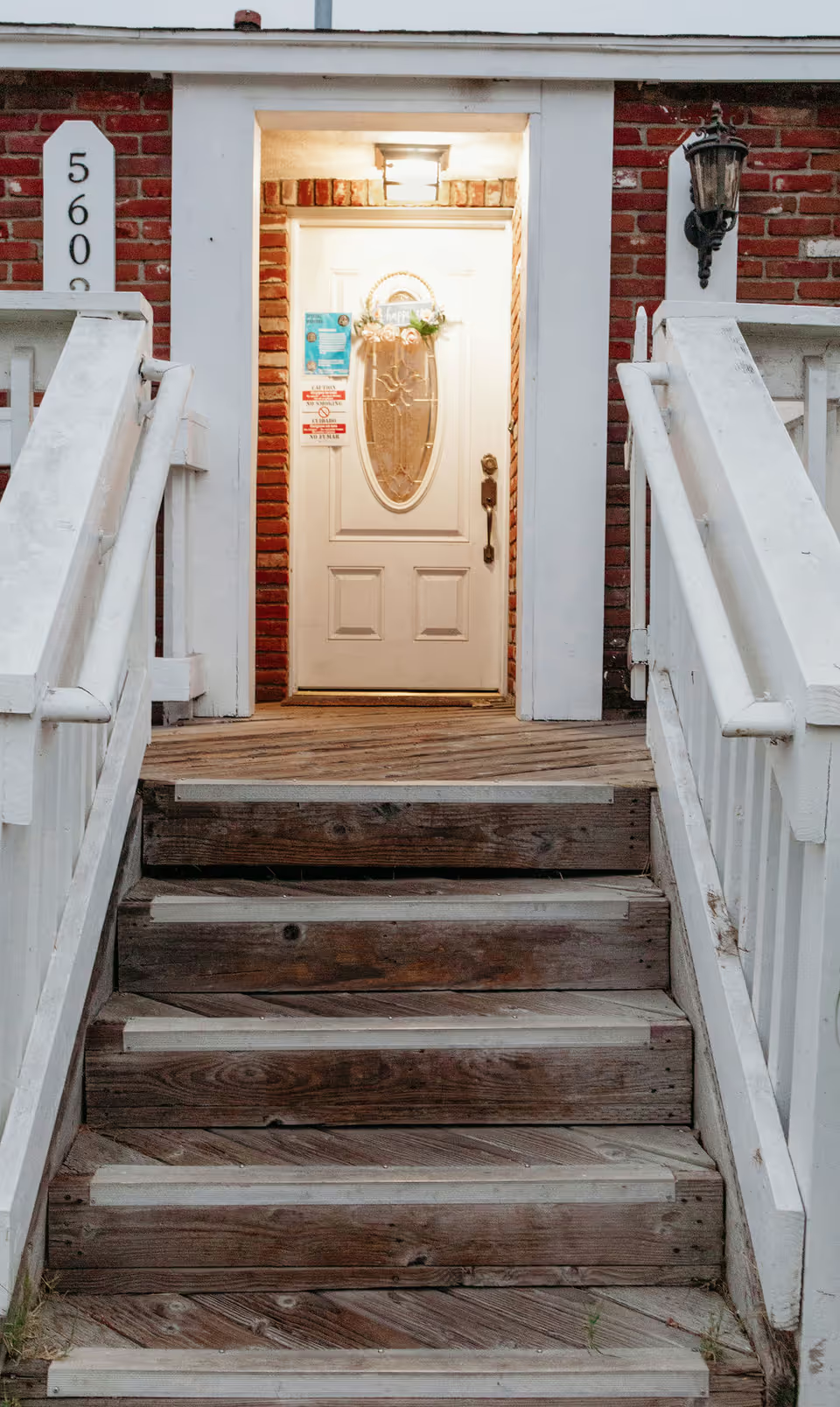
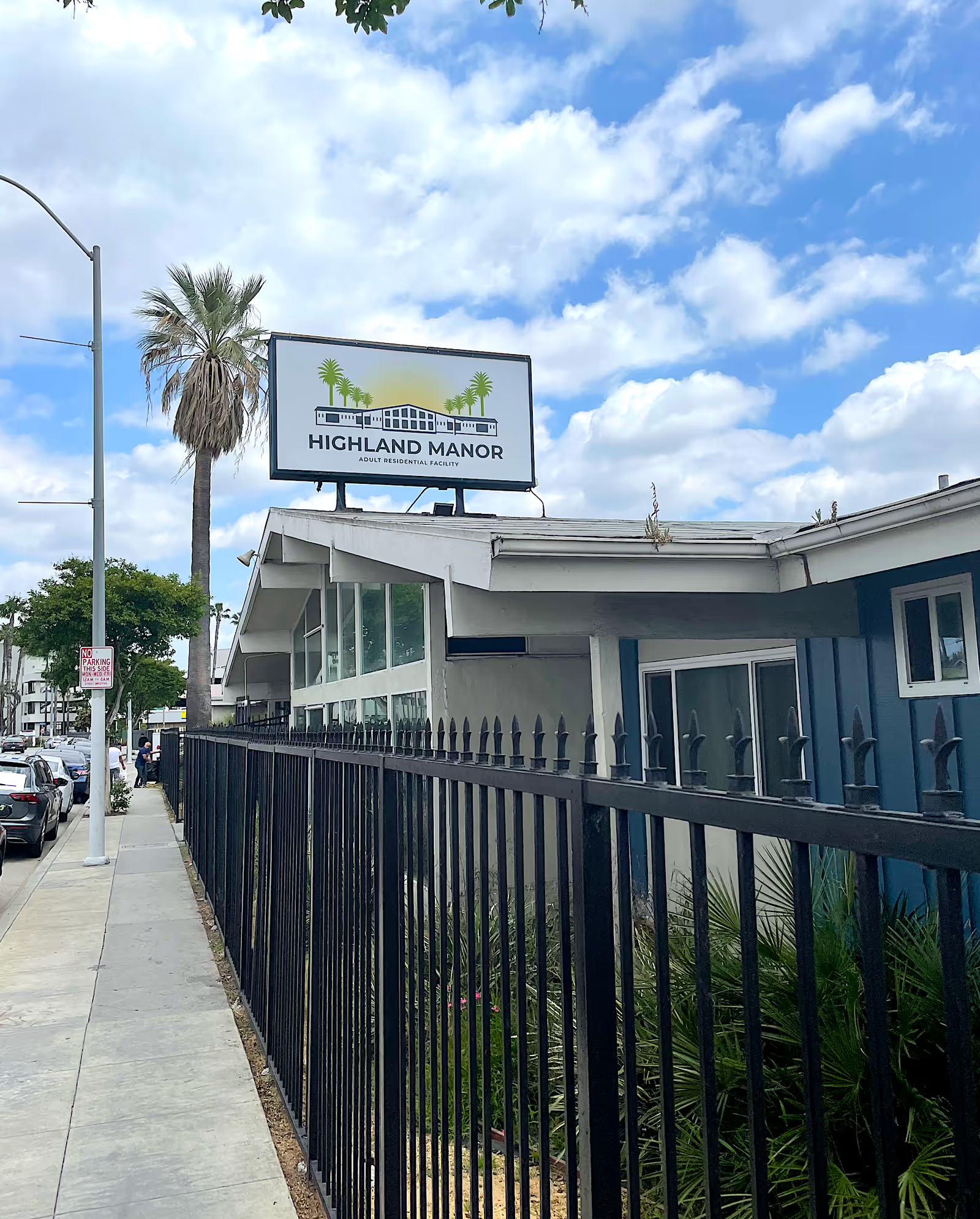
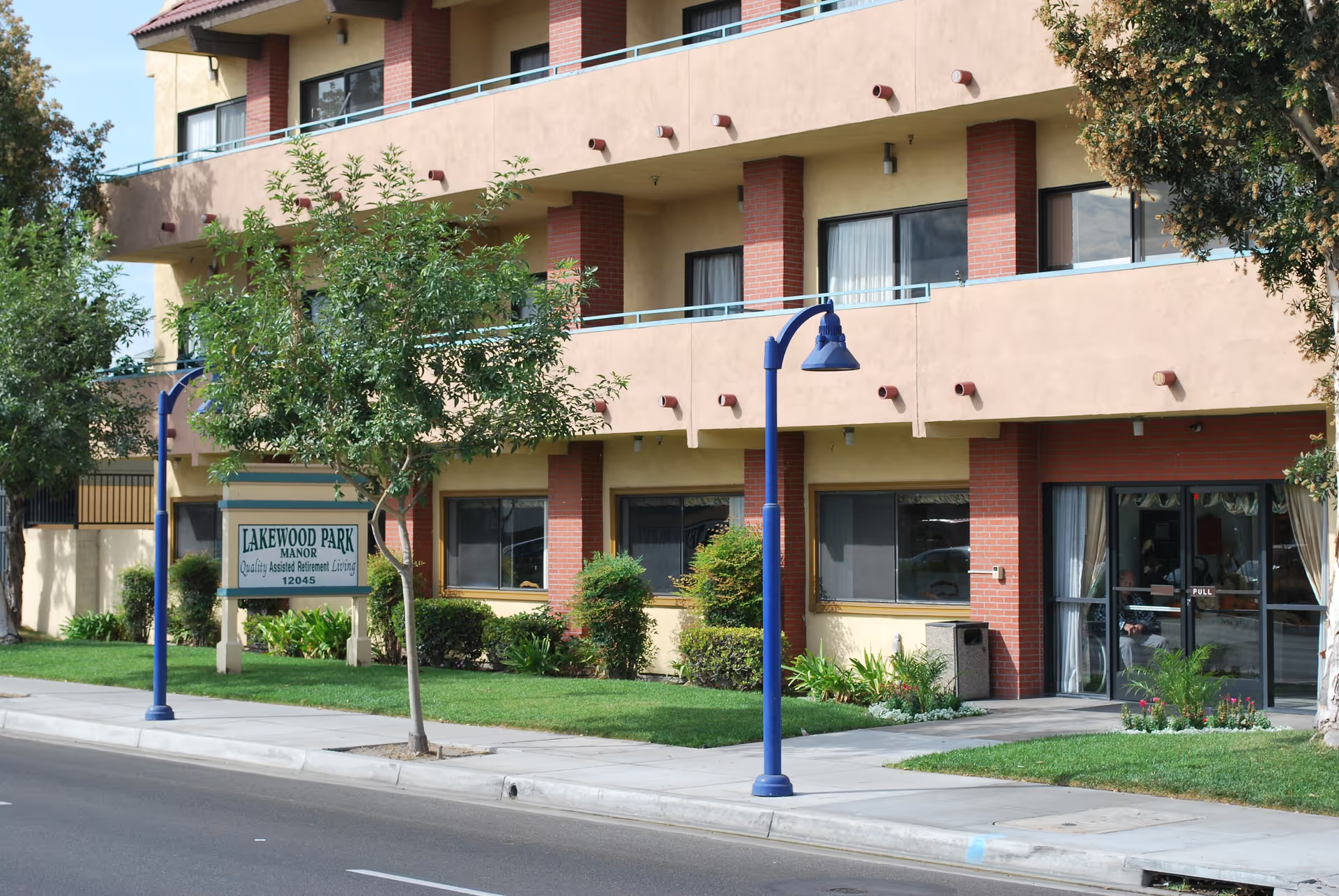
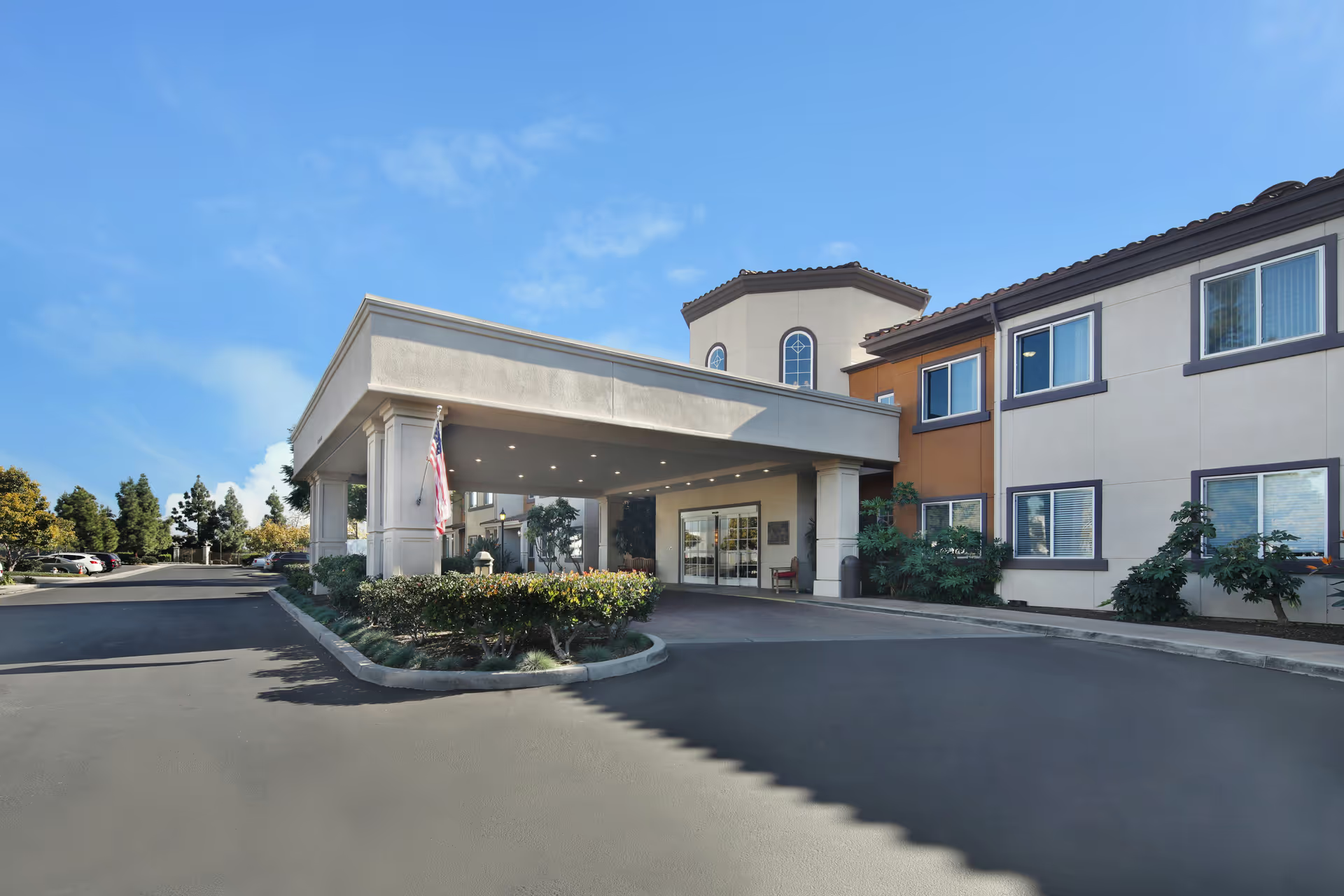
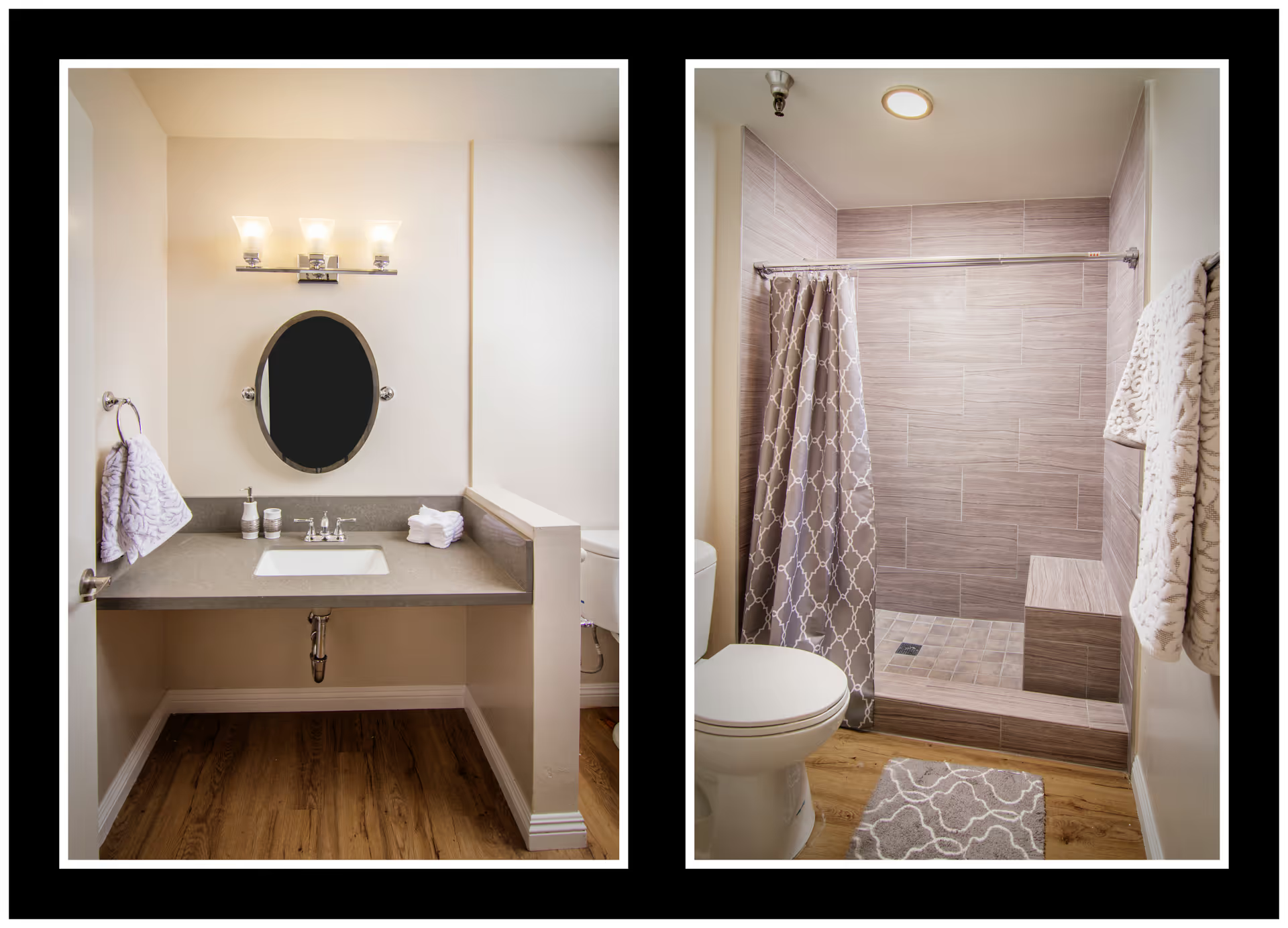
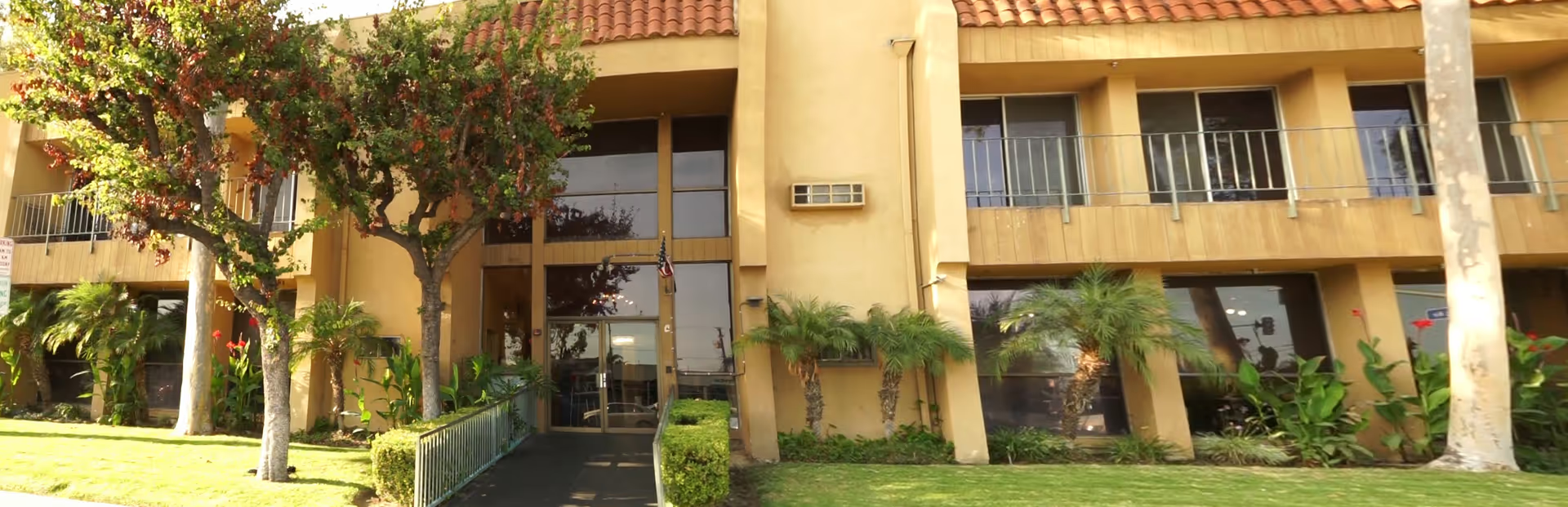
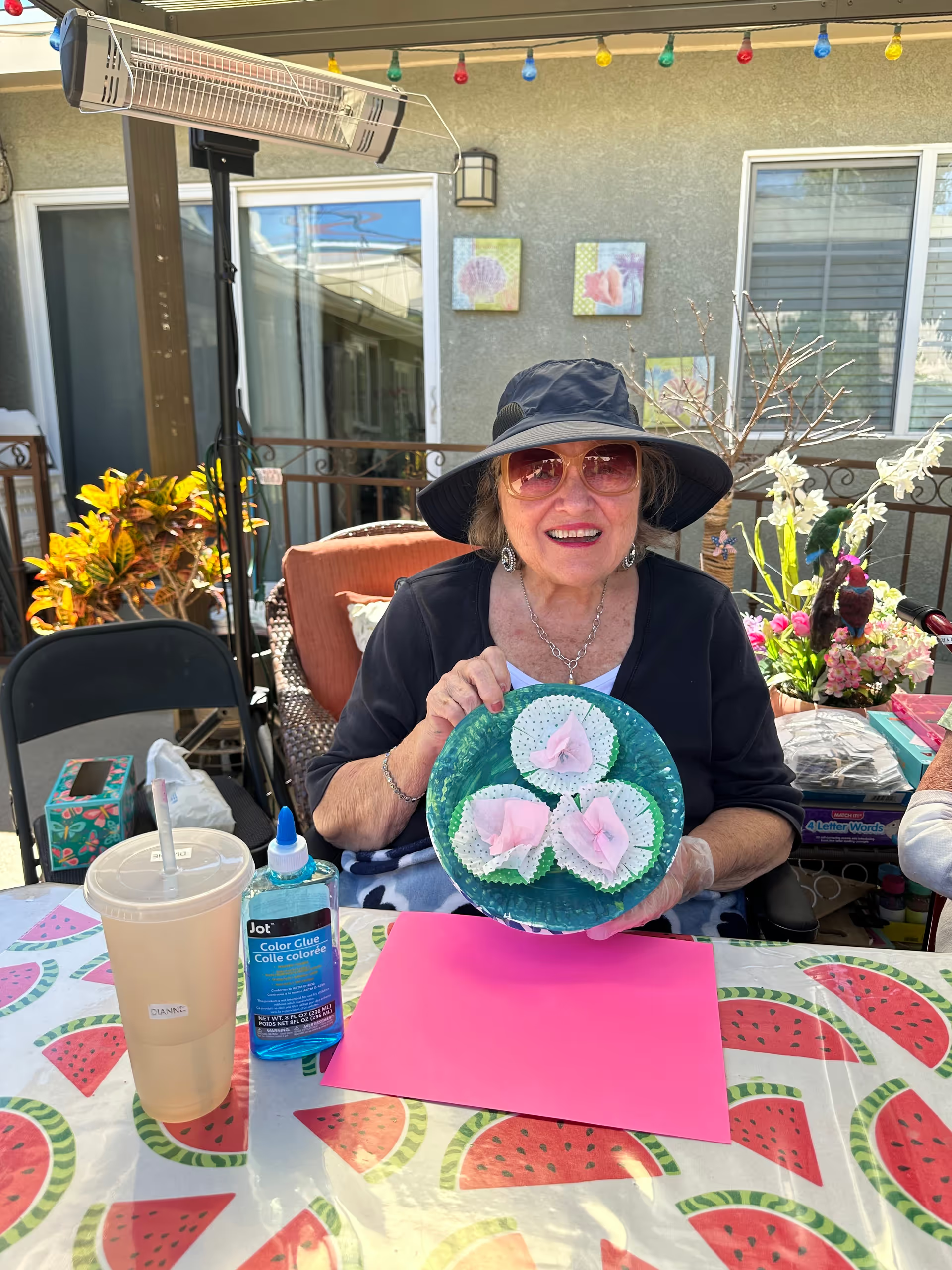
The reviews reflect a facility with clear strengths alongside several recurring operational weaknesses. Positively, many families and visitors describe Meadow Creek Post-Acute as clean, well organized, and welcoming on first contact. Multiple accounts highlight attentive, compassionate CNAs and nurses, effective respiratory and skilled-nursing capabilities, and a strong rehabilitation focus supported by knowledgeable clinical staff. Admissions, social-work, and some director-level staff receive frequent praise for responsiveness and for providing direct follow-up to families. The physical environment — including a garden patio, pleasant common areas, and valet parking — is often described as comfortable and well maintained.
Care quality is mixed. Numerous reviewers praised individual caregivers who delivered timely, compassionate care and successful discharges; however, patterns of concern appear around staffing and clinical oversight. Reviews point to inconsistent staffing levels and task allocation, periods when RNs were perceived as less engaged in direct support of CNAs, and instances of delayed responses to call lights. Medication timing and medication-management processes were described as inconsistent by several families, and some accounts raised issues related to clinical incident response and family communication following adverse events.
Staff performance and professionalism also present a mixed picture. Many staff members are described as personable, hardworking, and family-oriented; specific employees were singled out for exemplary care. At the same time, reviewers noted variability in tone, phone use in clinical areas, and occasional difficulty reaching higher-level staff. These contrasting impressions suggest strengths in frontline caregiving paired with uneven consistency in supervisory practices and staff conduct in shared spaces.
Dining and activities receive generally positive, but not uniform, feedback. The facility offers an engaged activities program with themed months, bingo, card play, and movies; some families found programming meaningful and residents engaged. Dining and nutrition were described as adequate, though menu variety was a common request — several reviewers mentioned repetitive meals and expressed interest in more variety.
Facility condition comments skew positive for cleanliness and maintenance, but some reviews indicate sanitation and odor-control variability in specific areas and suggest that portions of the building or some rooms could benefit from updating. Visitor parking availability and staff vehicle use of visitor spaces are recurring logistical complaints. A few reviewers also raised concerns about asset handling and tracking of personal items.
Management and oversight show both responsiveness and gaps. Admissions, social services, and individual leaders were praised for accessibility and follow-up; however, multiple reviews referred to promises that were not consistently followed through, inconsistent incident communication, and limited transparency after clinical events. A small number of reviewers raised serious concerns following a resident's death and sought records or further review; such accounts underscore the need for robust incident-response protocols, clear family communication, and documentation practices.
Taken together, the pattern suggests a facility with substantial strengths in frontline caregiving, rehabilitation services, and overall cleanliness, but with operational vulnerabilities that include staffing consistency, medication and clinical oversight, family communication, and certain facility-management processes. Prospective residents and families should weigh the consistently noted positive caregiving and clinical strengths against these operational concerns, and consider asking specific questions prior to admission about staffing levels, medication-safety procedures, incident communication policies, pressure-injury prevention protocols, parking arrangements, and menu variety.