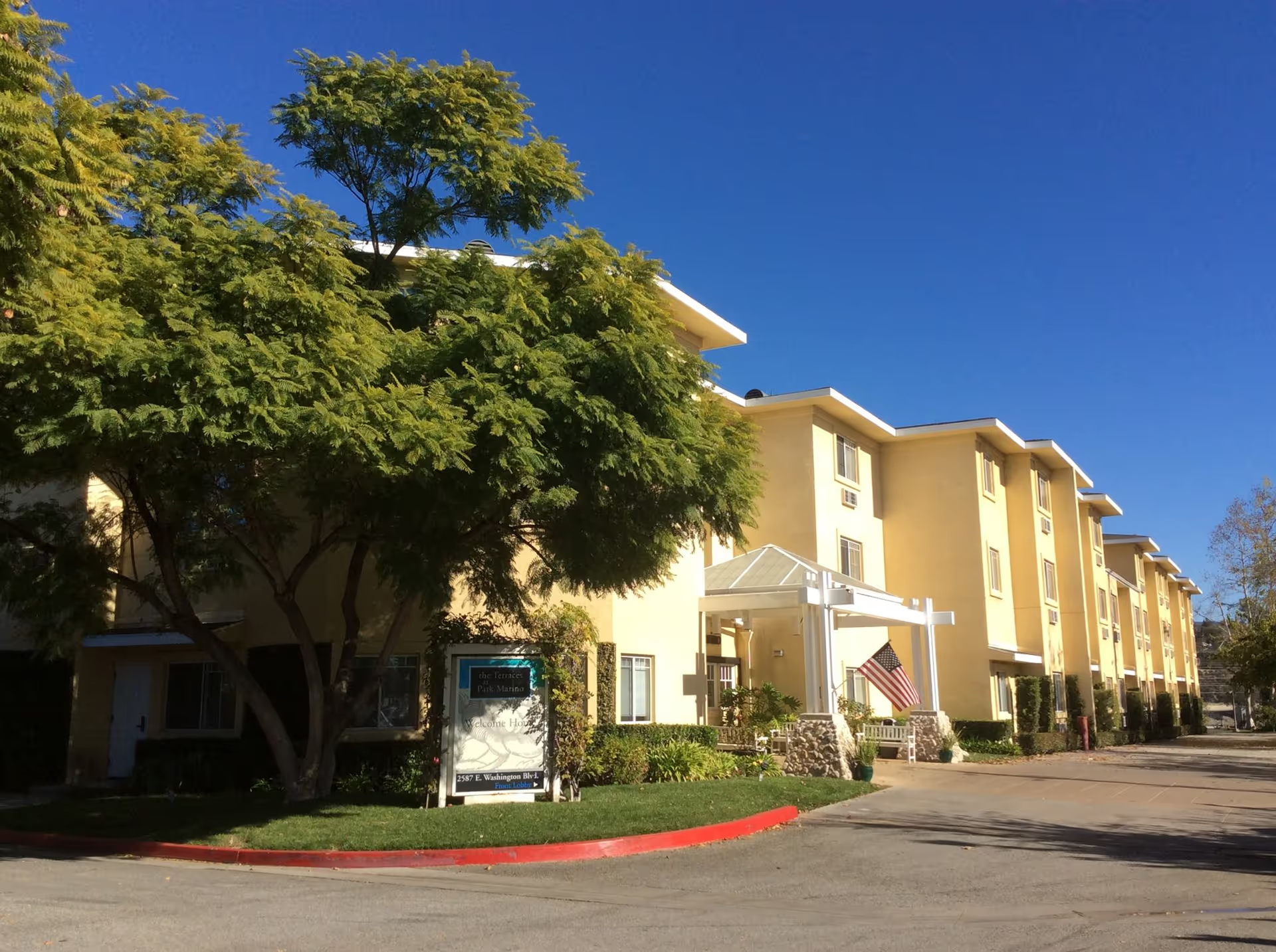
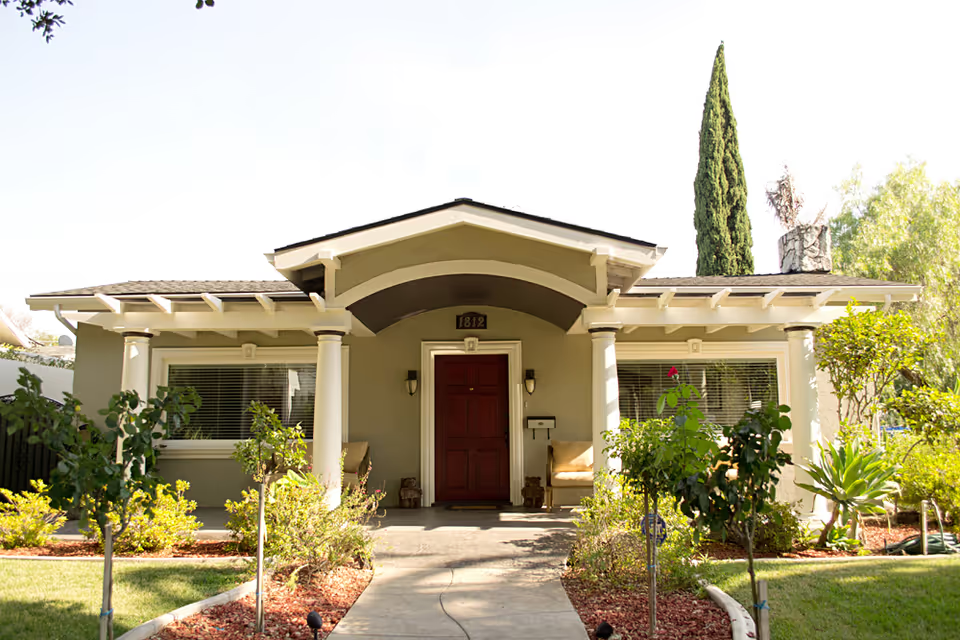
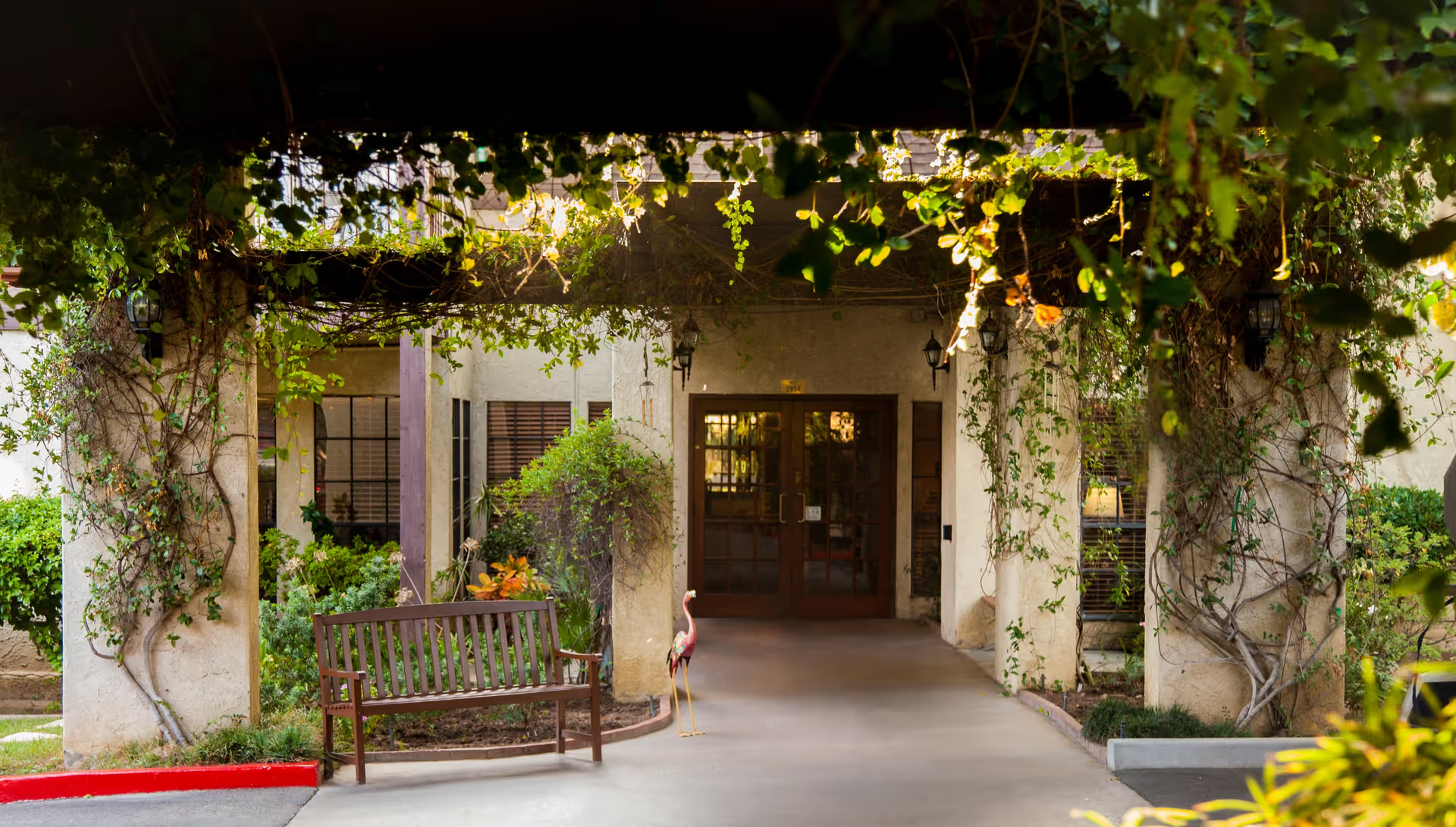
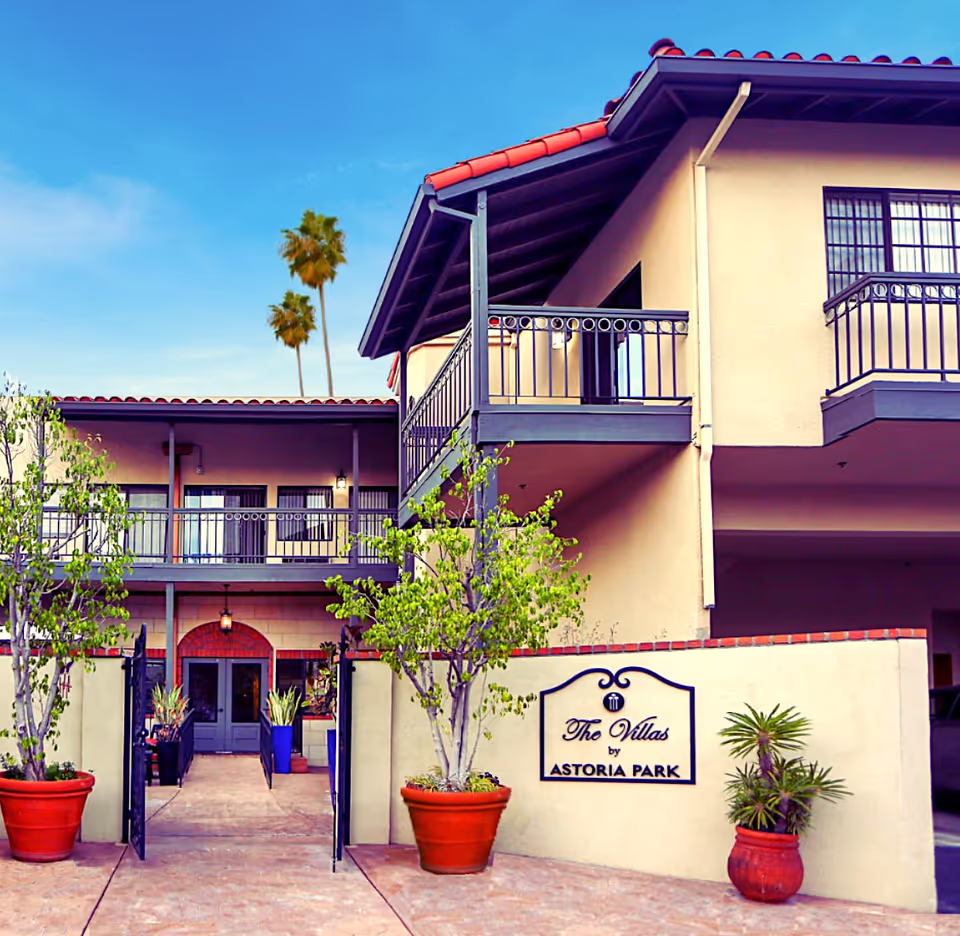
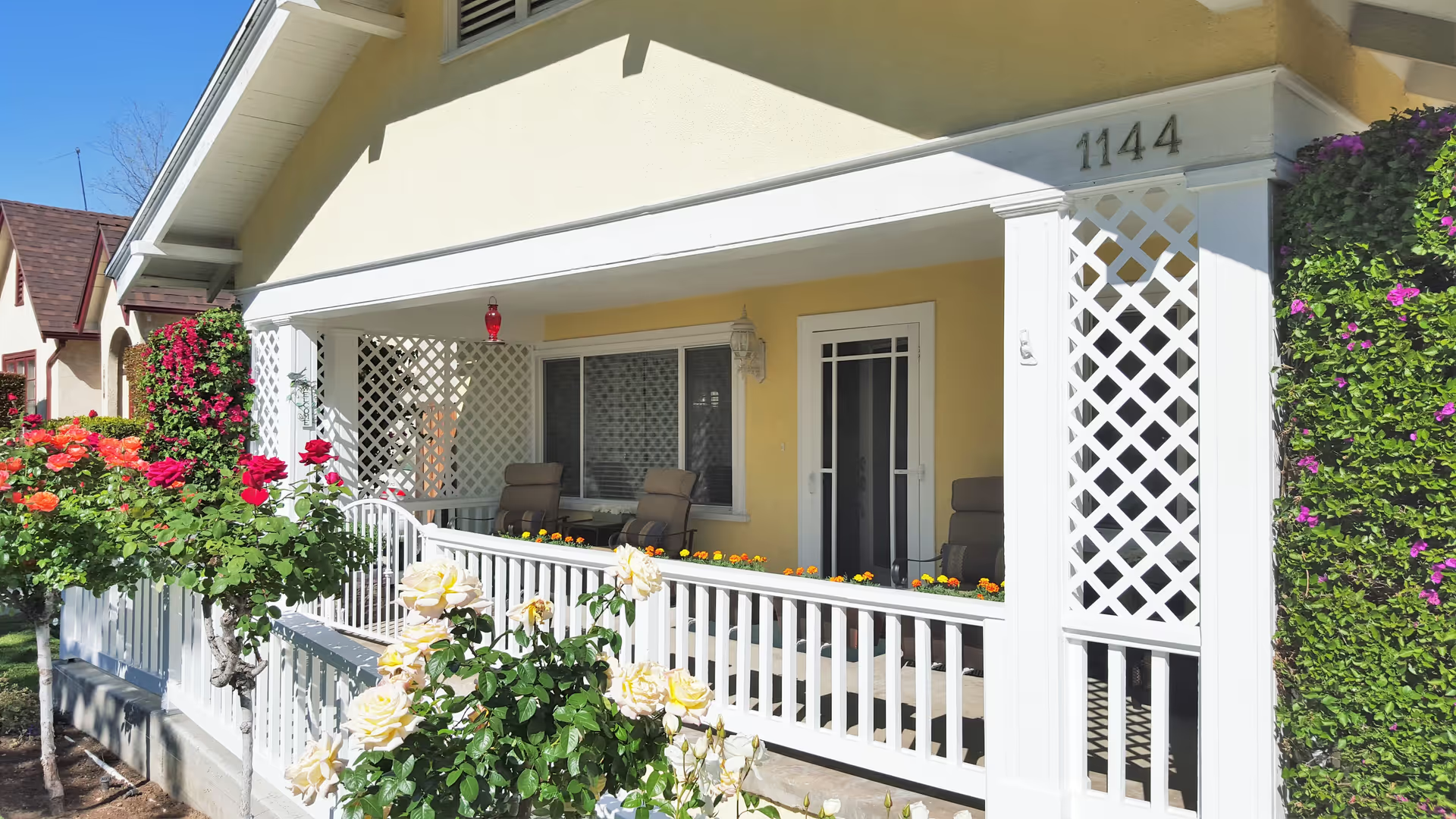
Overall impression: The facility receives frequent praise for clinical care, rehabilitation effectiveness, and a compassionate culture. Many families and residents describe attentive nursing and physician involvement, strong therapy programs that produce observable mobility gains, and administrators who are directly engaged in day-to-day operations and care coordination. The environment is often described as welcoming and home‑like, with attractive outdoor areas, accessible seating, and a focus on resident safety and dignity.
Care quality and clinical oversight: Reviews commonly highlight knowledgeable nurses, immediate physician response when needed, and effective rehabilitation delivered by skilled physical and occupational therapists. Several accounts describe measurable functional improvements (for example, increased walking distance and stair negotiation) and positive transitional planning that helped residents return home. At the same time, there is a pattern of variability: while many reviewers report exemplary, personalized care, a subset describe serious individual care concerns that indicate inconsistent practice in certain shifts or units.
Staff and communication: Strengths include a warm, supportive staff culture, multicultural team members, and staff who advocate for residents' needs. Leadership and front‑line coordination are frequently noted as strong points, with administrators and care coordinators managing appointments and communicating with families. However, language and communication barriers and intermittent lapses in staff responsiveness are recurring issues; these manifest as abrupt or tone‑related concerns, delayed assistance with activities of daily living, and occasional gaps in paperwork or bedside communication.
Dining and activities: The dining program is generally viewed positively for variety and dietary accommodations, with several mentions of tasty entrees and desserts. Organized daily activities, including faith‑based programs and social opportunities, contribute to a nurturing atmosphere and resident engagement. Again, perceptions of dining quality and program delivery are not uniform — some reviews praise meals and social life strongly, while a few describe dissatisfaction with food quality.
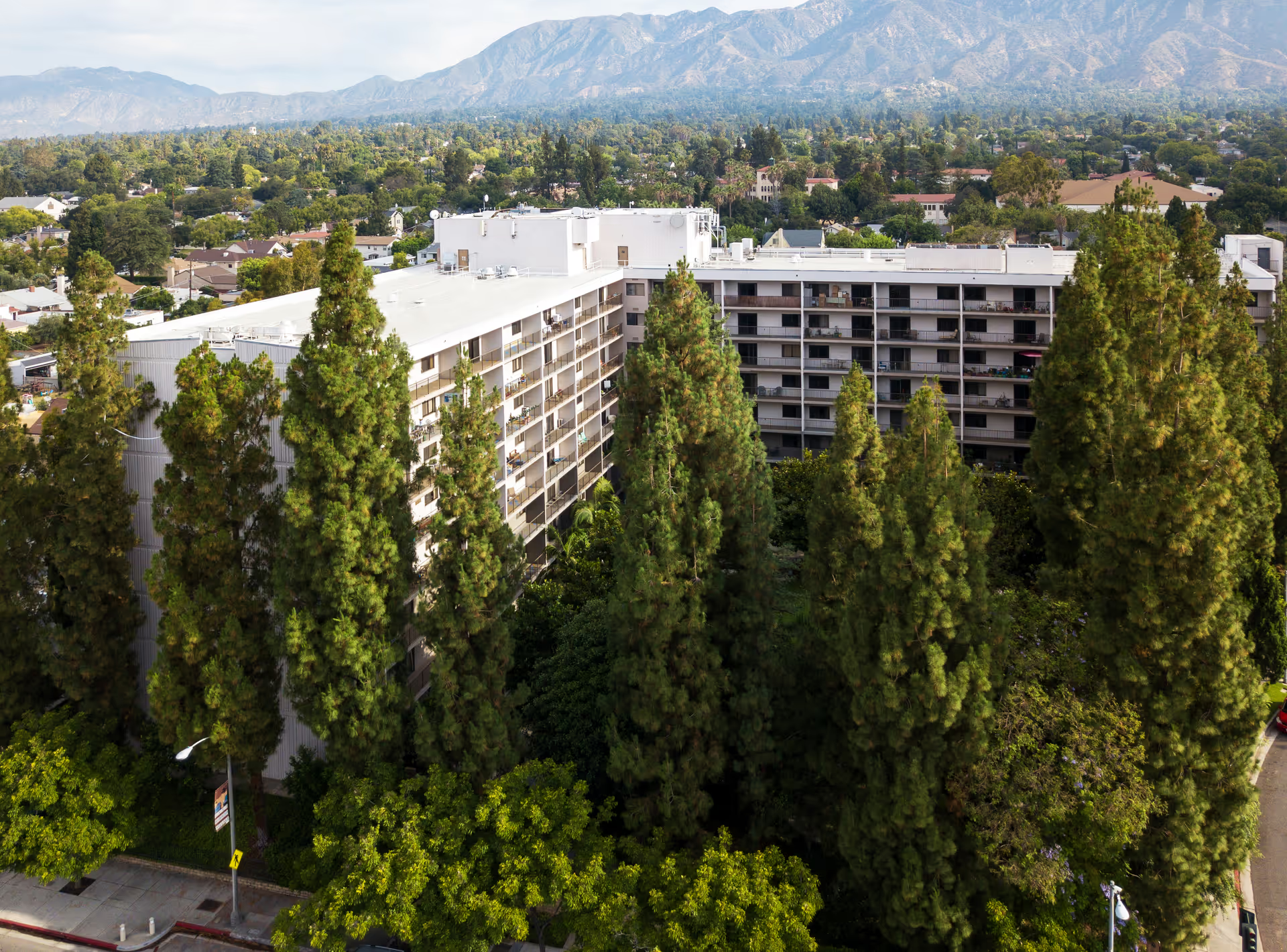
Facilities and environment: Many reviewers emphasize a clean, well‑maintained campus with pleasant views and outdoor features that support a calming, restorative atmosphere. Conversely, there are reports that certain rooms and areas show signs of aging and would benefit from renovation; sanitation and housekeeping quality appear to vary by unit or time period. There are also isolated operational vulnerabilities cited, such as disrupted services after a major incident, underscoring the importance of assessing current facility condition during a visit.
Operational weaknesses and risk areas: The most consistent operational concerns are variability in staff conduct and responsiveness, intermittent lapses in feeding and toileting assistance protocols, communication and paperwork coordination gaps, and weaknesses in personal‑property management. These traits point to uneven execution of policies rather than universal, systemic failure; they suggest that outcomes may depend heavily on specific staff working a given shift and on administrative follow‑through for property and documentation controls.
Recommendation for families: The collective reviews indicate a facility capable of high‑quality, person‑centered rehabilitation and nursing care with strong leadership and many compassionate staff members. Prospective residents and families should schedule an in‑person visit, observe multiple shifts if possible, ask about staffing ratios and language support, review recent inspection or incident follow‑up documentation, and discuss property‑management and toileting/feeding protocols. These steps will help determine whether the facility’s strengths align with a particular resident’s needs and whether the identified variability areas have been addressed.