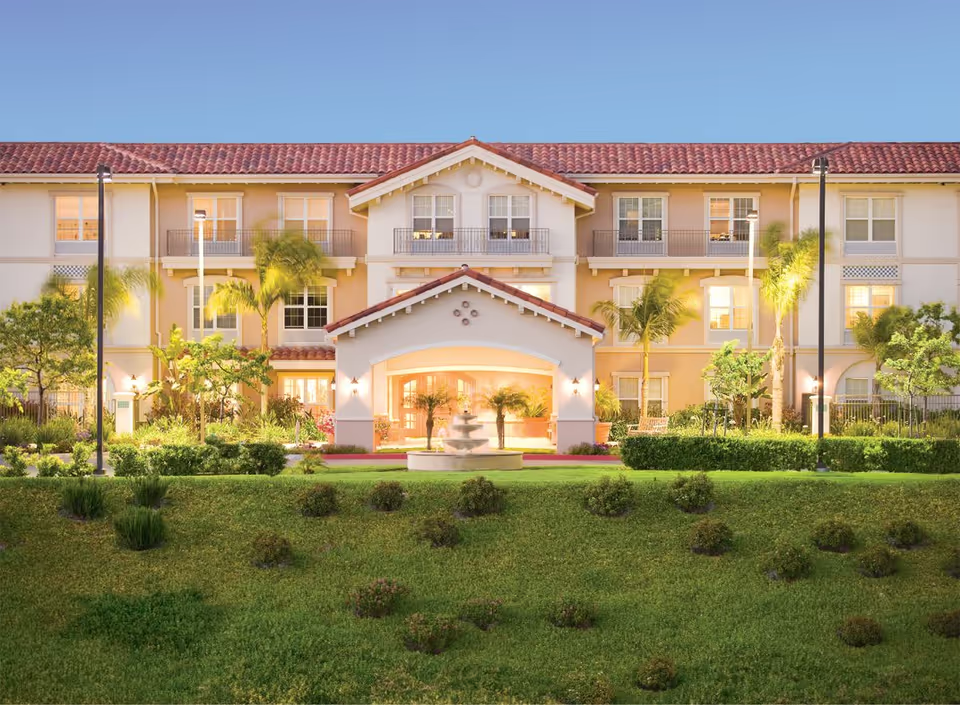
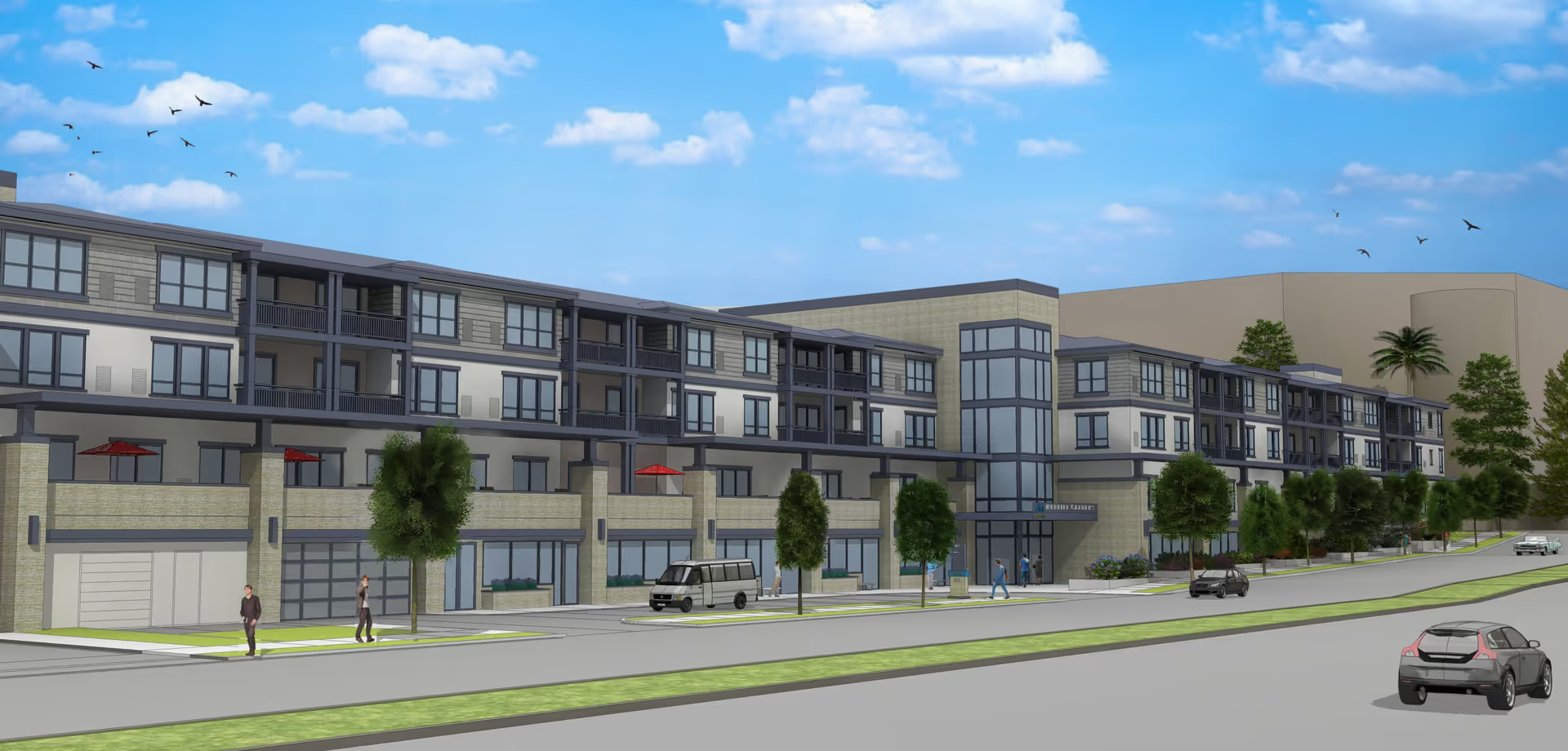
The Canterbury presents as a well-equipped, scenic independent-living community with a substantial set of amenities and generally strong interpersonal care. Many comments emphasize a clean, attractive physical environment, newly updated rooms, a variety of apartment sizes (including kitchens), and accessible on-site services such as rehabilitation. The location and parking are consistently viewed as convenient, and the facility offers a broad program of activities and common spaces (library, music room, exercise room, meeting and dining areas).
Care and staffing perceptions are mixed but lean positive in the hands-on experience. Multiple accounts highlight compassionate, attentive caregivers and the presence of 24-hour nursing and full-service rehab capabilities. At the same time, there are contrasting impressions about clinical consistency: some families expressed concerns about the consistency of nursing skill mix and responsiveness. There are also isolated but notable concerns about staff conduct and communication tone that suggest variability in staff–family interactions.
Dining and activities are frequently cited as strengths. Reviewers praised meal quality and the availability of cafeteria dinners, though a few residents disliked specific meal-plan arrangements. The community appears to support an active social calendar and engaging programming; however, a subset of comments indicates access to activities can feel restricted for certain residents, which points to uneven implementation rather than a lack of offerings.
Facilities and design generally receive positive remarks for maintenance and aesthetics, including attractive views and modernized rooms. Practical layout items drew criticism: the lobby is described as small with limited visitor seating, and the pool is characterized as narrow, indicating that some common-area designs may not meet all resident or visitor expectations. Housekeeping and cleanliness are mostly satisfactory but there are mentions of inconsistent service in some areas.
Management and operational patterns are where the strongest concerns cluster. Reviewers describe disorganized administrative and billing processes, financial privacy questions, and a perception that costs are high relative to perceived value. Several families also noted limited mechanisms for family engagement and support, and the facility does not appear to provide a dedicated memory/dementia-care program. Prospective residents and families should balance the community’s clear strengths in physical plant, amenities, and individual caregiver compassion against these operational issues: tour with specific questions about clinical staffing consistency, billing/privacy practices, activity access policies, and how the community supports families and residents with memory-care needs.