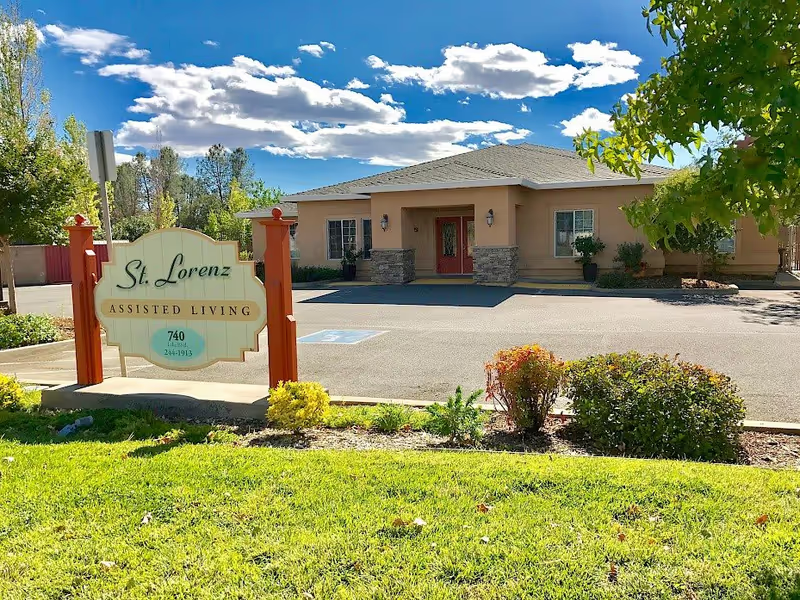
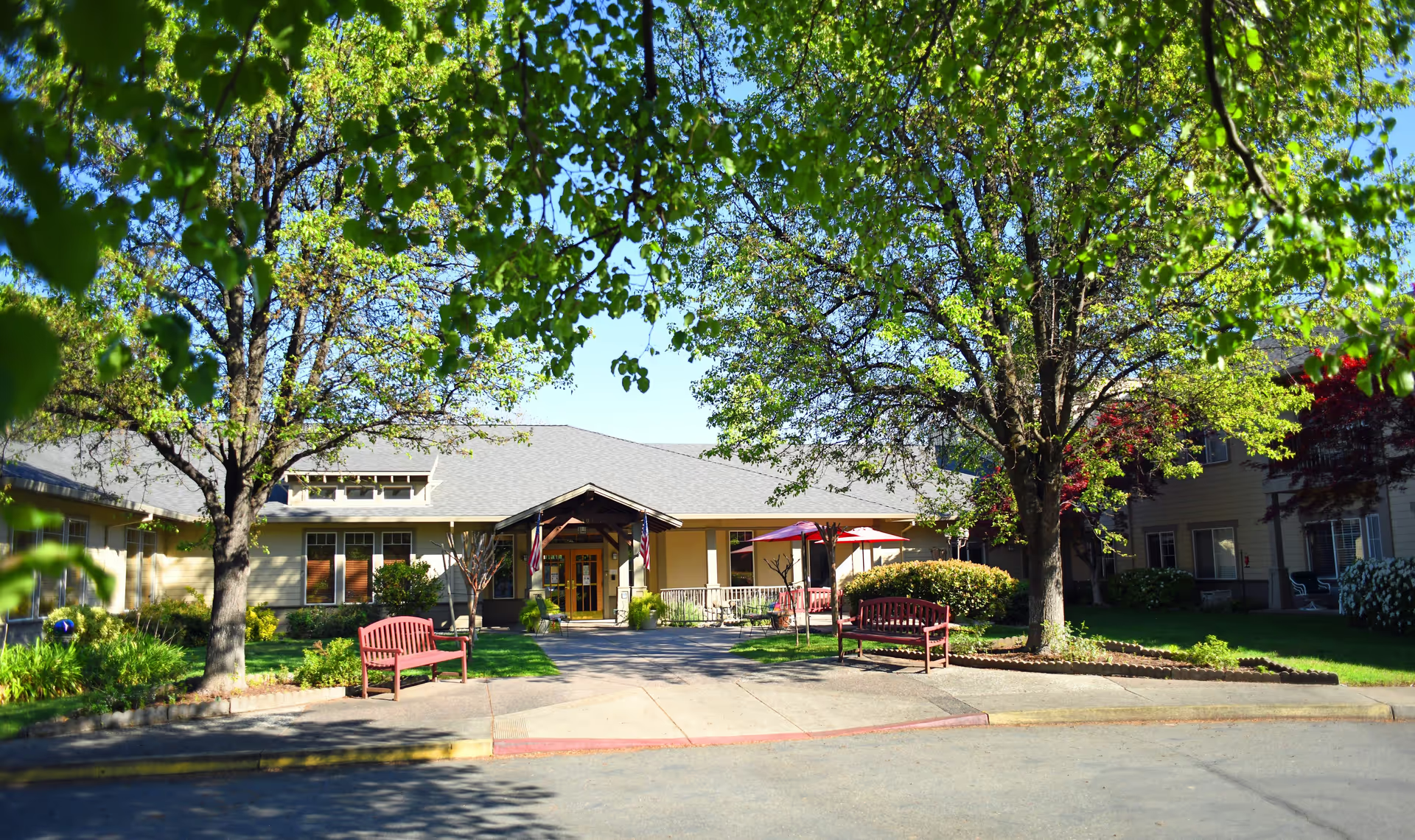
The review set reflects a facility with mixed outcomes: while a few families describe satisfactory or beneficial outcomes for specific residents and note accessible owners and opportunities to observe care procedures, there are recurring operational concerns that prospective families should evaluate closely. Positive comments center on instances of appropriate, effective care and administrative responsiveness (for example, issuance of partial refunds and owner meetings). At the same time, multiple reviewers raised substantive issues about day-to-day operations and safety practices.
Care and staff: Reviews frequently highlight inconsistent responsiveness from caregivers, including delays in providing assistance and inattentive conduct during routine care tasks. These accounts suggest gaps in staff training, supervision, or staffing levels that affect timeliness and attentiveness. There are also reports that raise concerns about transfer-related processes and post-transfer monitoring; such reports indicate a need to review the facility's transfer protocols, handoffs, and observation practices after transitions. Families should seek concrete information on staffing ratios, training programs, and incident-response procedures when evaluating care quality.
Facilities, medications, dining, and activities: Observations point to facility-level safety and medication-management concerns, specifically referencing inadequate medication storage and security controls. While reviewers did not provide consistent commentary about dining quality or the breadth of structured activities, the absence of substantive feedback in those areas means prospective families should request menu samples, activity schedules, and visit during typical mealtimes and programming periods. There are also mentions of general safety and maintenance issues that warrant an on-site review focused on environmental safety and infection-control practices.
Management, admissions, and finances: Several reviewers described problems in admissions coordination and tour availability, including miscommunications about scheduled tours and admissions steps. Financial concerns were prominent in the feedback: reviewers described billing disputes and a perceived emphasis on revenue over individualized care; allegations of financial misconduct were raised by at least one reviewer and should be explored through documentation and references. On the positive side, some families noted that owners were available to meet and that management issued partial refunds in specific cases, indicating a level of administrative engagement.
Notable patterns and recommendations: The overall pattern is one of uneven execution — some residents receive appropriate care and families have constructive interactions with ownership, while others experienced delays, communication breakdowns, and procedural deficiencies. Prospective residents and families should request specific policies and verification: staffing ratios and training records, written medication-storage and administration protocols, transfer and incident-response procedures, recent inspection or licensing documentation, and references from current families. An on-site visit that includes observation of staff-resident interactions, mealtime service, medication storage areas, and the admission/tour process will be important to assess whether operational practices meet your expectations.