Overall, the reviews portray a facility with several clear clinical strengths and a number of operational inconsistencies. Clinical rehabilitation services — particularly physical and occupational therapy — are a recurring strength: reviewers frequently credit therapy staff with fast, measurable recovery and tailored programming that helped residents return home. Nursing and direct care staff are commonly described as compassionate, personable, and attentive; families note individualized attention, empathy, and warm interactions that supported resident morale and self‑esteem. Leadership visibility and an accessible director of nursing are also mentioned positively, and social‑services staff are described as knowledgeable and helpful in care coordination.
At the same time, a pattern of operational weaknesses emerges. Response to nurse‑call devices is inconsistent: some families describe rapid assistance while others report delays or unanswered calls. Sanitation and laundry handling appear uneven across stays, with a subset of reports describing bedding or room cleanliness concerns and lost clothing. Infection‑control practices are another area of variability; inconsistent mask use and limited advance communication about exposure events were raised as safety concerns by some families. Staffing shortages or workload pressures are cited as contributing factors to inattentive moments and slower service at times.
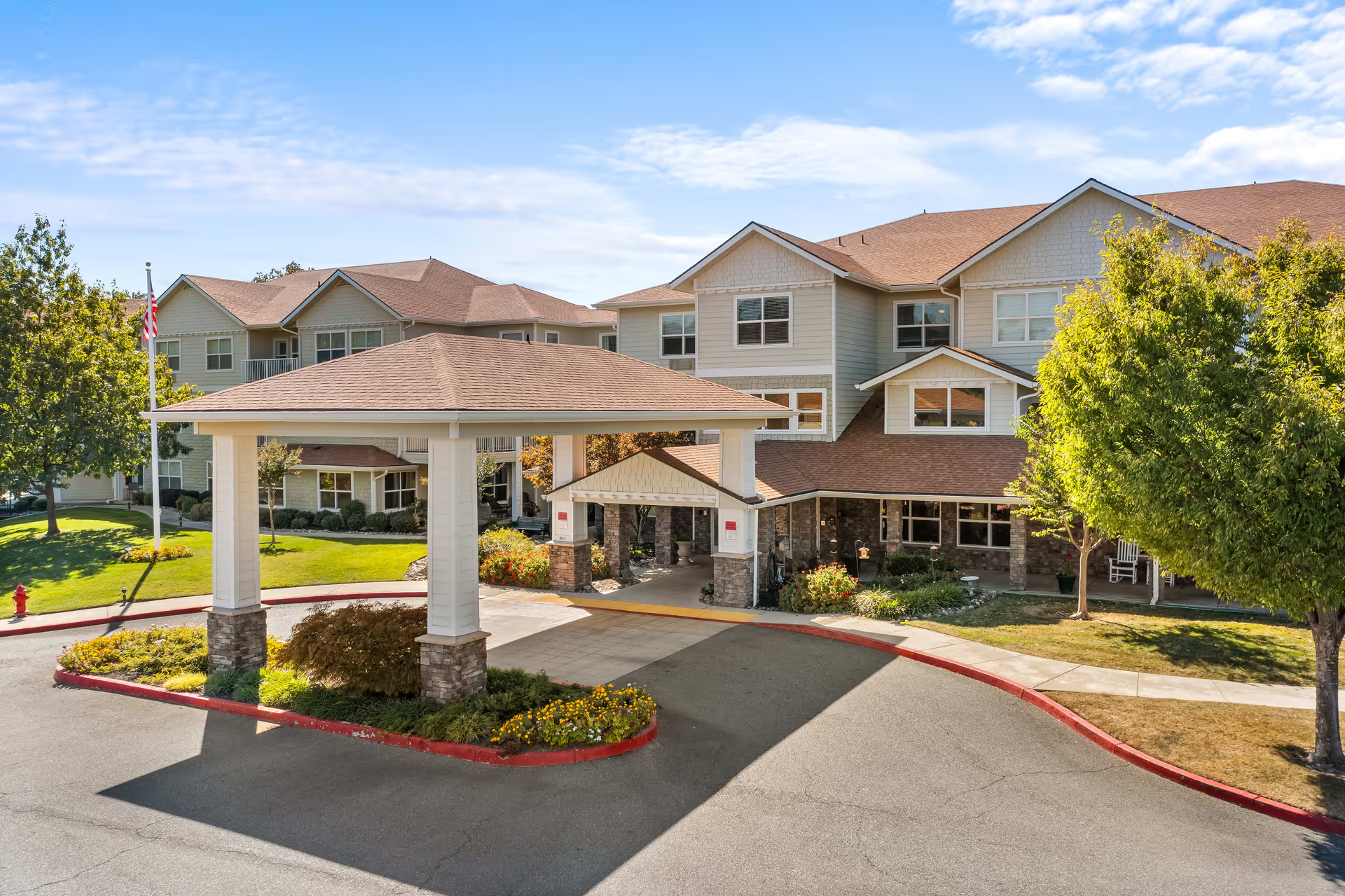
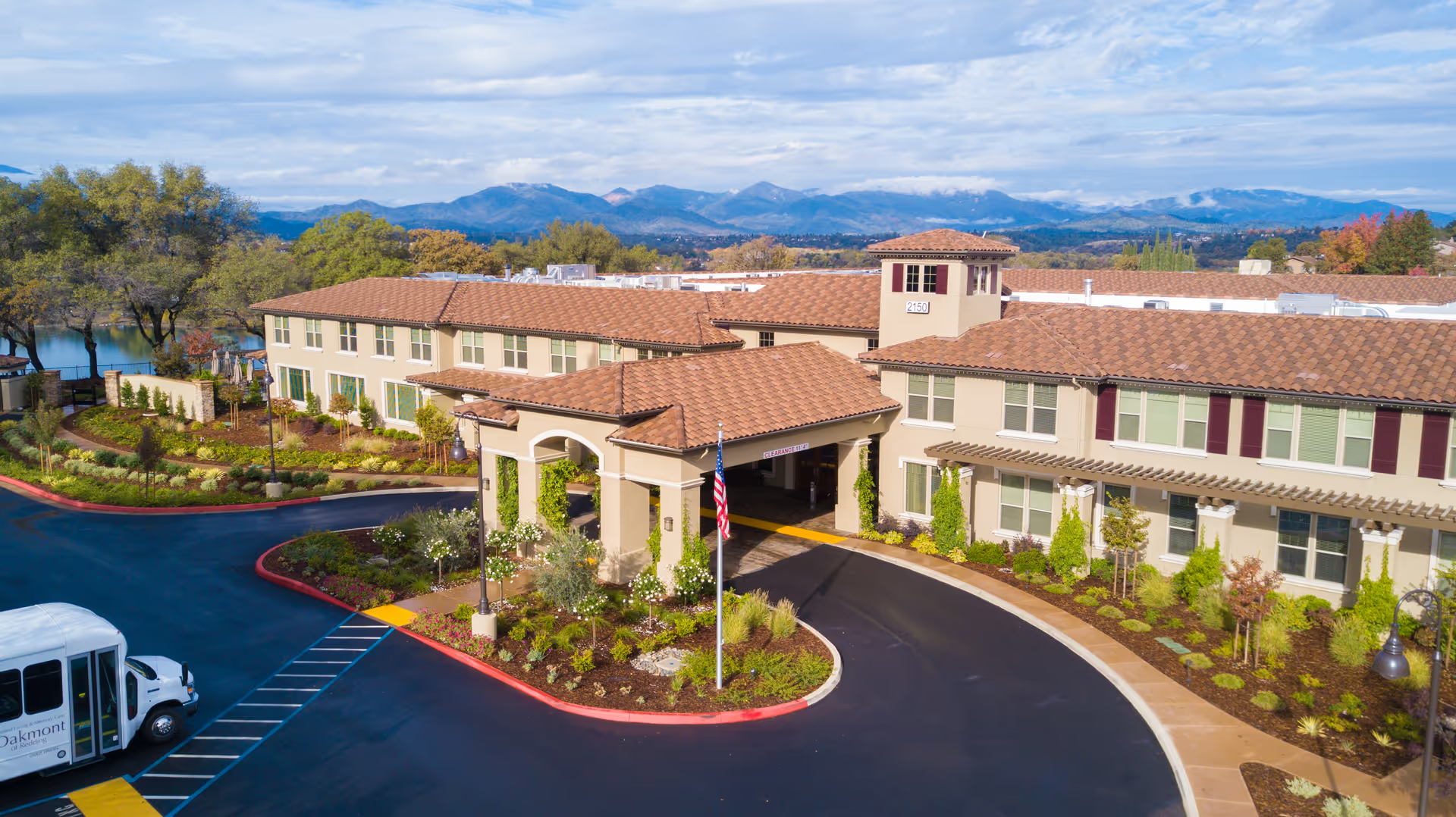
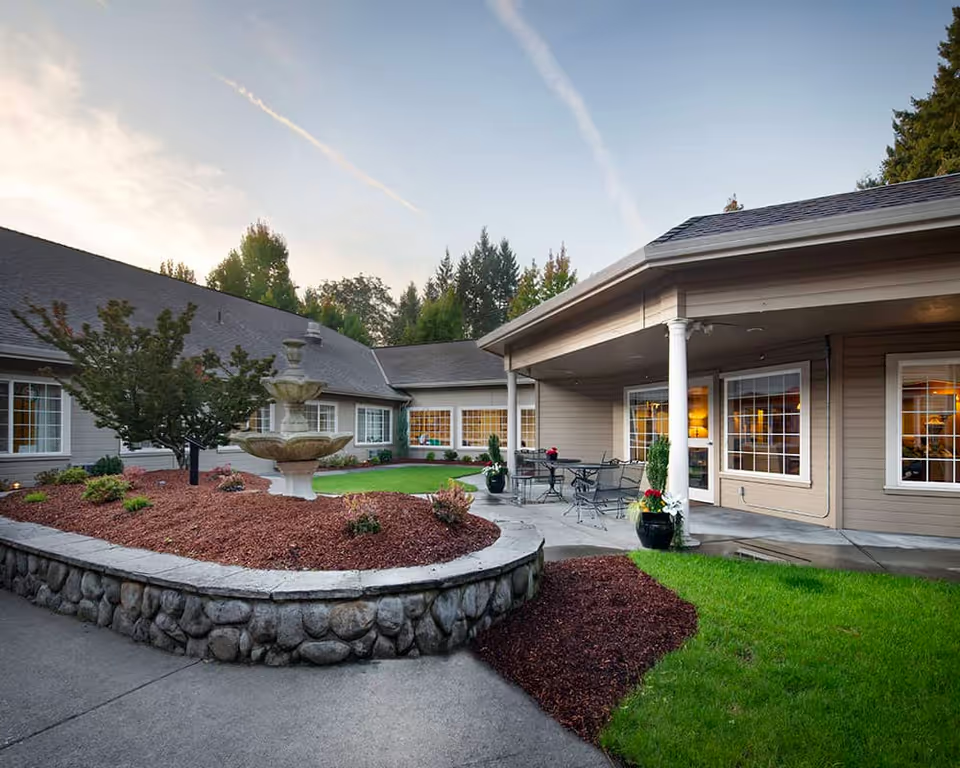
Dining and nutrition are a frequent source of dissatisfaction. Common themes include repetitive menus, limited variety, perceived lack of a posted menu, and slow dietitian communication when accommodations are requested. Reviewers acknowledge staff efforts to address dietary concerns, but overall meal quality and menu planning appear inconsistent relative to other aspects of care. Facility amenities receive mixed comments: many reviewers praise clean, well‑lit common spaces and an attractive open courtyard, while some indicate bathrooms and a portion of resident rooms would benefit from renovation.
There are a minority of serious allegations that reviewers raised about medication administration and documentation accuracy, including claims pertaining to charting practices. Those comments are significant and warrant independent verification with the facility and, if appropriate, regulatory bodies. Conversely, many families emphasize positive operational elements such as efficient transport for appointments, supportive activities, and a welcoming culture among front‑line staff.
In short, Quartz Hill Post Acute is characterized by strong rehabilitation services, compassionate caregivers, and visible leadership, balanced against periodic operational shortcomings — chiefly inconsistent responsiveness, menu variety and dietary communication challenges, sanitation and laundry variability, and concerns about infection‑control and medication/documentation processes. Prospective residents and families should weigh the facility’s rehabilitation and relational strengths against these operational areas, and consider asking administrators for specifics about call‑response metrics, infection‑control policies, dietician turnaround times, laundry procedures, and any regulatory history before admission.