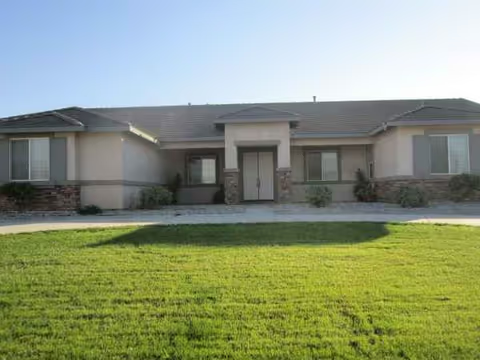
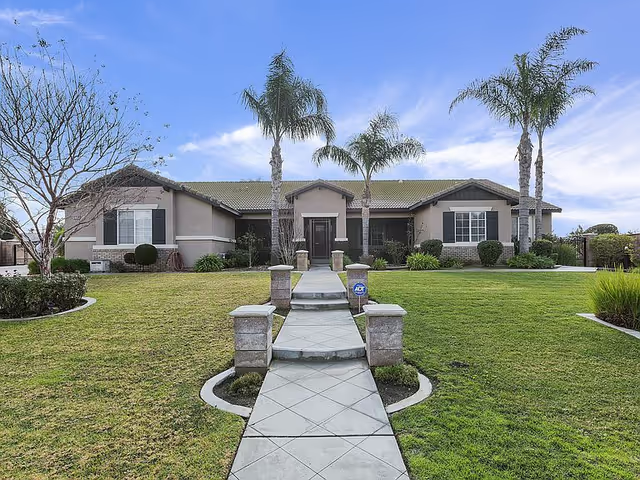
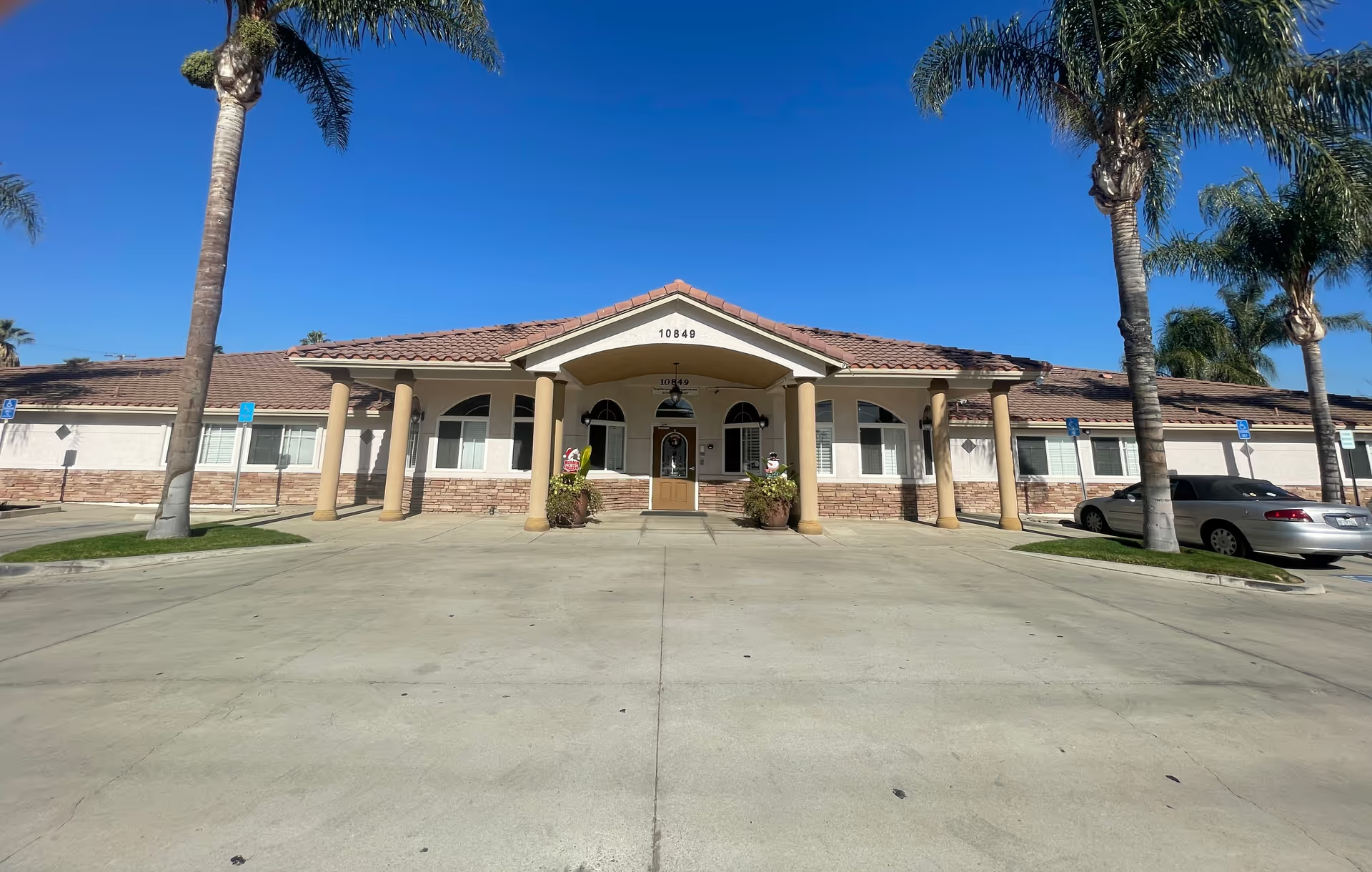
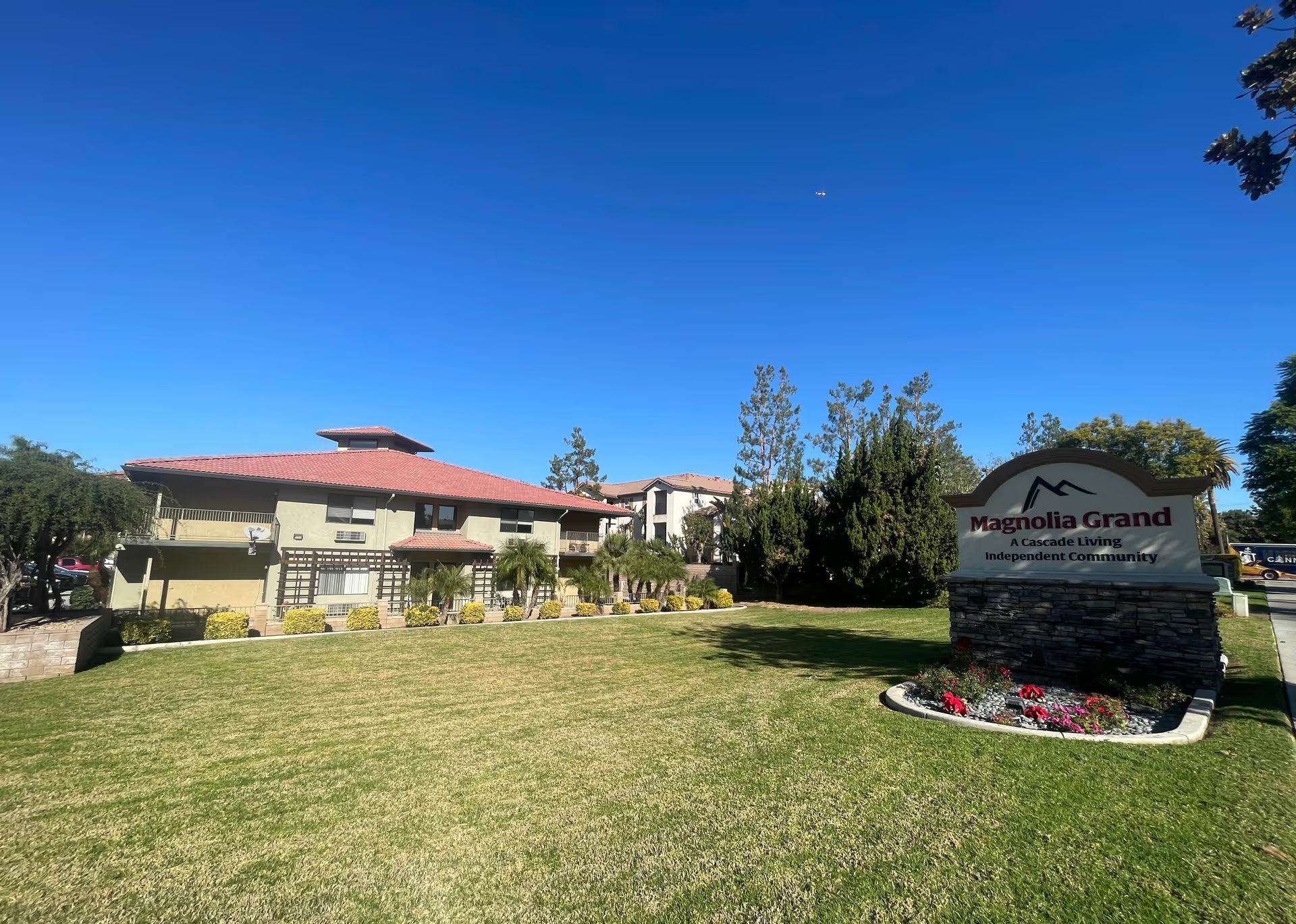
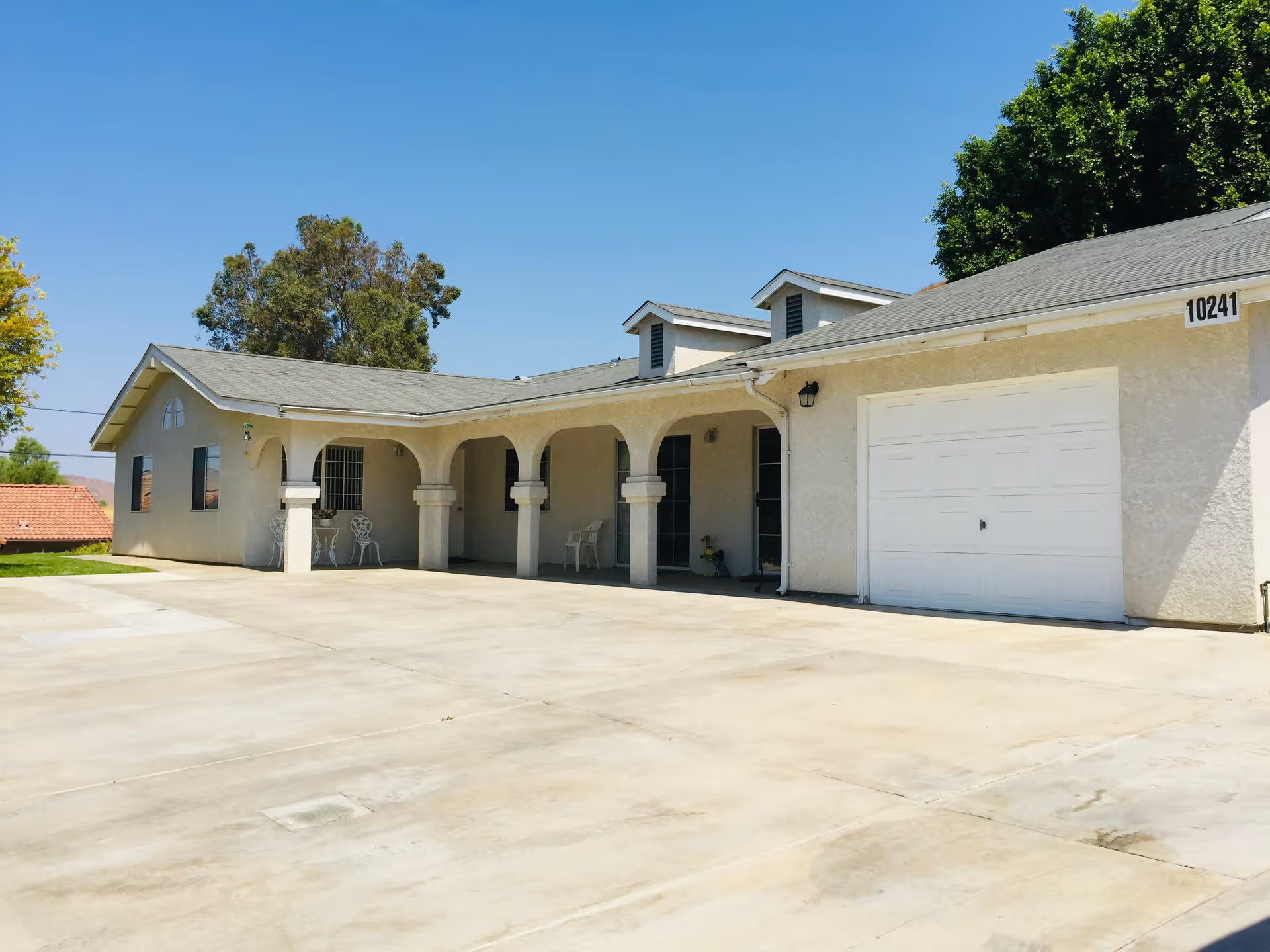
Sleepy Hollow Elderly Home Cr presents a mixed but instructive profile. Several indicators suggest a well-regulated, resident-centered operation: the facility is licensed, maintains safety and regulatory compliance, conducts background checks, and reports trained caregivers on site. Physical spaces are described as clean, comfortable, and home-like, and reviewers frequently highlight a warm atmosphere that supports dignity. Management involvement and owner responsiveness are cited as active contributors to recent service improvements.
Care quality appears to be broadly competent, with many accounts of compassionate, respectful staff-resident interactions and availability of 24-hour assistance. The presence of trained, background-checked caregivers and expressed family satisfaction are positive signals for clinical oversight and everyday assistance. That said, there is a notable pattern of variability: while some accounts describe exceptional, attentive care, other reports indicate poor staff performance or the occasional substitution of non-staff persons in caregiving roles. These contrasting accounts point to inconsistent staffing reliability and gaps in oversight rather than an across-the-board standard of performance.
Dining operations are generally adequate; reviewers mention three daily meals and the facility’s practice of maintaining extra emergency food supplies. However, concerns about insufficient stocked food in at least some instances suggest weaknesses in inventory control or supply-chain management that could affect meal continuity. Activities were not a prominent feature of the available summaries; prospective families should ask about organized programming, social opportunities, and schedules during a visit if that is a priority.
Facilities and safety receive positive mention for cleanliness and a home-like setting. At the same time, reports of strangers onsite and the inferred access-control issues indicate potential security and visitor-management gaps. Management is described as newer and as having improved services in some accounts, which is encouraging; nonetheless, the operational inconsistencies—staffing continuity, occasional use of non-staff caregivers, inventory management, and access control—suggest areas where enforcement of policies and supervisory oversight could be strengthened.
For prospective residents and families, the pattern suggests a facility with solid foundational elements (licensing, training, owner engagement, and a comfortable environment) but with variability in day-to-day execution. Useful follow-up questions at a tour or meeting would include: staff-to-resident ratios and typical shift schedules, protocols for using temporary or non-staff caregivers, inventory and meal-contingency procedures, visitor and access-control policies, and examples of recent quality-improvement steps taken by management. These targeted inquiries can help clarify whether the facility’s positive features are consistently delivered in practice.