Overall impression: Hospitality House is frequently described as a small, community-oriented assisted living and memory-care provider with a number of operational strengths alongside recurring operational weaknesses. Families and visitors commonly highlight the facility’s compassionate staff, clean common areas, affordable pricing, and an active calendar of social activities. The memory-care unit and hospice collaboration are often cited as positive elements for residents with higher needs.
Care quality and clinical oversight: Many families praised day-to-day caregiving—staff are described as attentive, personable, and proactive in communicating with families. However, there are repeated concerns about clinical consistency: reviewers have raised questions about medication-management processes, insulin administration oversight, and limited licensed-nurse coverage on some days. These issues point to gaps in clinical oversight and documentation that prospective families should assess directly when touring and asking about clinical staffing and medication-safety protocols.
Staffing and conduct: Staff kindness, warmth, and personalized attention are common themes, but they sit alongside consistent notes about understaffing and turnover. Reviewers described periods when staff appeared stretched, which can contribute to delays in assistance and communication lapses during shift changes. There are also specific concerns about staff professionalism and responsiveness in some instances; given the variance in reports, evaluating current staffing levels, staff-to-resident ratios, and supervision practices is advisable.
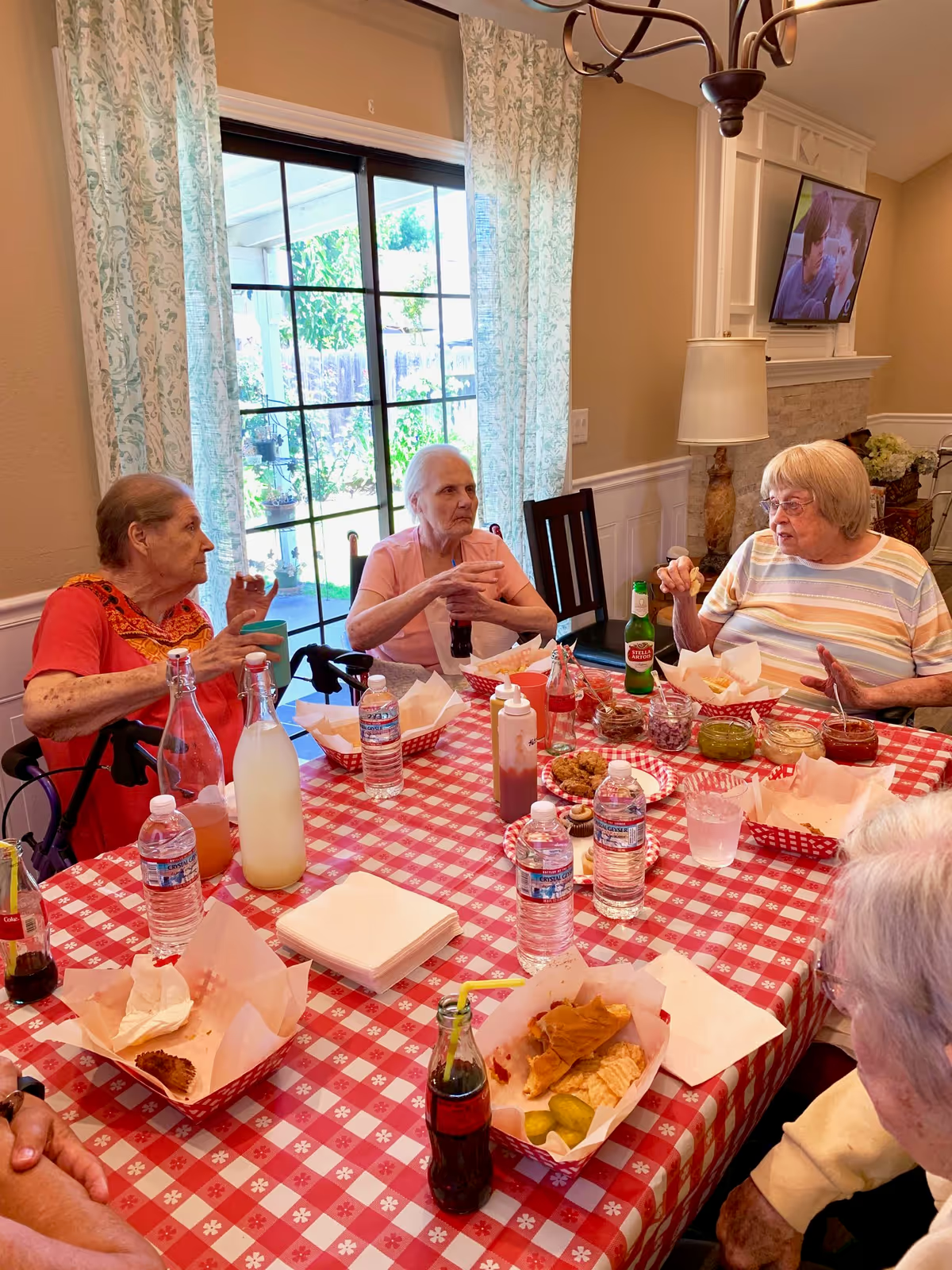
Dining and activities: Dining receives mostly favorable comments—meals are described as nutritious, appealing, and affordable—but multiple reviewers noted limited meal variety and occasional inconsistencies in quality. The activities program has been a strong point historically, with bingo, trips, exercise and social events frequently mentioned; activity availability was reduced during COVID but several reviewers indicate programs are returning. Memory-care programming is generally viewed positively, though transitions for residents with dementia can be challenging.
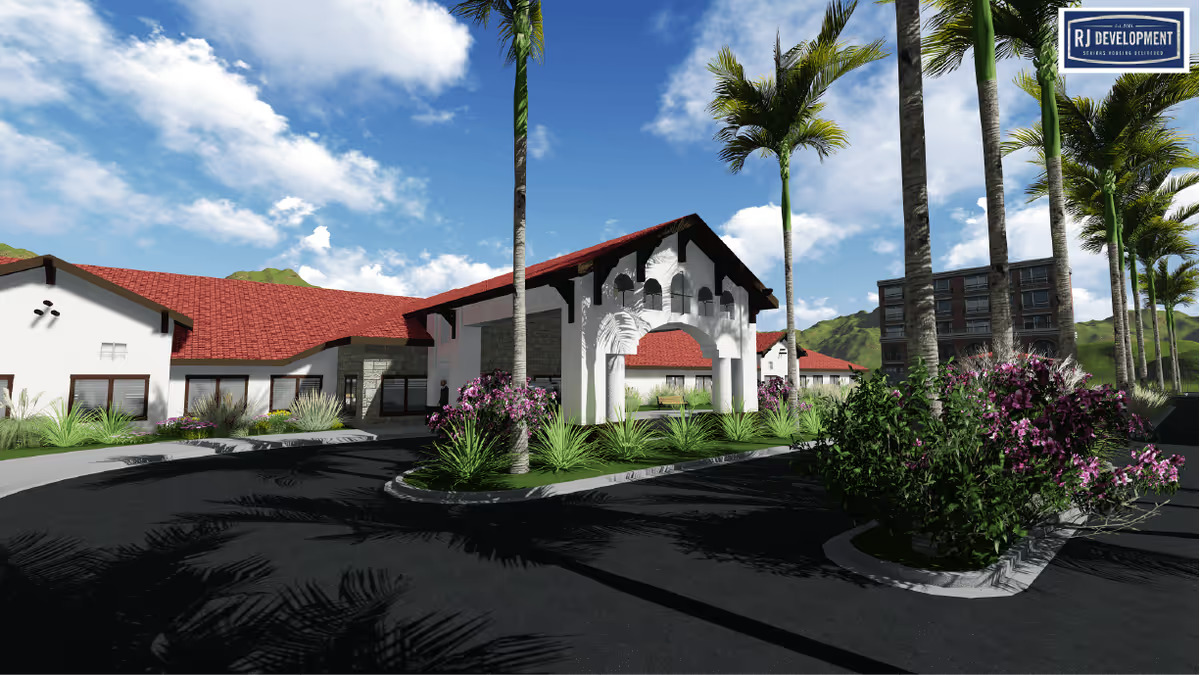
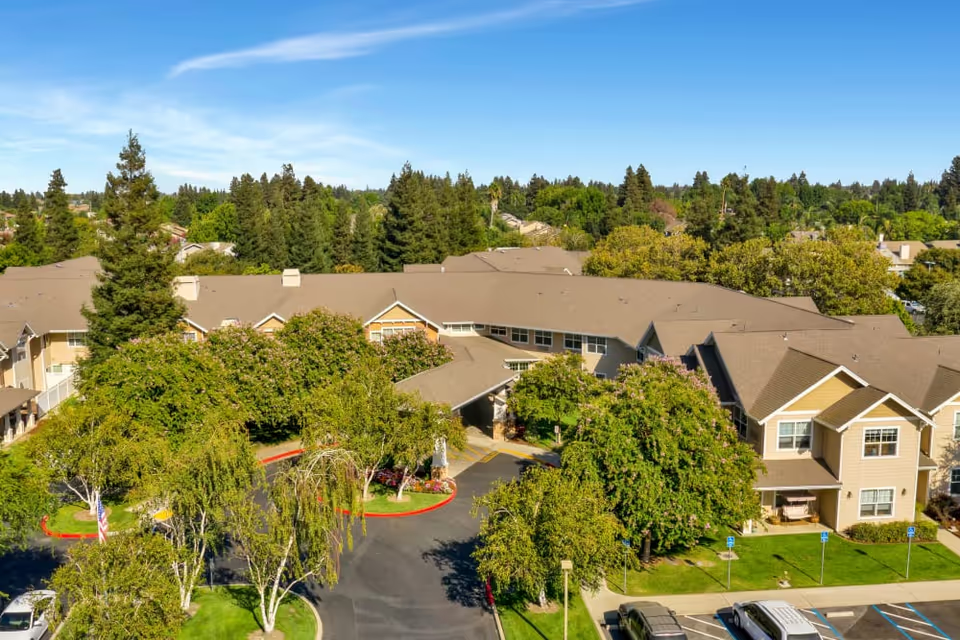
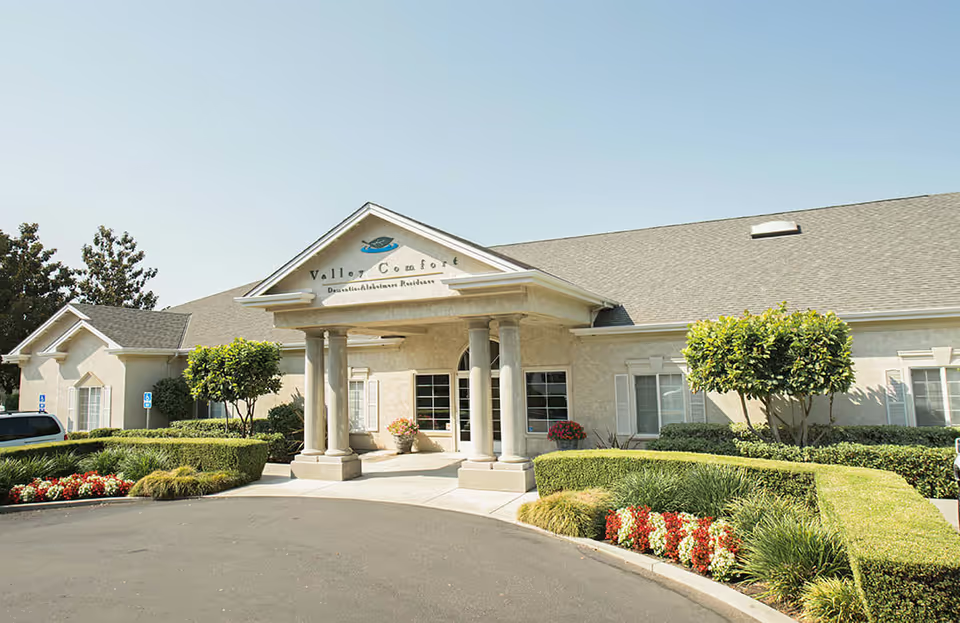
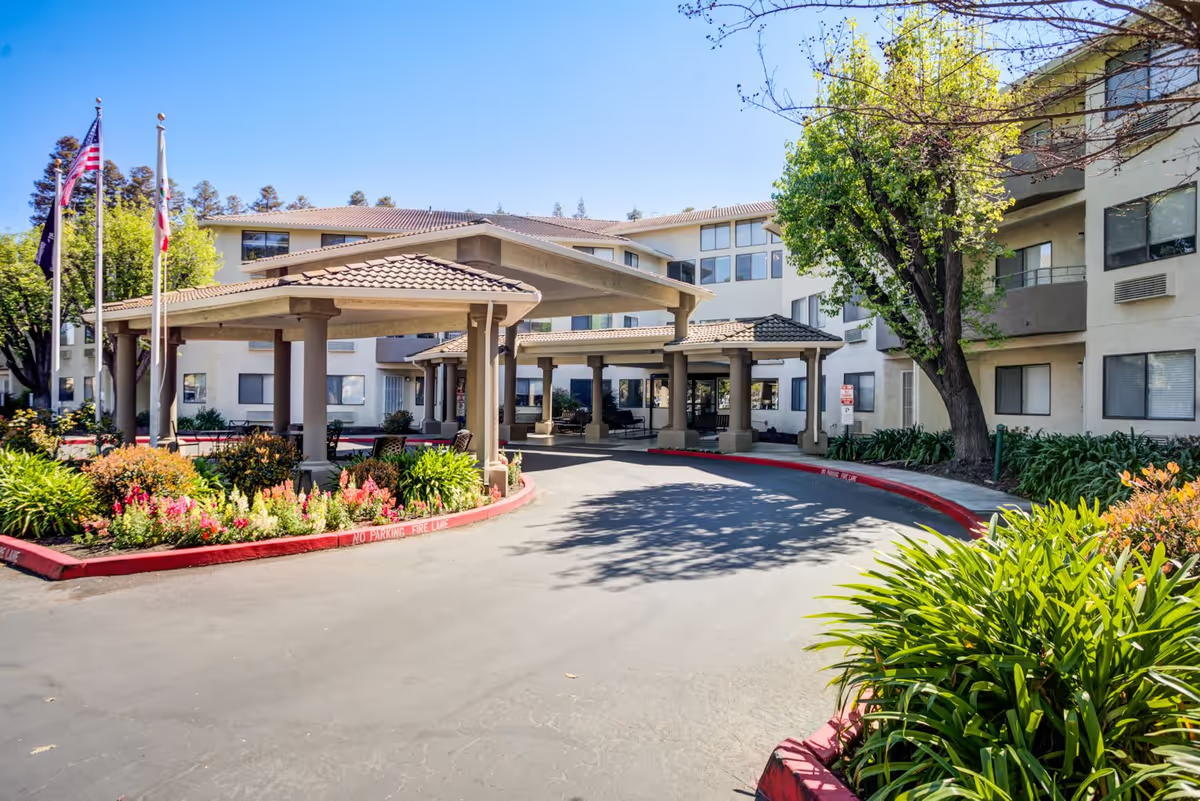
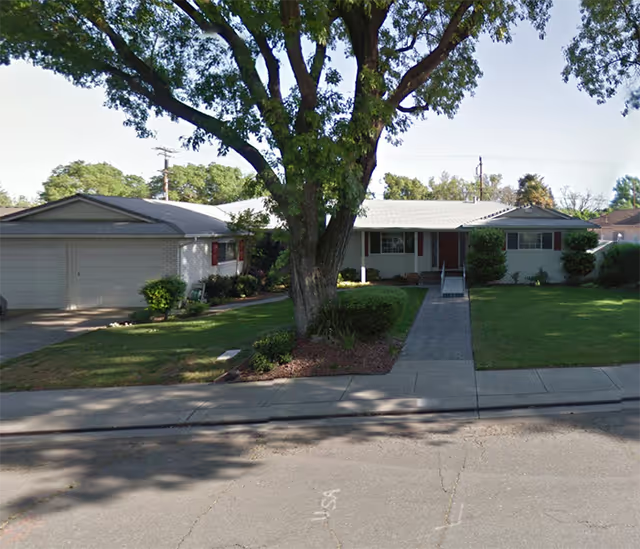
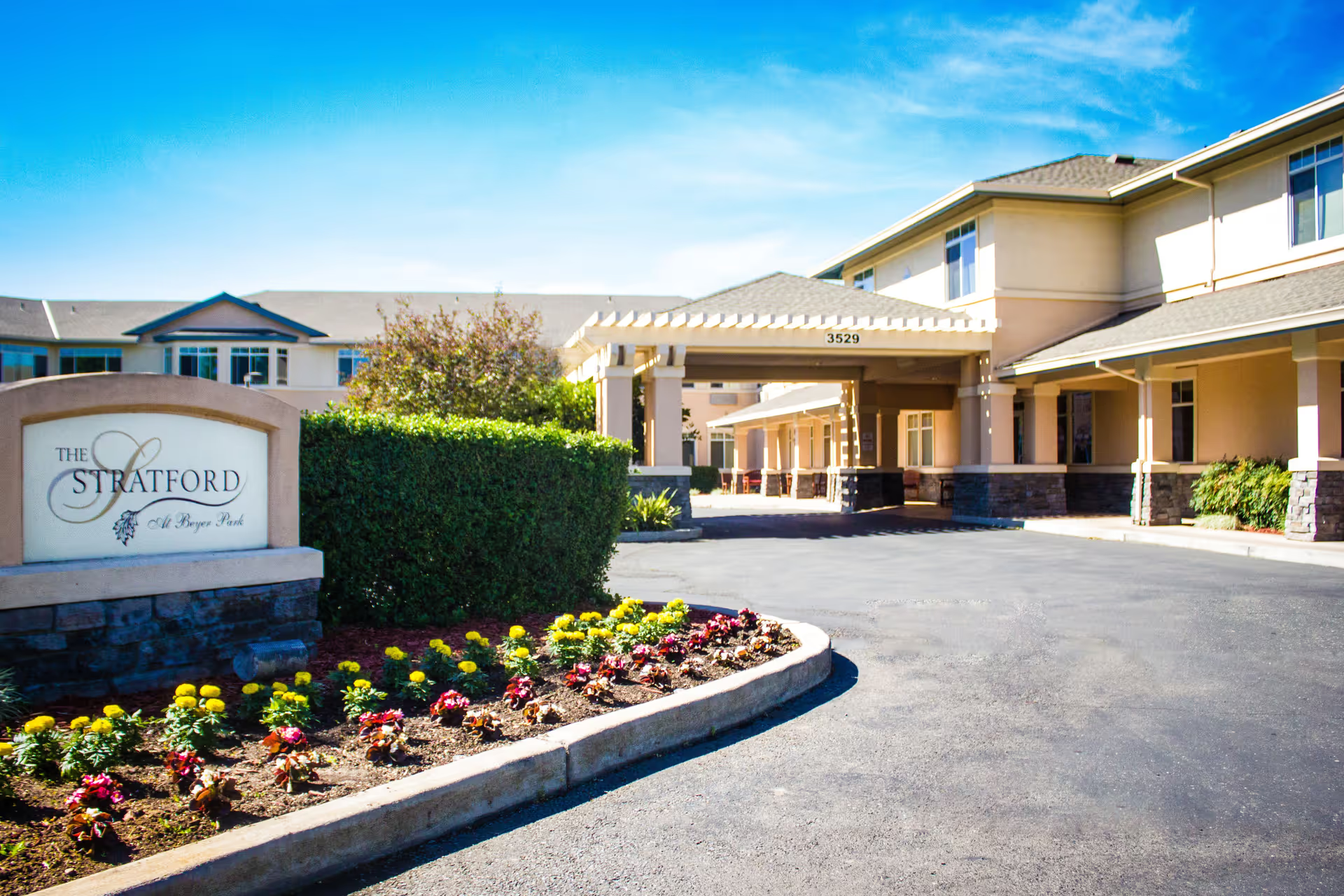
Facilities and safety: The facility is regularly described as clean with comfortable communal spaces, a salon, laundry service, and an outdoor courtyard. At the same time, underlying infrastructure needs were highlighted—carpets, bathrooms, windows, and ongoing renovations that can affect room condition and resident experience. Accessibility concerns (small rooms and tighter navigation for wheelchairs) and front-entrance security/visitor-monitoring gaps were raised and should be clarified during a visit.
Management and notable patterns: Management responsiveness receives mixed feedback—some families describe helpful, communicative managers and effective assistance with benefits, while others report unresolved maintenance promises, communication problems, or restrictive visitation practices during infection-control periods. There are also serious, individual claims including allegations of staff misconduct and post-incident concerns; these are notable and warrant direct inquiry about background-check procedures, incident reporting, and regulatory history.
Recommendation for prospective families: The facility offers clear advantages in affordability, community feel, memory-care experience, and several supportive services. However, recurring themes around staffing consistency, clinical oversight, maintenance, and security suggest that families should conduct an on-site assessment focused on current nurse staffing, medication-safety protocols, recent staffing turnover, visitation and security procedures, and the status/timing of planned renovations. A tour plus targeted questions and documentation review will help determine whether the facility’s strengths align with a specific resident’s clinical and social needs.