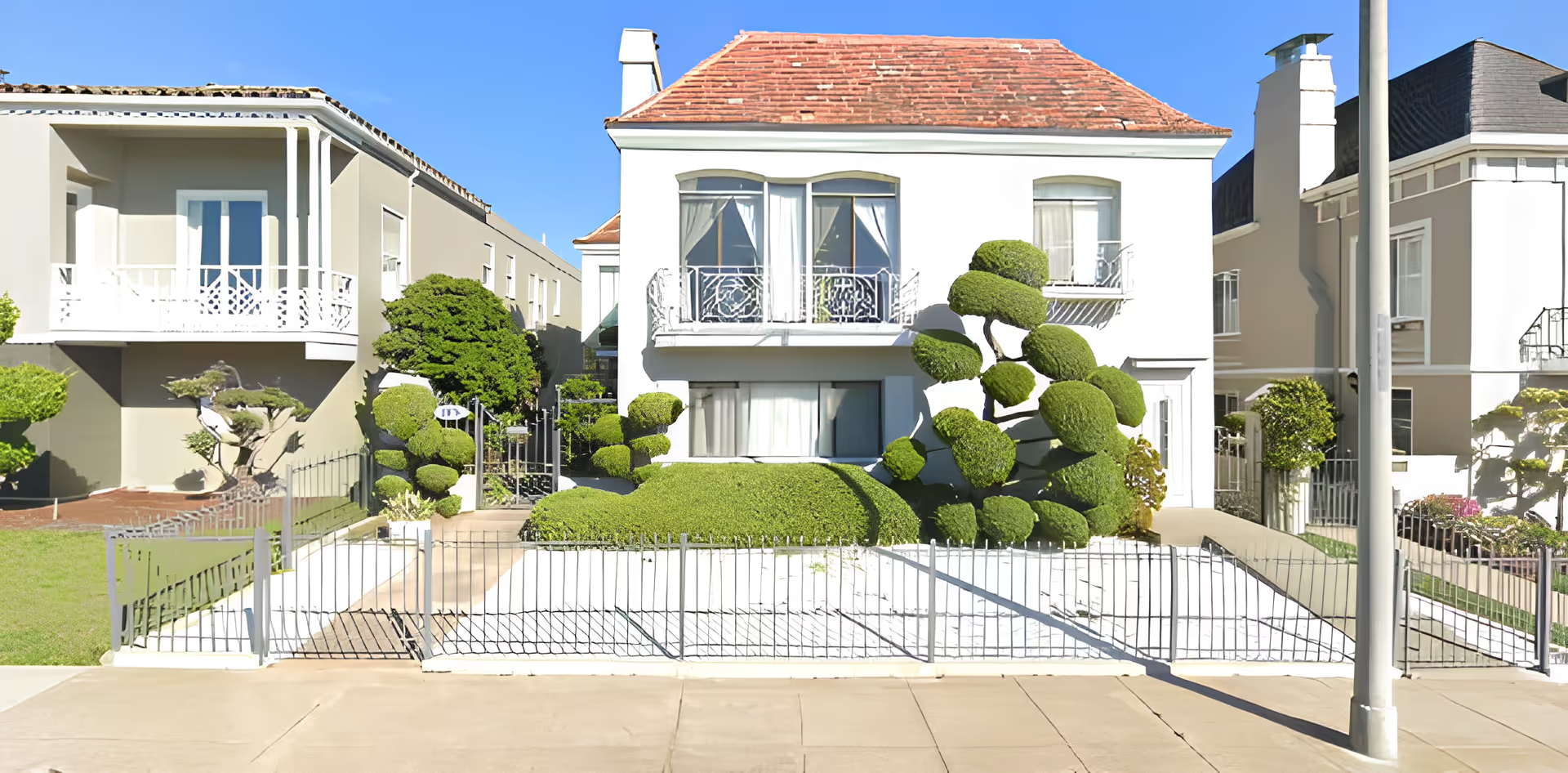
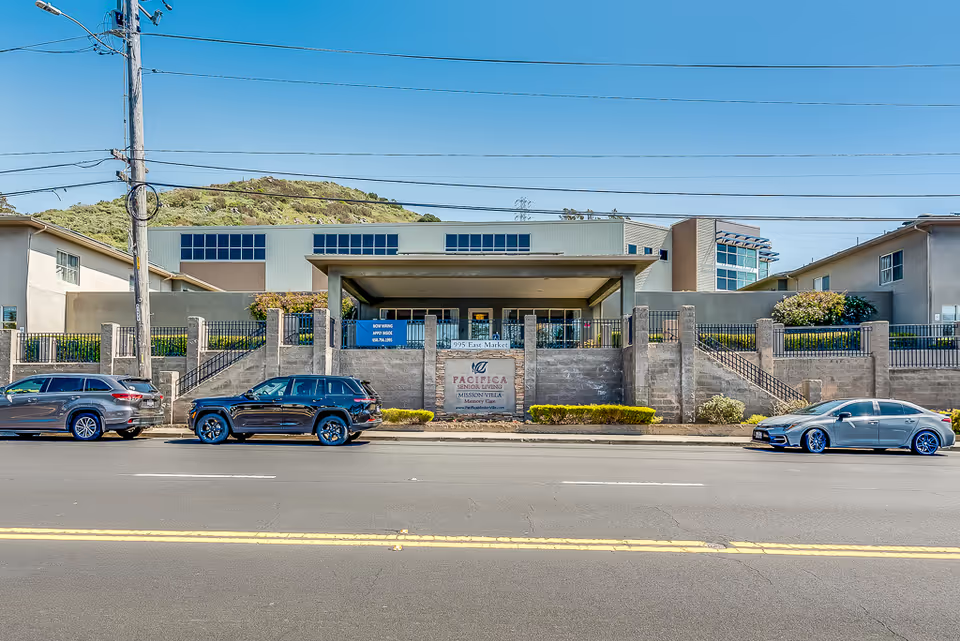
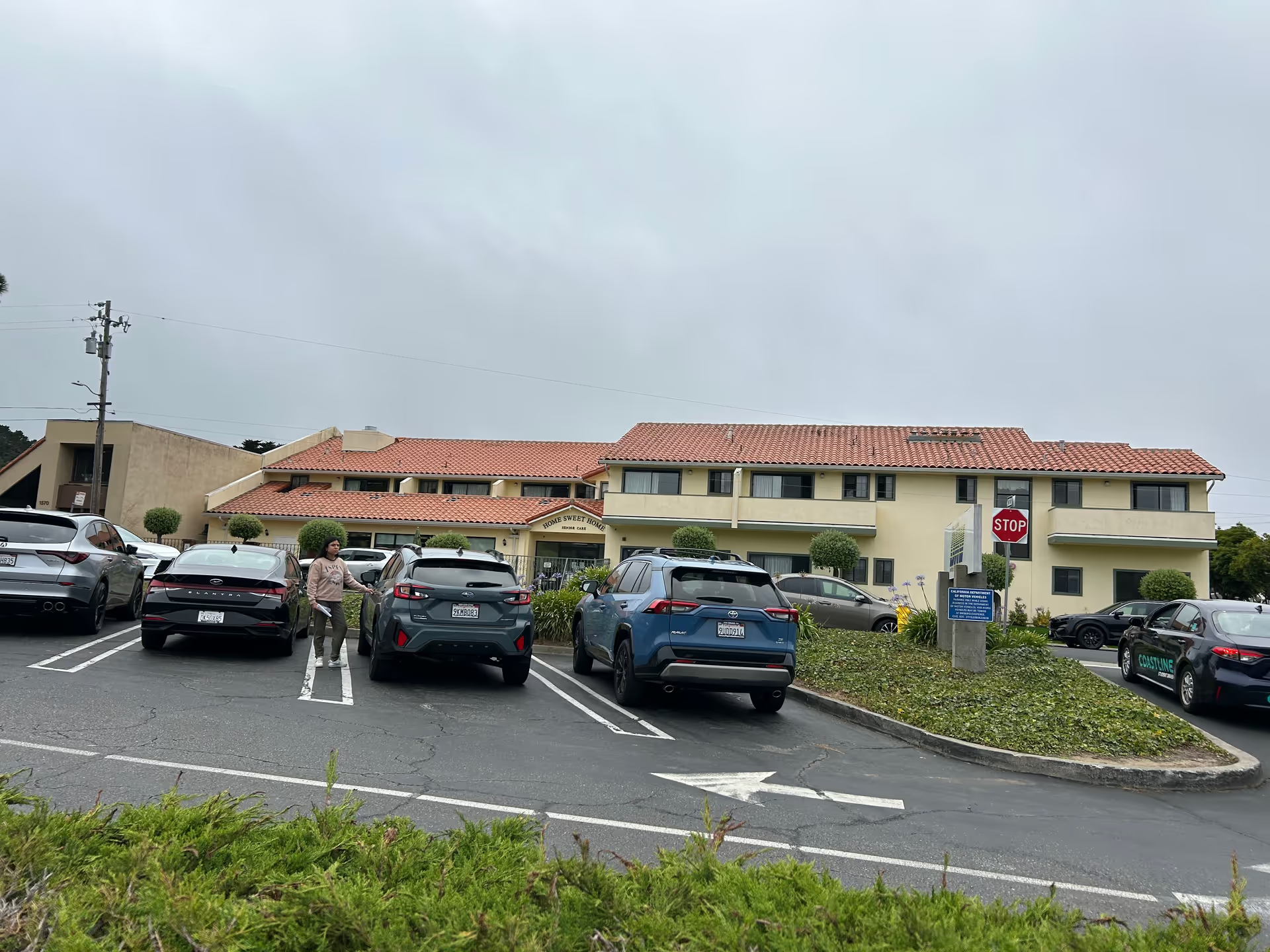
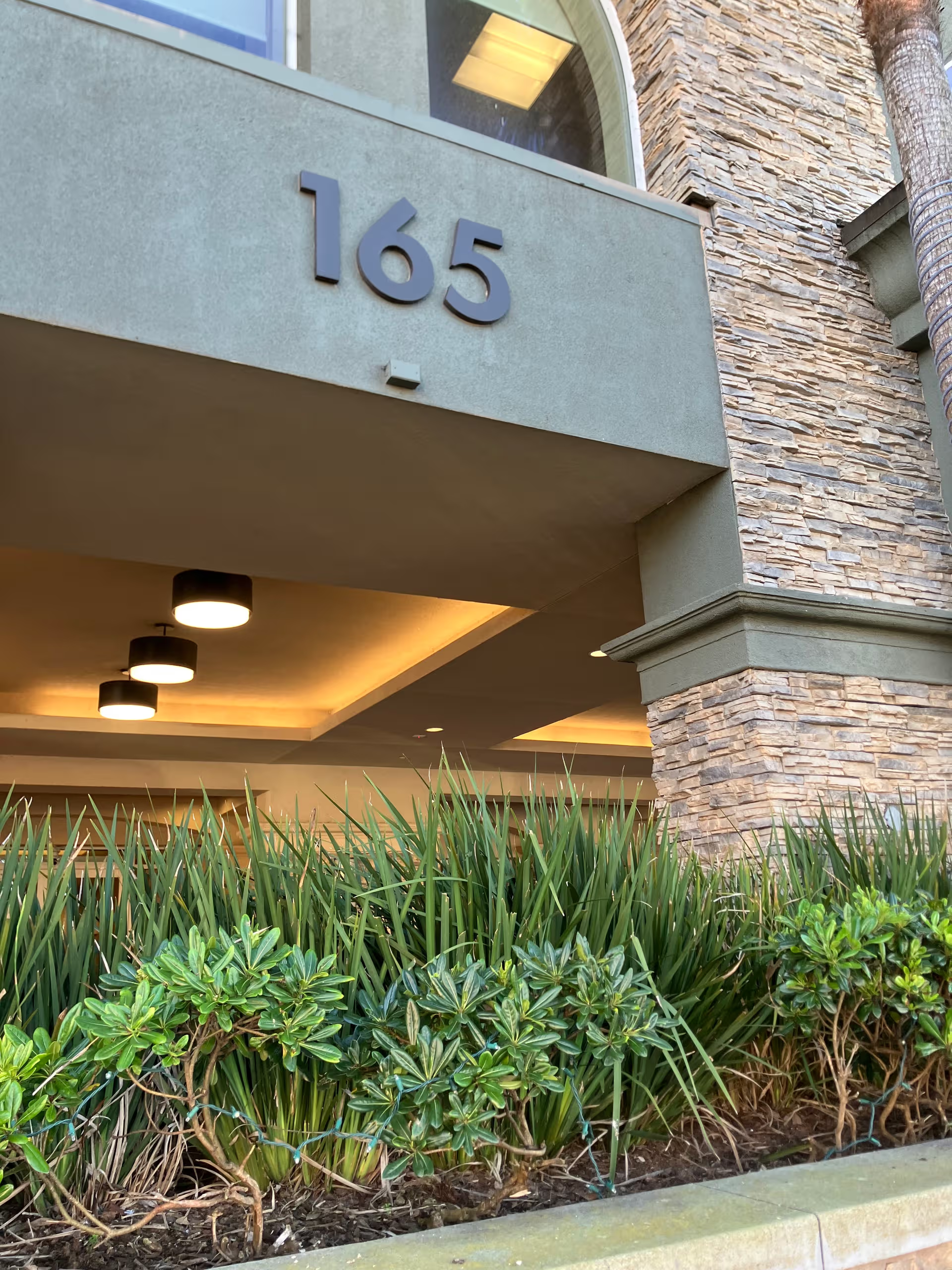
Frank Residences presents as a high-end, well-appointed assisted living and memory-care community with many features families often prioritize. The physical plant and apartments are frequently described as contemporary, immaculately maintained, and resort-like; dining rooms and communal spaces are modern and visually appealing. Onsite amenities are broad, including pools, gyms, theaters, salons, and multiple social spaces, and programming is extensive with daily activities, movie nights, music performances, discussion groups, and religious services.
Staff and direct care receive generally strong praise for attentiveness and professionalism. Many accounts emphasize compassionate, attentive caregivers and a safe environment; there are also positive notes about basic clinical responsiveness, including appropriate recognition of emergencies. At the same time, reviews reflect variability in caregiver conduct and clinical competence — some families report timely, capable care while others describe lapses in responsiveness or professionalism. Prospective families should confirm clinical staffing levels, medication-management procedures, and emergency protocols during a tour.
Dining impressions are mixed: several families describe healthy, appealing meal options and high-quality food, while others report dissatisfaction with food quality. This points to an inconsistent dining experience rather than a uniformly excellent or poor program. Those evaluating the community should request current sample menus, taste meals where possible, and ask how special diets and meal complaints are handled.
Programming and wellness offerings are a strong point. The community supports varied social engagement and physical activity opportunities — scheduled classes, entertainment, fitness facilities, and salon services are available on site. These resources support an active lifestyle for residents who are able and interested in participation.
Operational and management patterns warrant careful review. Multiple accounts describe unexpected annual rate increases, inventory lapses resulting in lost personal items, delays in admissions or opening timelines, and communication gaps between families, caregivers, and management. These indicate potential weaknesses in billing transparency, belongings management, move-in coordination, and internal communication processes. Before making a commitment, families should review contract language about rate increases, obtain written inventories and receipts for personal property, ask for a clear move-in timeline, and clarify escalation paths for concerns.
Overall, Frank Residences appears to offer strong physical amenities, attractive living spaces, and robust programming, supported by many attentive staff members. However, variability in clinical competence, staff professionalism, dining consistency, and administrative transparency are recurring themes. A thorough tour that includes meetings with clinical staff, sampling meals, contract review, and documentation of personal-property procedures will help families gauge operational fit and reduce the risk of later surprises.