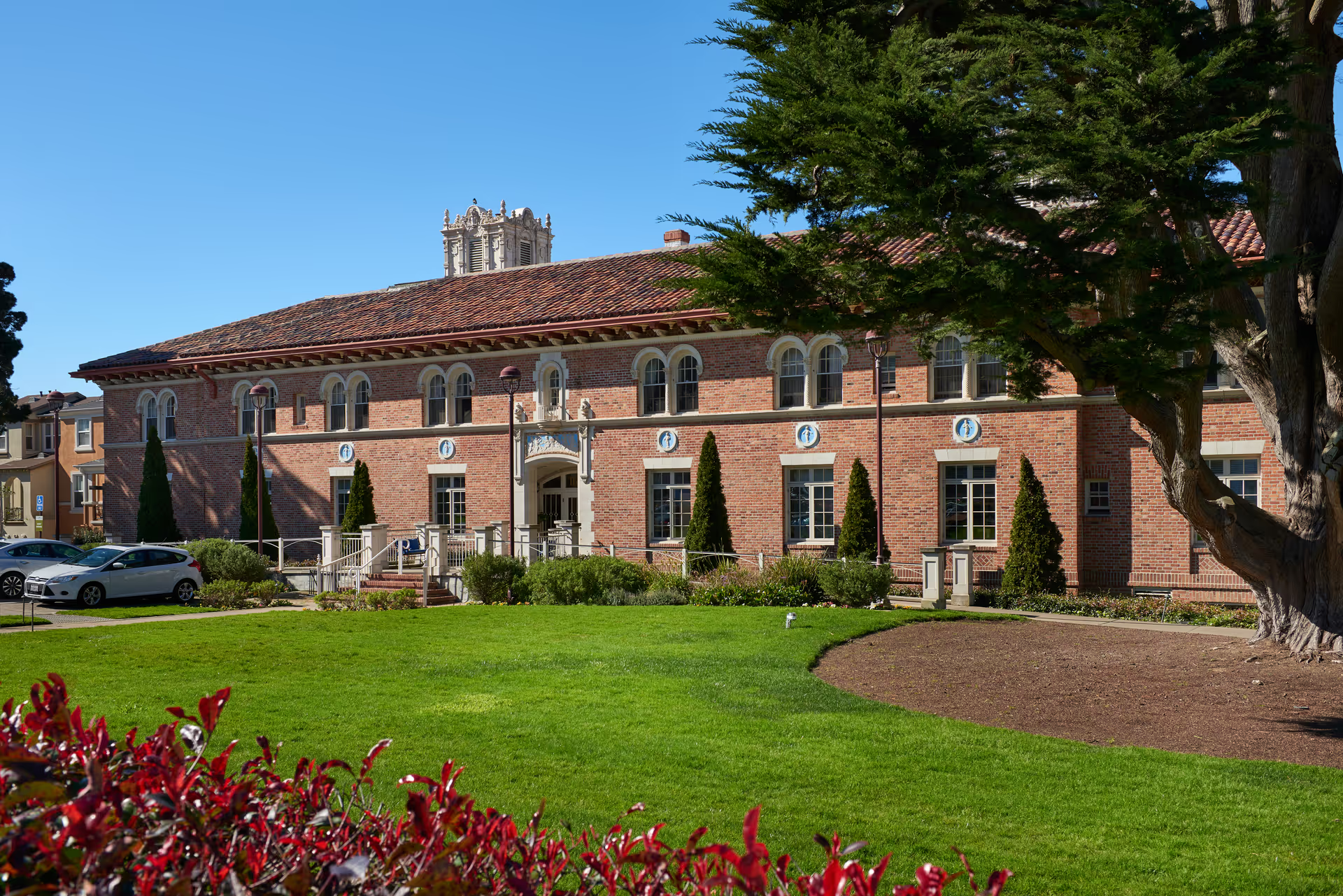
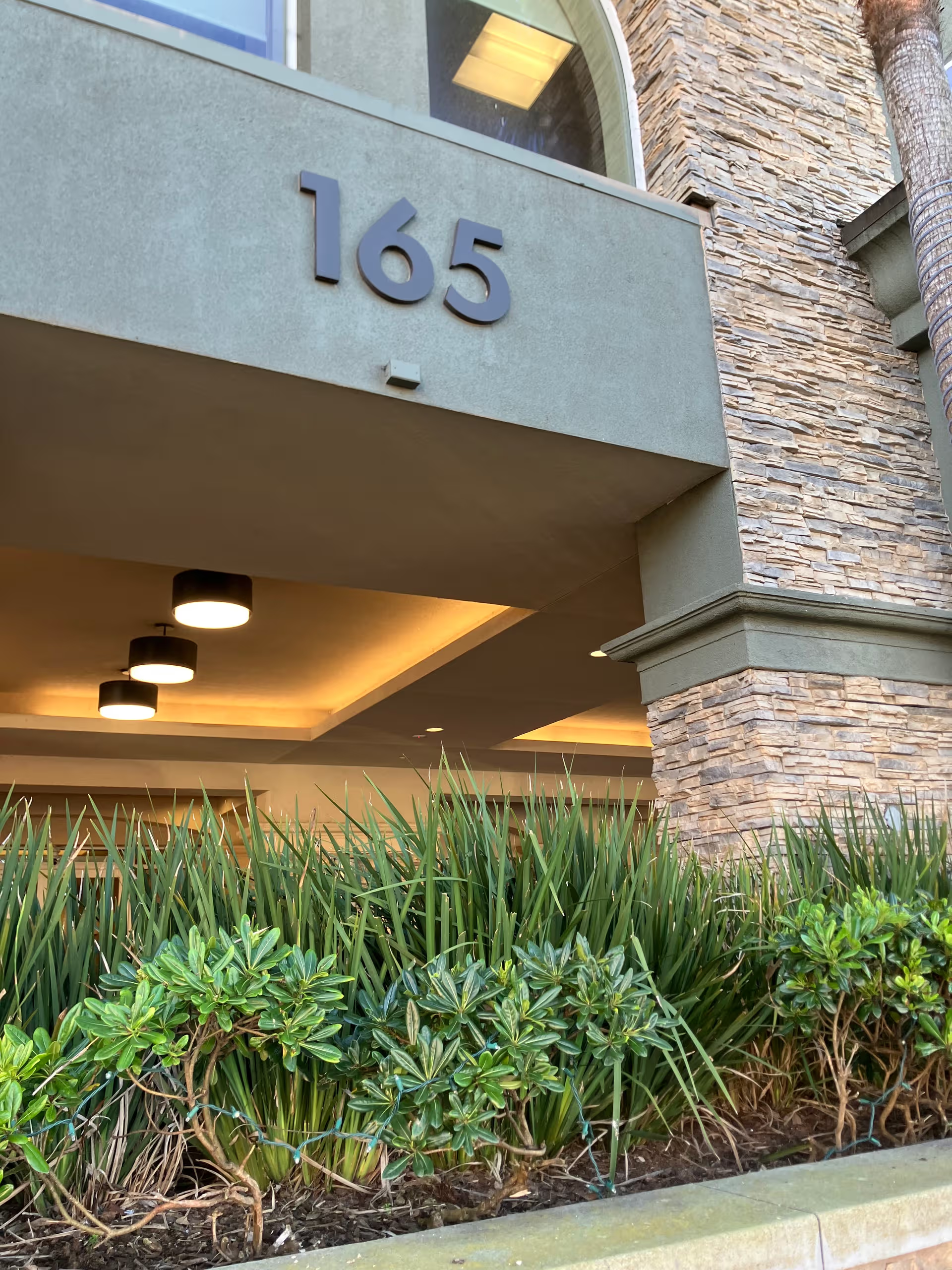
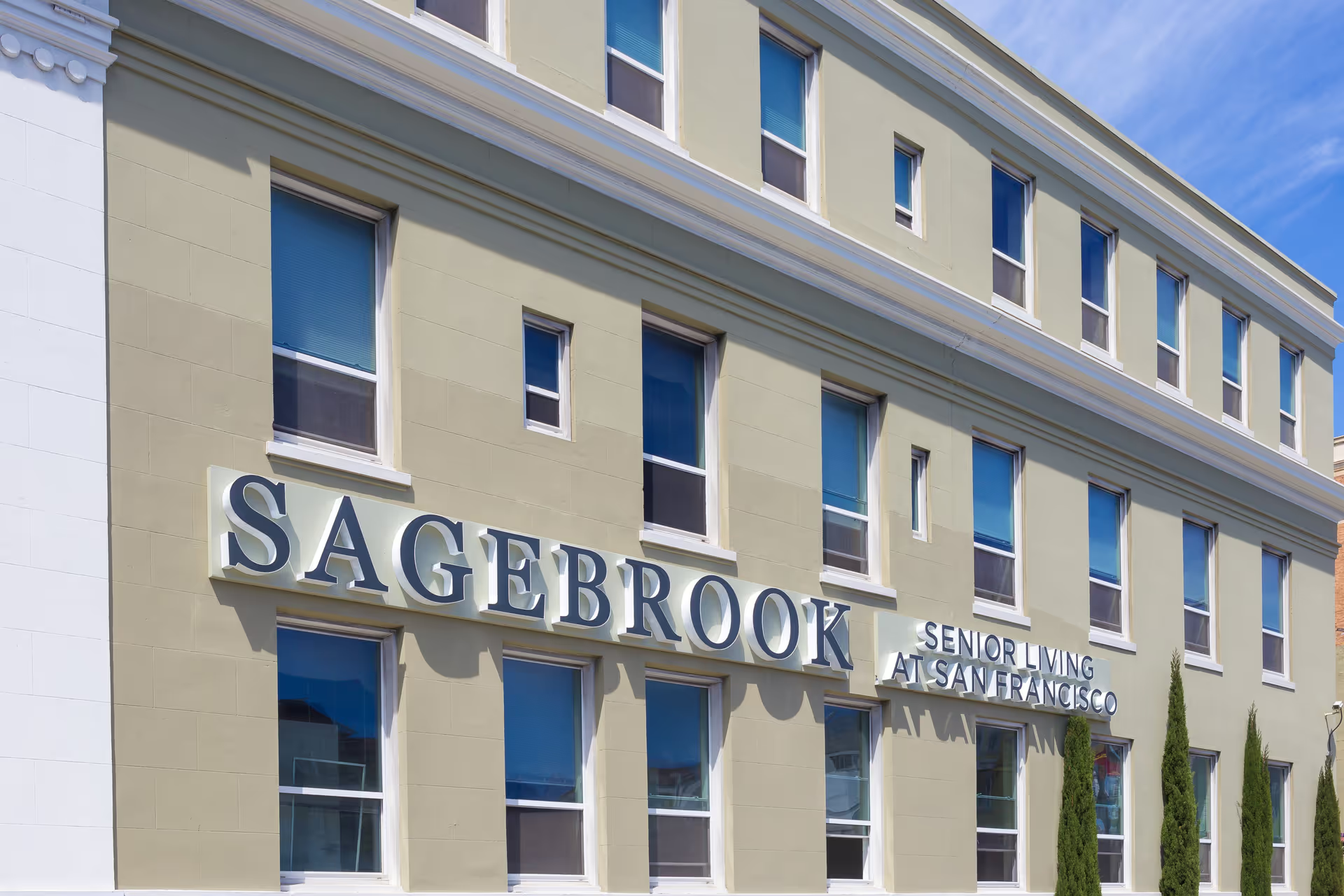
San Francisco Campus for Jewish Living presents as a large, multi-faceted senior care campus with strong clinical and rehabilitation capabilities and an active program life. Many families highlight the facility's geriatric medical staff and skilled PT/OT services, and describe CNAs and nurse aides as caring and dedicated. The campus offers spacious private rooms with ensuite baths, clean common areas, a variety of on-site amenities (cafe, gift shop), and accessible grounds with outdoor features such as a dog park. Religious services and holiday programming, including a Rabbi on site, are notable strengths and contribute to community life.
Activity programming is broad, including arts and crafts, bingo, painting, seasonal and holiday events, and encouragement of resident participation. Fitness and therapy spaces (gym and studio) support a rehab-focused model for many residents. Case management and social-work involvement receive positive mention, and front-line security and admissions staff are frequently described as helpful. Several reviewers also praised specific staff members and cleaning/maintenance efforts, which reinforces the perception of a generally well-kept environment.
However, the campus shows recurring operational weaknesses that prospective residents and families should evaluate. Feedback points to inconsistent responsiveness to resident needs and gaps in clinical follow-up—examples include delays in reviewing test results and in addressing changing clinical status. Medication-management and administration practices have been identified as an area of concern, and personal-care routines (bathing, oral care, incontinence care) are described as uneven across units. Staffing instability, variable staff conduct, and limited individualized one-on-one time were also mentioned and can affect day-to-day experience.
Dining impressions are mixed: holiday and special menus are appreciated, but general meal quality and meal-assistance consistency vary between stays. Parts of the campus retain an institutional or business-like feel rather than a homelike atmosphere, which some families find impersonal. Management and communication continuity have been raised as issues, including the effect of leadership changes on care consistency and family communication. Practical constraints such as slow internet and paid parking are additional operational considerations.
Taken together, the facility offers substantial strengths in clinical/rehab services, cleanliness, activities, and religious/community programming, but prospective residents should investigate operational practices before committing. Recommended next steps for families: tour at different times of day, ask about staffing ratios and clinical oversight, request examples of test-result and medication-review protocols, clarify outdoor-access policies and family-visit dining options, and ask how the facility manages care transitions and family communication (including any family council or grievance process). These inquiries will help determine whether the campus’s clinical and social strengths align with an individual resident’s needs and expectations.