The body of reviews describes a facility with uneven performance across clinical care, staffing, operations, and the physical environment. Positive accounts emphasize caring direct-care staff — including CNAs and some nurses — strong rehabilitation and wound-care services, and pockets of good housekeeping and administrative support. Conversely, recurring operational issues appear to influence families’ overall impressions and confidence in the facility.
Care quality is mixed. Several families praised rehabilitation outcomes and specialty wound-care treatment, while other accounts raise concerns about medication management, missed or delayed clinical monitoring (including vital signs and glucose checks), and delayed symptom relief. There are multiple references to patients being transferred to the emergency department after clinical decline, which reviewers linked to lapses in timely assessment and intervention. These patterns point to inconsistent clinical oversight rather than uniformly high or low clinical performance.
Staffing and interpersonal conduct are described in sharply divergent ways. Many reviewers singled out individual caregivers for compassionate, professional bedside care; at the same time, common themes include understaffing, long response times to call requests, language barriers for some direct-care staff, and communication tone issues from certain employees and social-work personnel. Front-desk phone handling and general phone responsiveness are repeatedly criticized, creating additional stress for families trying to obtain updates.
Dining and activities are available but inconsistent. Activity programming exists and has engaged some residents, but several families described limited or irregular offerings (for example, events not being repeated). Food quality receives mixed feedback: some found it acceptable while others expressed dissatisfaction.
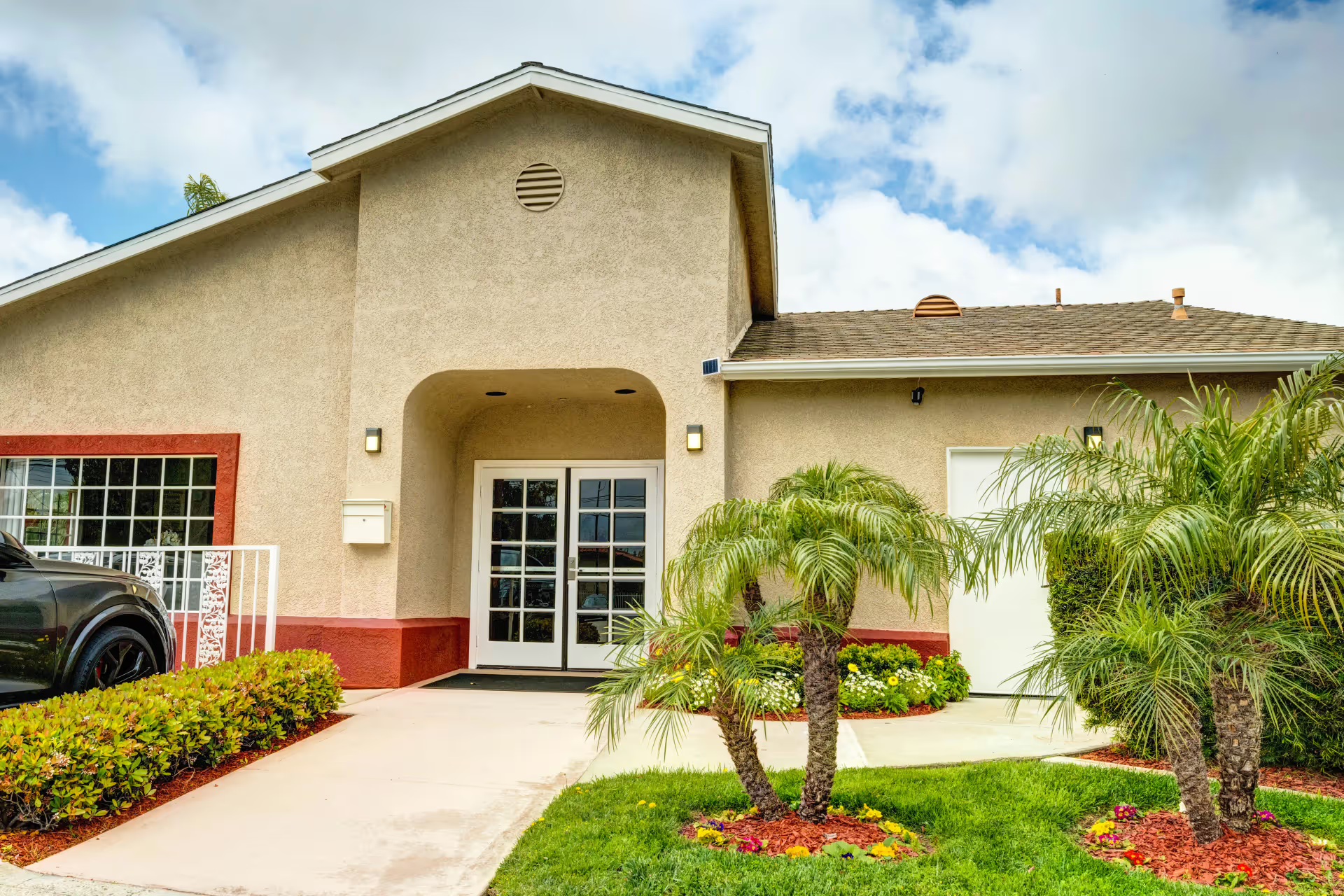
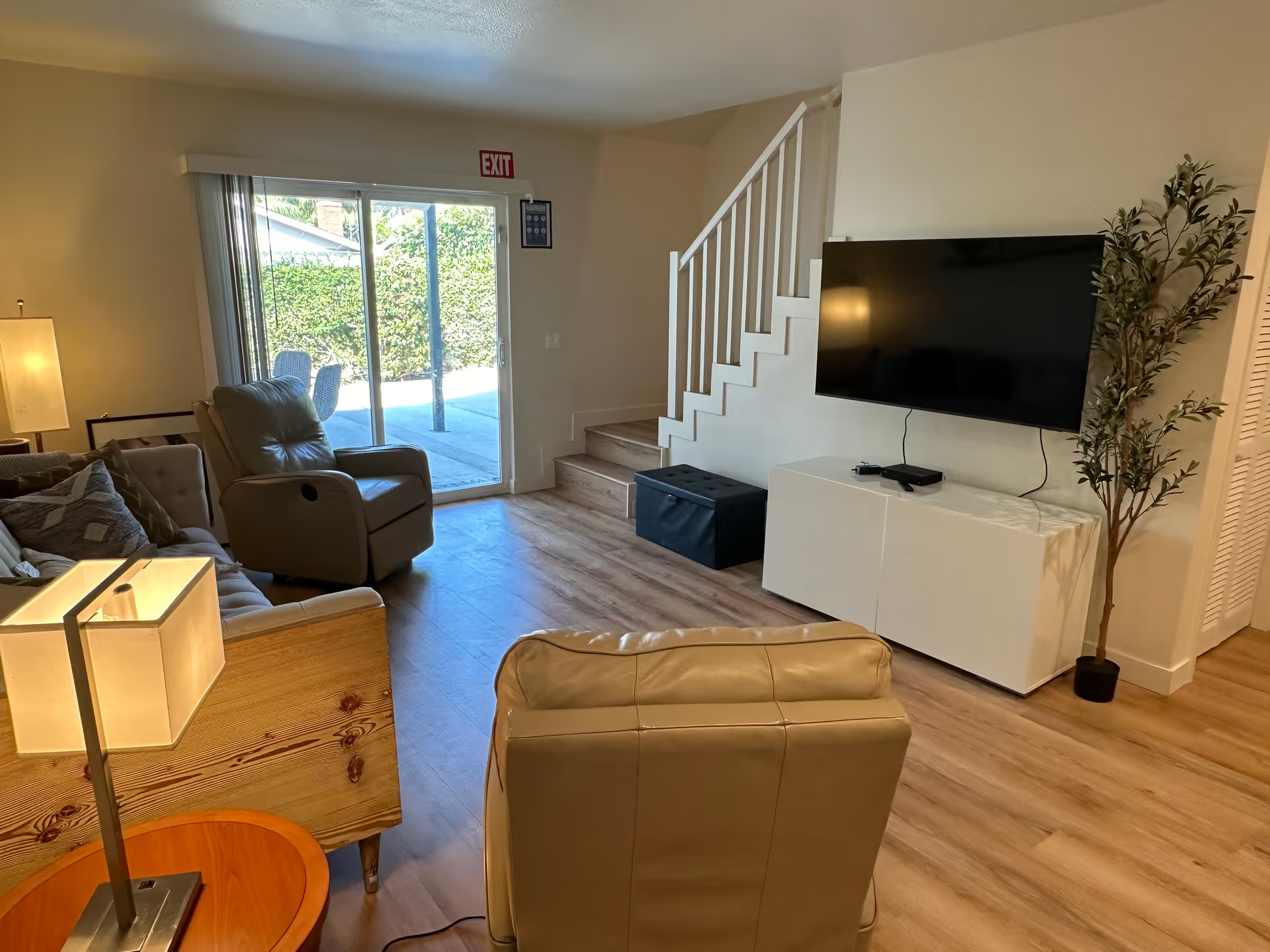
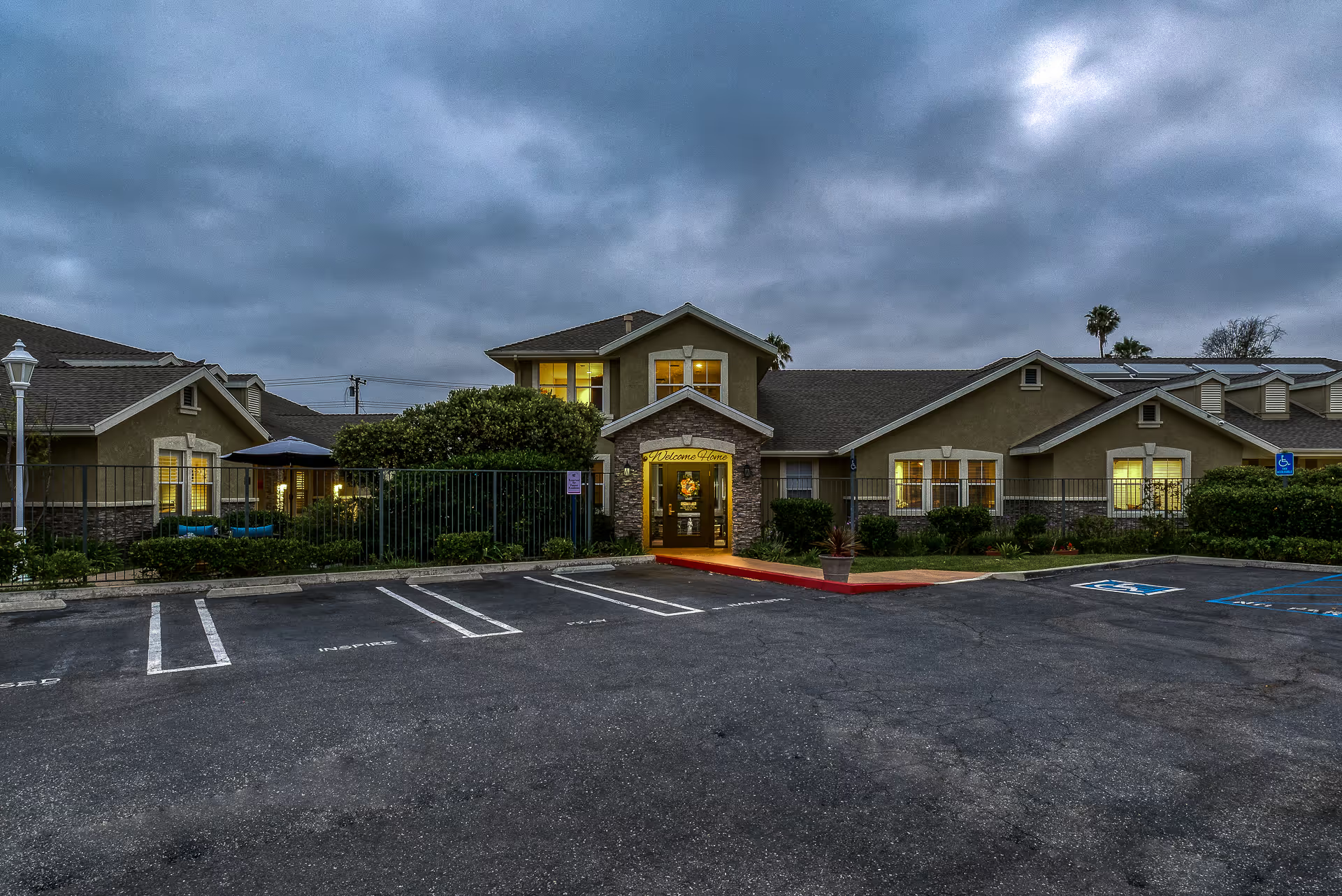
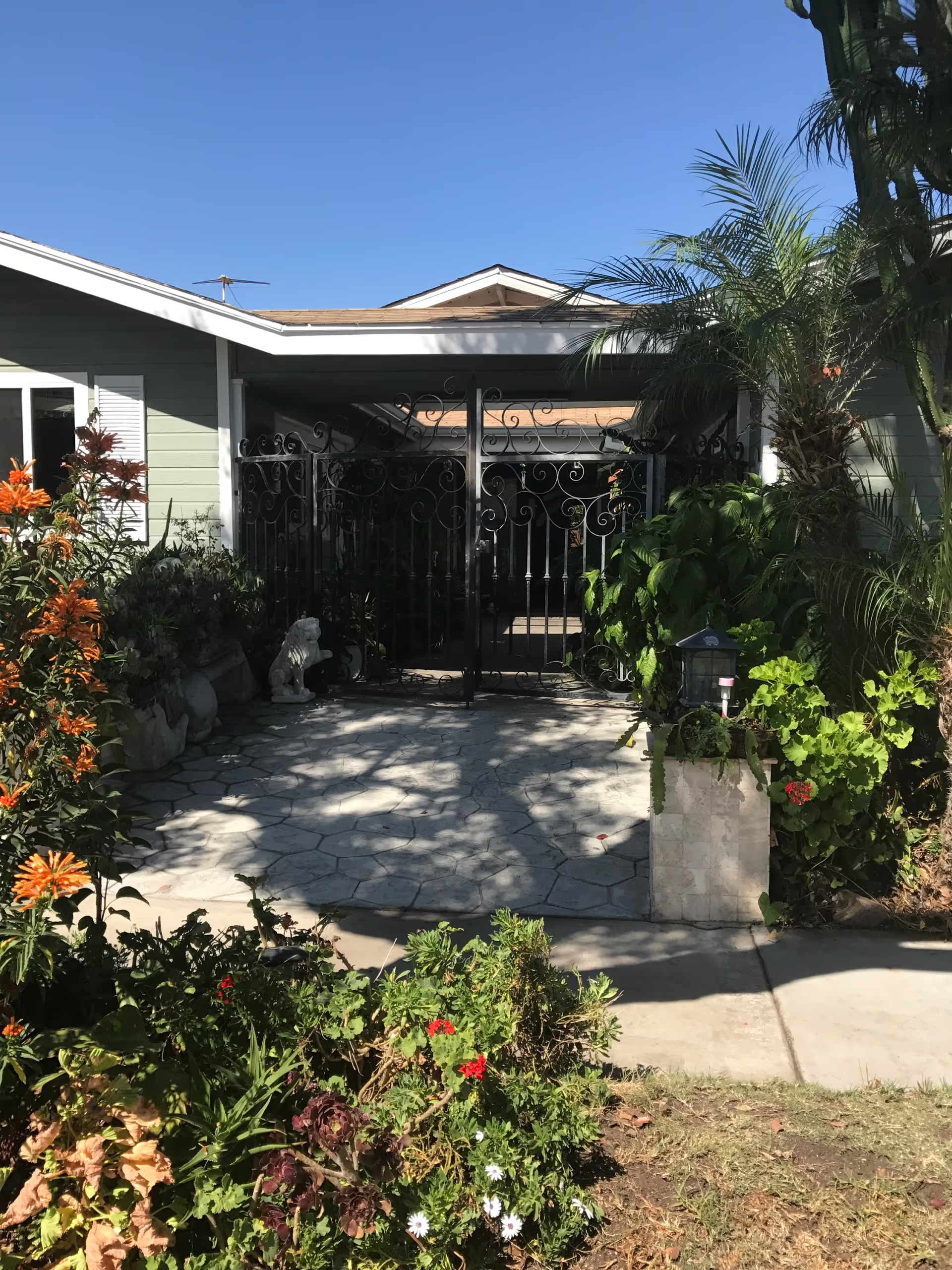
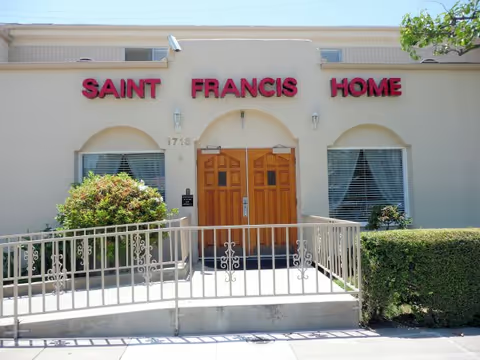
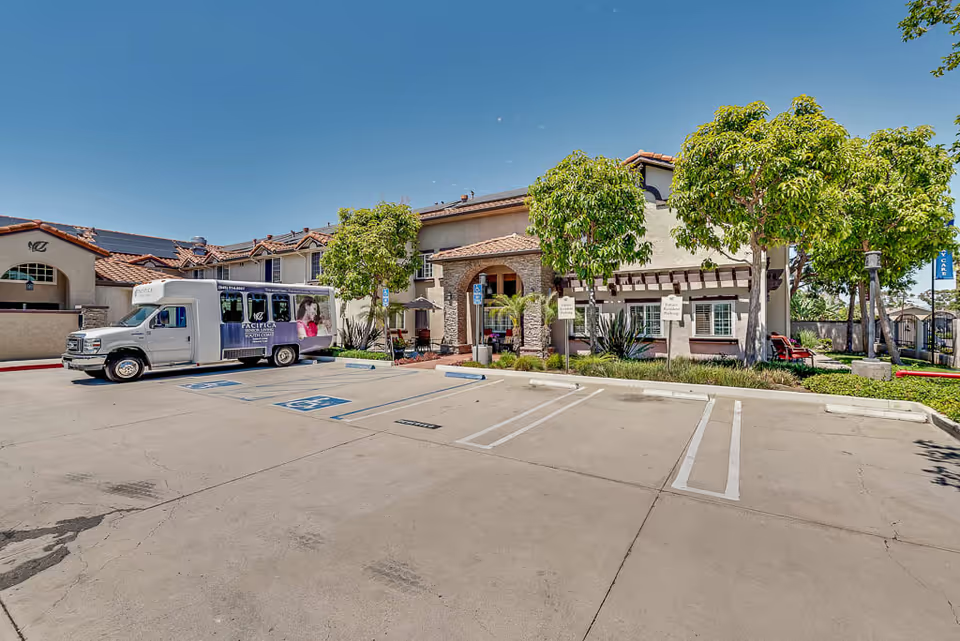
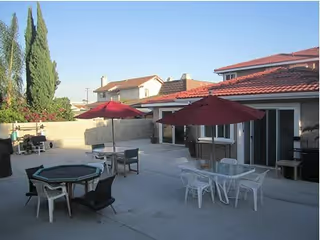
The facility’s physical plant and environmental services show variability. Positive comments note clean rooms in portions of the building and orderly common areas; negative observations include sanitation and odor-control issues, pest-control concerns, peeling paint, temperature-control problems in extreme weather, and a generally dated appearance. These maintenance and environmental items are operational traits that affect resident comfort and perception of care.
Management and organizational systems are another area of contrast. Reviewers describe both capable business-office staff and instances of weak management follow-up: unanswered calls, delayed responses to family concerns, inconsistent discharge planning, and challenges securing accommodations such as ASL interpretation. A number of families expressed frustration with social-work communication and perceived a lack of proactive family engagement.
Notable patterns for prospective families to consider are the facility’s uneven execution of basic care processes (medication administration, clinical monitoring, hygiene assistance), persistent staffing constraints that affect responsiveness, and maintenance/cleanliness challenges in parts of the building. At the same time, there are documented examples of strong individual caregivers and effective rehabilitation and wound-care programs. Visitors and families should schedule an on-site tour, observe staffing levels and responsiveness, ask about medication-safety protocols, clinical monitoring practices, pest-control and sanitation procedures, ADA accommodations, and facility maintenance plans before making placement decisions.