Reviews of Santa Cruz Post Acute present a mixed but instructive picture for prospective residents and families. Many reviewers praise the direct care staff, therapy teams, and admissions/administrative personnel — citing compassion, responsiveness, and strong rehabilitation outcomes. Positive accounts consistently highlight skilled PT/OT services, helpful case management, smooth transitions from hospital to facility, accommodating dining for special diets, and clean, bright communal areas including a sunny courtyard. Several individual staff members and administrators were singled out by name for clear communication and family support, which many families described as reassuring during difficult transitions.
At the same time, a notable subset of reviews raises operational and clinical concerns that warrant attention. These include inconsistent clinical care practices (notably wound management), gaps in medication administration and glucose monitoring, and instances of delayed assistance from nursing assistants. Reviewers also cite sanitation and housekeeping inconsistencies in some areas and limited privacy in certain shared rooms. Families reported difficulties obtaining timely clinical explanations and occasional unclear on-call physician or RN coverage, which contributed to anxiety about clinical decision making.
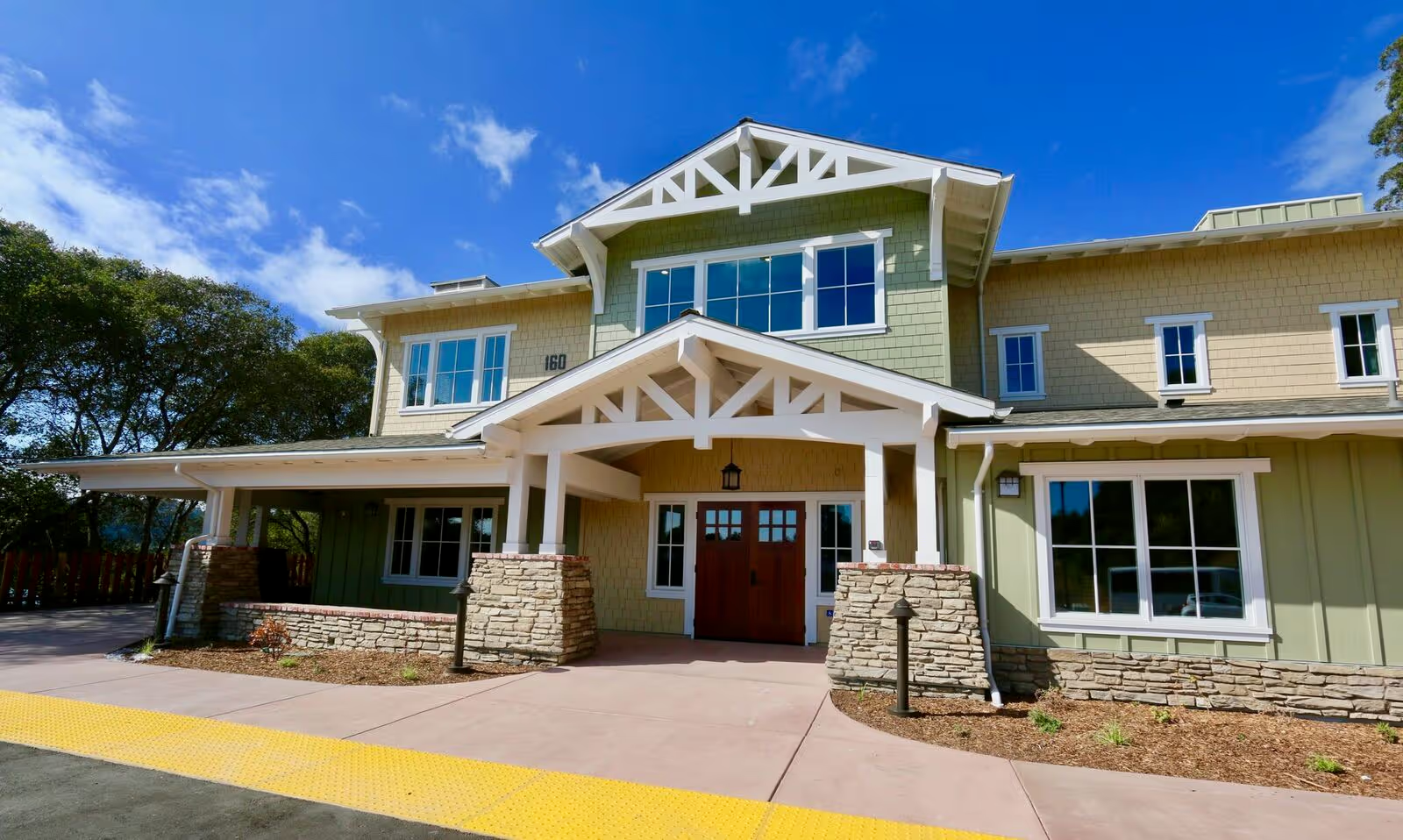
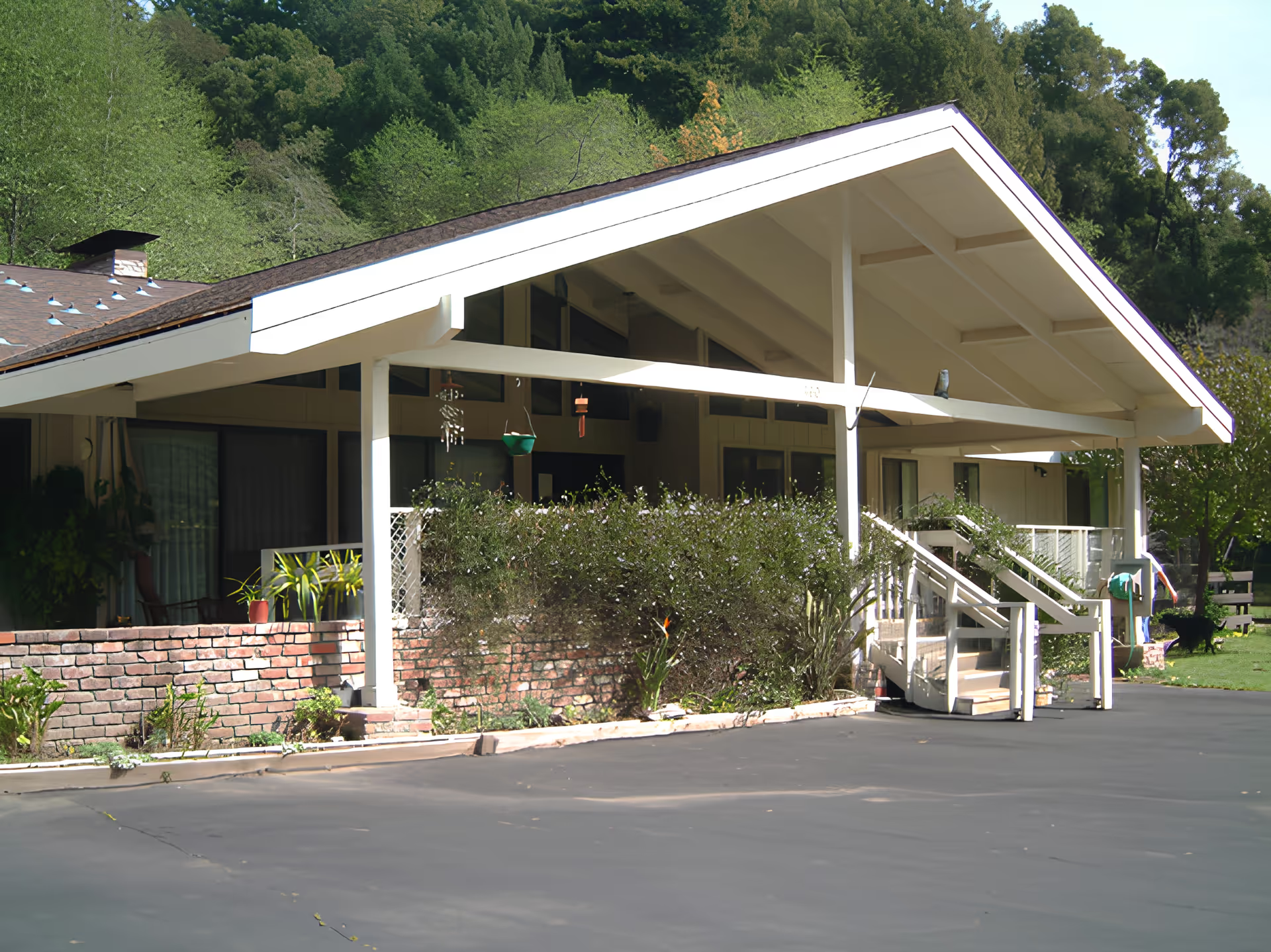
Facility operations and environment are another area of divergence. The building is frequently described as dated and in need of renovation; reviewers suggested that new flooring, paint, and furnishings would be transformational. Some accounts describe restrictive communication or leave policies for long‑term residents and concerns about the safety and maintenance of outdoor areas. Activity programming receives mixed feedback — while rehabilitation and some engaging activities are praised, other reviewers describe inconsistent or limited engagement options and past directives that curtailed participation.
Dining and service quality also vary: many families compliment the food and special-diet accommodations, while others report occasional undercooking or allergen-control issues. Management and leadership receive both positive and negative remarks — several families commend individual administrators for responsiveness and support, yet others describe variability in management follow-through and defensive interactions. Ownership changed approximately 18 months prior to many reviews; some families are uncertain whether operational issues have improved since that change.
Practical next steps for families considering this facility: ask for current staffing ratios and on‑call clinical coverage, request documentation of recent sanitation and safety inspections, tour shared rooms to assess privacy, inquire about current activity schedules and renovation plans, and seek specifics on medication-safety and wound-care protocols. Many reviewers emphasize that outcomes hinge on individual staff members and shifts; confirming current leadership initiatives and recent corrective actions will help assess whether the positive elements observed by many families are consistently in place.