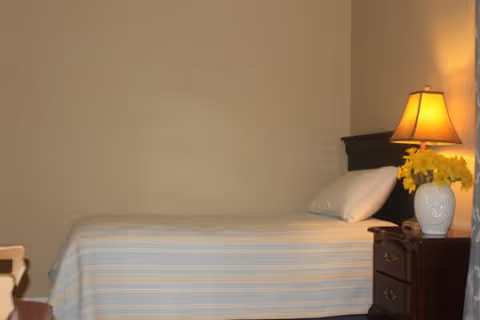
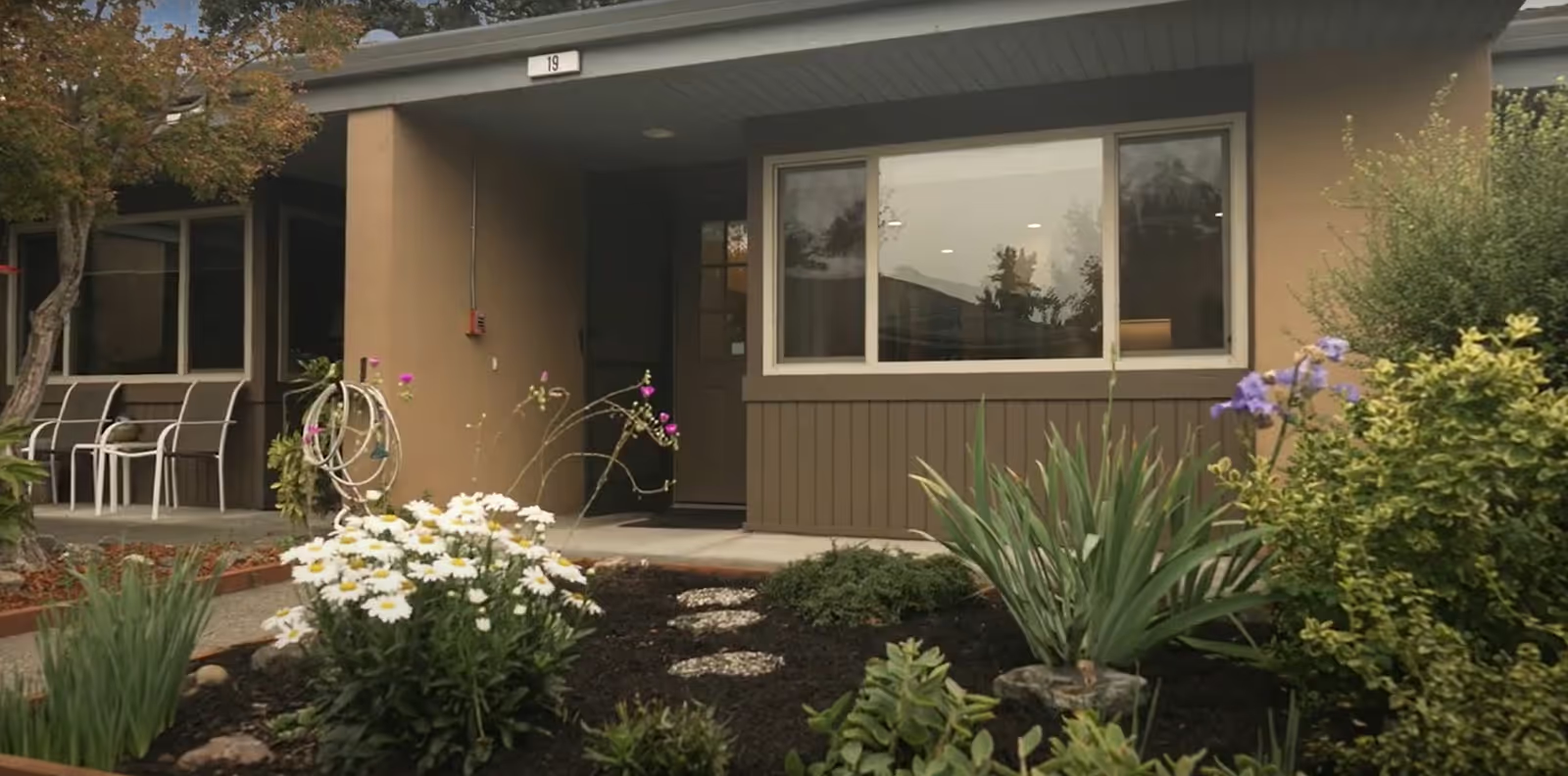
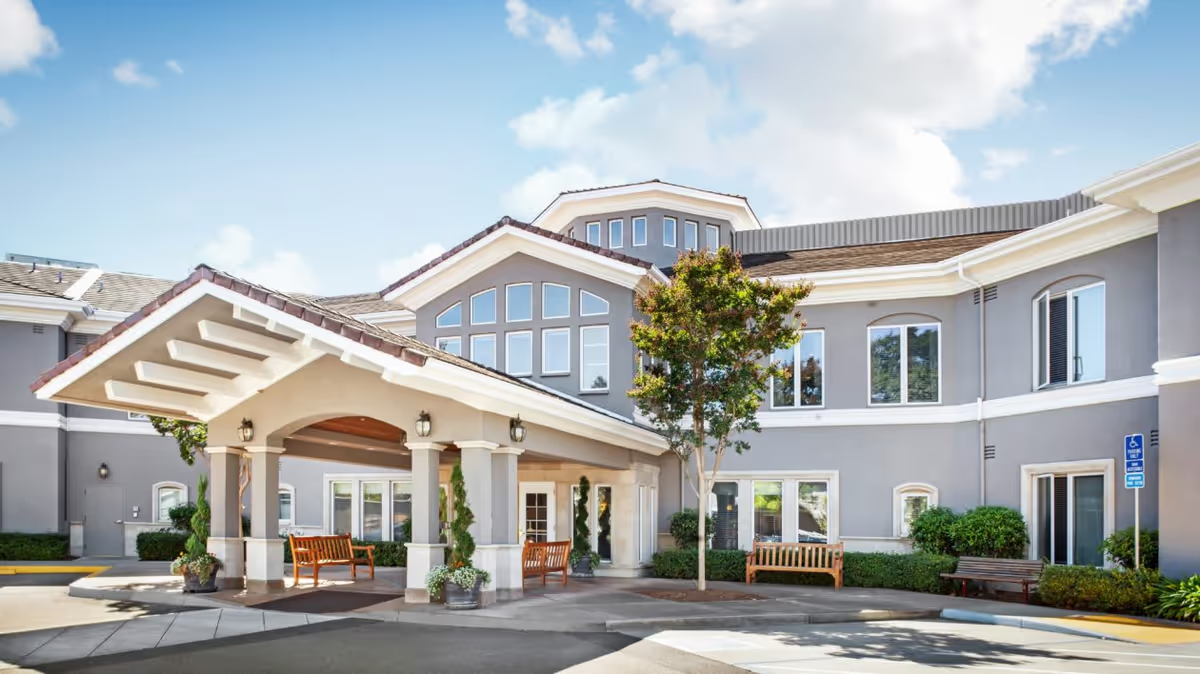
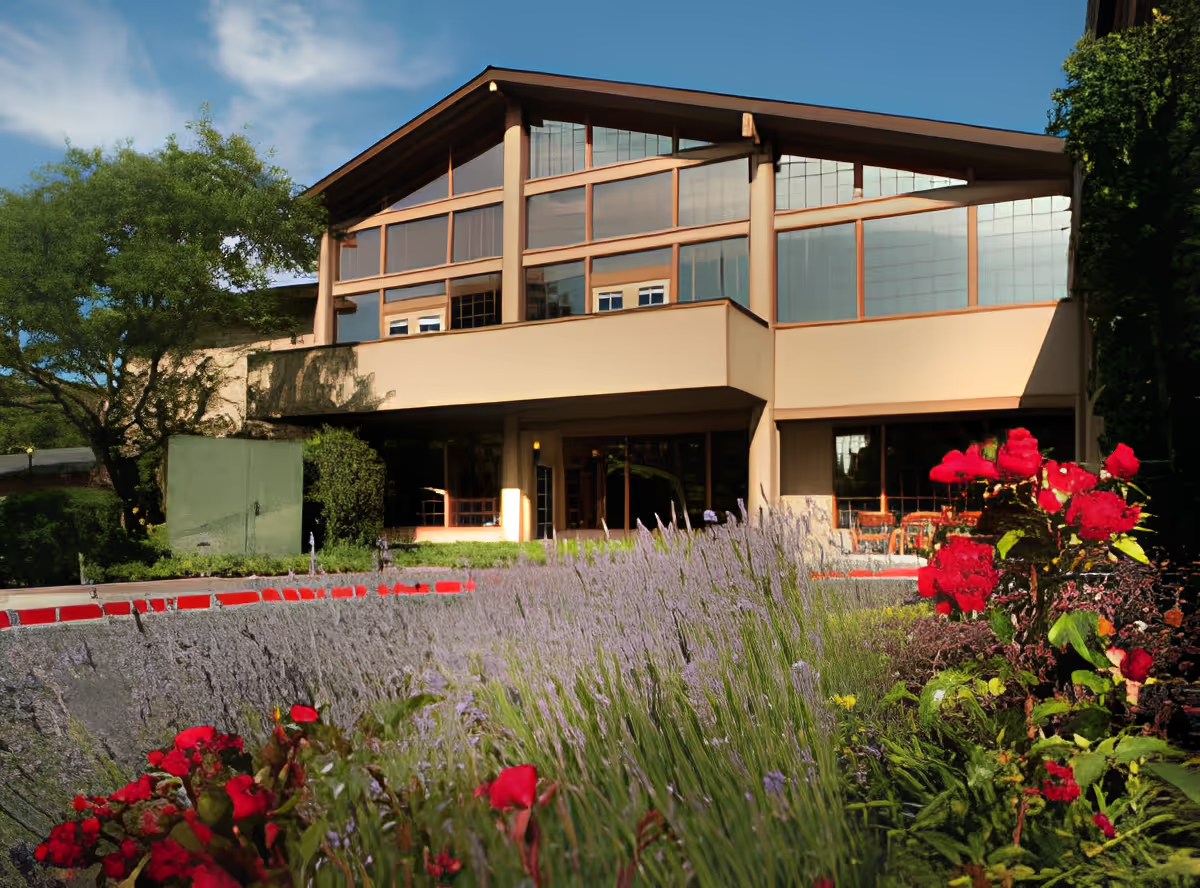
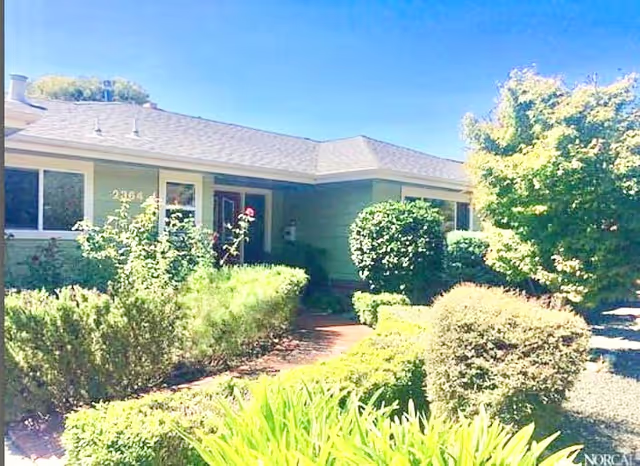
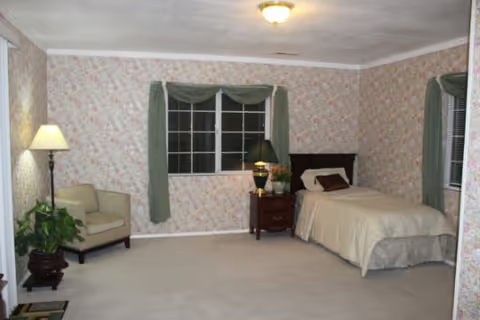
Spring Lake Village presents as a high-end continuing-care community with substantial physical and programmatic strengths. Reviewers consistently describe an attractive, well-maintained campus in a scenic Santa Rosa setting, spacious and well-appointed residences, and a broad set of on-site amenities — including pools, a theater, gym, Bocce, woodworking, and restaurant-style dining areas. The community offers a wide range of activities and classes and provides transportation and mobility support that many residents find enables an active social life.
Care and therapy services receive mixed-to-positive assessments. Several accounts praise knowledgeable therapists, effective rehabilitation outcomes, and generally attentive day-to-day caregiving that helps residents regain or maintain mobility. At the same time, there are recurring operational concerns around continuity of post-acute care and timely follow-up after procedures; reviewers described delays in routine recovery tasks and interruptions in expected service after surgery or medical events, indicating unevenness in handoffs and recovery support.
Staffing and interpersonal interactions are another mixed domain. Many reviewers characterize staff as friendly, professional, and caring, and highlight a welcoming community atmosphere for long-term residents. Conversely, reports point to pressure on frontline staffing associated with compensation and resource choices, and to instances of delayed responses to urgent calls. Relatedly, several accounts raise concerns about the tone and responsiveness of management in certain situations, and describe a culture where accountability and clear escalation pathways appear inconsistent.
Dining and activities are generally strong selling points. Food is frequently described as high quality with varied menu options and restaurant-style service; activities programming is broad, ranging from fitness and arts to outings and spiritual services. Virus-related restrictions and periodic staffing or leadership changes have, in some instances, altered how meals and activities were delivered, producing variability in the resident experience over time.
Facility management and communication show notable patterns of strength and weakness. On the positive side, the property is consistently reported as clean, secure, and well-landscaped, with many residents describing a ‘‘cruise-ship on land’’ atmosphere. On the negative side, reviewers raise concerns about high upfront and ongoing costs (including non-refundable buy-ins and ancillary charges), limited transparency around fees, and instances of poor emergency communication — delayed hotlines, inaccurate information during evacuations, difficulties accessing medications, and reliance on families to locate residents during crises. Those operational gaps suggest opportunities for clearer emergency protocols, more reliable family notification systems, and improved transparency in financial practices.
Overall, Spring Lake Village offers strong physical amenities, an attractive environment, and substantive therapeutic and activity resources that many residents value. Prospective residents and families should weigh those strengths against the facility's cost structure and the documented variability in emergency responsiveness, post-acute continuity, and management communication. For those who can comfortably absorb the financial commitment and prioritize amenities and on-site services, the community may be an excellent fit; families for whom consistent crisis communication and guaranteed post-acute care continuity are paramount should seek detailed operational assurances and written protocols prior to commitment.