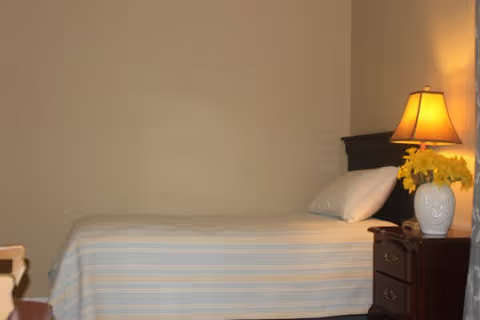
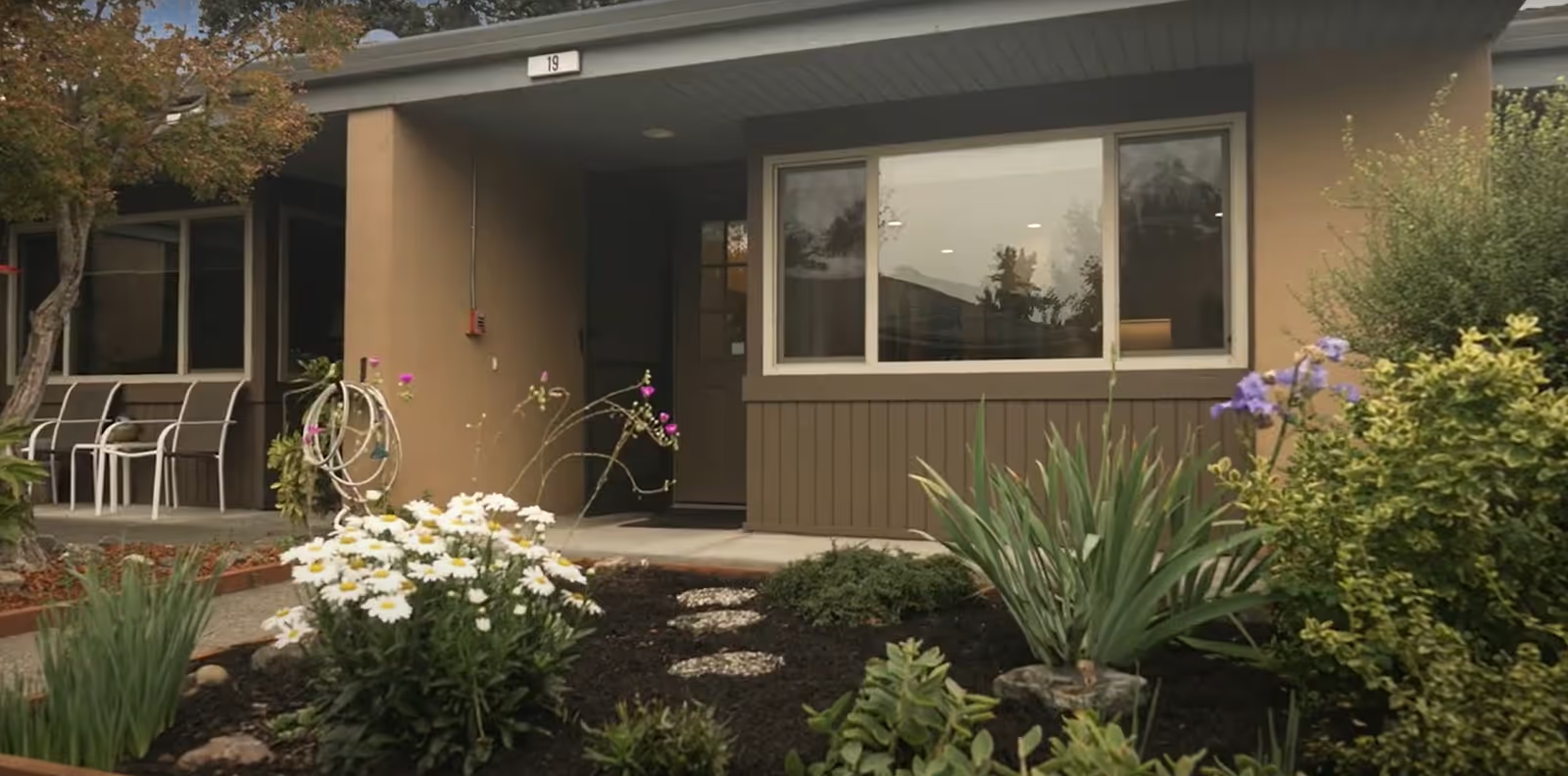
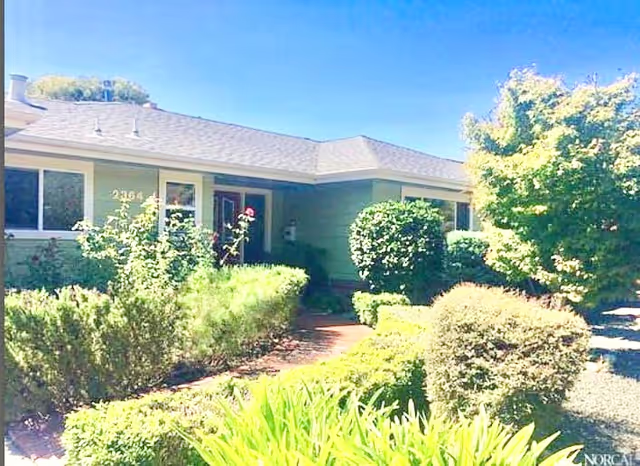
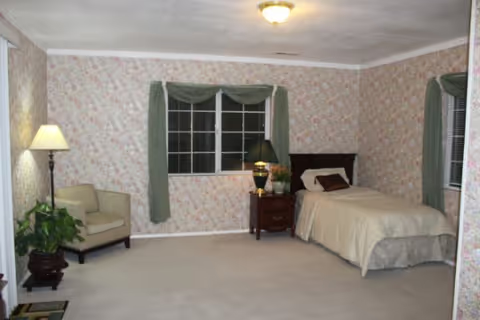
St Francis Care Home appears to be a very small, family-operated facility that offers a close-knit, home-like environment. Several accounts emphasize individualized attention, private and roomy accommodations, and oversight by a registered nurse-owner — factors that align with a model of care oriented toward personalized support. The home is generally described as affordable and visitation-friendly, with an open-door policy that supports family involvement.
Care and staff: Reviews reflect a split perception of care. A number of narratives highlight engaged, cooperative staff and a higher level of daily-living assistance, which suggests staff can provide attentive, person-centered care when staffing and leadership are aligned. However, there are also statements indicating variability in staff engagement and training; these suggest that the resident experience may be sensitive to personnel changes or differing expectations about skill sets. Prospective families should clarify staff training, turnover, and supervision during a tour.
Dining: Opinions on meals are mixed. Some describe appetizing, home-style food and festive holiday meals, while others comment that food presentation and quality can be poor. This pattern points to inconsistency in the kitchen or meal-service delivery rather than a uniform strength or failure; observing a meal service during a visit will give a better sense of current practices.
Activities and social life: The facility is credited by some with a lively social atmosphere, including singing, dancing, and activities that matched an individual’s needs. Conversely, other observations describe a lack of activities or low engagement. This suggests that activity programming may vary depending on the resident mix, staff availability, or the priorities of current management; families should ask for an activity schedule and examples of recent programming relevant to their loved one.
Facilities and maintenance: Descriptions of the physical environment are polarized. Several accounts describe bright, clean, and updated rooms, while others describe dinginess, need for paint, and general upkeep concerns. This indicates inconsistent interior maintenance and appearance; it may reflect recent changes, variable unit-level upkeep, or differing expectations. A focused walkthrough of the rooms, hallways, and common areas will help assess current condition.
Management and policy constraints: Management involvement is reported positively in many accounts, with the RN-owner and cooperative management noted as strengths. At the same time, there are operational limitations to be aware of: the home may have limited capacity to manage advanced dementia needs and there are hospice-related eligibility and length-of-stay constraints that can affect care transitions. These are programmatic characteristics rather than isolated incidents and should be discussed directly with leadership when evaluating fit.
Notable patterns and guidance: The overall picture is mixed — the facility seems capable of providing warm, individualized care in a small, home-like setting, especially when staffed and managed as described by the more positive accounts. At the same time, variability in maintenance, staff engagement, dining, and activity offerings suggests the resident experience can differ depending on timing, staffing, and resident acuity. Prospective families should prioritize an in-person visit that includes observing staff–resident interactions, attending a meal and an activity if possible, reviewing staff training and turnover, and clarifying policies around dementia care and hospice eligibility to determine whether the home matches their loved one’s needs.