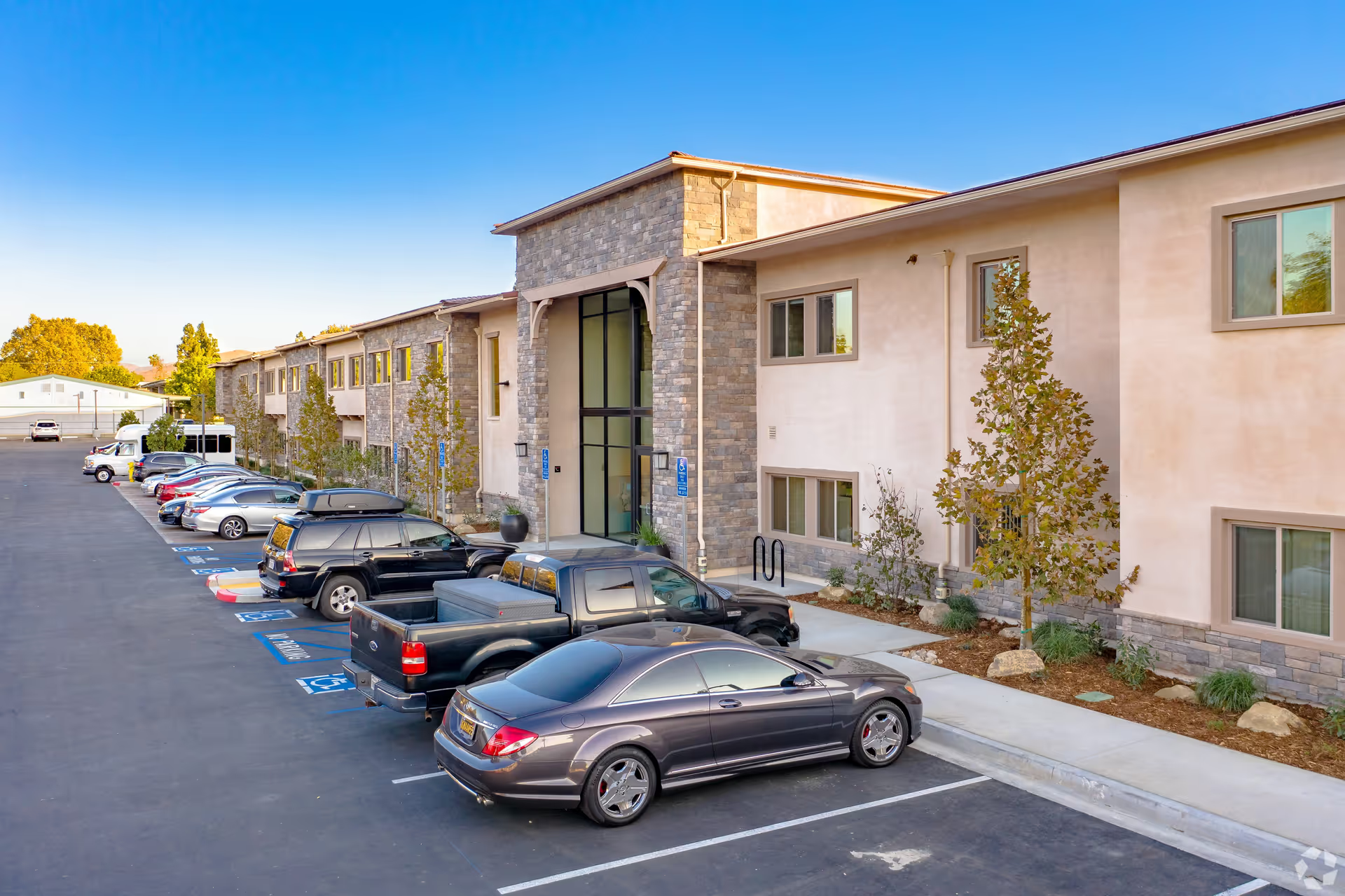
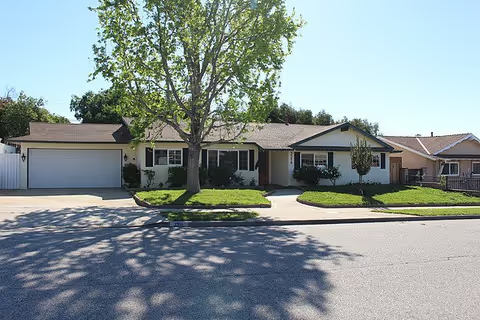
Alta Vista Simi presents as a small, owner-operated residential assisted-living home with several strengths and some operational weaknesses prospective families should weigh. Positive themes include consistently warm, respectful interactions between staff and residents, individualized care plans, and an accommodating ownership/management presence. The property itself is frequently described as attractive and tastefully decorated, with scenic surroundings and a home-like atmosphere. Room offerings include a range of private and shared configurations and many units include private bathrooms; reviewers also noted hospice-capable services and English-speaking staff as convenient features.
Care quality appears mixed. Many reviewers praised CNAs and caregiving staff for attentiveness, dignity-preserving interactions, and personalized attention. However, other reviewers raised concerns about responsiveness during certain periods, particularly overnight. These concerns point to a staffing model that may include sleeping shifts or limited active overnight coverage rather than continuous engaged nighttime supervision. Reviewers also described issues consistent with incontinence-care concerns and delays in attention at night; these indicate areas where the facility’s overnight protocols and staffing patterns may not meet all families’ expectations.
Activity programming and daily engagement were described inconsistently. Some families observed an initial level of organized activities and social engagement that later diminished; this suggests that activity offerings may be variable over time or dependent on staffing and resident census. Dining was not described in detail in the available summaries, so no consistent assessment of meal quality or service can be drawn from these comments.
Facilities and room quality are generally seen as positive, but the reviews indicate variability. While many rooms and common areas are described as comfortable and well-maintained, some units are much smaller and may feel cramped compared with others. Cleanliness and a pleasant environment were affirmed by several visitors, yet the operational concerns noted above (overnight coverage and incontinence-care responsiveness) intersect with perceptions of care quality and sanitation standards for some families.
Management and availability show both strengths and limits. The owner-operated model and direct, accommodating management are repeatedly cited as advantages; the facility’s demand and associated waitlist also indicate a level of community interest. At the same time, limited bed capacity and the observed operational patterns around staffing and activities suggest that prospective residents should ask detailed, specific questions during tours — particularly about overnight staffing models, incontinence-care protocols, activity scheduling, and the exact room assigned — to ensure the facility’s practices align with their expectations and clinical needs.