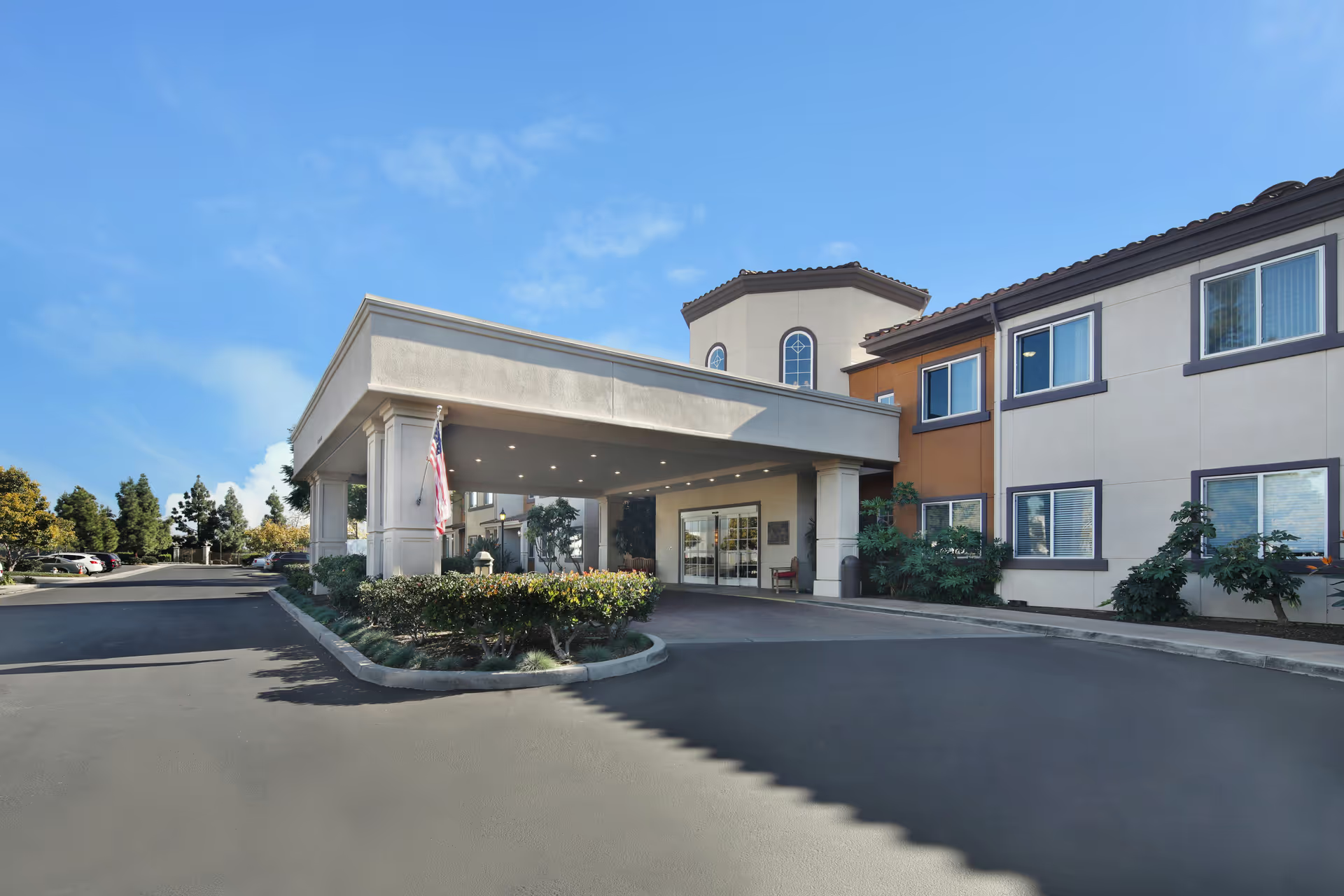
Reviews of this facility present a mixed picture: many commenters praise the clinical and rehabilitative strengths while others describe significant operational and communication shortcomings. Positive commentary centers on nursing and therapy care, effective rehabilitation outcomes, and a clean, modern environment. At the same time, reviewers raise recurring concerns about billing practices, discharge handling, documentation access, and emergency response.
Care quality and clinical operations: Numerous families and residents described compassionate, knowledgeable nurses and a competent therapy team that produced good rehabilitation outcomes for some patients. However, there are persistent concerns about timeliness of clinical response—particularly during night shifts—and delays in administering pain medication. Reviewers also flagged inconsistent medication management and prescriptions that they perceived as inappropriate. Several accounts describe gaps in discharge planning and coordination with outside payers, which created stress for families and prolonged stays.
Staff and communication: Many staff members are described as warm, supportive, and attentive; specific nurses and therapy staff received strong praise. Conversely, other reviewers described variable professionalism from administrative and social-work personnel, including poor phone communication, dismissive interactions, and difficulty obtaining documents. These communication failures extend to family updates and coordination of care, contributing to frustration and escalation in some cases.
Dining and activities: Meal quality received generally favorable remarks, with some reviewers calling the food excellent. At the same time, there were concerns about inconsistent adherence to prescribed diets and occasional mismanagement of meal delivery. Activity programming earned mixed feedback as well: some families appreciated engaged staff and programming, while others observed inattentive or under-resourced activity coordination.
Facilities, safety, and personal belongings: The facility’s cleanliness and room size are often cited as strengths. However, several reviewers noted personal-property security issues, including missing clothing and personal electronics or radios. These allegations led some families to pursue external remedies. There were also mentions of sanitation concerns in a minority of accounts.
Management, billing, and regulatory patterns: A notable pattern involves financial and administrative practices—complaints about pressure to convert to private pay, undisclosed upfront cost estimates, and difficulties with Medicare/insurance authorizations were raised. Reviewers described challenges obtaining records and perceived deflection by social-work staff when addressing clinical or financial questions. In multiple cases, incidents were escalated to external authorities or regulatory bodies; some reviews specifically referenced complaints to Adult Protective Services, state public-health agencies, local ombudsmen, or law enforcement. Allegations of withheld documents and missing personal items prompted these escalations in a subset of cases.
Overall, prospective families should weigh the facility’s clinical and rehabilitative strengths against documented operational weaknesses. The facility can deliver effective therapy and displays strong caregiving by many staff members, but observers should plan for active engagement with administration on discharge planning, billing transparency, medication protocols, documentation access, and personal-property safeguards. Visiting in person, asking for written estimates and care plans, confirming medication and emergency protocols, and clarifying documentation-access procedures are reasonable steps for families considering placement.