Aegis Living San Francisco presents a blend of strong clinical resources, robust social programming, and hotel-like physical accommodations alongside operational challenges around leadership, pricing, and memory-care staffing.
Care and clinical services: The facility is repeatedly noted for 24-hour nursing coverage and on-site clinical support that accommodate higher-acuity needs such as Parkinson’s disease and diabetic management. Families describe attentive, personalized caregiving and effective onboarding for new residents. There are positive accounts of nursing responsiveness and hands-on care that contribute to residents maintaining independence in some cases. At the same time, reviewers identified variability in clinical leadership accessibility and requested clearer medical communication and appointment coordination, with specific concerns about responsiveness from the medical director.
Staff and culture: Staff members—especially nurses, life-enrichment coordinators, and housekeeping—are frequently described as kind, respectful, and engaged; several individual staff received specific praise. The life-enrichment team is highlighted as energetic and effective at generating social connections. However, comments indicate inconsistent management practices and periodic leadership turnover, which some families feel affects continuity and tone. Staffing stability is mixed: while some reviews emphasize low turnover and continuity, others describe higher frontline turnover and training gaps, particularly in dementia care.
Dining and nutrition: Dining is a clear strength in terms of food quality and variety. An on-site executive chef and well-prepared meals earned multiple compliments for taste and selection. The menu offerings and portion sizes are often praised. Operationally, there are recurring notes about meal-service practices—timing of courses, assistance for residents with eating needs, and occasional inflexibility around dining times—that suggest room for improvement in service delivery rather than food quality.
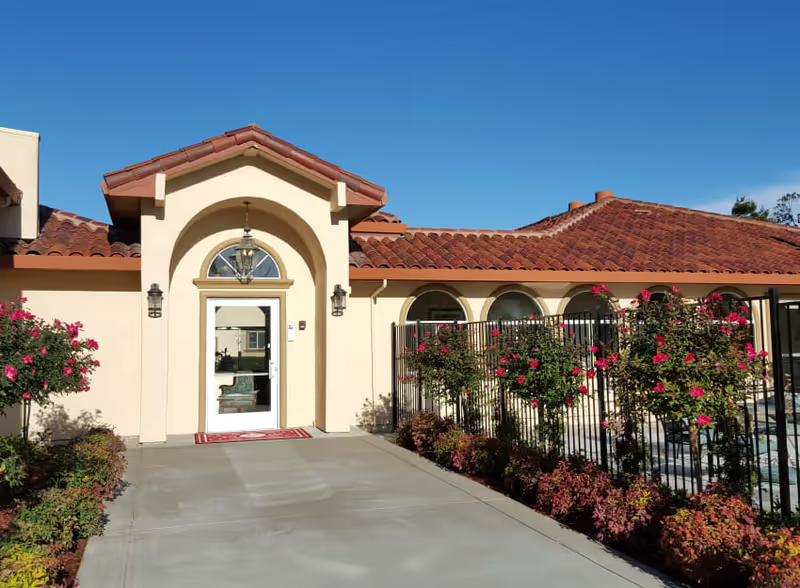
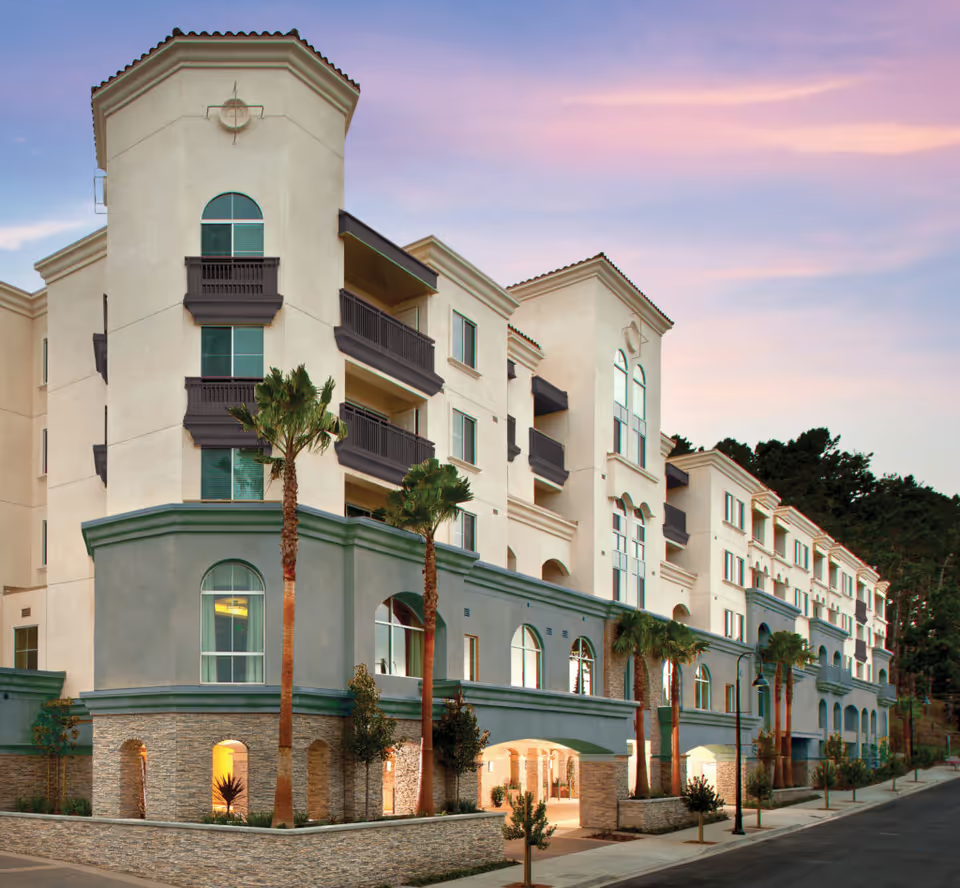
Activities and amenities: The community offers a broad calendar of activities and amenities: quilting, gardening, arts and crafts, physical therapy space, live music, movies, scenic drives, and day trips. Residents frequently participate and form friendships. Facilities are described as well-appointed and hotel-like, with large apartments (some with kitchens), accessible bathrooms, indoor/outdoor gardens, courtyards, and scenic views. Salon/barber services, a gym, and on-site therapy are additional conveniences. The facility’s size supports many amenities but contributes to long internal walking distances for some residents.
Management, pricing, and logistics: Several families raised concerns about pricing transparency, point-based pricing models, and frequent fee increases, producing anxiety about long-term affordability. Parking capacity and the property’s relative isolation from neighborhood walkability were also noted as practical constraints. Cleanliness is generally described as high, but there are isolated concerns about odors and incontinence-care practices in certain common or memory-care areas that prospective families should assess during a visit.
Overall patterns and recommendation guidance: Prospective residents and families should expect strong clinical nursing coverage, varied and engaging activities, quality dining, and well-appointed living spaces. Considerations before committing include clarifying the current management structure and turnover patterns, obtaining detailed, written pricing and fee schedules, assessing dementia-care staffing and training in the locked memory unit, and touring the physical layout to evaluate walking distances and parking. An in-person visit focused on dining service, memory-care staffing, and current leadership responsiveness will help determine fit for particular clinical or social needs.