Across the review summaries there is a consistent thread of strong, relationship-focused caregiving. Many families describe a family-style atmosphere with gracious hosts, attentive caregivers, and personalized attention that led to improved comfort and mobility for some residents. Reviewers emphasize the staff's warmth, dementia-care expertise, and hands-on involvement; several accounts note peace of mind, dignity and respect, and long-term positive stays. Administrative coordination with hospice and physicians is highlighted as a strength in end-of-life and complex-care situations.
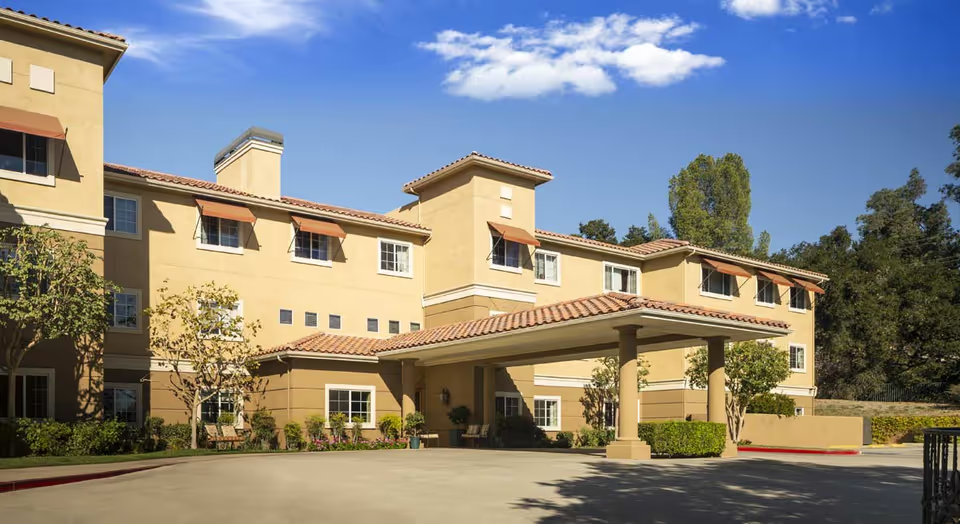
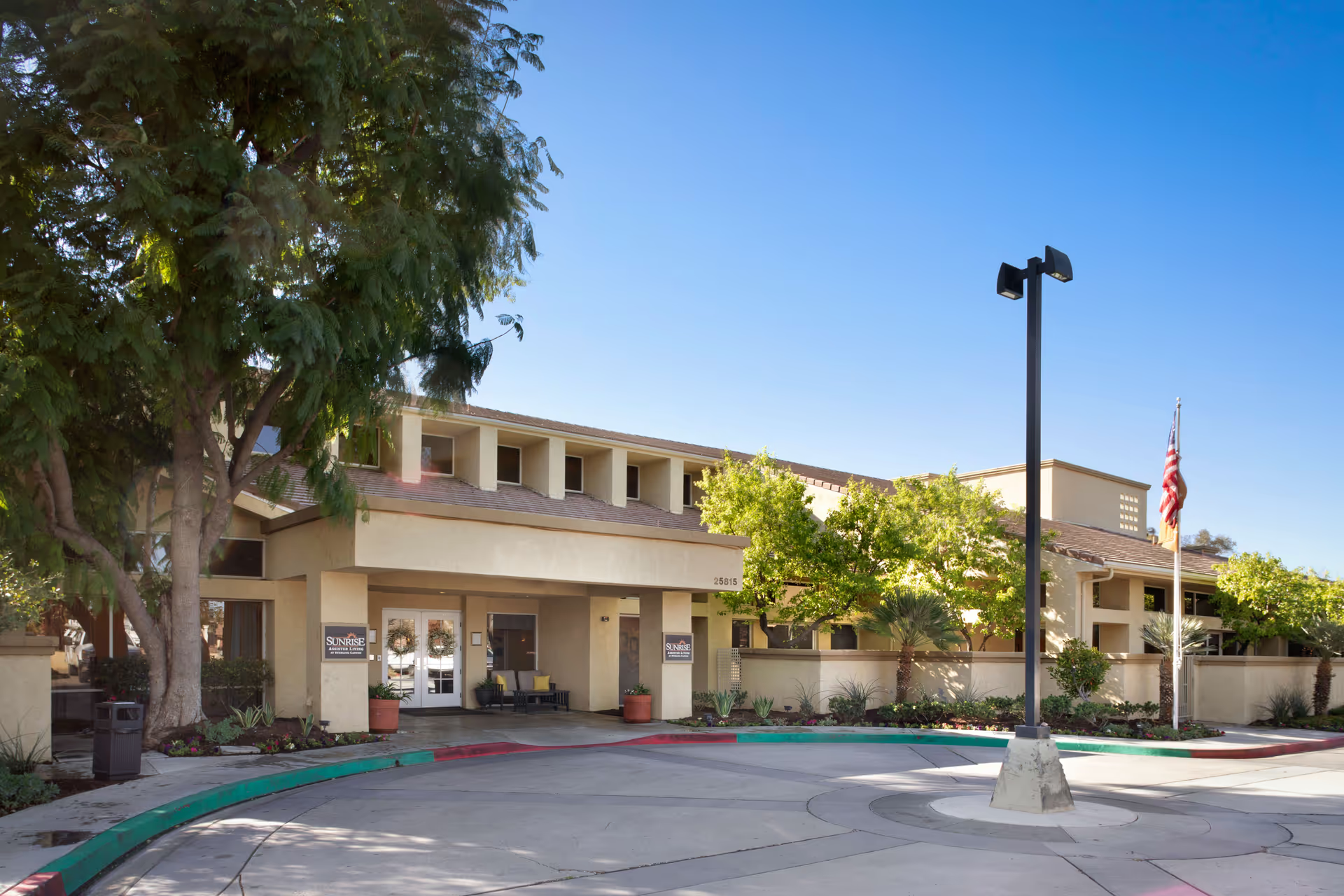
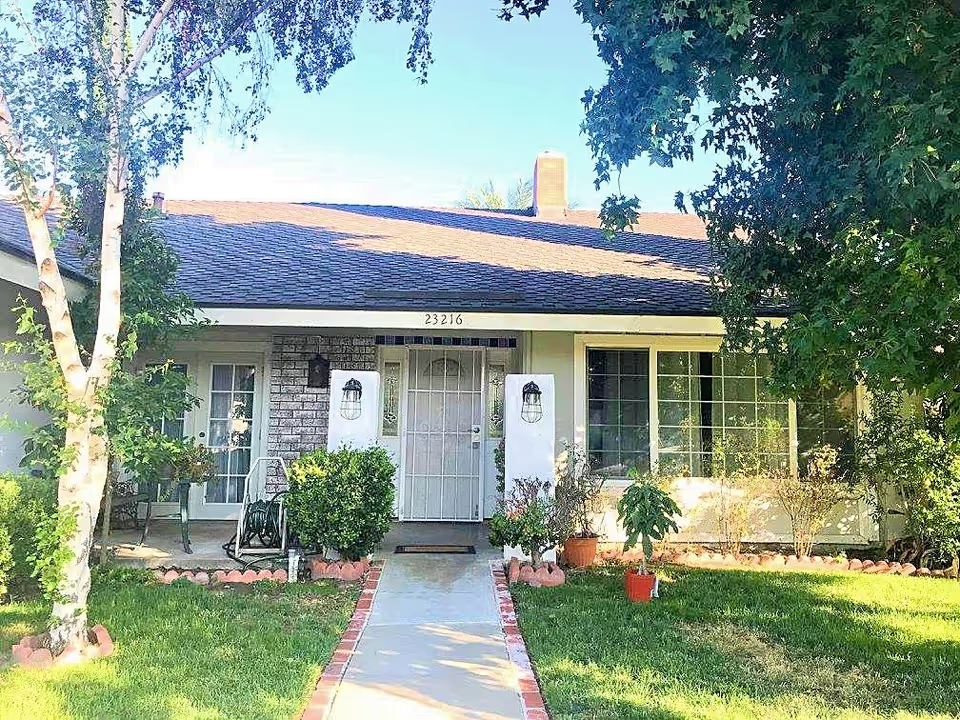
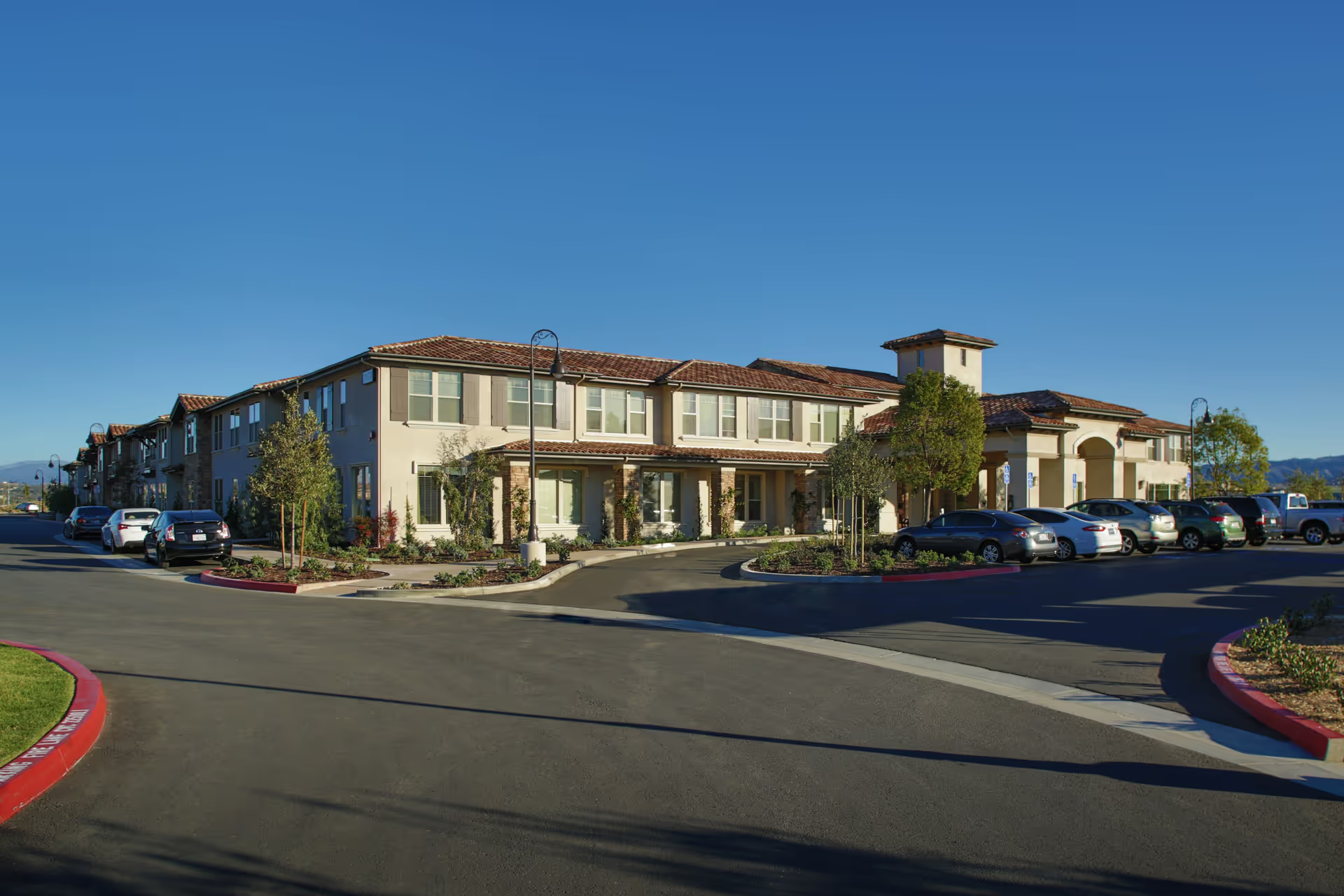
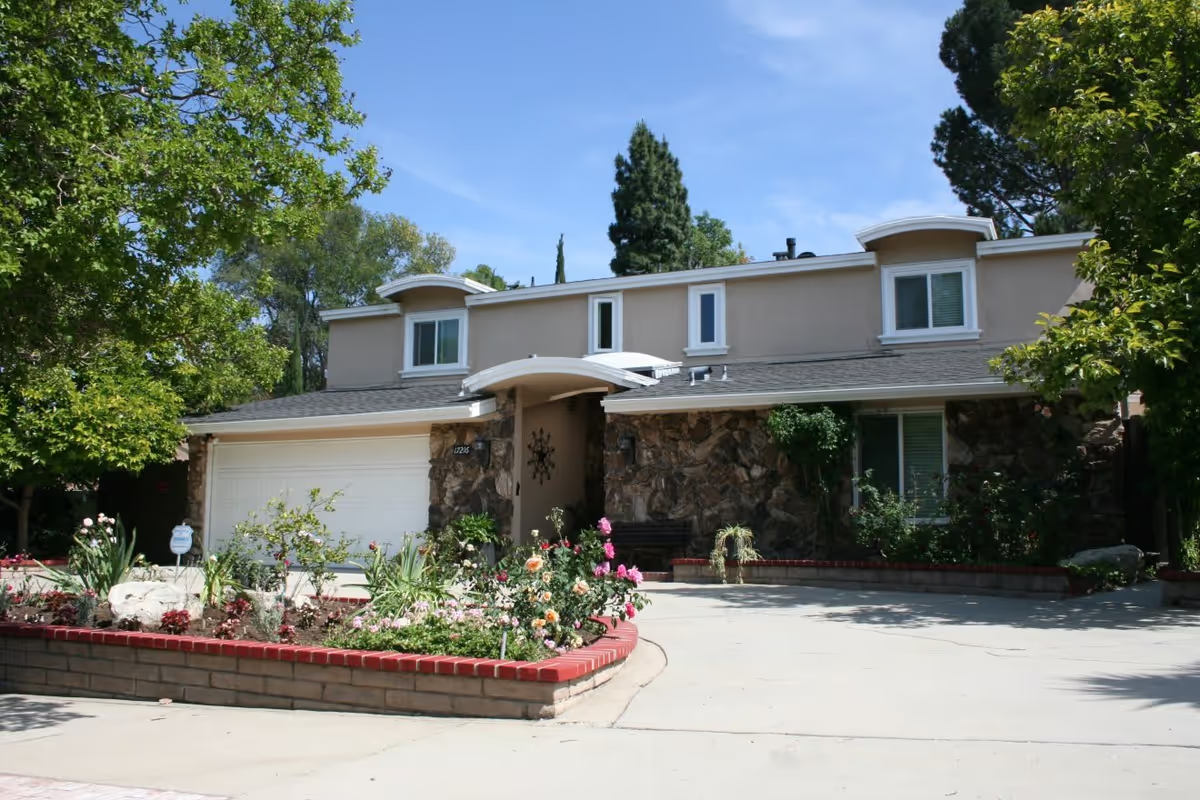
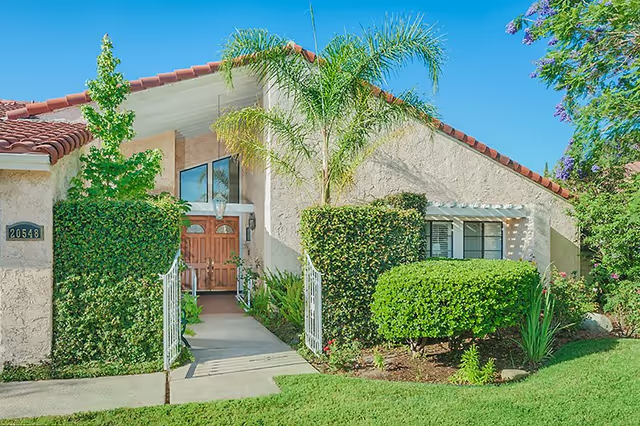
Dining and hospitality receive frequent praise: the program emphasizes home-cooked meals and small hospitality touches that contribute to a homelike environment. The facility is described as clean, charming, and well maintained. The presence of a resident pet and small-group hospitality (for example, beverage and snack offerings) reinforce the homelike character reviewers appreciated.
Activity programming and resident engagement are mixed. Some reviewers note daily outdoor time and organized activities that benefit residents, while others observe limited stimulation or listless residents who spend extended periods in their rooms. This pattern suggests that the community excels with residents who fit its quieter, close-knit model but may provide less appropriate stimulation for higher-functioning or more active individuals. Prospective residents and families should assess how activity offerings are adapted to different cognitive and mobility levels.
Care and clinical practice are generally described positively, with several accounts praising individualized attention and dementia-care knowledge. However, there are operational concerns related to medication handling and communication: a subset of families expressed unease about medication-related decisions and the timeliness of family notification. These comments point to the need for clear, facility-level policies on medication administration, consent/notification procedures, and nonpharmacologic approaches to behavioral symptoms.
Physical accommodations are well regarded for aesthetics and cleanliness, but private room size and personal-space limitations are recurrently mentioned. This can be an important consideration for those who prioritize larger private quarters or more storage and living space.
Overall, the pattern is of a small, value-oriented community with strong, compassionate staffing and a homelike feel that many families find highly supportive. At the same time, there are identifiable operational areas to vet during a tour: room dimensions and storage, how activity programming is tailored to different ability levels, and written medication-consent and family-notification practices. Families are advised to tour in person, ask targeted questions about dementia-care approaches and communication protocols, and evaluate fit relative to the prospective resident's activity and supervision needs.