Lincoln Square Post-Acute Care elicits a mixed set of impressions that cluster around two consistent themes: strong rehabilitative and hands-on caregiving in many cases, and operational inconsistencies that affect clinical continuity and family confidence in others.
Care quality and clinical services: Many families and former patients describe high-quality skilled nursing and rehabilitation programs. Physical and occupational therapy are frequently praised for restoring strength and mobility, and weekend therapy availability is noted as a positive asset. Several accounts emphasize successful hospital-to-facility transitions and attentive aftercare planning. At the same time, a pattern of clinical operational gaps appears in other accounts — primarily inconsistent medication administration at and after discharge, variable bathing and personal-care scheduling, and concerns about escalation when residents deteriorate. Those operational issues suggest uneven application of clinical protocols rather than uniformly poor care.
Staff and communication: The majority of positive descriptions focus on caring, friendly CNAs, nurses, and therapists who provide personalized attention, prompt updates, and occasional above-and-beyond assistance. Specific staff members are named positively, and Spanish-speaking staff and proactive communicators are highlighted. However, reviewers also describe staffing pressure and burnout, which correlates with slower response times to assistance requests and variability in staff conduct. Family communication is another mixed area: many families report clear, timely updates, while others describe poor communication, abrupt visitation restrictions, or management inflexibility that strained trust.
Dining, activities, and amenities: The facility offers a range of amenities that reviewers appreciate — an on-site library, a large TV room, recreational programming (bingo, music), outdoor walking opportunities, and regular housekeeping. The dining experience receives varied feedback: some describe an engaged chef who interacts with residents and decent food with substitutions available; others note menu repetitiveness and texture issues (meat tenderness) that affect residents with dental or swallowing needs.
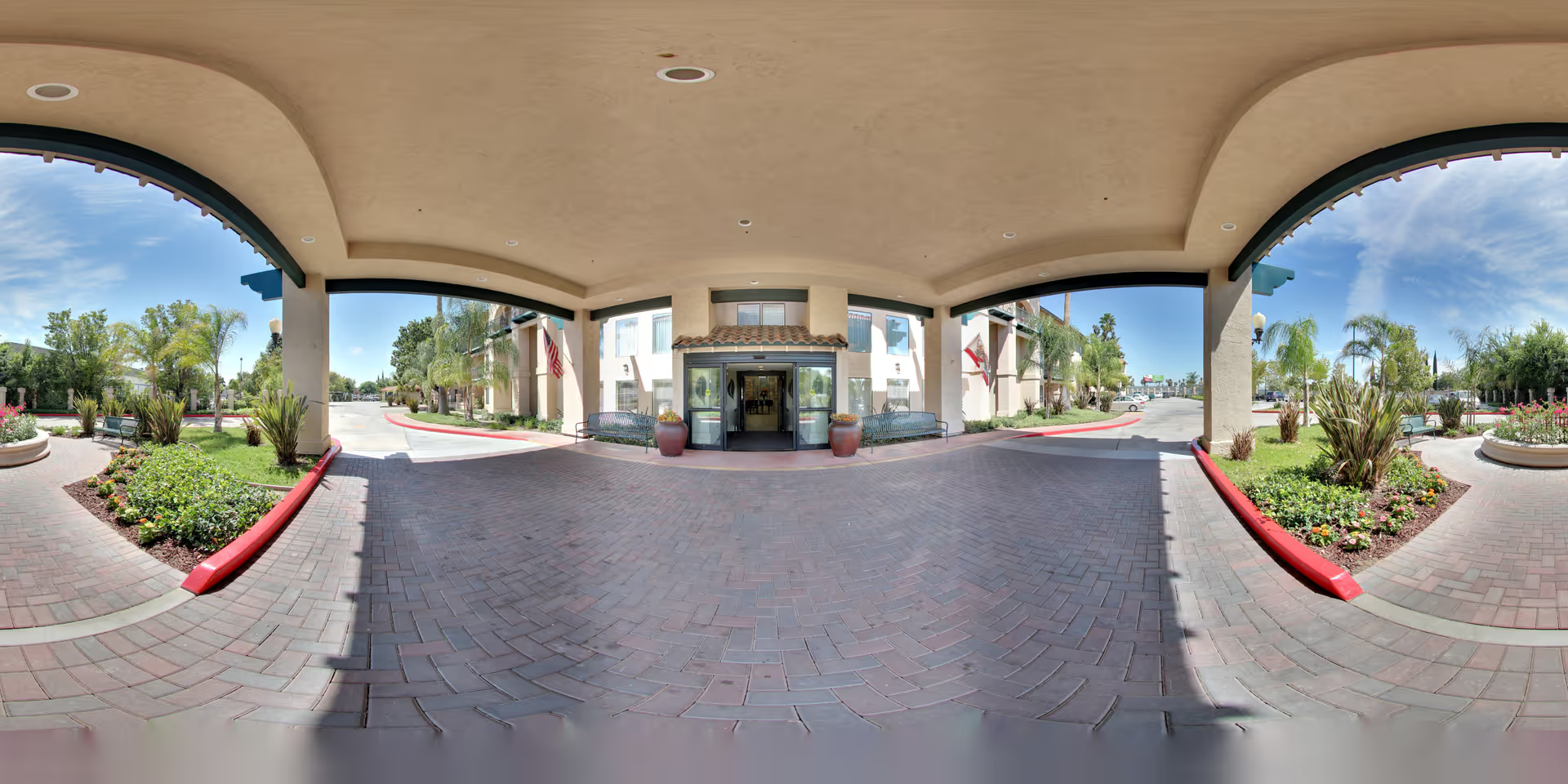
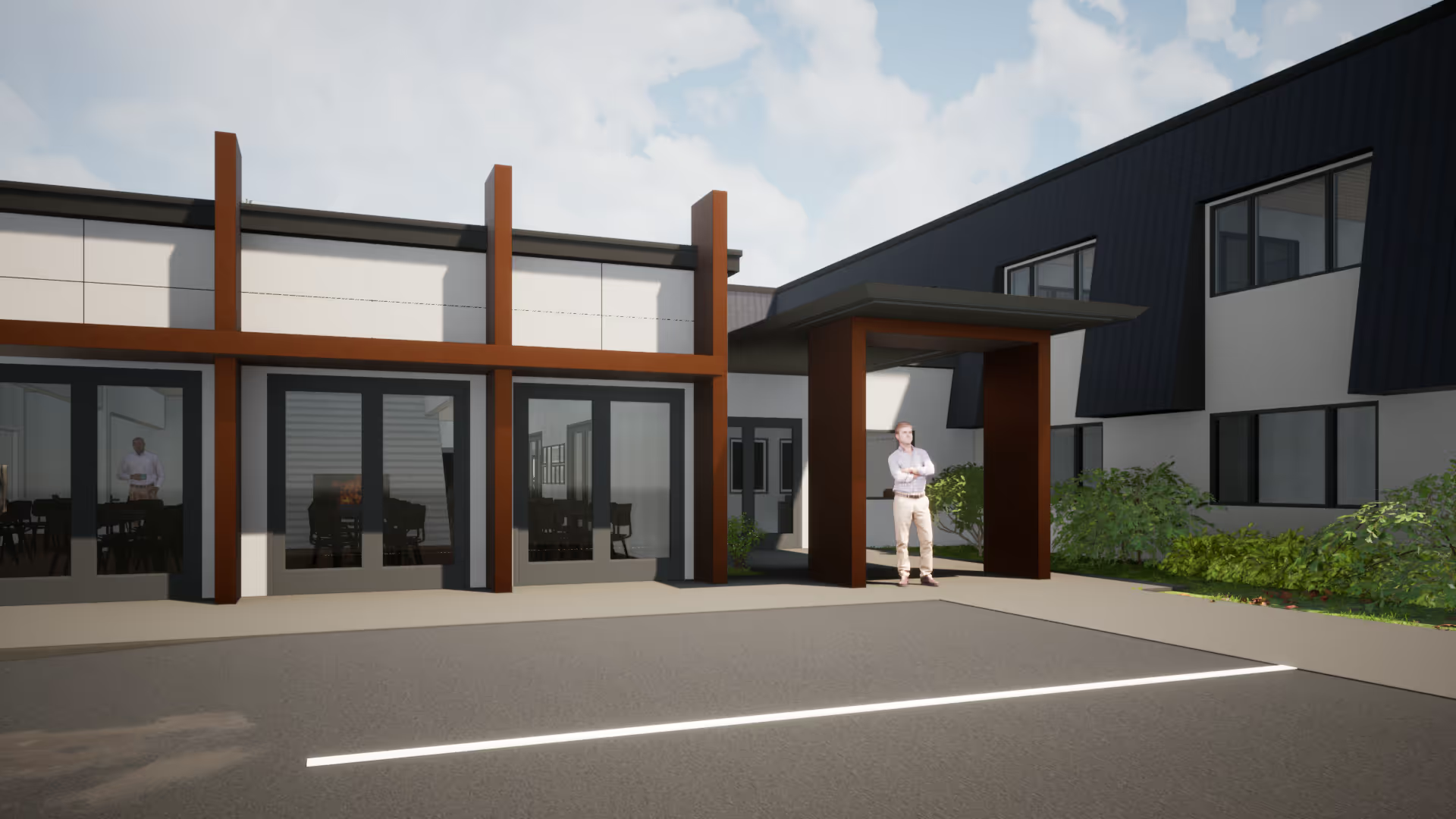
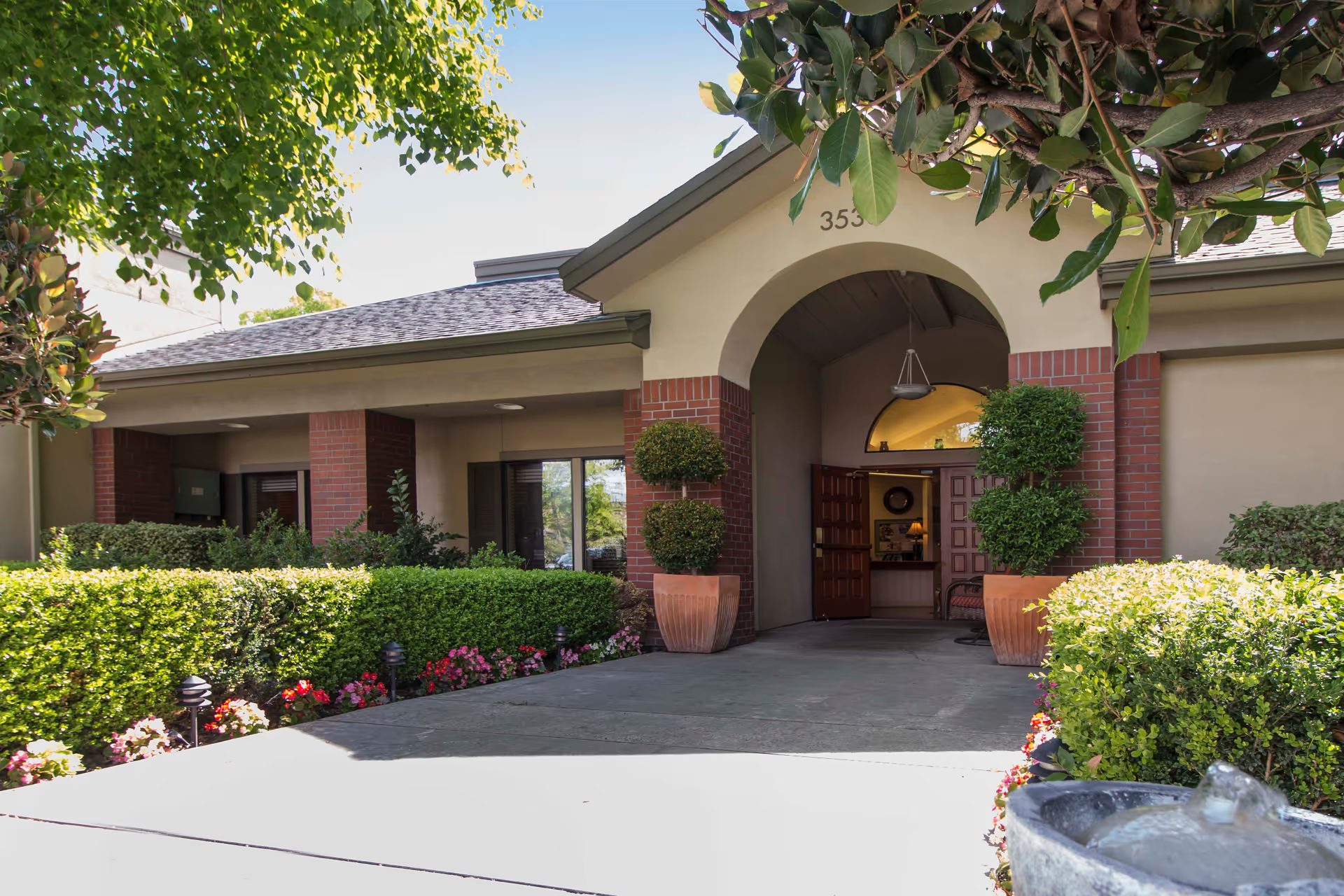
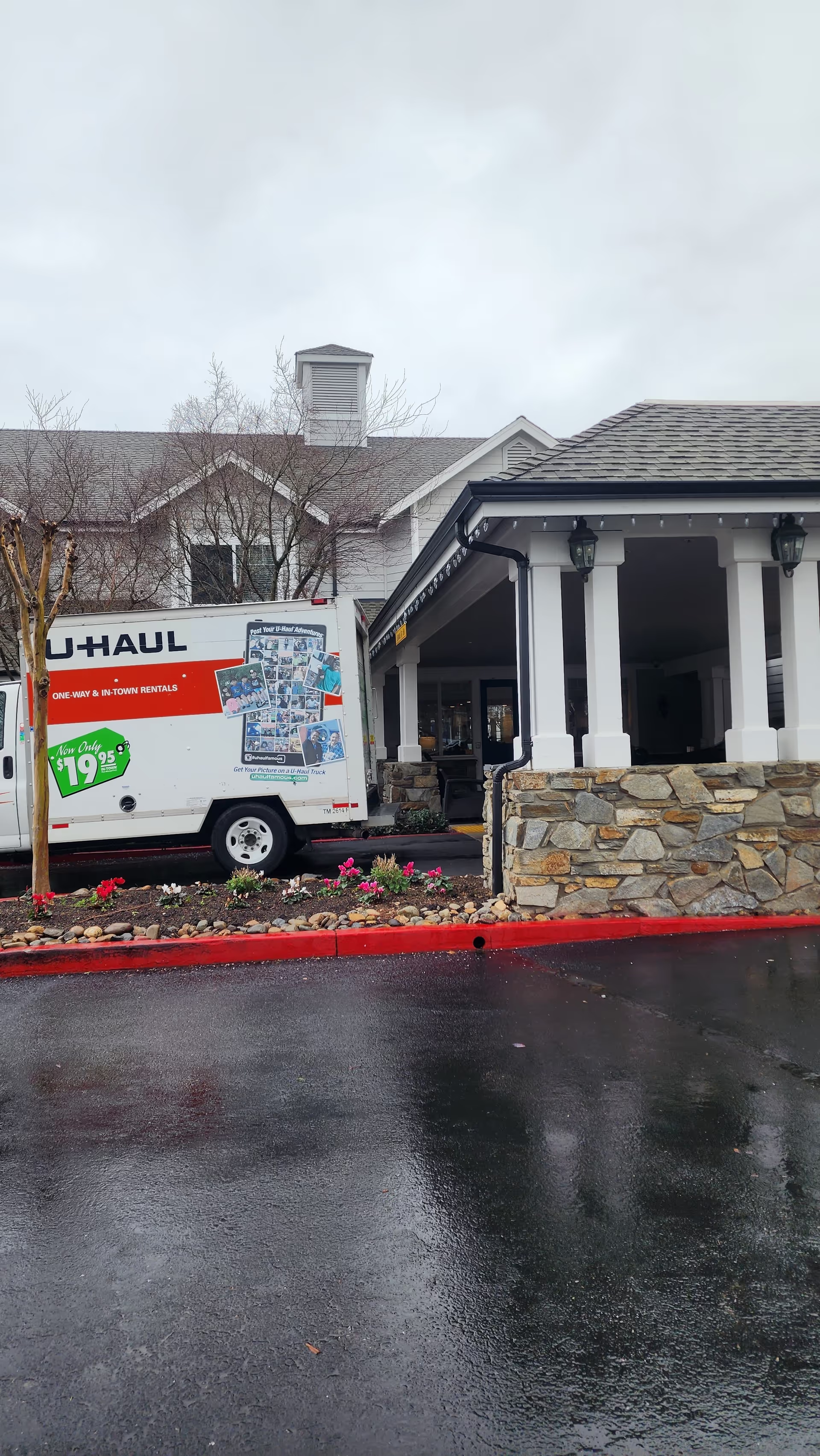
Facilities and cleanliness: Most accounts describe a clean, well-maintained environment with daily room cleaning and pleasant common spaces and landscaping. A subset of reports mentions sanitation or odor concerns in specific areas, indicating uneven environmental maintenance in parts of the building rather than a general lack of housekeeping.
Management and patterns to consider: Management is viewed positively when it supports family-centered care and clear transitions, but a number of reviews describe management decisions or policies (for example, strict visitation enforcement or perceived inflexibility) that created conflict with families. There are also consistent signals that staffing levels and workforce morale are stress points; when staff are well supported and attentive, the facility receives strong praise for rehabilitation and personal care, but when staffing is thin or policies are applied rigidly, families report lapses in responsiveness and clinical continuity.
Bottom line: Prospective residents and families should weigh the facility’s clear strengths in rehabilitation, many examples of compassionate direct care, and onsite amenities against recurring reports of operational inconsistency — especially around medication continuity at discharge, call-response reliability, personal-care scheduling, and variable management communication. If considering Lincoln Square, arrange a focused tour that includes the therapy areas, dining service at mealtime, observation of staff responsiveness to call systems, and specific discussions with management about discharge medication processes and visitation policies.