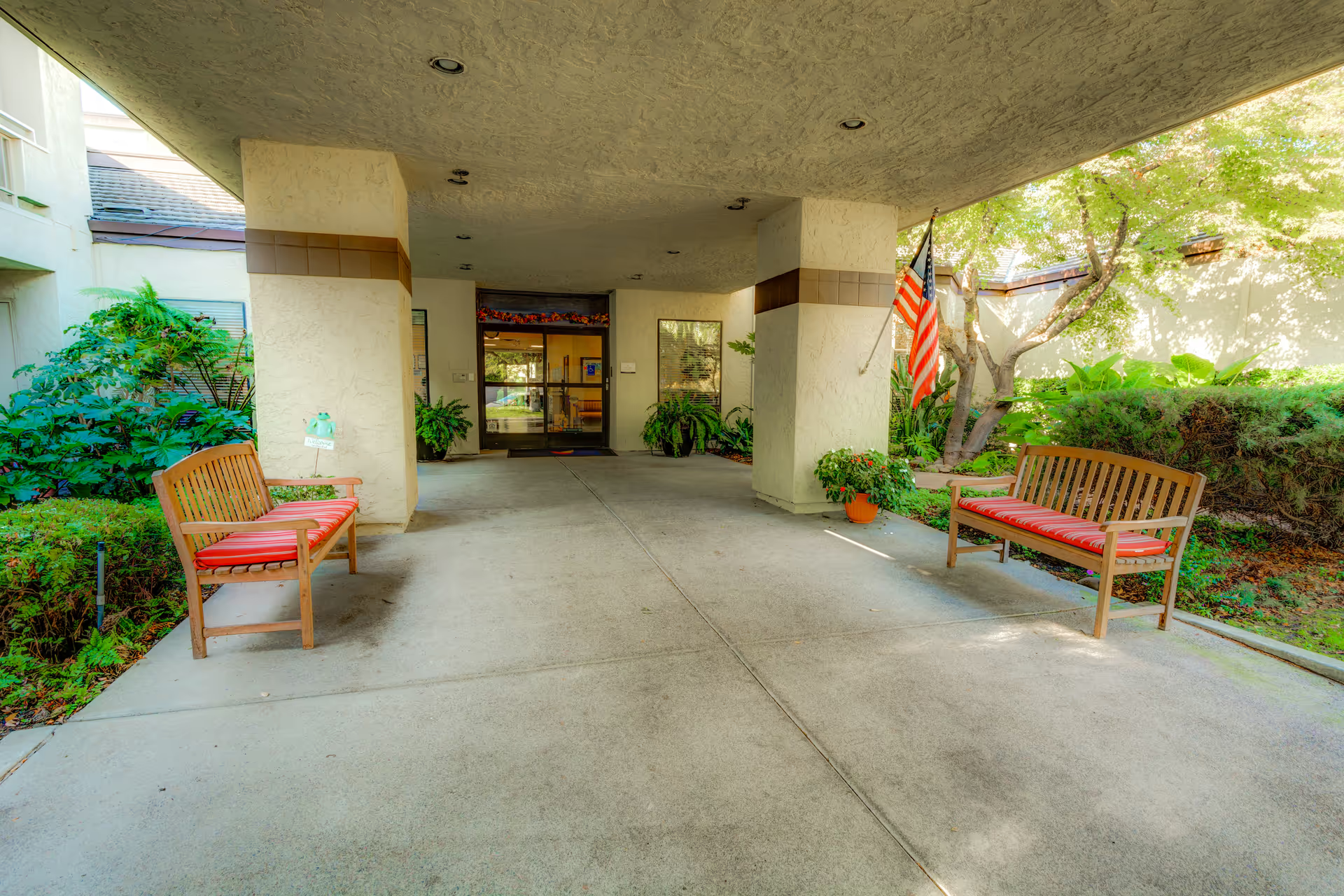
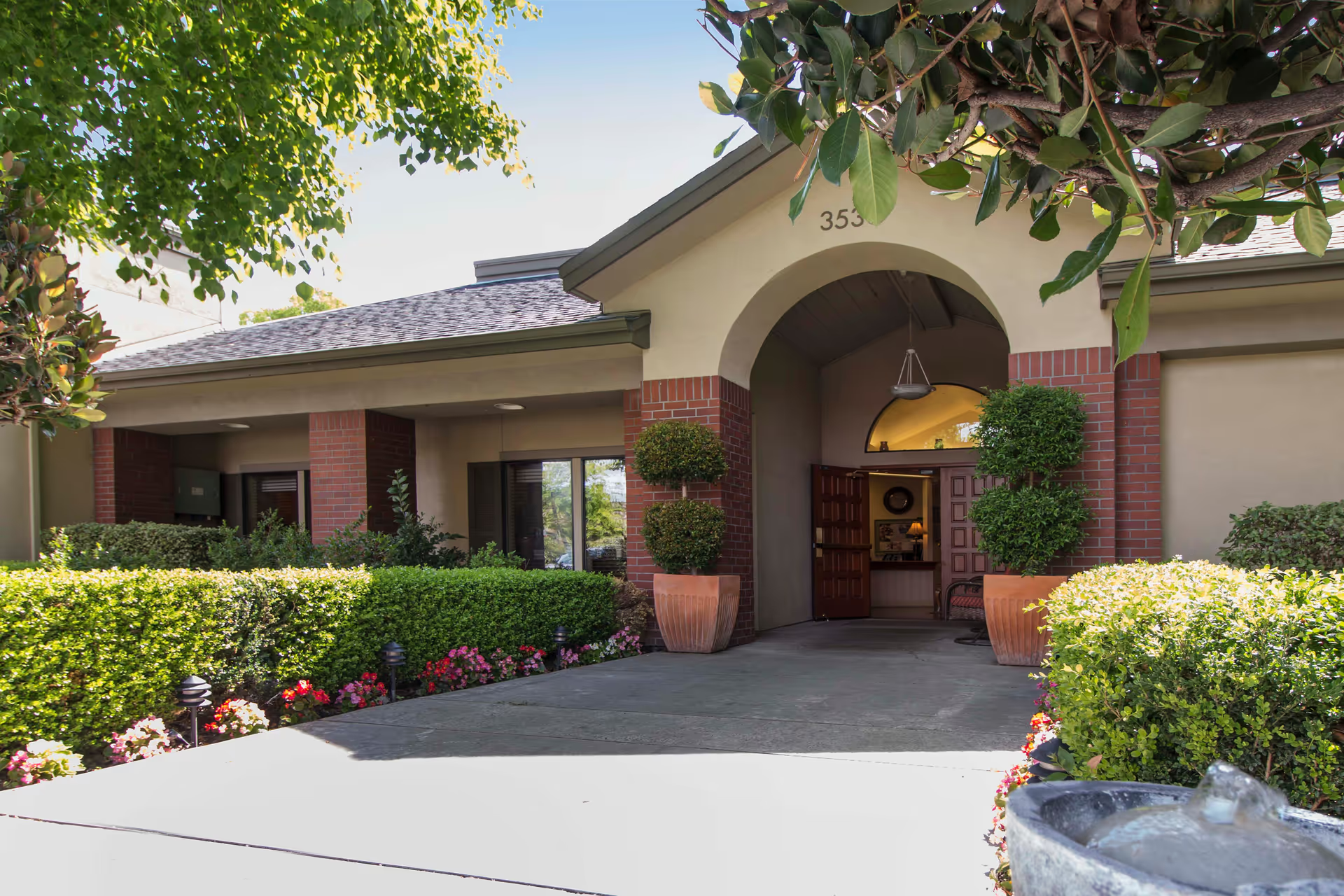
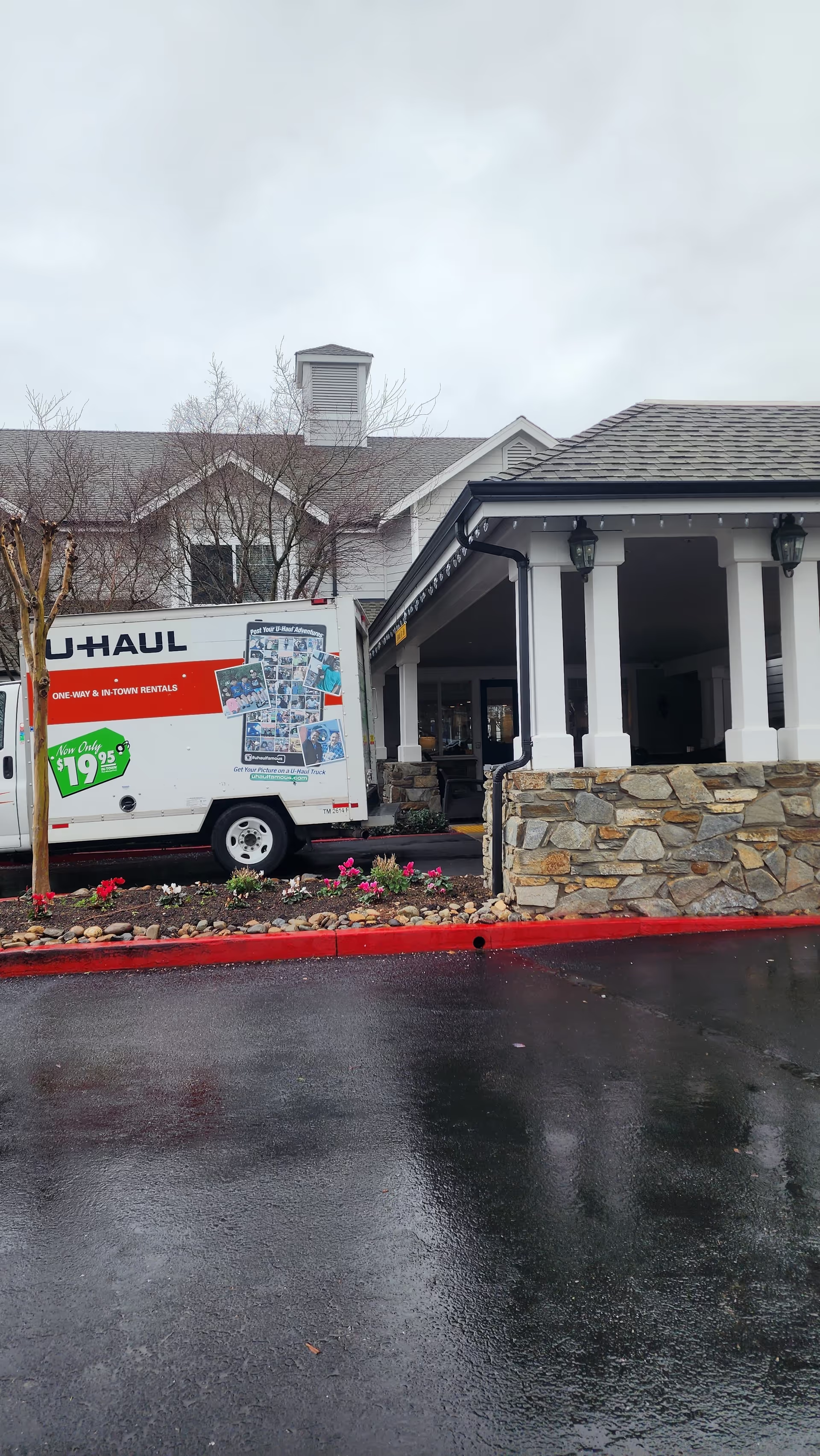
Reviews of Stockton Nursing Center present a mixed picture: several families and visitors described dependable clinical services and engaged programming, while others raised serious concerns about operational consistency and critical incident handling. Positive comments emphasize continuous nursing coverage, on-time medication administration, and individual nurses who provided hands-on support during recovery and rehabilitation. At the same time, a subset of reviews described events and outcomes that led to strong family dissatisfaction and calls for outside intervention.
Care and clinical oversight: Strengths cited include 24/7 nursing availability, skilled nursing staff, medication guidance, and an active physical therapy program that supported recovery from significant injuries. These elements suggest the facility can provide effective post-acute and rehabilitative care in routine circumstances. However, several accounts pointed to inconsistent care quality across shifts or cases and raised concerns about how the facility escalates clinical incidents. Some families reported serious medical events and questioned infection-management and escalation practices; those accounts contributed to stronger criticisms and calls for regulatory review.
Staff and communication: Many reviewers praised individual caregivers, noting helpful, compassionate nurses and staff who assisted with daily needs and therapy. Conversely, a recurrent operational issue is unreliable communication with families: an unresponsive phone system, lack of callbacks, and difficulty reaching or obtaining updates about residents. There are also broader concerns about staff responsiveness and conduct in certain situations, which reviewers identified as contributing to variable experiences.
Dining, activities, and facilities: The facility is described as providing three meals per day plus snacks, and several reviewers highlighted meaningful social and spiritual programming, including a successful Bible study and other resident-engagement activities. Facility climate control was generally described as comfortable by some families, but others reported significant HVAC failures that produced extreme indoor temperatures during outages, indicating uneven environmental resilience and emergency preparedness.
Management and notable patterns: Management-related issues include limited visitation flexibility for some families and operational failures that interfered with timely family communication. A small number of strongly negative accounts referenced severe outcomes and urged regulatory attention; these accounts amplified concerns about clinical-incident handling and overall oversight. At the same time, positive experiences focused on individual staff members and specific service areas (medication administration, PT/rehab, spiritual programming), which suggests variability in performance rather than uniformly poor or uniformly excellent operation.
Advice for prospective families: Visit in person, observe staff–resident interactions, and ask management for current staffing ratios, recent incident logs, and details on infection-control and emergency-preparedness procedures (including HVAC contingency plans). Test the facility’s communication processes by asking how family updates are provided and how phone/after-hours contact is handled. If spiritual programming, therapy services, or timely medication administration are priorities, request to speak with those department leads and, where possible, connect with current families for firsthand impressions of day-to-day consistency.