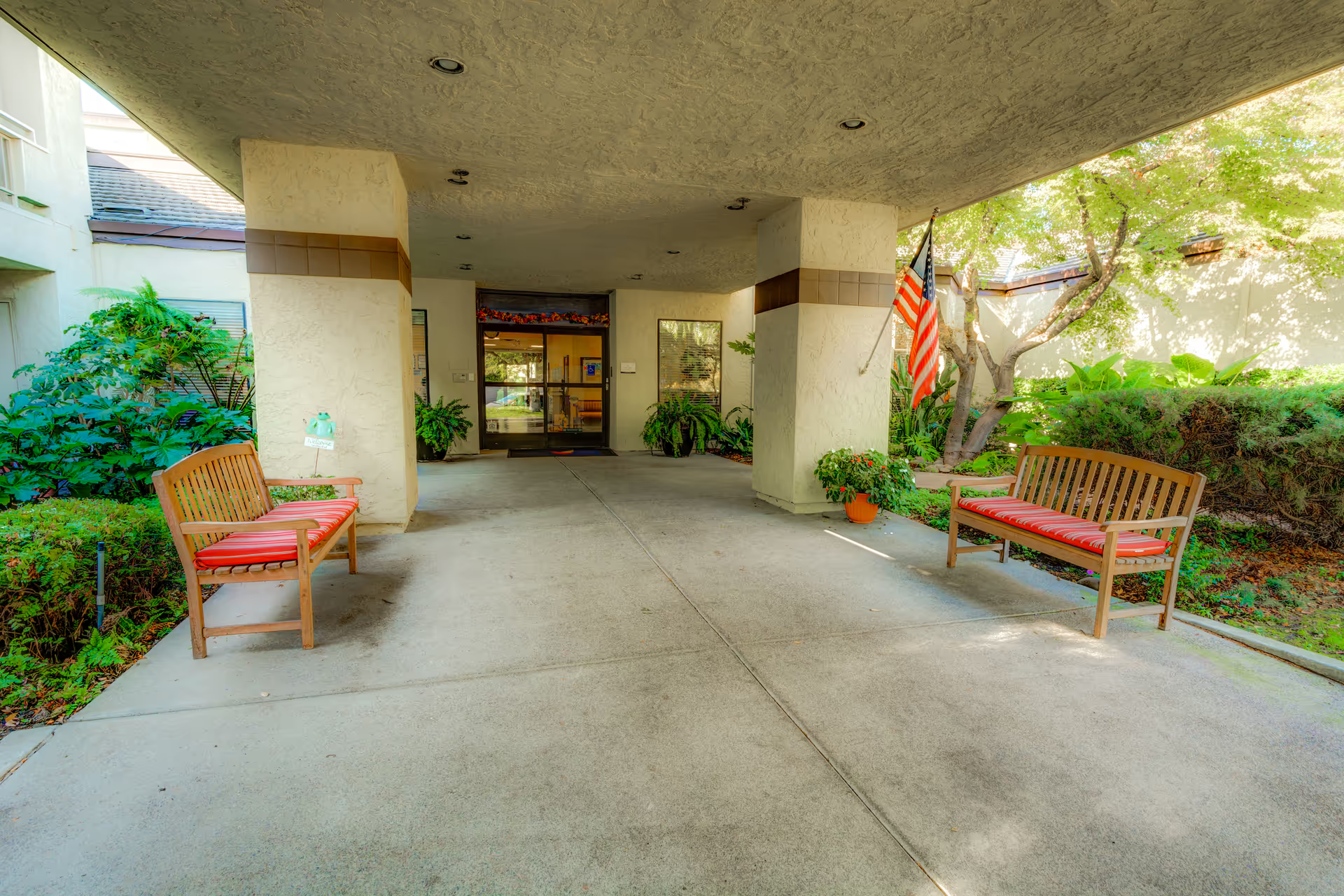
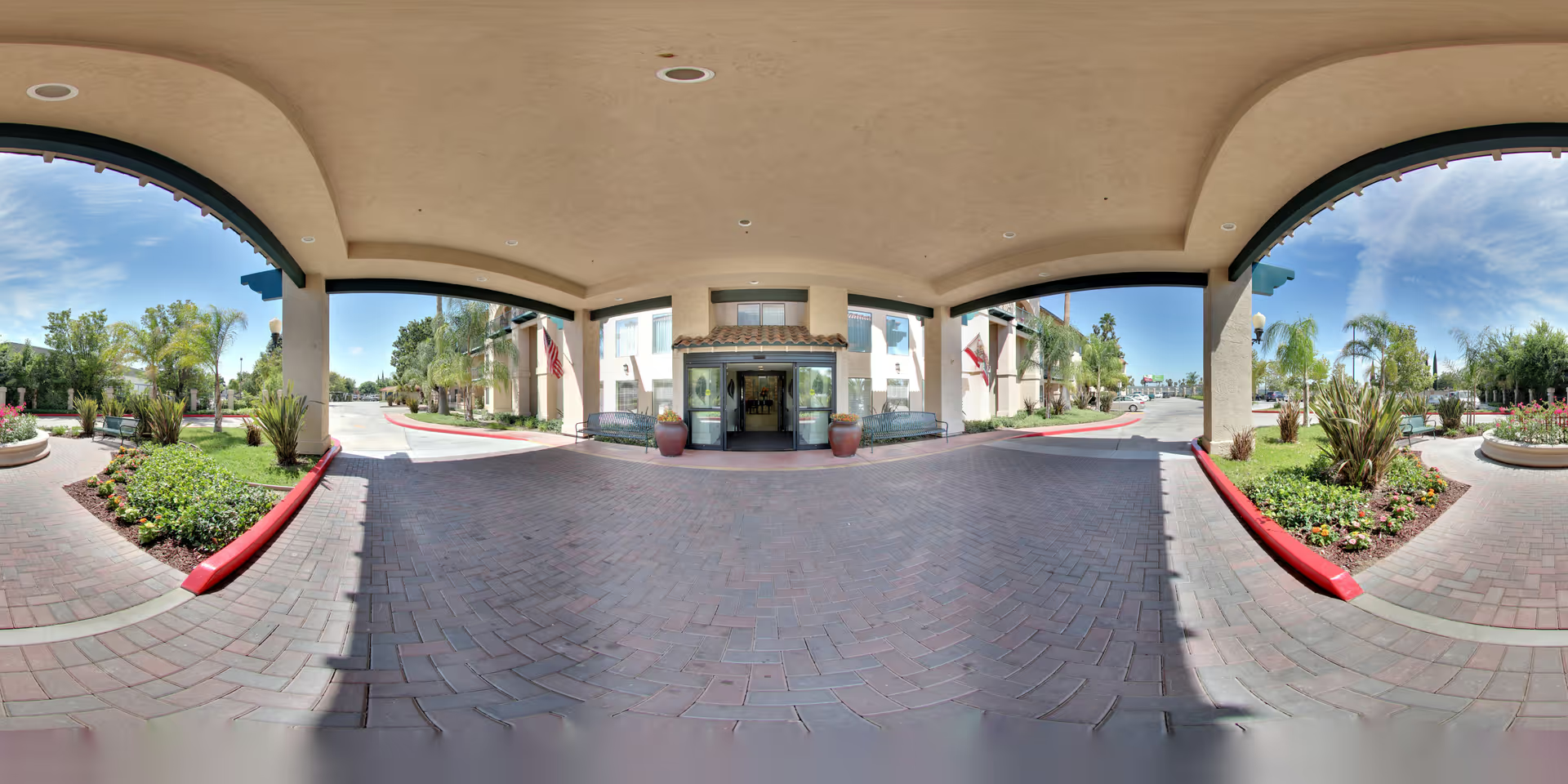
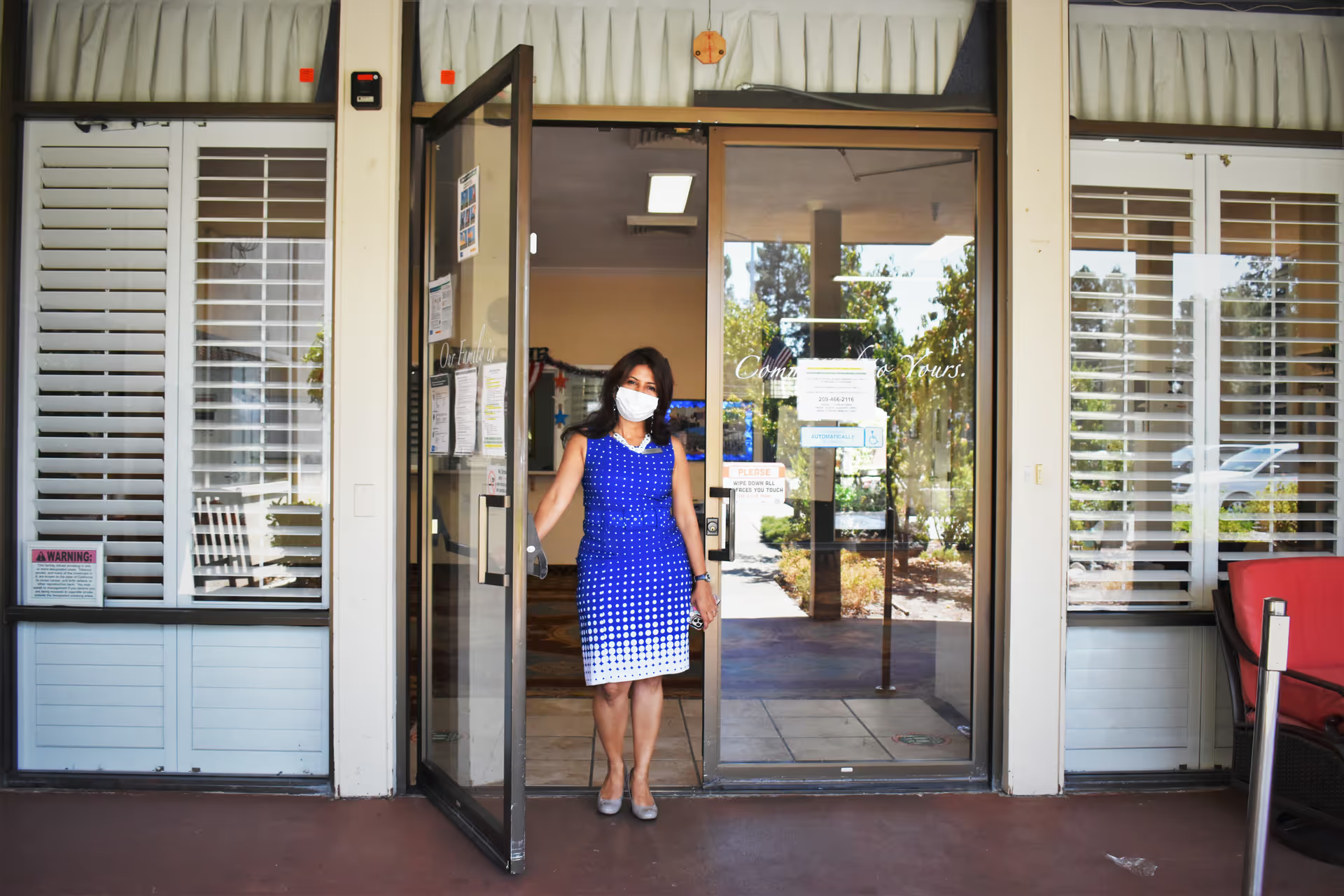
Windsor Elmhaven Care Center elicits strongly divergent impressions. Positive accounts highlight effective rehabilitation services — especially physical and respiratory therapy — and specific clinical successes such as ventilator/tracheostomy weaning. Many families praised individual CNAs, therapists, and reception staff for compassionate, hands-on care and clear communication. Recent cosmetic updates to the lobby and dining areas, along with some well-maintained supply stations, were also noted as strengths.
At the same time, a recurrent theme across reviews is inconsistency in basic care processes and staffing. Families described prolonged waits for assistance, unreliable call-button and phone responsiveness, and variability in how well clinical monitoring and wound-care protocols are followed. These operational gaps manifest as pressure-injury concerns, infection-risk signals, and readmissions for conditions that reviewers believed were insufficiently managed on-site. Several reviewers also called out incontinence-care delays and inconsistent bathing/laundry processes, which contributed to sanitation and odor concerns in some resident rooms and corridors.
Staffing and management practices appear uneven. While some caregivers and therapists receive high marks for professionalism and teamwork, reviewers describe variable performance across shifts — particularly night coverage — and frequent staff or leadership turnover that undermines continuity of care. Communication problems are frequently cited: missed callbacks, limited after-hours escalation, constrained visitation practices during infection-control periods, and frustration with how clinical decisions and discharges are explained. There are also allegations regarding personal-property mishandling and theft that families say were not resolved to their satisfaction; these are serious concerns that warrant formal review.
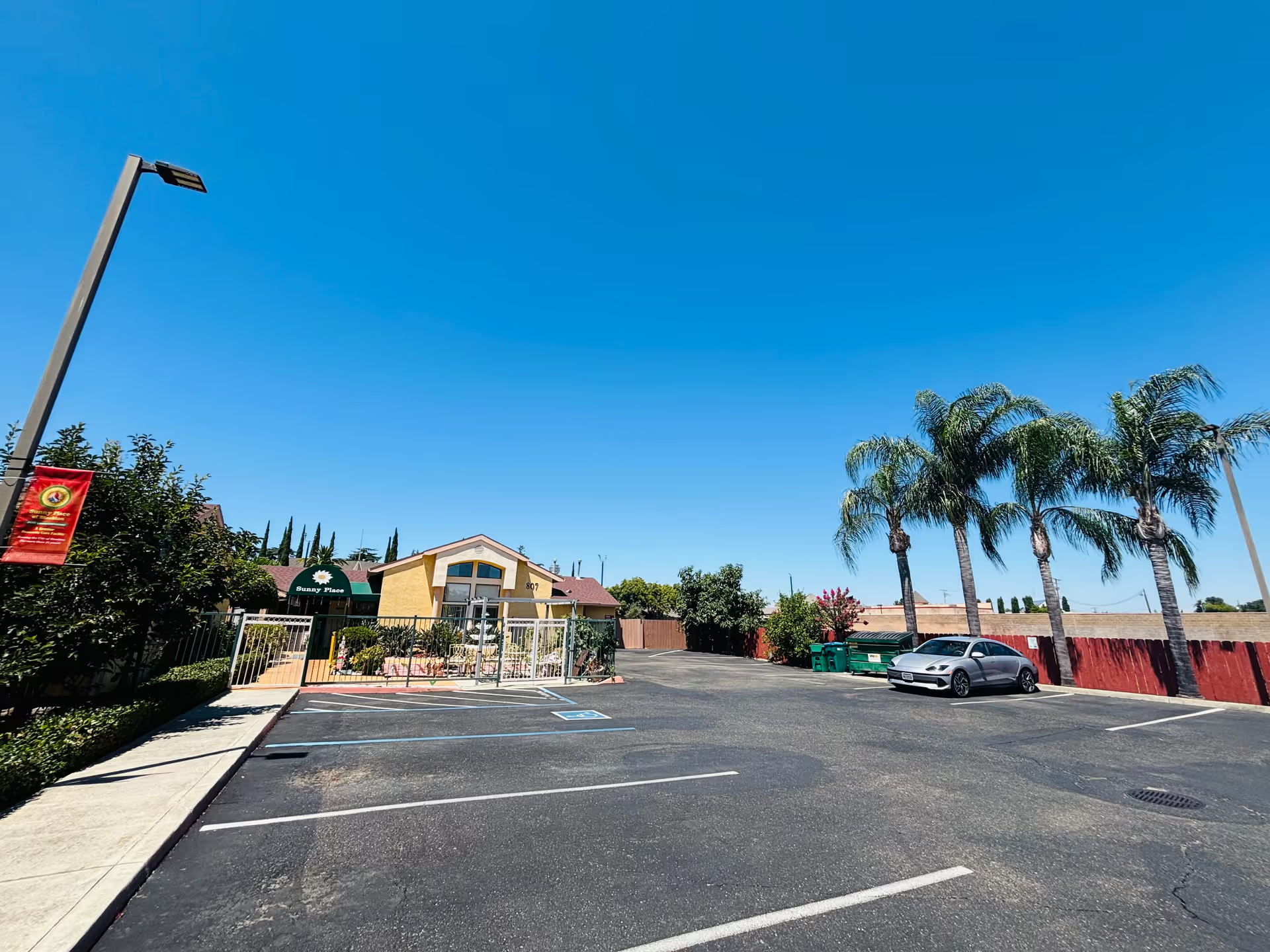
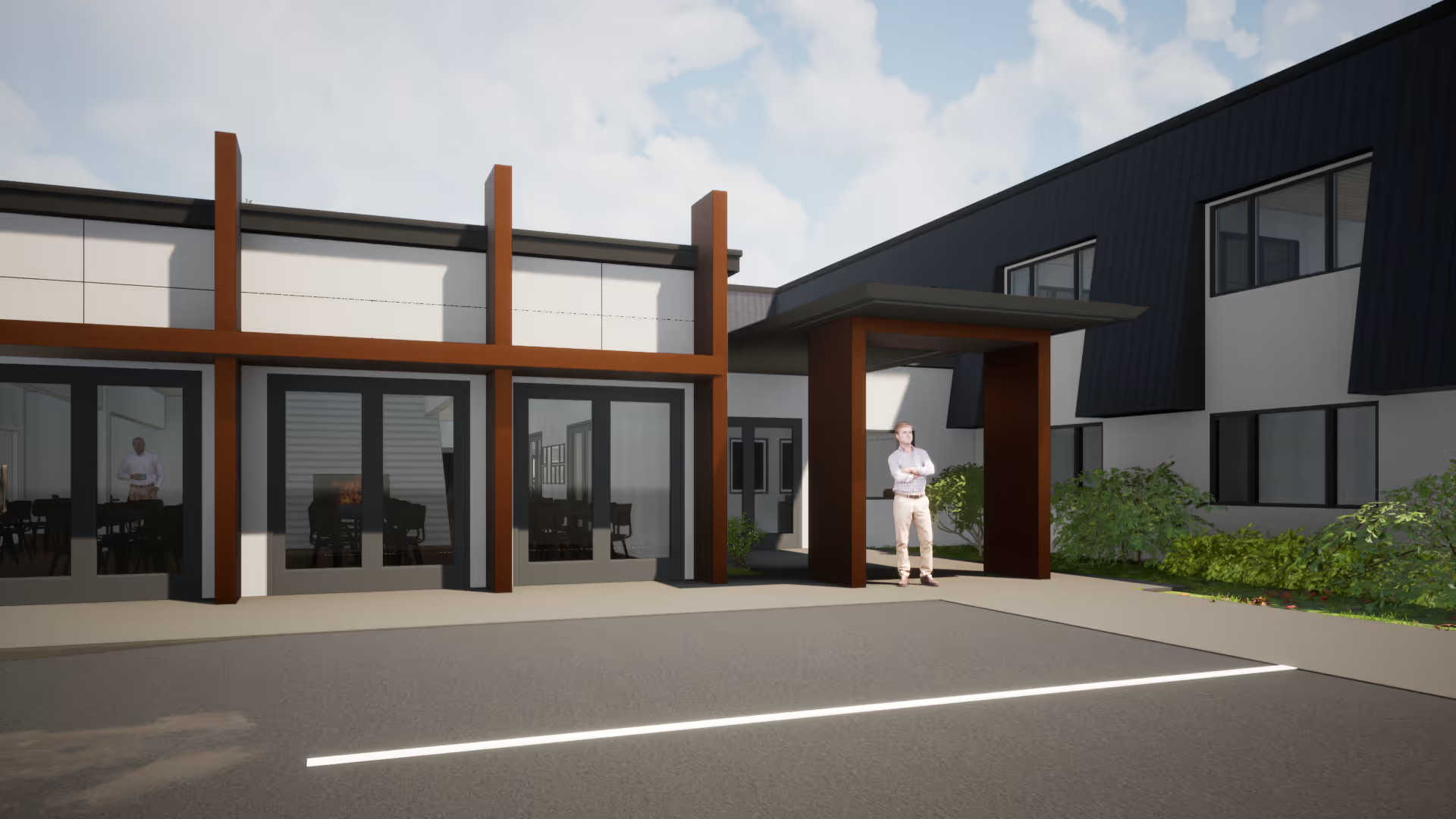
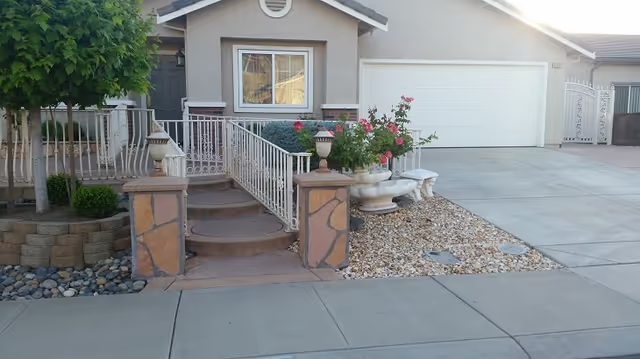
Dining and activities are described as adequate by some families; activity offerings such as bingo occur regularly, though reviewers asked for more therapy time and exercise equipment. Facility conditions are mixed: parts of the building have been updated and maintained, while other areas are described as older, with small rooms and maintenance shortfalls (e.g., nonfunctional call systems, inconsistent linen availability). A number of reviewers emphasized the gap between the facility’s marketing images and the lived experience.
Notable patterns for prospective residents and families: (1) therapy and rehabilitation services are a clear strength and may drive good clinical outcomes for appropriately selected patients; (2) expect variability in day-to-day nursing responsiveness and wound/incontinence care — confirm staffing ratios, shift coverage, and call-response expectations during your tour; (3) ask about property-protection procedures and grievance/incident escalation pathways; and (4) evaluate after-hours communication and the process for clinical escalation and hospital transfer. Given the mixed feedback, an in-person assessment focused on nurse-station activity, call-response times, visible cleanliness, and therapy schedules is recommended before placement. Where serious clinical-safety or property concerns exist, families may want to seek regulatory guidance or an ombudsman review.