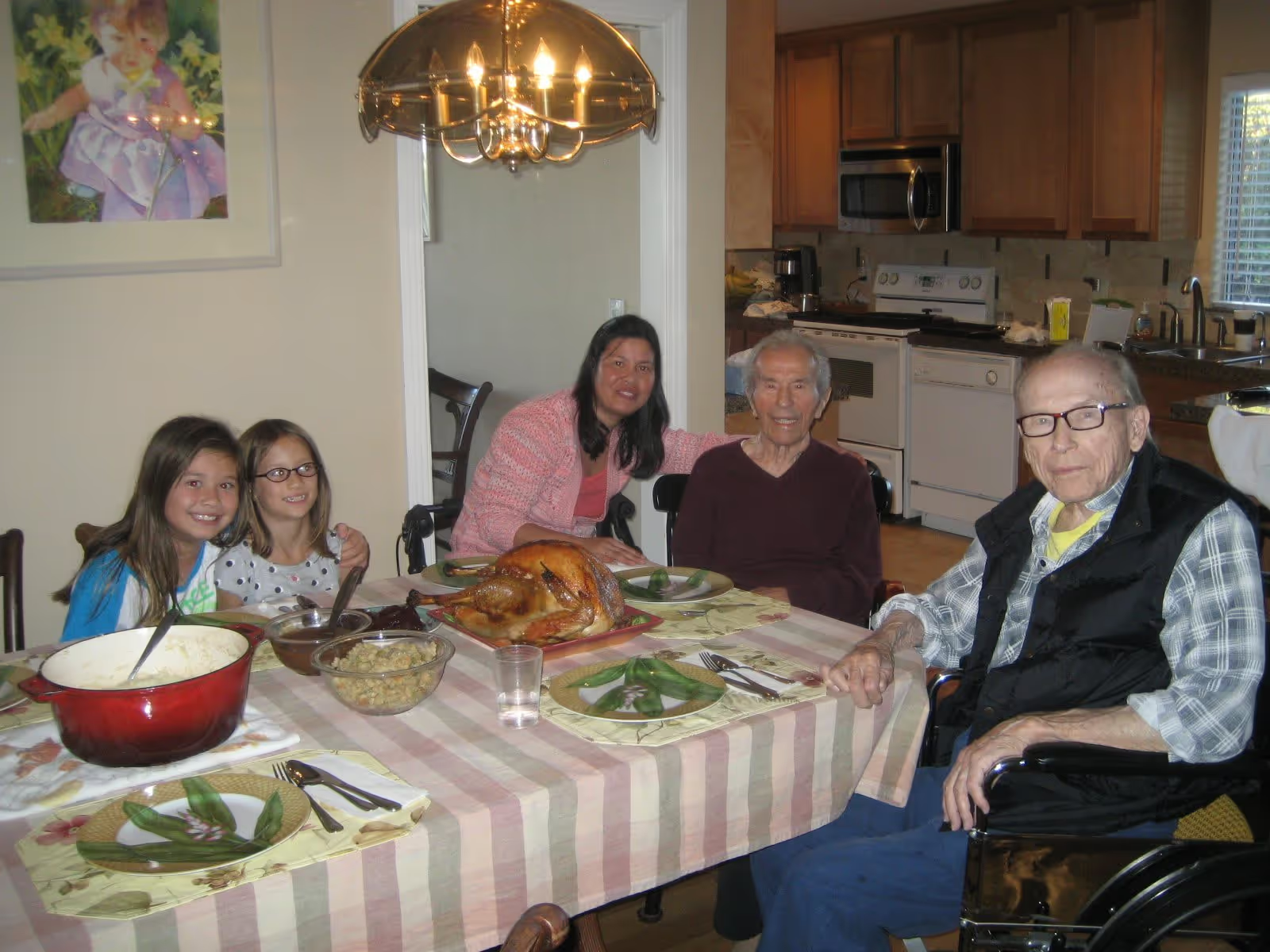
Reviews of Santa Fe Post Acute present a mixed but consistent set of themes. Many families and patients praise the facility’s caregiving strengths: compassionate nursing assistants and nurses, effective and motivating physical/occupational therapies, and admissions and administrative staff who make transitions smoother. Therapy services and rehabilitation are a recurring strength, with multiple accounts of good clinical outcomes and therapists who engage patients. The community also receives positive comments for its activities, social atmosphere, and amenities such as a weekly hair salon and the option to order in meals.
At the same time, reviewers highlight operational weaknesses that appear across shifts and stays. Staffing and coverage are frequently described as uneven: long call‑light response times, delays in assistance, and high patient‑to‑staff ratios were cited as contributors to care variability. Medication-management and family communication are also areas of concern for some families; notes include missed or delayed medication administration and inconsistent case‑management follow‑up. There are serious concerns about staff conduct and professionalism in a subset of accounts, including allegations of inappropriate behavior; these reports underscore variability in supervision and tone among staff members.
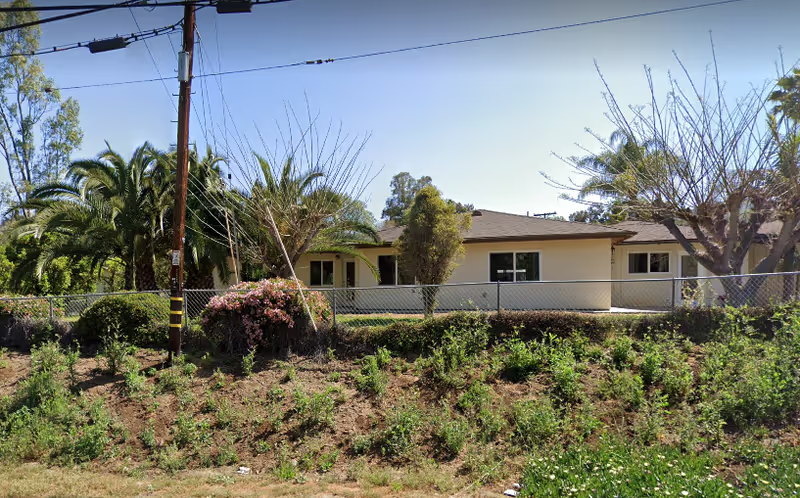
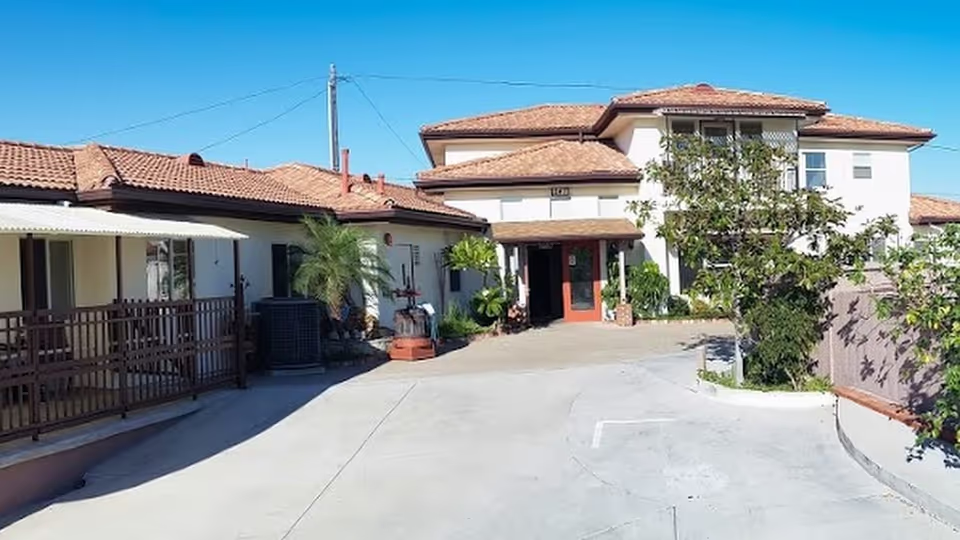
Dining and nutrition receive mixed feedback. While some appreciate the flexibility to order meals and find dining acceptable, others describe inconsistent food quality and question dietary compliance in the kitchen. Facility condition and maintenance are another recurring pattern: reviewers mention an aging property, worn furnishings, limited outdoor seating and shade, and cleanliness or housekeeping shortcomings in parts of the building. Related operational issues include reports of lost or mishandled personal items and perceived gaps in security or reception coverage after hours.
Management and leadership impressions vary. Numerous reviewers singled out individual staff members in admissions, social work, therapy, and nursing who provide strong advocacy and clear communication. Conversely, several comments express concern about corporate ownership decisions, perceived cost‑cutting, and understaffing that affect day‑to‑day care. Infection‑control periods (for example, during quarantine) were noted to stress family access and oversight, which intensified family concerns in some cases.
For prospective residents and families: the facility offers notable strengths in rehabilitation, personal advocacy from specific staff, social programming, and an approachable admissions process. At the same time, it would be prudent to assess current staffing ratios, after‑hours reception/security coverage, medication protocols, dining practices, and maintenance plans during a tour. Meeting therapy staff, asking for recent staffing and incident‑management metrics, and visiting during different shifts can help gauge whether the facility’s strengths align with your priorities and whether the operational concerns have been addressed.