Reviews of The Orchard Post Acute Care show a clear pattern of strong rehabilitation and person-centered strengths alongside discrete operational weaknesses that families should weigh.
Care and staff: The dominant theme across reviews is praise for direct-care staff — CNAs, RNs, therapists and activity personnel are frequently described as compassionate, attentive and invested in residents' progress. The facility’s physical and occupational therapy programs receive repeated commendation for helping residents regain independence; reviewers cite an effective therapy gym and staff who prioritize small, achievable goals. Several reviewers also praised individual staff members and long-tenured teams, and many families reported positive, family-centered interactions that contributed to comfort and confidence in short- and long-term stays.
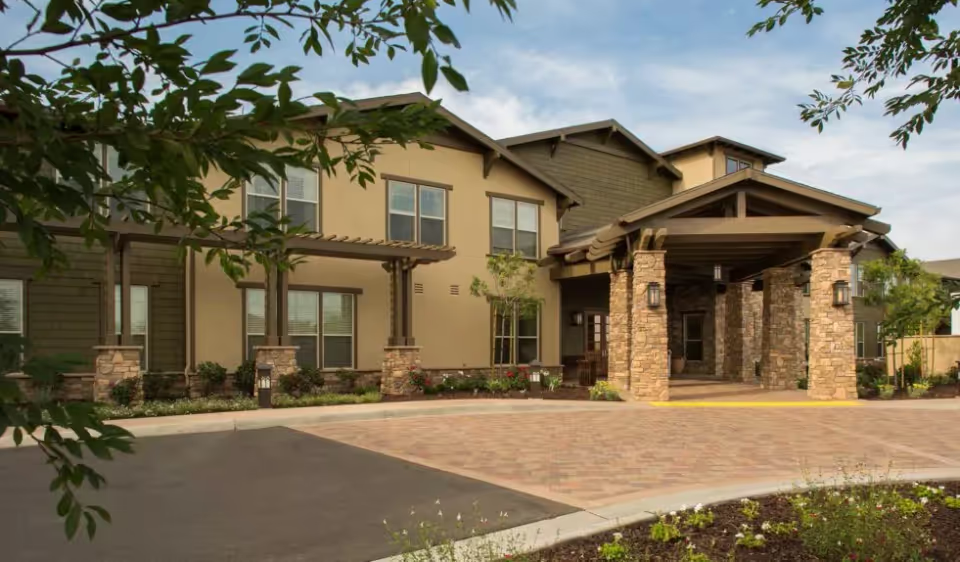
Dining, activities and facilities: Many reviewers noted clean, well-kept grounds, a pleasant lobby and tidy common areas. Dining is generally described as varied and accommodating, with menu substitutions and allergy-conscious options; some residents found the food enjoyable. The activities department is active and proactive, providing daily programming and seasonal events that families found beneficial. Practical amenities mentioned include in-room televisions, outdoor spaces, a cafeteria area and transportation to appointments. The facility also supports staff development and cross-training, which reviewers framed as a positive for organizational culture.
Operational concerns and safety patterns: Alongside the positives, reviews reveal recurring operational concerns. Staffing inconsistencies — especially nurse availability and delayed responses to call lights — are a frequent theme and are linked in some accounts to safety events such as falls or delayed clinical responses. Reviewers raised concerns about medication timing and monitoring, gaps in clinical-safety oversight and inconsistencies in infection-control and hand-hygiene practices. Communication gaps surfaced repeatedly: family contact about clinical changes, coordination with outside providers (including surgeons), and case-management effectiveness were described as uneven. Language barriers and pest-control concerns were also mentioned, indicating areas where systems and training could be strengthened.
Management and responsiveness: Administrative responsiveness is described in mixed terms. Many families praised admissions coordinators and leadership who promptly addressed concerns; others described unclear points of contact or ineffective case management that risked missed follow-up. A limited number of allegations of serious clinical-safety failures were included in the feedback; while these appear to be isolated relative to the volume of positive commentary, they warrant attention from leadership and are best investigated through facility-level quality and risk-management processes.
Overall impression: The Orchard appears to offer strong rehabilitative services, compassionate frontline caregivers, and generally clean, welcoming facilities — attributes that make it a solid option for post-acute rehabilitation for many families. At the same time, recurring operational themes (staffing variability, responsiveness delays, care-coordination gaps, and isolated clinical-safety concerns) suggest that prospective residents and family members should ask targeted questions about current staffing levels, medication and safety protocols, infection-prevention practices, language-access resources, and how the facility communicates with families and outside clinicians before admission.