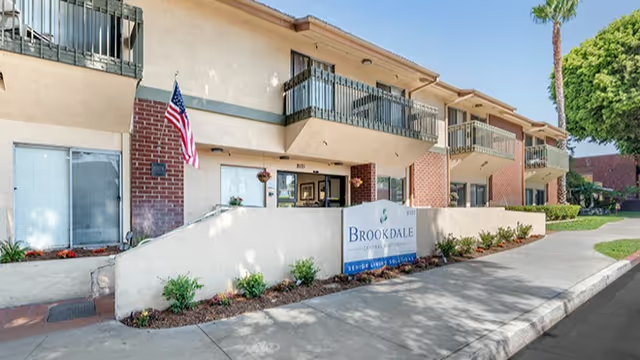
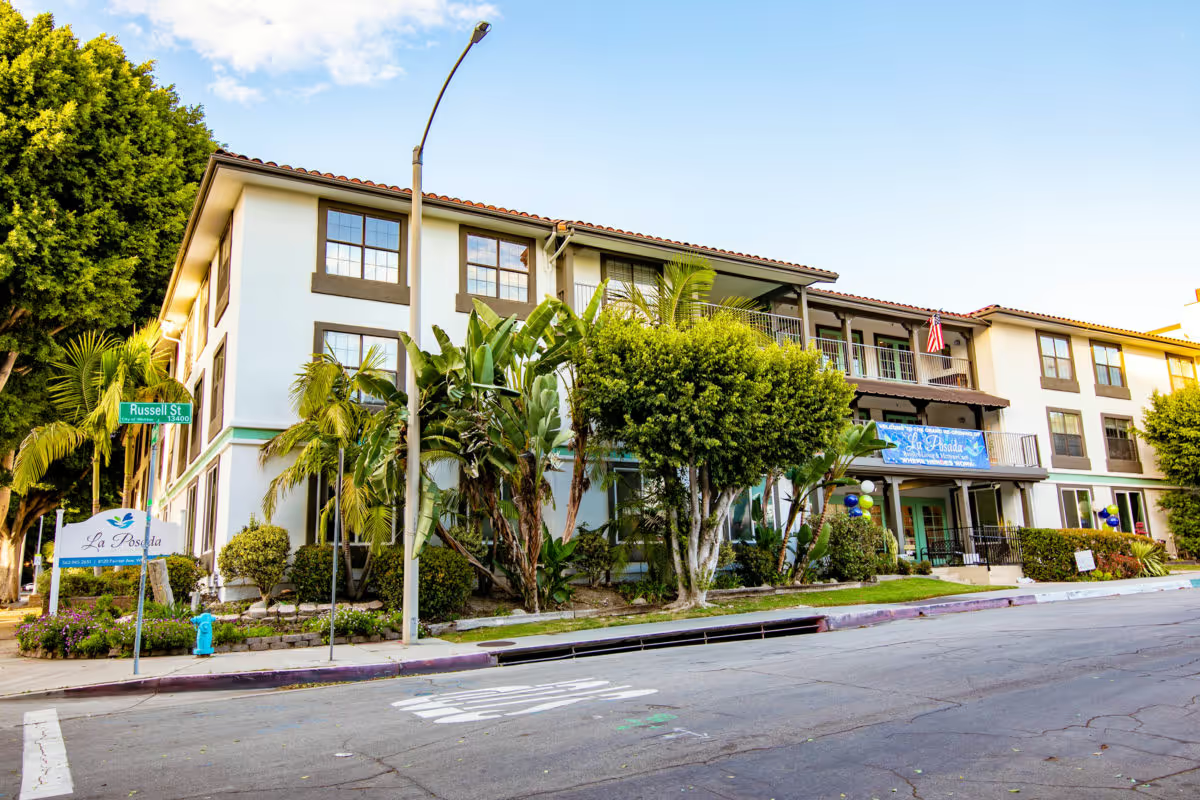
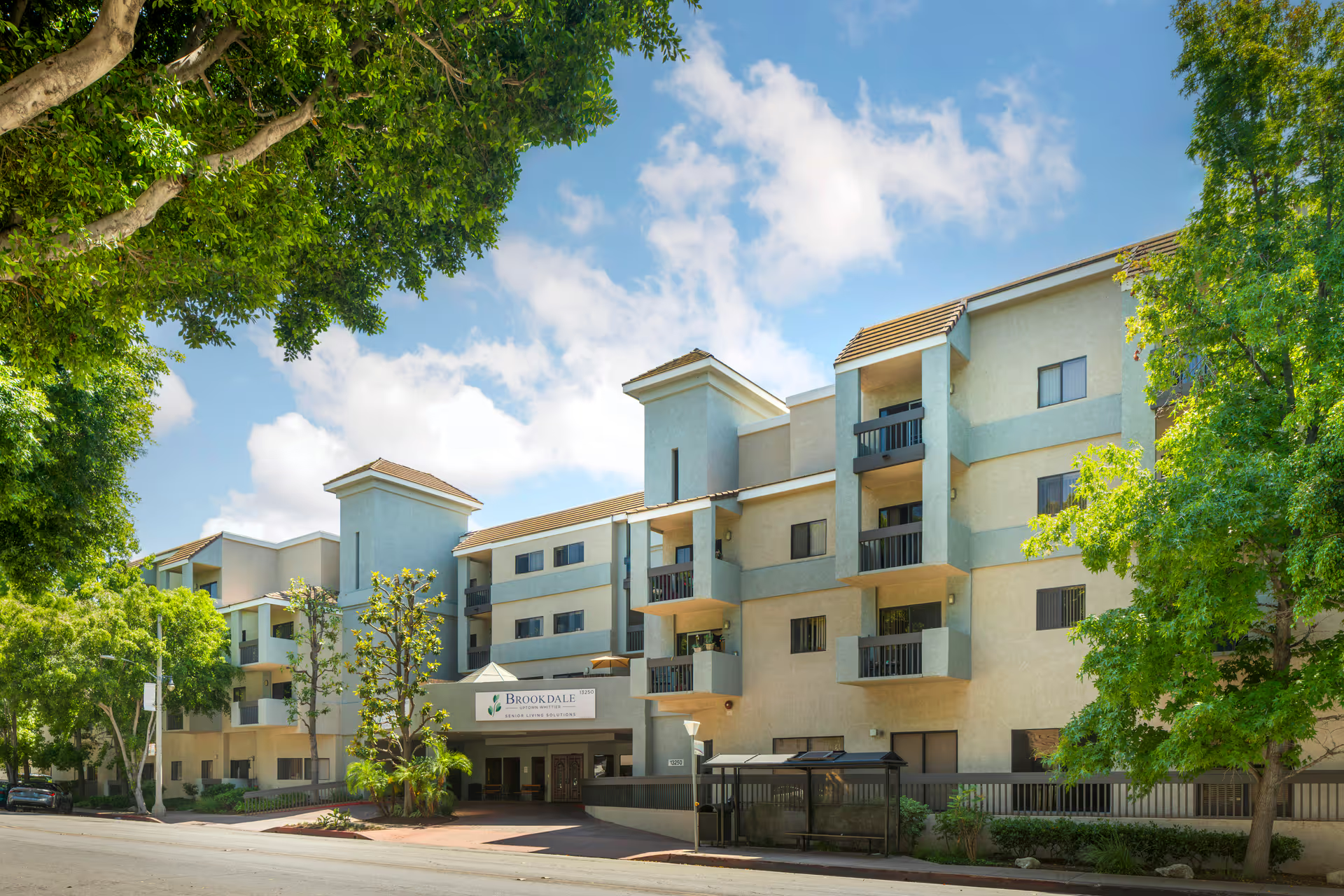
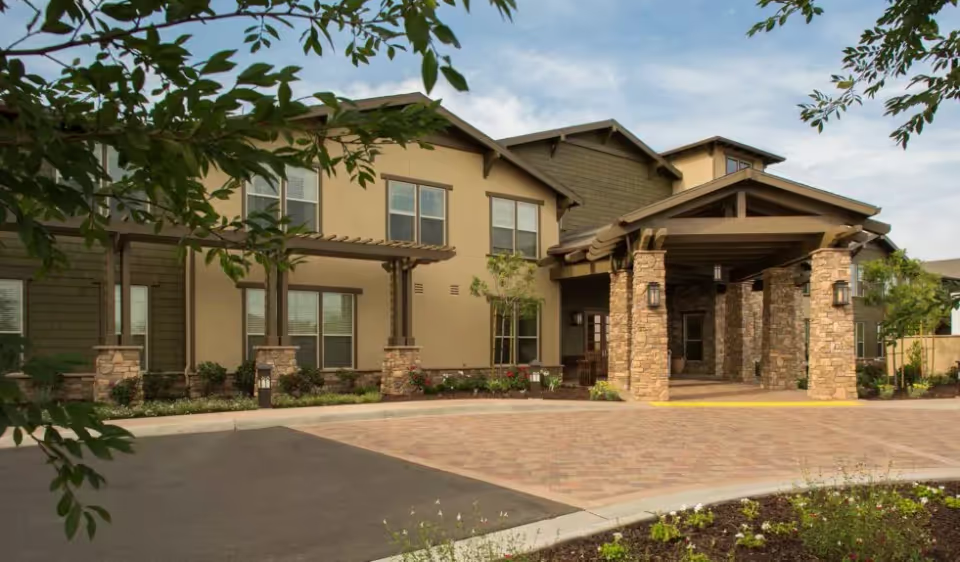
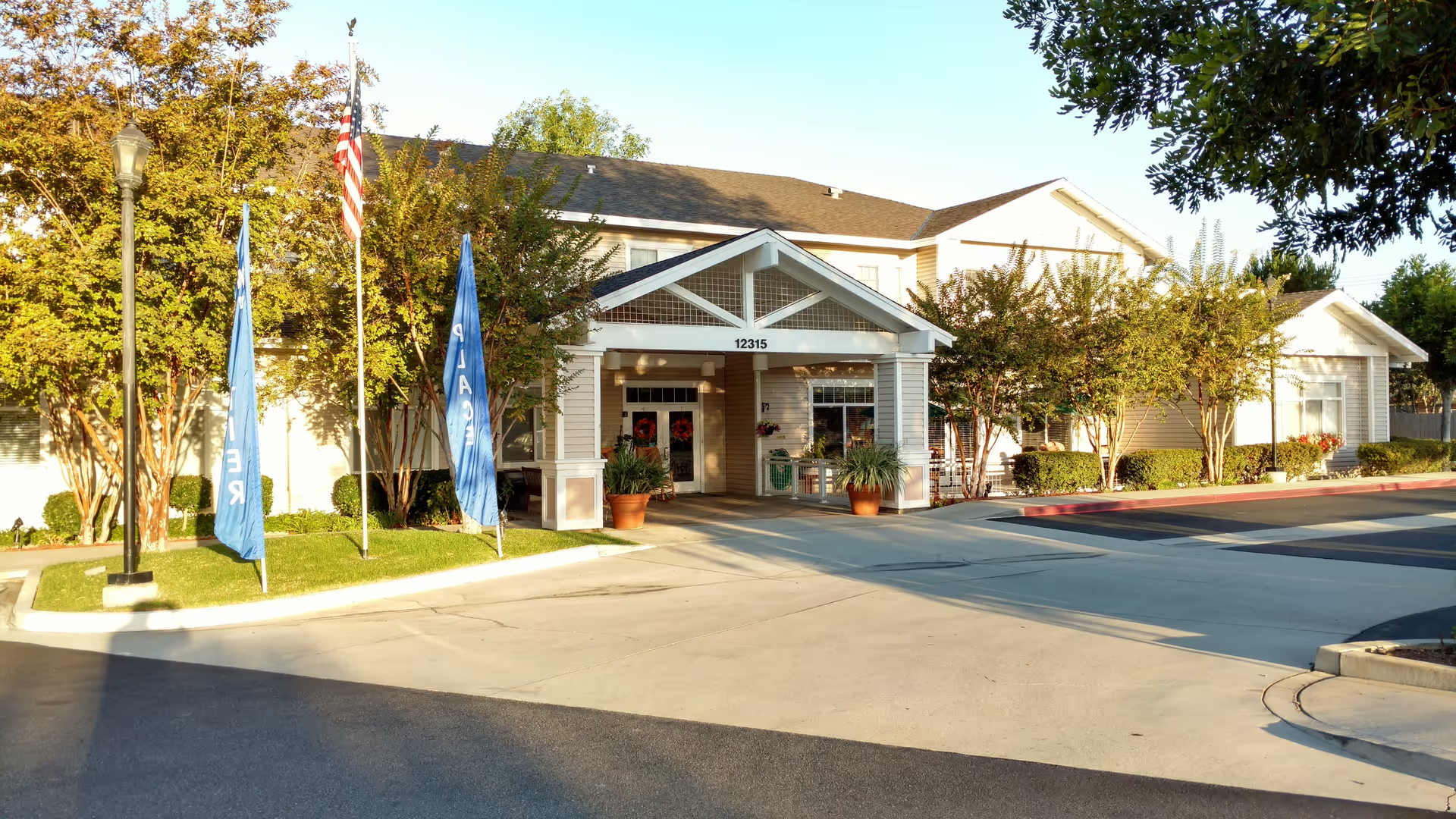
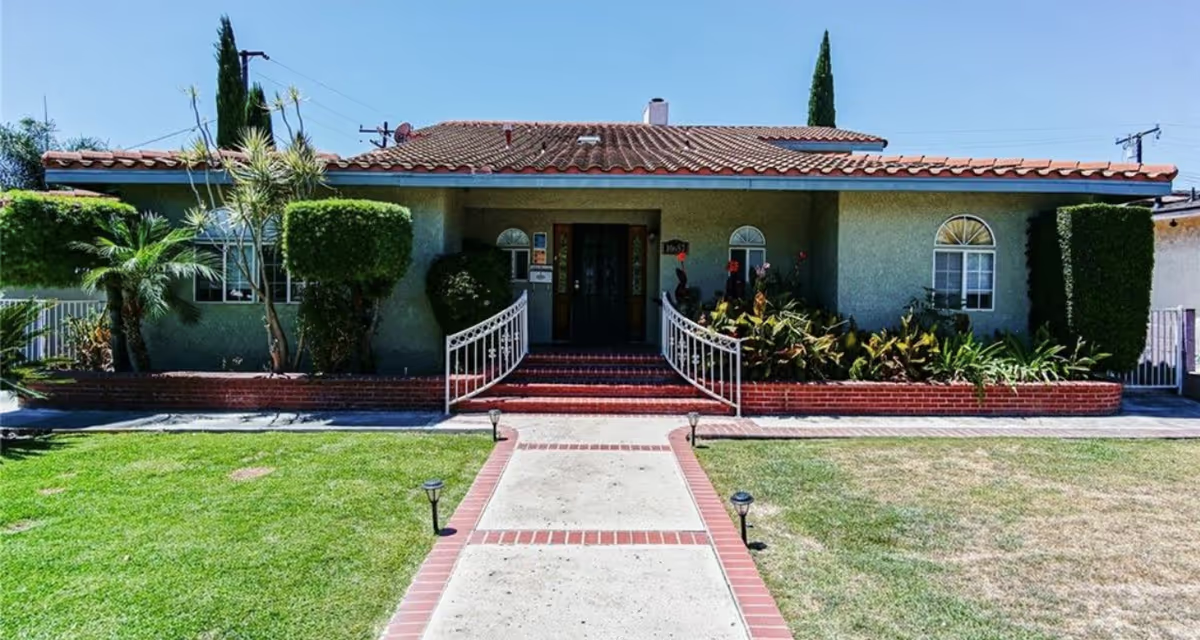
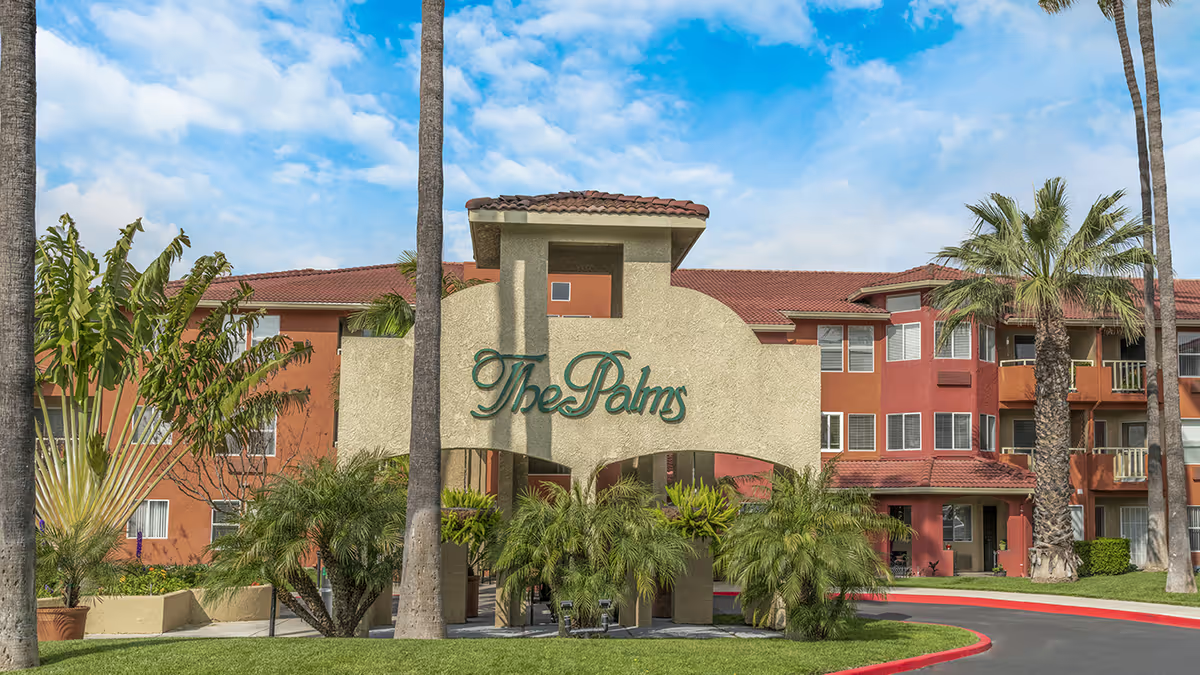
Whittier Pacific Center elicits a mixed but clearly differentiated set of impressions. Many families praise the facility’s therapeutic services, meal quality, and a generally welcoming, modern appearance. Physical and occupational therapy receive consistent positive mention, and several accounts highlight good rehabilitation outcomes, private rooms for short-term stays, celebratory social events, and bilingual staff who foster a family-oriented atmosphere.
Care quality and clinical practice show a split pattern. Positive experiences emphasize attentive, compassionate caregivers who are accessible and supportive, particularly in rehab and subacute units. Conversely, a number of accounts describe operational weaknesses that affect clinical reliability: delayed responses to resident needs, concerns about wound management and infection-prevention practices, and assertions of inconsistent documentation and medication-administration controls. There are also specific allegations of unsafe medication documentation and administration practices; these are significant and merit direct verification when evaluating the facility.
Staffing and teamwork present another area of variability. Reviewers frequently note hardworking, dedicated nurses and aides who go above and beyond, but there are also recurrent comments about understaffing, heavy reliance on registry/agency personnel, and an overloaded staff that can appear rushed. That dynamic is linked in some accounts to service delays, uneven training, and variability in professional demeanor. Management is described as communicative and proactive in some cases, yet other families raise concerns about transparency, oversight, and consistency in follow-up.
Dining and activities are generally strengths. Meals are described as high quality and well-liked, and the facility runs social programming—bingo, milestone celebrations, and recreation—that contributes to resident morale. However, activity frequency and breadth are uneven across stays and units; some residents experienced limited programming while others report an engaging schedule.
Facilities and logistics show contrasts by unit. Several reviewers describe clean, well-kept common areas and a modern, inviting atmosphere, while others cite sanitation and pest-control concerns in specific rooms, maintenance gaps, and equipment shortages or delays (walkers, commodes, wheelchair repairs). These operational issues affect day-to-day safety and comfort and are raised repeatedly enough to be treated as an area for focused inquiry.
In sum, Whittier Pacific Center offers notable strengths in therapy, dining, and moments of strong, compassionate caregiving, alongside recurring operational concerns tied to staffing reliability, clinical oversight, equipment and supply management, and variable housekeeping standards. Prospective residents and families should balance the facility’s rehabilitation and social strengths against these operational patterns, and consider asking targeted questions about RN coverage, wound-care protocols, medication administration procedures, pest-control measures, and how the facility manages agency staffing and equipment availability.