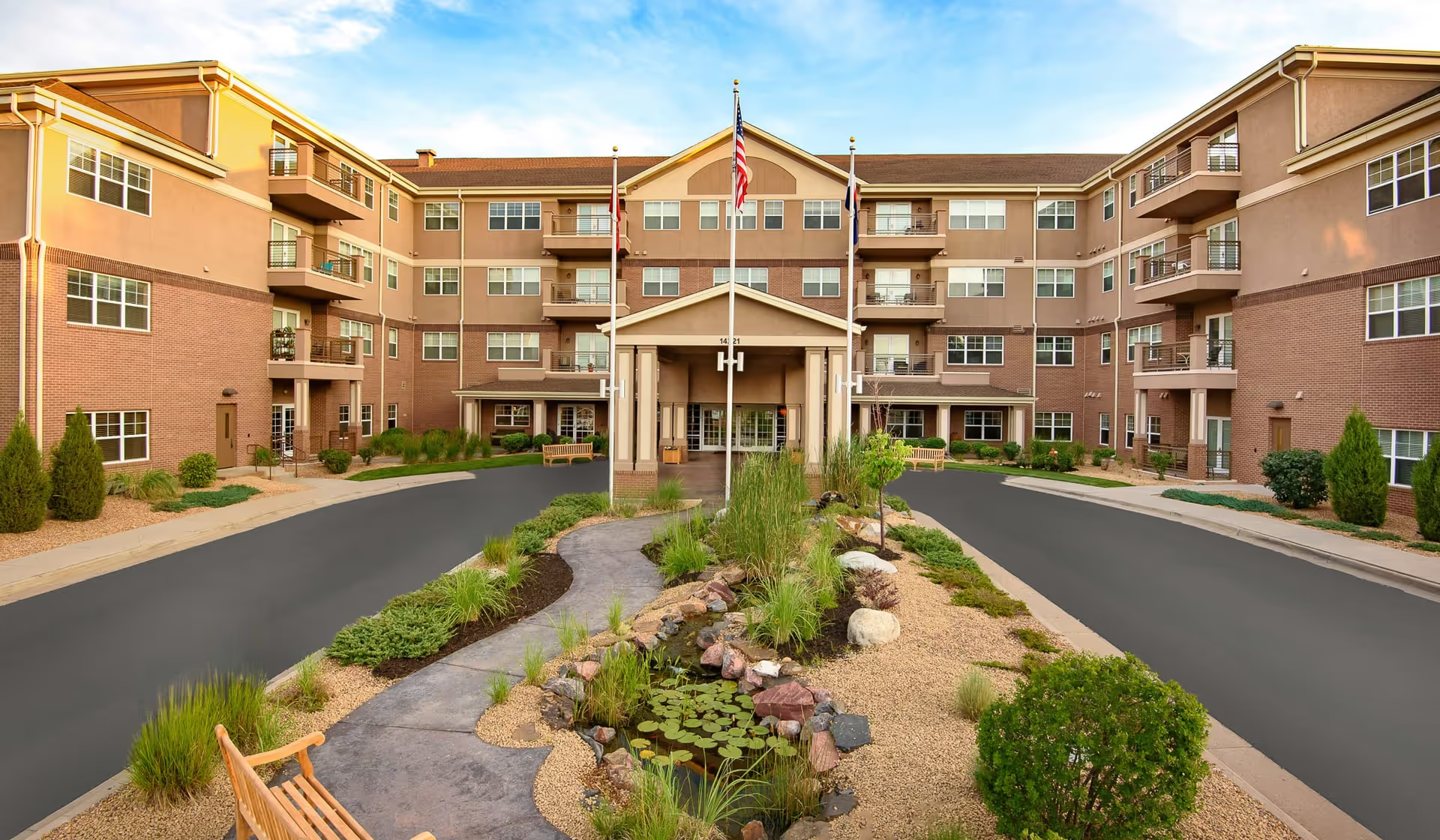
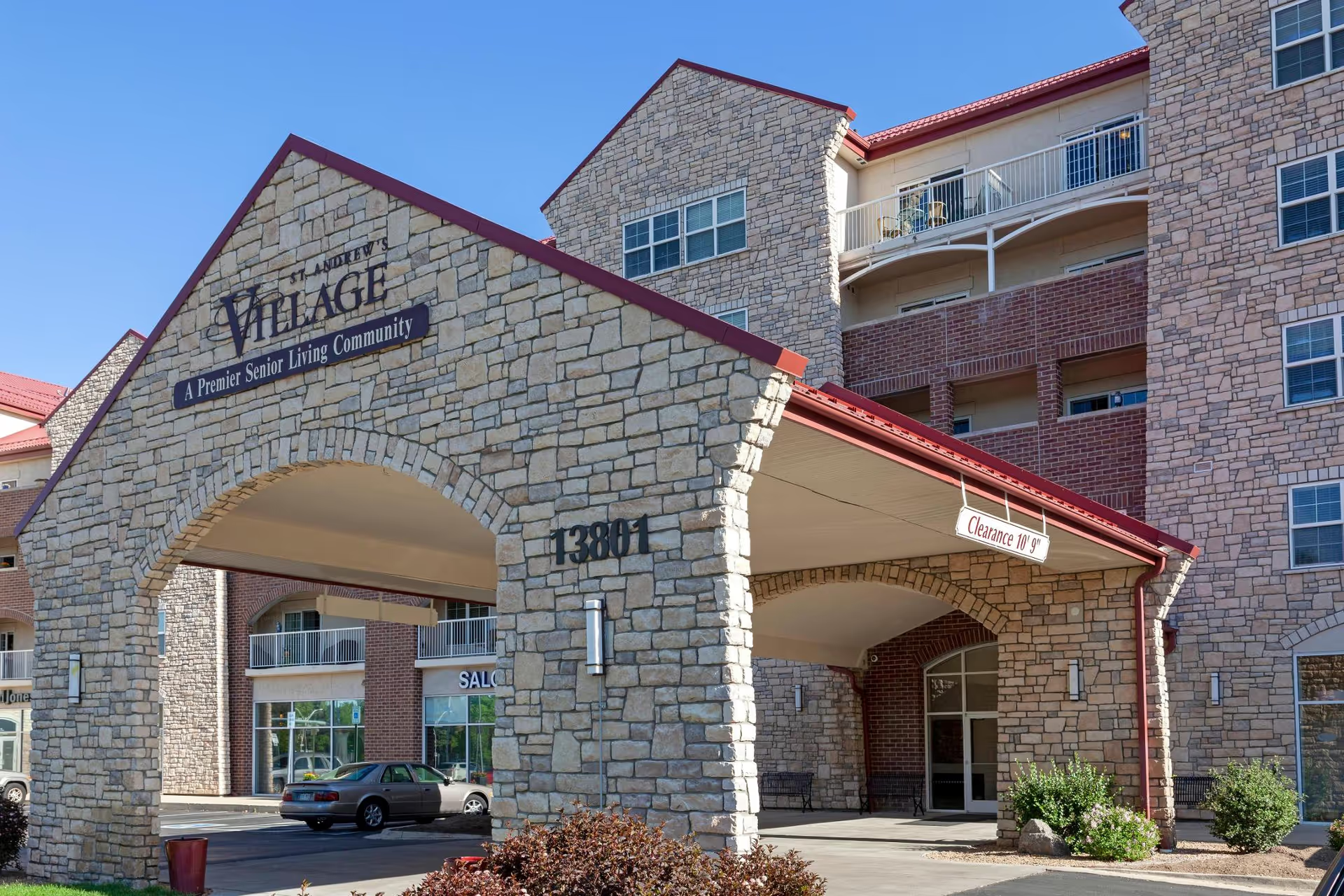
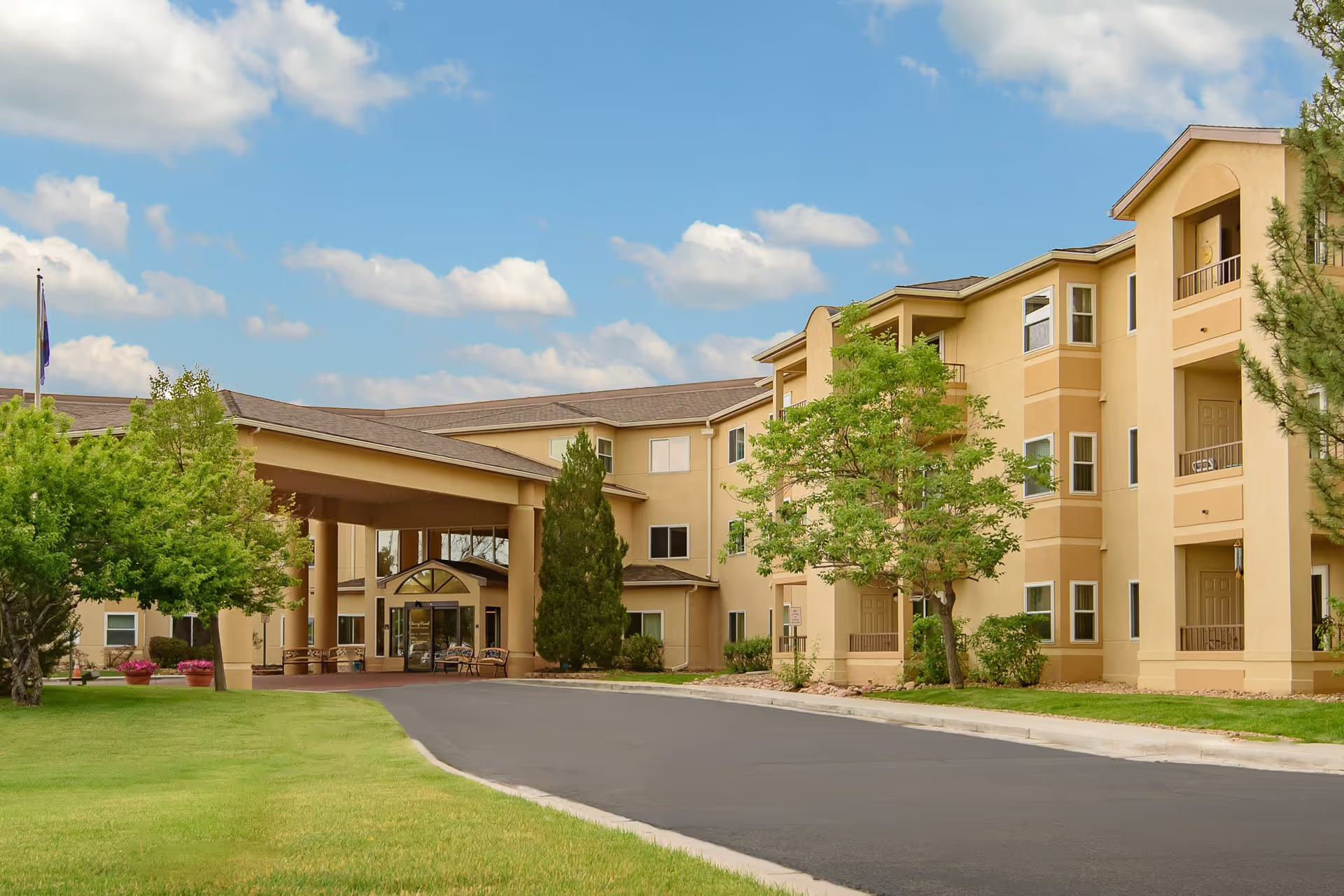
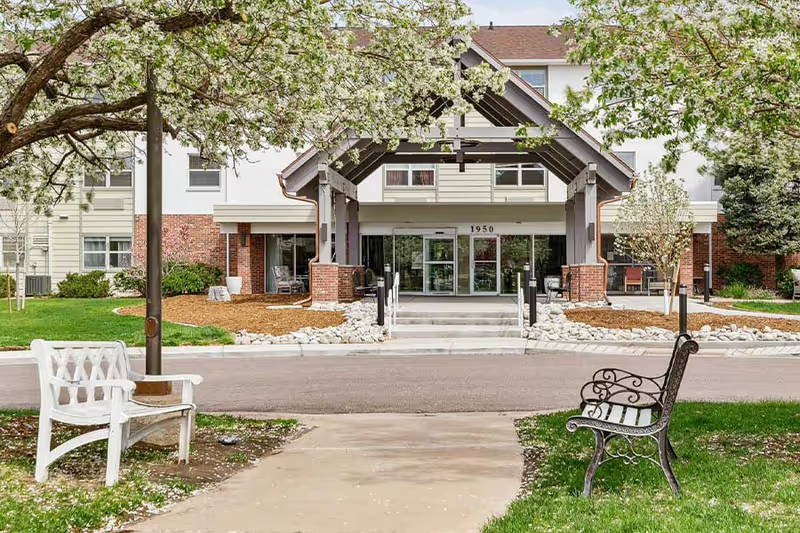
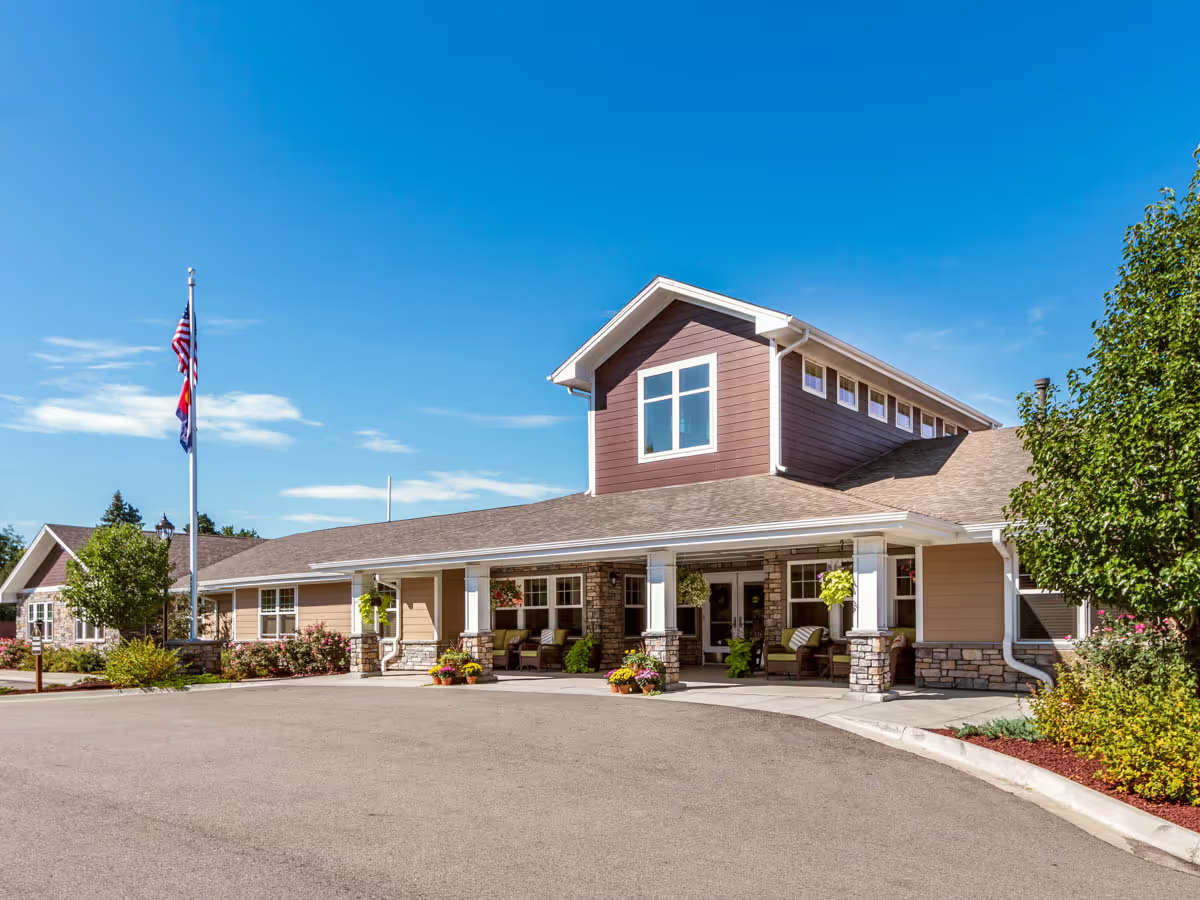
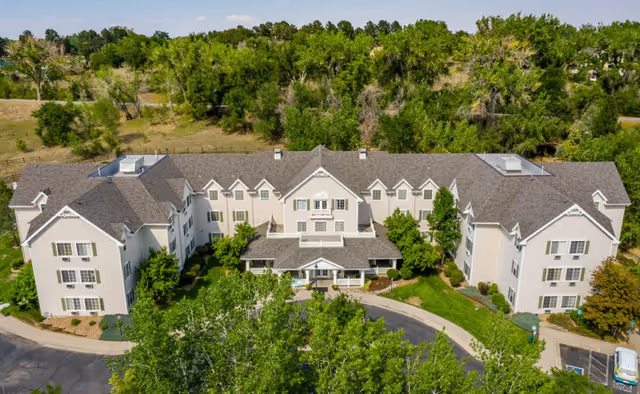
Advanced Health Care of Aurora elicits strongly polarized impressions. A substantial portion of feedback highlights robust rehabilitation services and a warm, well-kept physical environment. Many reviewers praised the therapy teams (physical and occupational therapy) for producing measurable functional gains and restoring mobility; several clinicians and therapists were singled out by name for their skill and encouragement. Housekeeping and facility appearance are repeatedly described as clean and hotel-like, and the campus, private rooms and visitor areas receive consistent positive comments. Numerous reviewers also described caregiving staff who were compassionate, respectful and professional, and administrative/front-desk personnel were often described as helpful and organized.
At the same time, a notable pattern of operational weaknesses appears across reviews. The most consistent concern is understaffing—especially on night shifts—which reviewers associate with long waits for assistance and variable responsiveness to call lights. Related to staffing, reviewers described variability in the clinical competence and experience level of nursing staff and CNAs; this variability was linked to inconsistent hygiene and continence-care processes, wound and ostomy care lapses, and occasional medication or treatment delays. A small number of accounts describe serious clinical escalations requiring hospitalization; these are best understood as indicators of gaps in clinical-incident response and family communication rather than isolated characterizations of routine care.
Dining and therapy scheduling present mixed signals. Many residents reported satisfying, plentiful meals and attentive kitchen staff, while others experienced bland or late meals and instances where therapeutic diet orders were not followed. Therapy is generally a facility strength, but weekend therapy availability and scheduling consistency were noted as limited by some families. Discharge and admissions processes also showed variability: some families felt discharge planning was thorough and supportive, while others cite early discharges, limited discharge instructions, and admission/room-assignment coordination issues.
Other operational concerns raised include inconsistent communication with families, occasional issues with personal-property handling and disposal, and indications of inexperienced management on certain shifts. These patterns suggest the facility performs well in structured, rehab-focused services and environment upkeep but may struggle with staffing stability, consistent nursing skill mix, clinical incident follow-up, and some aspects of service consistency (dining, night coverage, weekend therapy).
For prospective residents and families: verify staffing levels for the intended unit and time of day, ask about nursing skill mix and CNA ratios, confirm policies for therapeutic-diet adherence and meal times, inquire about weekend therapy availability, and review the facility’s procedures for discharge planning and personal-property inventory. Visiting during different shifts (day and night) can help assess responsiveness and staff continuity. Overall, Advanced Health Care of Aurora offers strong rehabilitation resources and a pleasant environment, tempered by operational variability that may affect individual experiences depending on timing and clinical needs.