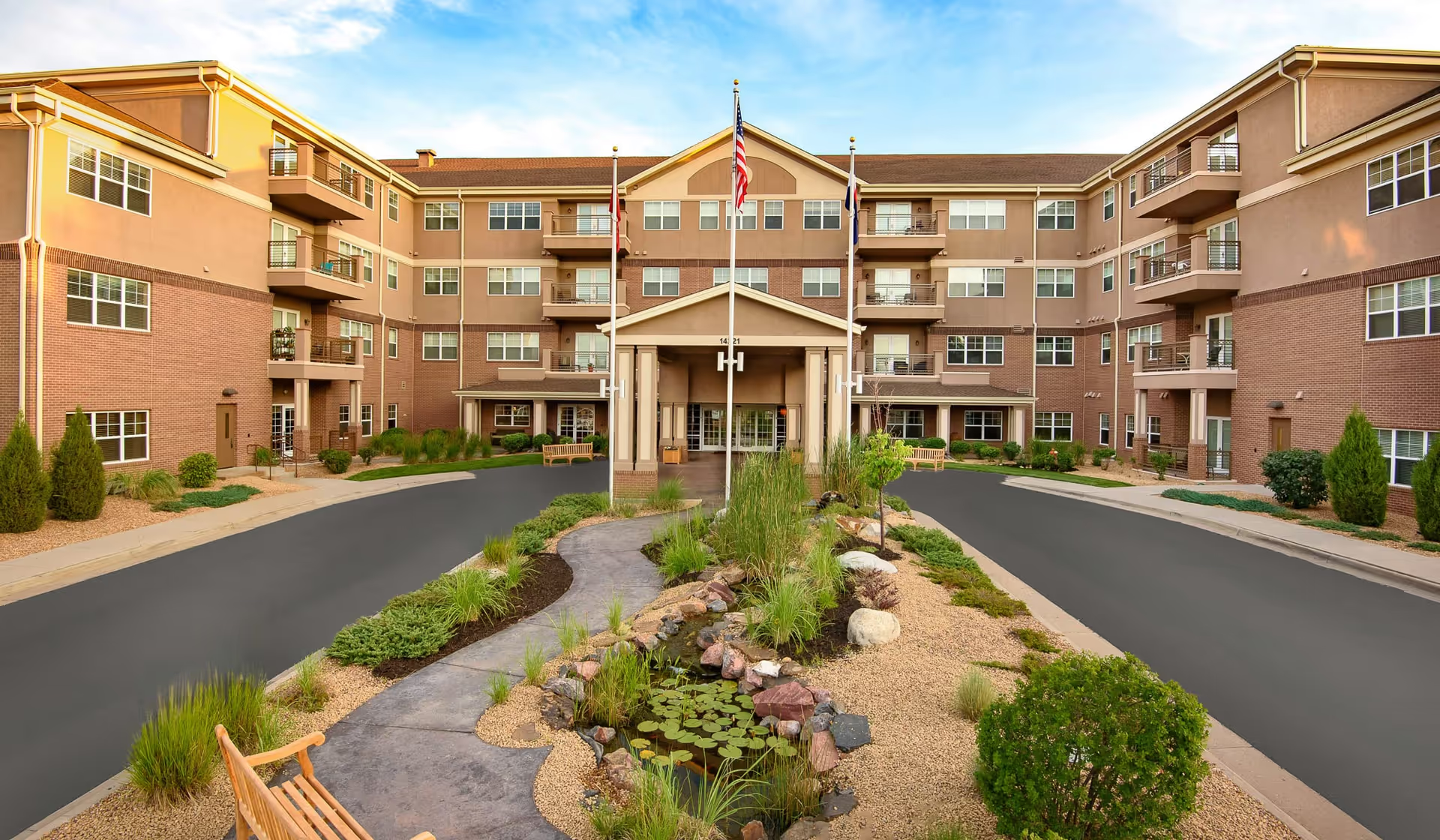
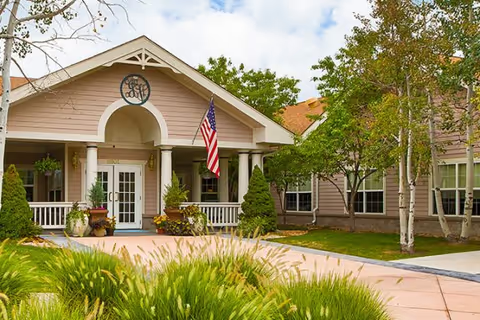
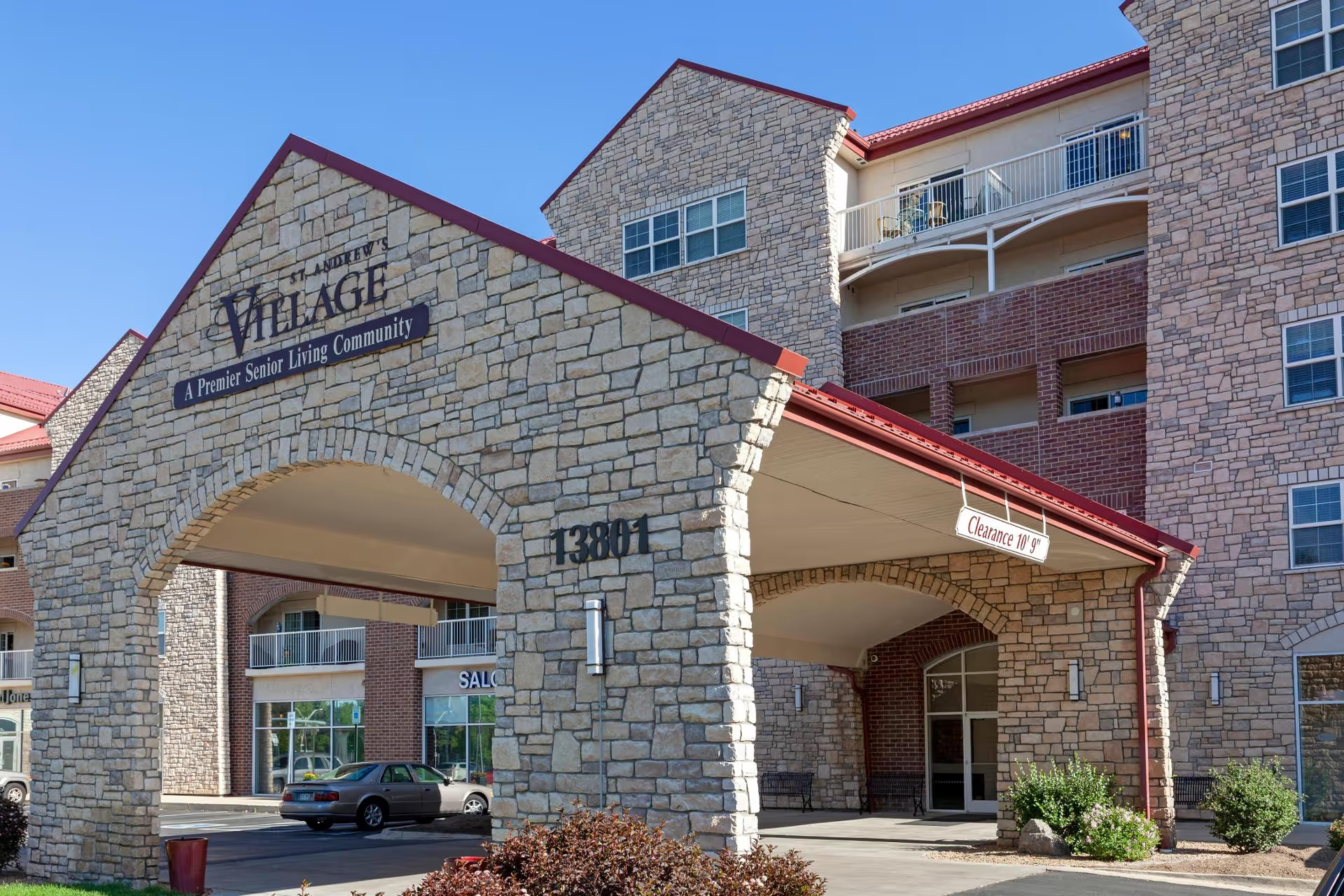
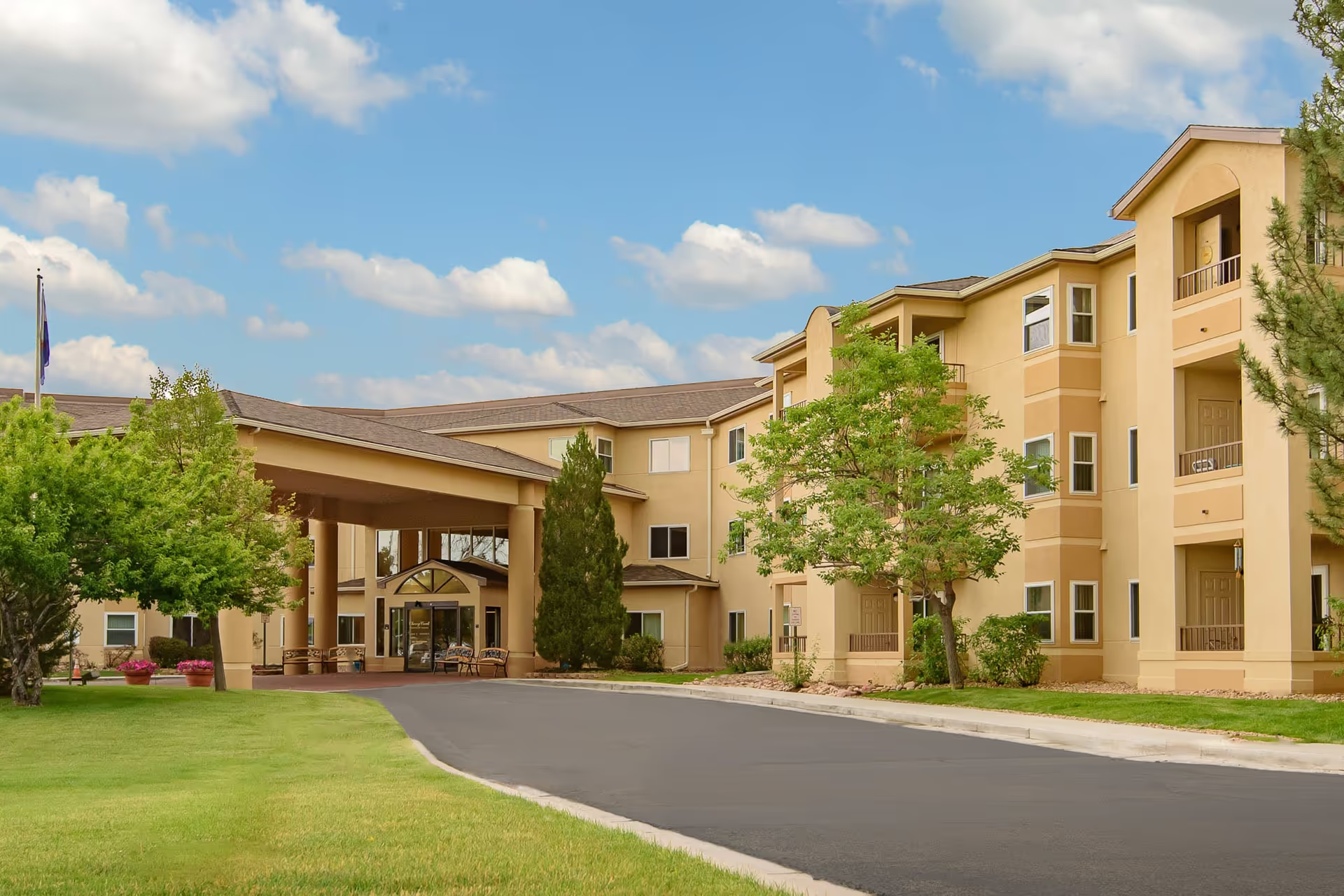
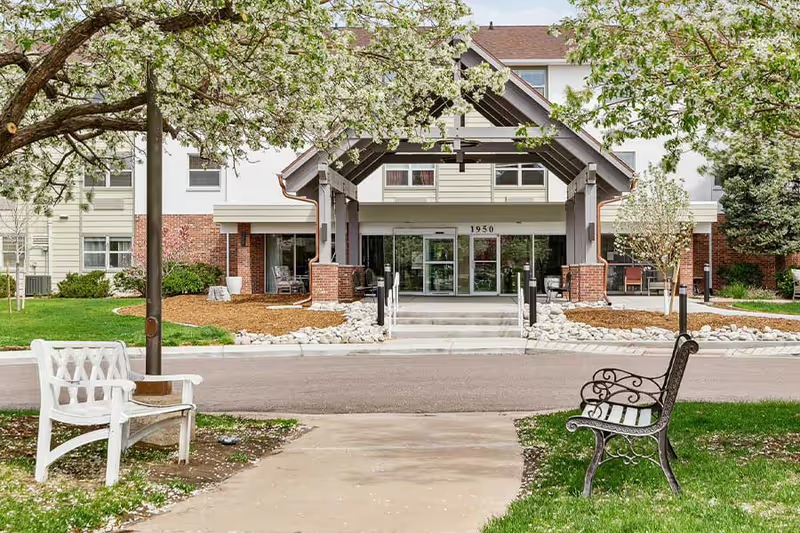
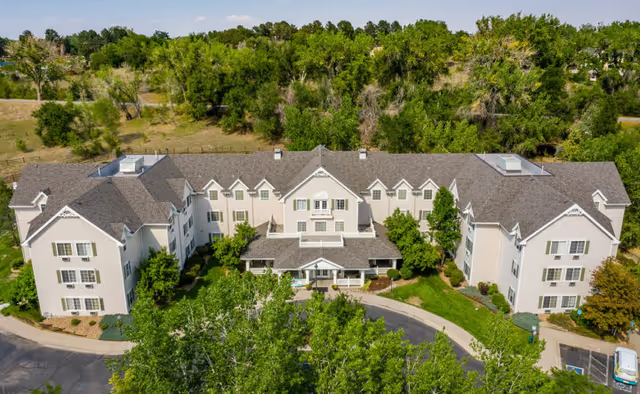
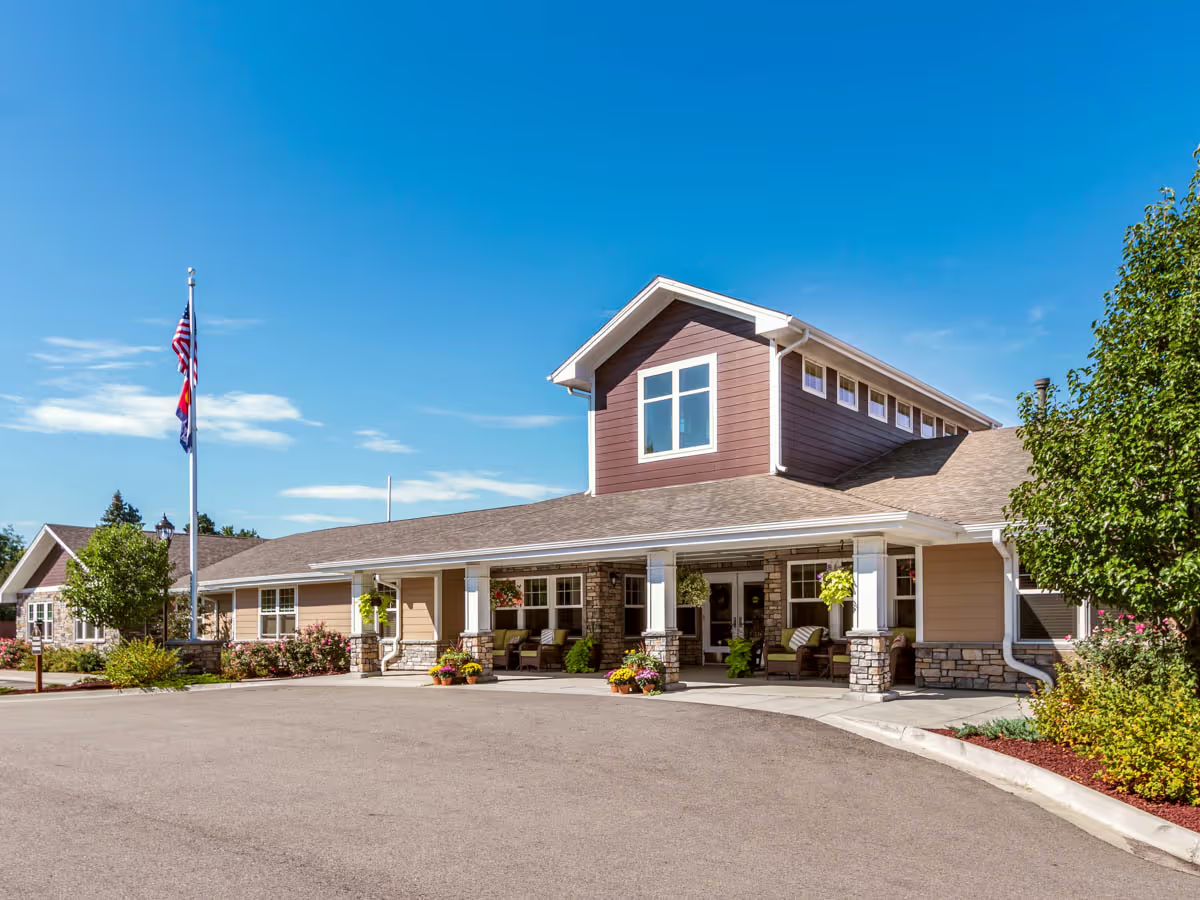
Garden Terrace at Aurora presents a generally positive profile, with many families praising its dementia-care expertise, strong rehabilitation services, and a compassionate care culture. The facility is frequently described as clean, well maintained, and welcoming, with private dining spaces and a range of on-site amenities (beauty shop, ice cream parlor) that contribute to resident comfort. High state inspection scores and visible leadership presence are cited as institutional strengths.
Clinical care and staffing receive mixed but largely favorable assessments. Numerous accounts highlight attentive nursing, skilled CNAs, and effective PT/OT/ST programs that produced measurable short-term rehab progress. Low caregiver turnover and continuity of staff are seen as stabilizing factors for residents with cognitive impairment. At the same time, reviewers describe variability in staffing levels and occasional staff distractions that can affect timeliness of clinical attention and personal-care tasks.
Safety and clinical escalation patterns are an area of concern in some accounts. There are recurring descriptions indicating delays in recognizing or responding to acute changes, inconsistent fall-prevention practices, and variability in how incidents are communicated to families. These indicate gaps in incident-response protocols and family notification workflows rather than a uniform institutional practice. Several families also raised issues about sanitation and odor-management that appear to have improved in some cases but remain a notable operational focus.
Dining and activities are generally viewed positively. Food quality is described as flavorful and nutritious by many, though meal timing and continuity (late meals) are mentioned as inconsistent. Activity programming, particularly for memory care, is a strength — with tailored engagement techniques and therapeutic approaches — but weekend programming and rehab-resident activity availability can be limited.
Administrative and operational themes are mixed. Positive notes include accessible leadership, transparent policies in many interactions, and an efficient admissions process when well executed. Conversely, there are patterns of inconsistent communication around referrals and admissions, confusion about payment options (private pay vs. pending Medicaid), occasional unreturned calls, and charges or difficulties associated with medical records and lost belongings. Families are advised to clarify billing policies, visitation/overnight rules, and referral procedures prior to placement.
In summary, Garden Terrace at Aurora offers robust dementia care, competent rehabilitation services, and a warm, well-kept environment that many families find reassuring. Prospective residents and their families should balance these strengths against recurring operational issues: verify communication and incident-notification protocols, review staffing patterns for the unit of interest, confirm admission and payment policies, and conduct an in-person visit to assess current cleanliness and activity levels before placement.