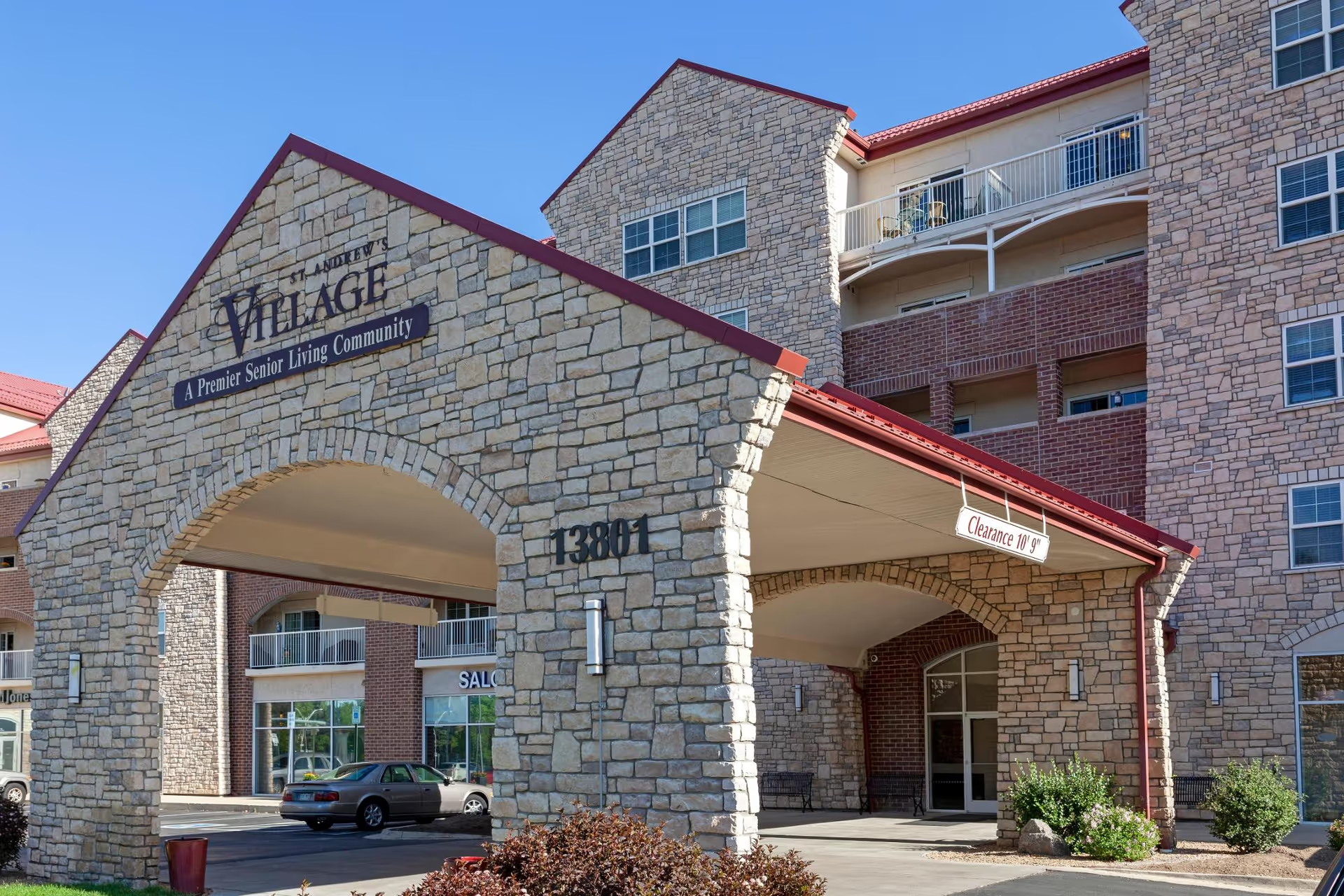
The Springs at St Andrew's Village elicits strongly mixed but clear patterns. Many families and residents praise the interpersonal side of care: nursing staff and CNAs are frequently described as compassionate, attentive, and comforting, and admissions and administrative personnel are noted for proactive follow-up and helpfulness. Rehabilitation services receive consistent positive mention — therapists are characterized as skilled, encouraging, and instrumental in measurable recovery gains. Ancillary supports such as an engaged nutritionist, available refreshments, and small convenience services add to the sense of individualized attention. Several accounts also highlight strong hospice and end-of-life support when needed.
At the same time, the facility shows operational weaknesses that recur across accounts. Medication-management processes and medication-administration timing are identified as inconsistent, and there are multiple mentions of delayed nurse responses and difficulties reaching the nursing station by phone. These communication and staffing gaps have been linked to delayed assistance after clinical events and to family frustration. Fall-response practices and clinical-incident follow-up emerge as areas needing systems improvement, including quicker bedside response and clearer family communication after events.
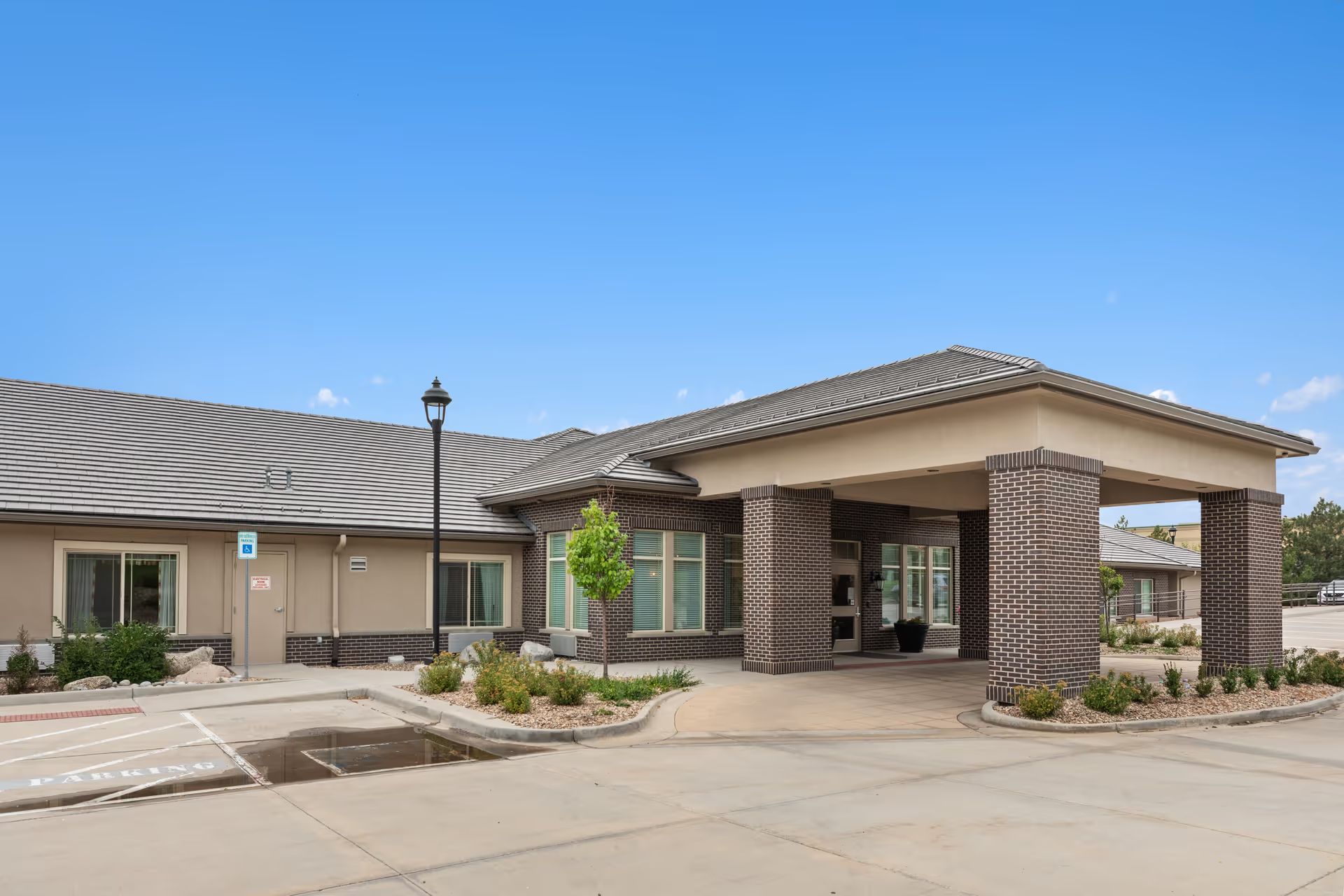
Dining and the physical environment produce variable impressions. Many reviewers praise balanced, fresh meal options and an appealing dining area, while others find the food quality inconsistent. The building and rooms are often described as clean and comfortable, but several notes reference localized maintenance issues — dated carpeting, occasional odor concerns in some areas, and uneven room amenities — that affect the experience depending on unit and room assignment. Infection-control practices such as COVID screening were reported as active and well-managed.
Management and culture show a mix of strengths and volatility. Positive comments cite visible, caring management and specific staff members who provide strong continuity and reassurance; families report effective transitions and responsiveness when leadership is engaged. Conversely, there are concerns about staff turnover and about instances when nursing leadership was difficult to reach, which appear to contribute to inconsistency in day-to-day care. There is also a serious operational-level allegation regarding staff theft and financial misconduct that would warrant investigation by responsible parties.
Overall recommendation for prospective residents and families is to weigh the facility’s clear strengths in therapy, compassionate direct-care staff, and certain administrative supports against recurring operational issues in medication controls, staffing responsiveness, and unit maintenance variability. Visiting the specific unit, asking about current staffing levels, medication-safety protocols, fall-response procedures, and touring sample rooms and dining at meal time will help families assess whether the facility’s strengths align with their priorities.