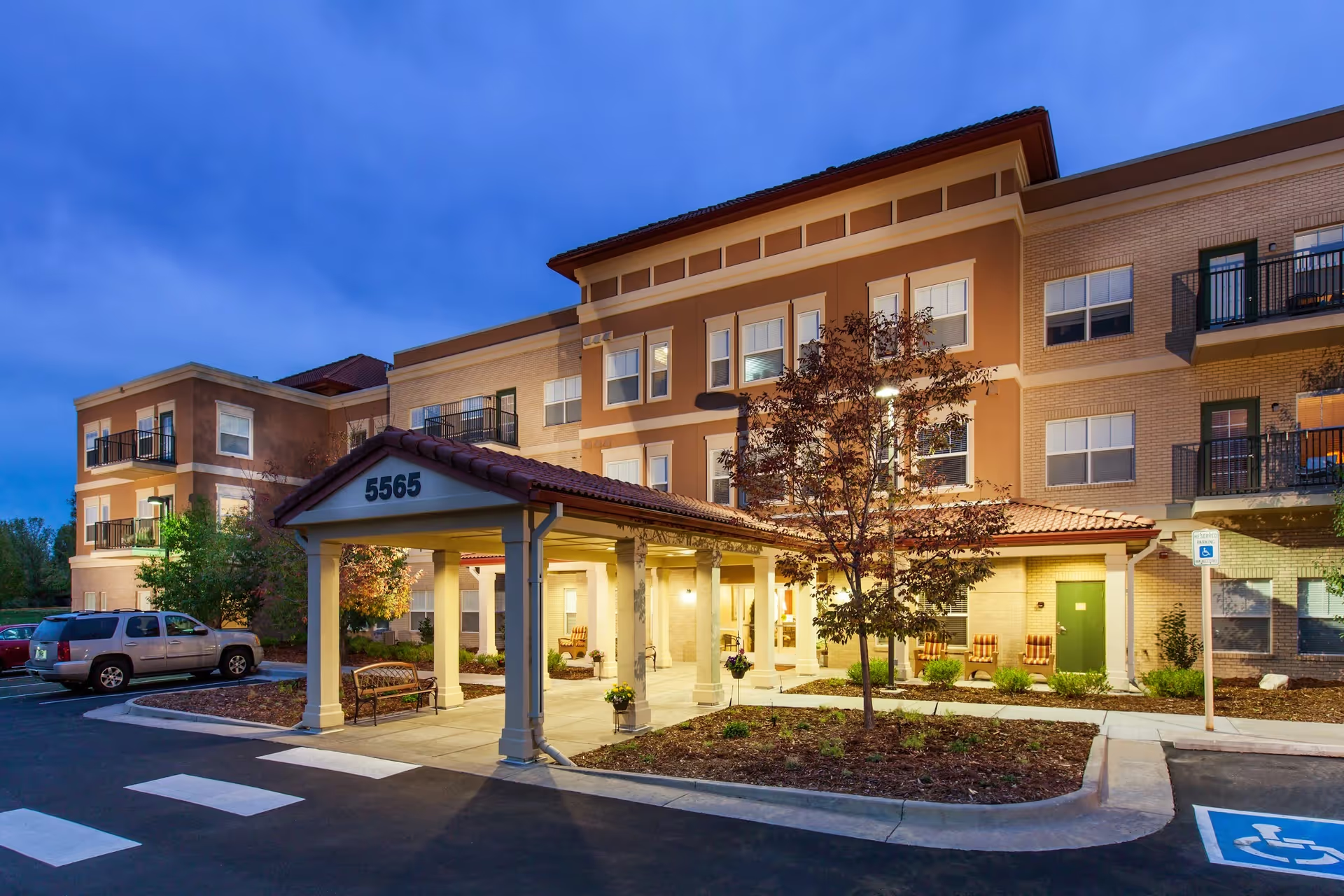
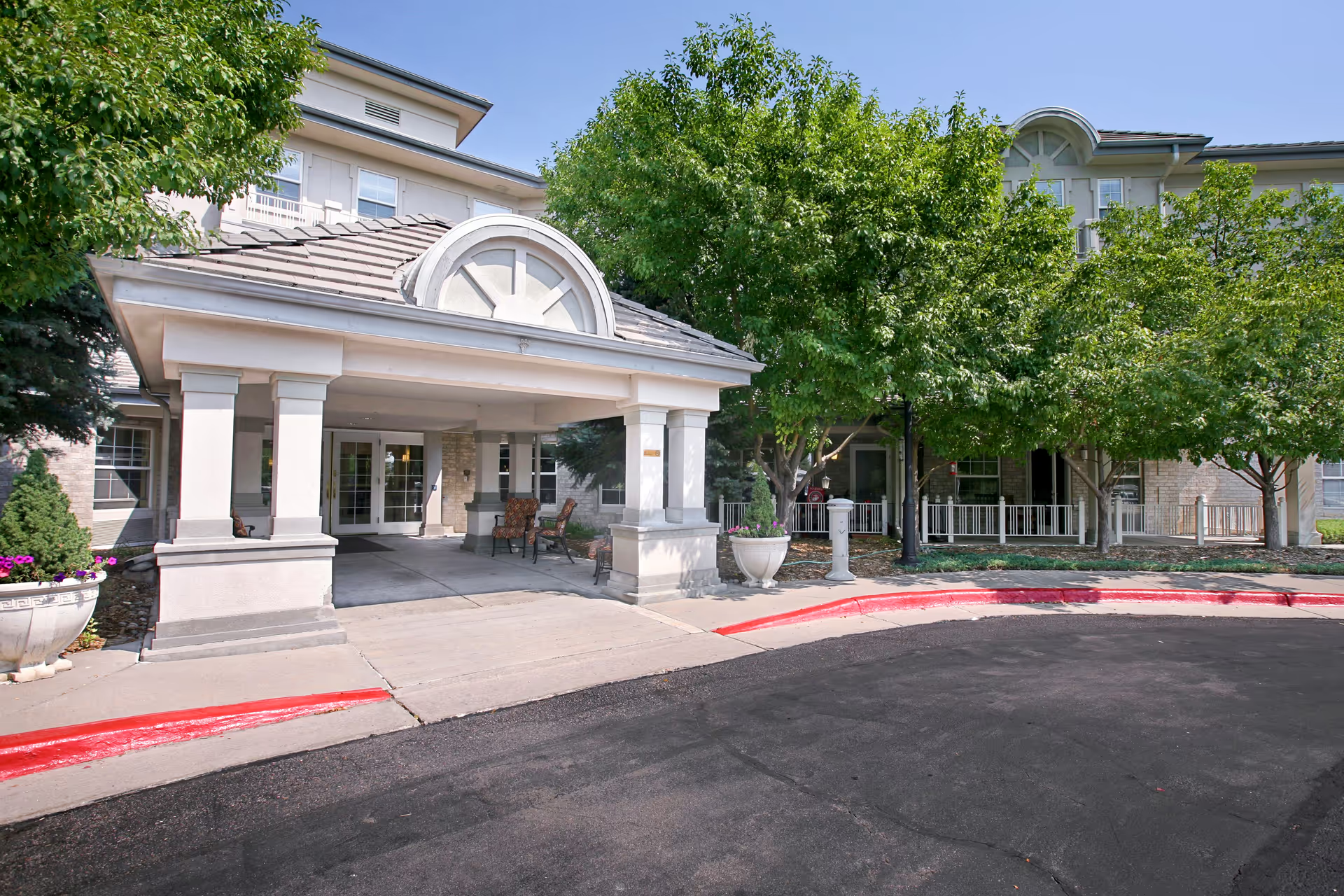
The Village at Hampden Town Center presents a mixed but clear picture. Many reviewers praise the location and physical apartment features: the community is close to shopping and light rail, offers spacious two‑bedroom units with full kitchens, in‑unit washer/dryer and dishwasher, and attached garages. Common areas are described as bright, attractive, and well maintained, with organized activities, social events, and an on‑site hair salon that support active social engagement. Maintenance responsiveness and local emergency services are frequently noted as timely, and numerous residents describe positive, welcoming interactions with front‑line staff and strong social connections with neighbors.
Care and daily living supports are limited by the community model: meals are not provided and utilities (electricity and gas) are typically excluded from rent, creating additional out‑of‑pocket costs. Several reviewers identified affordability concerns as a significant barrier. While on‑site personnel are often described as professional and helpful, accounts of variable staff competence and turnover indicate inconsistency in staffing quality and experience. Emergency medical response from external providers is generally described as prompt, but internal care-supports are aligned with independent‑living expectations rather than assisted‑living services, which may create a mismatch for residents with increasing care needs.
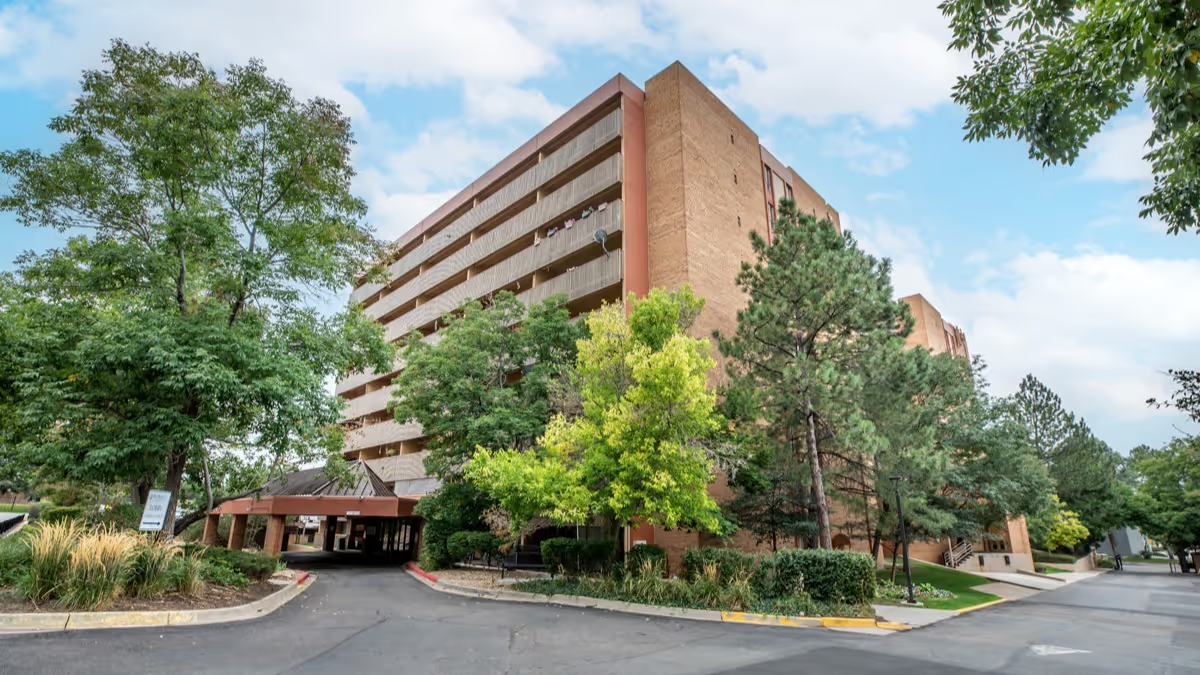
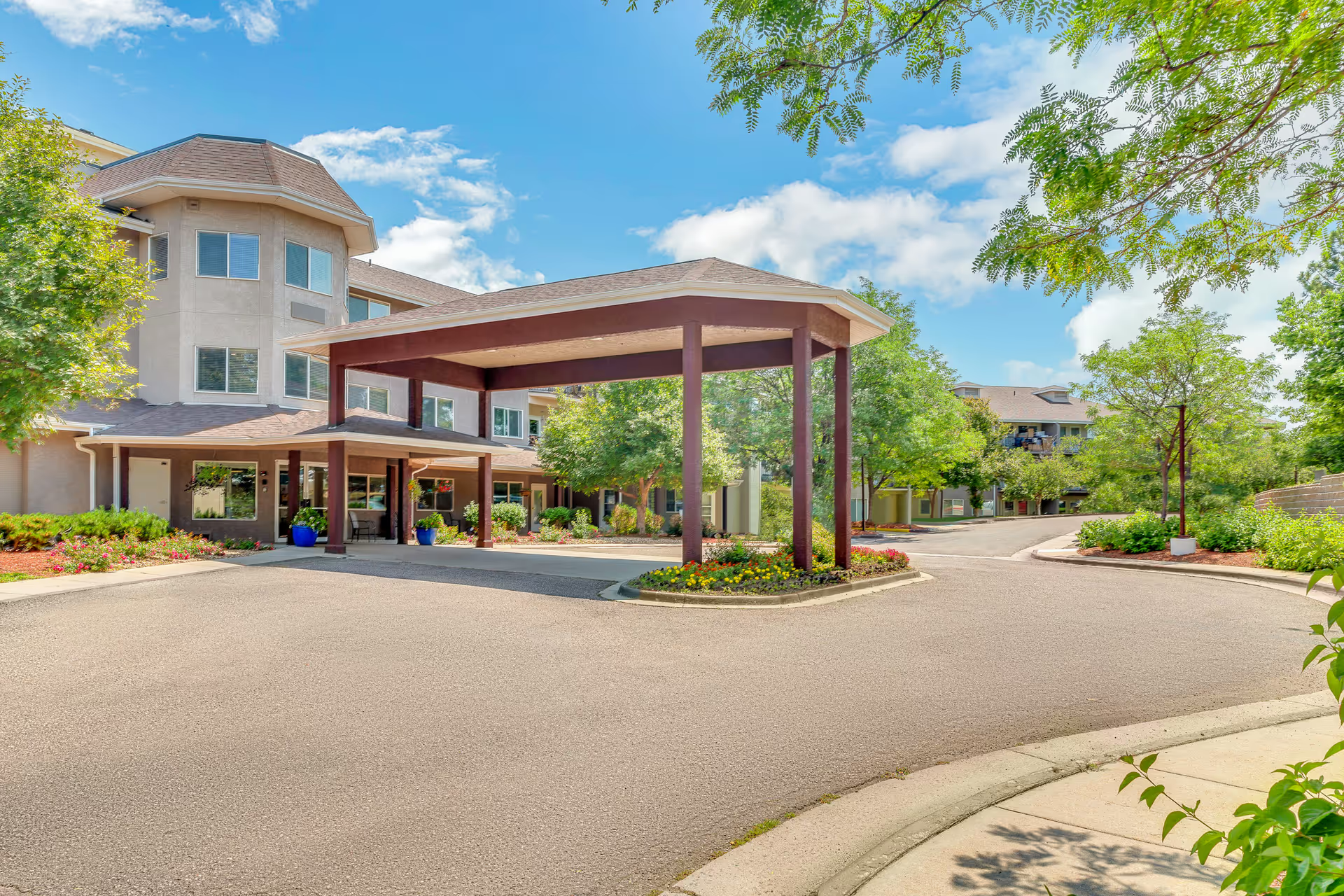
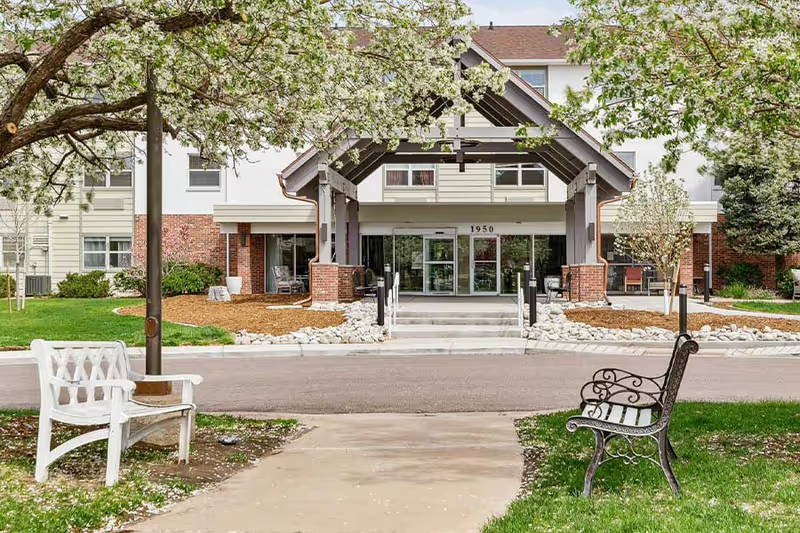
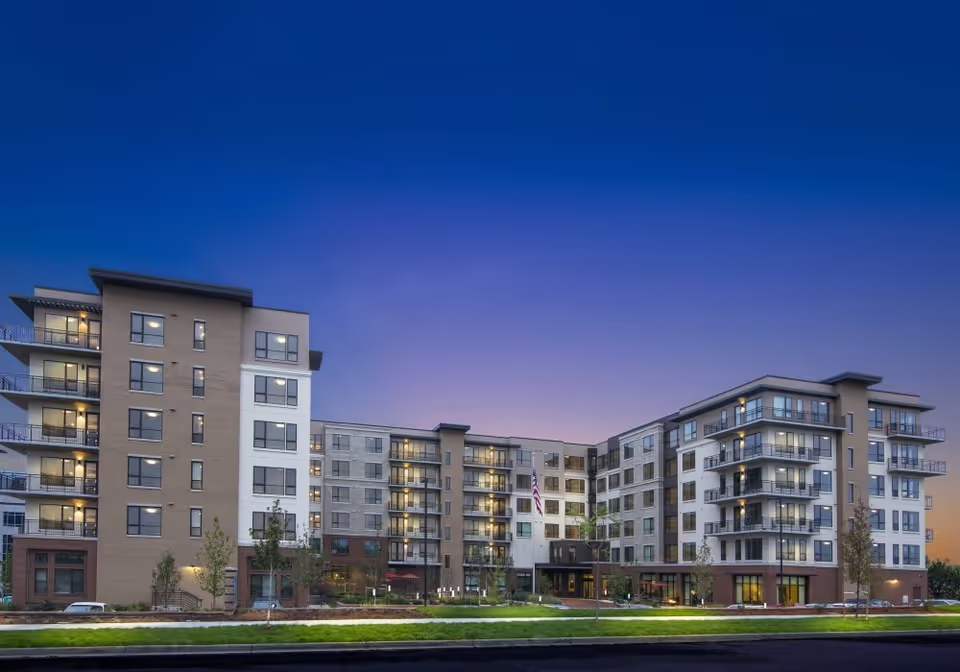
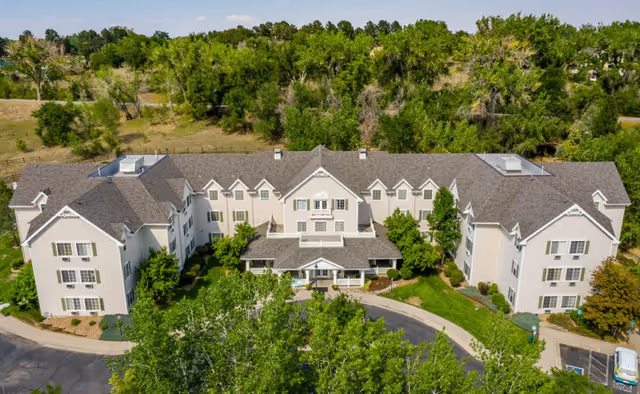
Facilities and building quality attract both praise and criticism. The complex is frequently described as new, bright, and well appointed, with pleasant landscaping and attractive communal spaces. Conversely, there are repeated concerns about construction and insulation quality—drafts, noise from adjacent traffic and delivery vehicles, and perceived thin building materials. These structural and comfort issues are an operational concern because they affect daily living quality. Relatedly, some reviewers raised concerns about smoking policy enforcement and odor in common areas, as well as serious claims suggesting housing and safety code noncompliance; these claims point to potential gaps in building oversight and policy enforcement that merit verification.
Management and administration are the most divided area. Positive accounts highlight friendly, organized managers who run strong activities programs and handle maintenance requests promptly. Negative accounts describe inconsistent responsiveness from management and corporate offices, particularly around billing, deposits, and refund timing, and include accusations of poor follow‑through on administrative issues. Taken together, these patterns suggest that prospective residents should verify financial terms (utilities, garage fees, deposit and refund policies), ask specific questions about smoking policy and building code compliance, and confirm staffing continuity and available care levels to ensure the community aligns with their care and affordability needs.