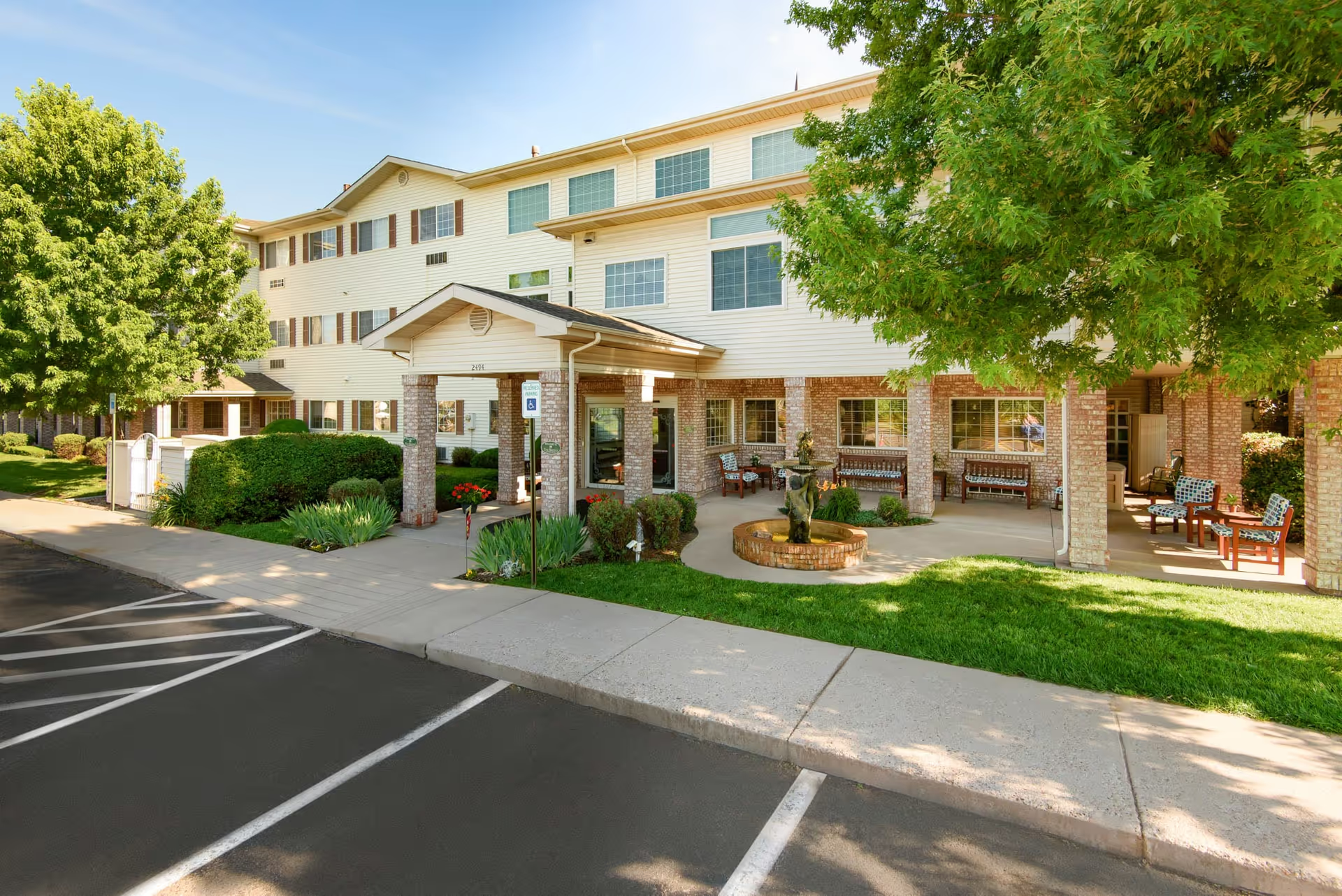
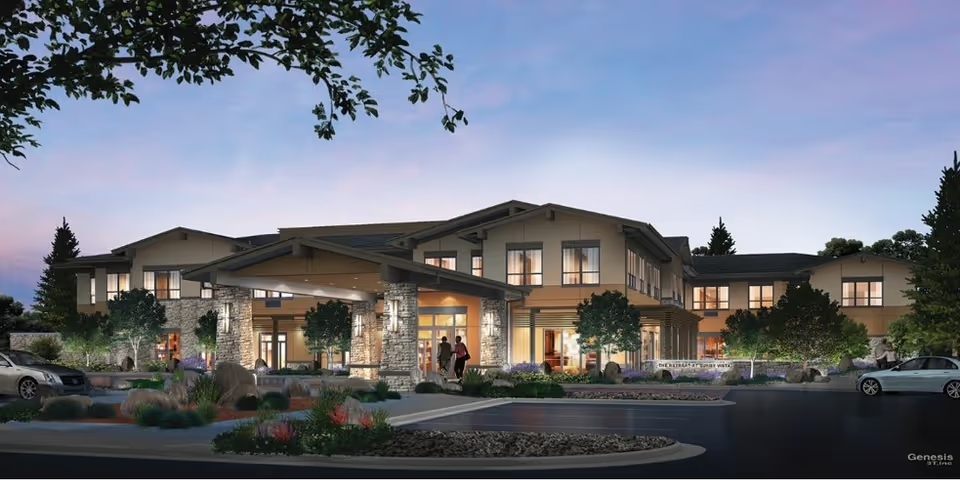
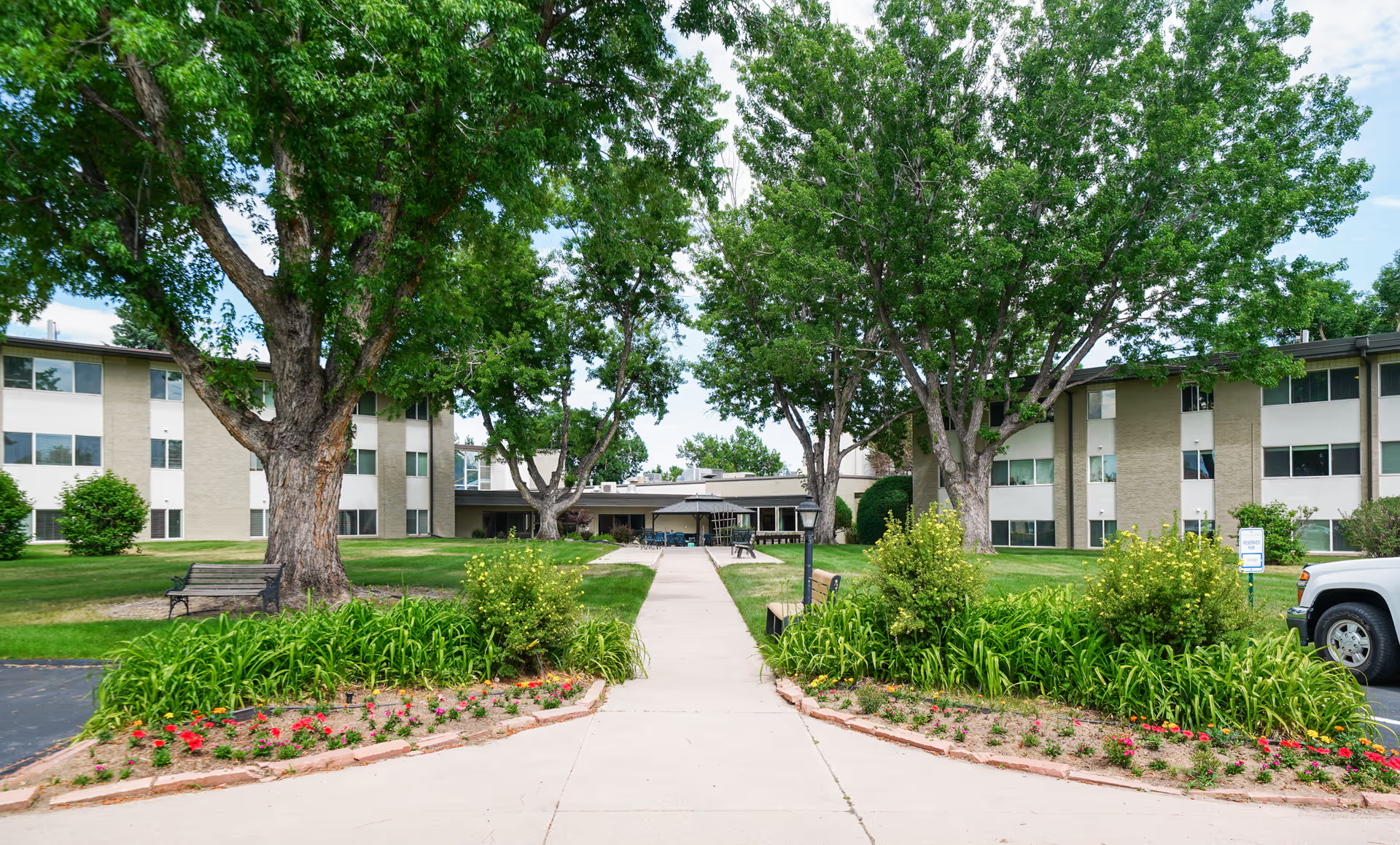
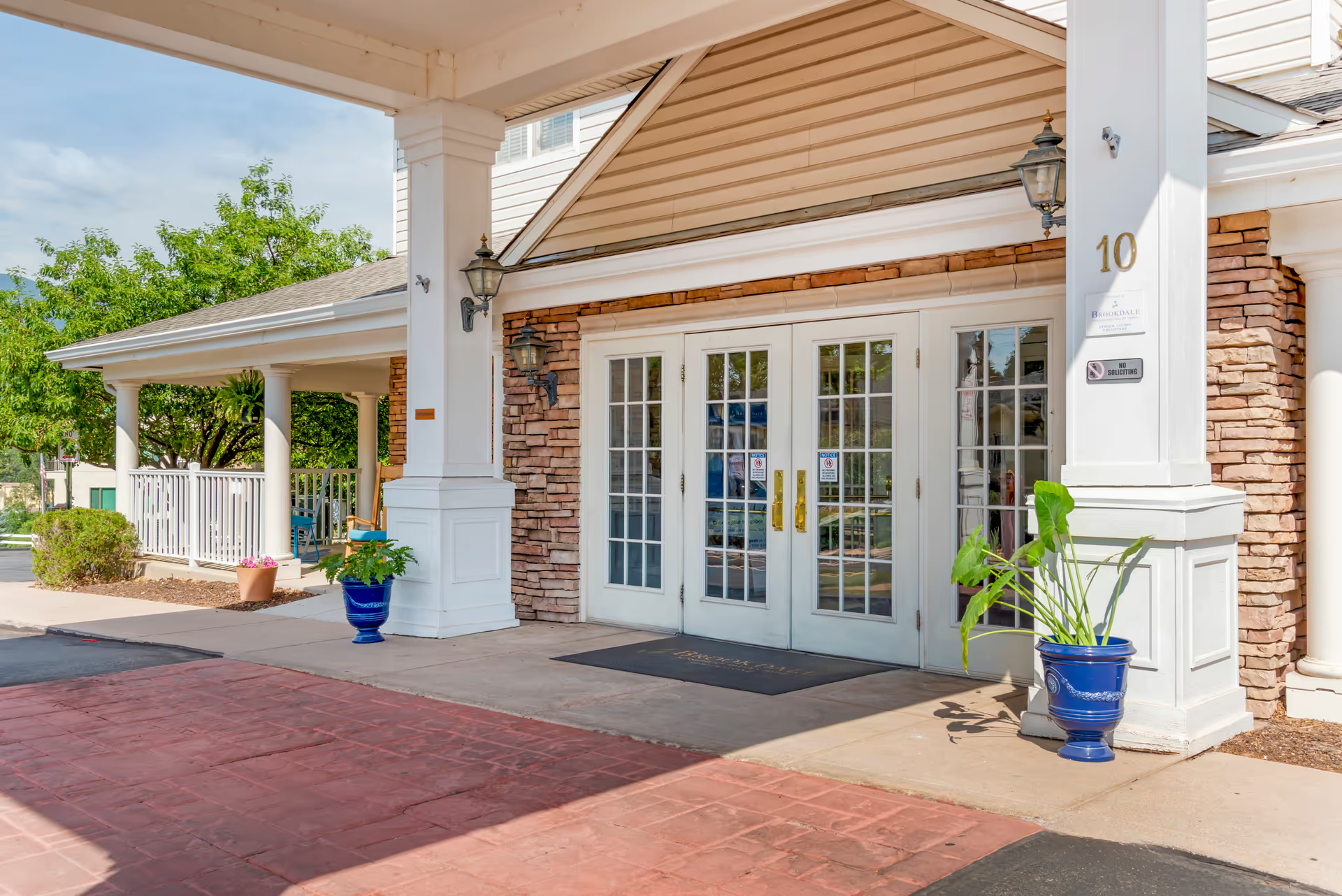
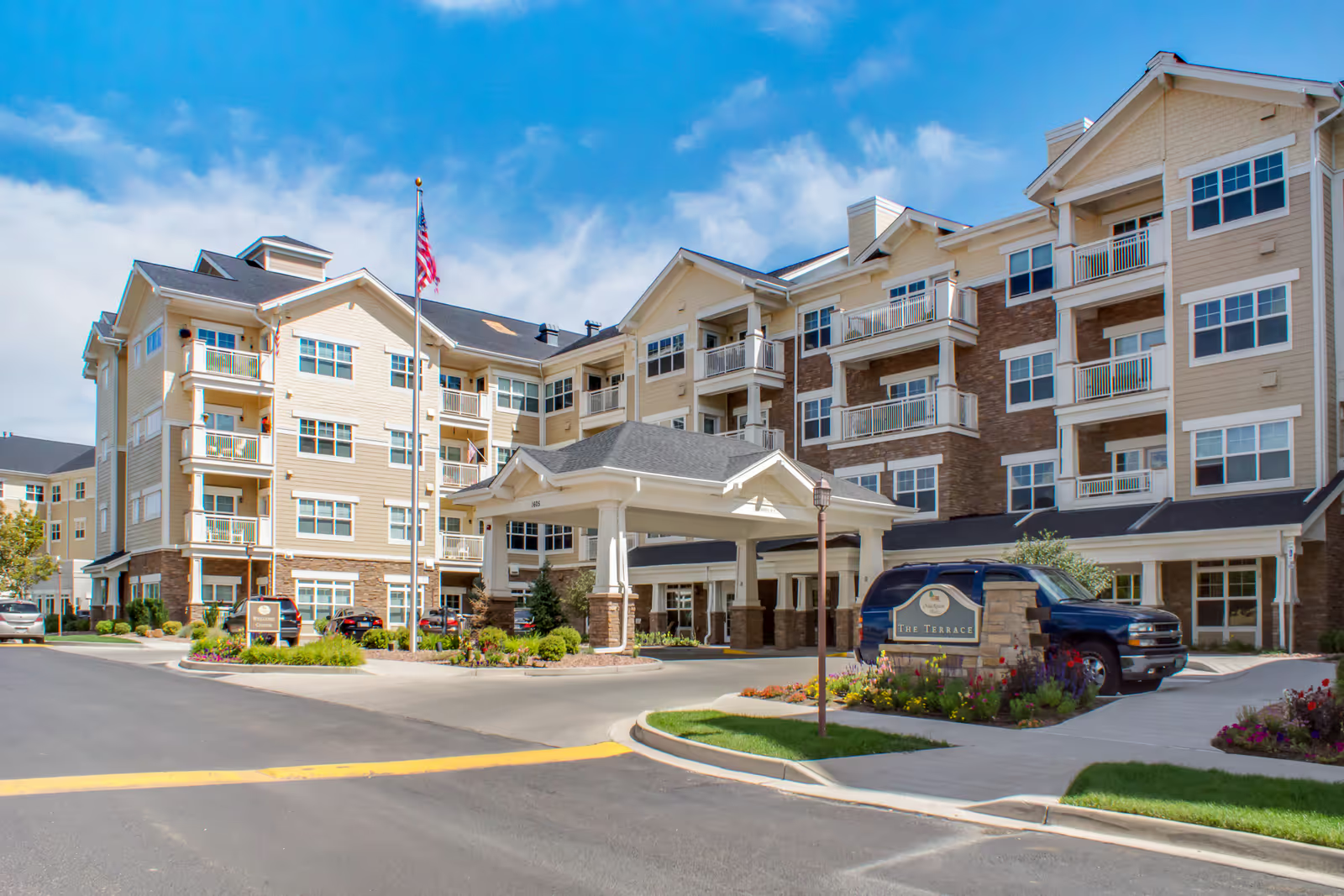
Feedback for Advanced Health Care of Colorado Springs shows a pronounced division between many strong clinical and hospitality attributes and a set of operational weaknesses that occasionally affect outcomes. A substantial portion of families praised the facility's rehabilitation programs, naming physical and occupational therapists and describing meaningful gains in mobility and independence. Skilled-nursing services — including wound care and restorative therapies — were frequently described as conscientious and effective. Housekeeping and interior maintenance are commonly characterized as thorough; the building and decor are often likened to a hotel environment with a warm, welcoming ambiance.
Staff-level interactions are a consistent strength in many accounts: reviewers describe nurses, therapists, and care coordinators as kind, encouraging, communicative, and family-oriented. Dining staff and activities programming also receive positive mentions, with some meals singled out as excellent and social events described as lively. Transportation and logistical services are typically reliable according to multiple comments.
Counterbalancing those positives are recurring operational concerns. Medication-management inconsistencies (delays, dosage discrepancies, and coordination with external pharmacies) appear across multiple accounts and are a central operational risk. Staffing and scheduling gaps were reported as well — reviewers cited slow response times to requests for assistance, limited weekend therapy availability, and intermittent absenteeism or understaffing that lengthened wait times for care. Communication breakdowns between families, nursing staff, therapists, and attending physicians were also noted, contributing to uncertainty about care plans and clinical decisions.
Reports also include sanitation and pest-control concerns in some situations, creating variability in perceived cleanliness despite many descriptions of a sparkling facility. A minority of accounts raise serious conduct-related issues, including allegations of discriminatory behavior and instances of unprofessional tone or workplace friction; these descriptions suggest unevenness in staff professionalism and internal management culture. Additional management-level themes include occasional payment or administrative disputes, unclear policy communication (for example, around advanced directives or visitation), and limited transparency in certain care decisions.
For prospective residents and families this profile suggests clear strengths if primary needs are rehabilitation, skilled nursing care, and an upscale living environment. At the same time, it would be prudent to ask targeted questions during any tour or intake about medication administration processes, weekend therapy coverage, staffing ratios and response-time expectations, pest-control protocols, and channels for family communication and grievance resolution. Those steps can help align expectations and identify whether the facility’s operational practices meet the specific needs of the prospective resident.