Brookdale Broadmoor elicits a strongly mixed but consistent pattern: many families and residents praise the front-line staff, clinical nurses, and activity teams, while operational weaknesses appear to produce variability in day-to-day experience. Strengths commonly cited include compassionate caregiving, knowledgeable nursing during daytime hours, attentive housekeeping, and an active programming schedule (music, exercise, crafts, outings). The community offers practical amenities such as on-site beautician and shop, courtyard and outdoor access, private-studio and one-bedroom floor plans, and coordination with external programs (PACE, hospice). The memory-care unit is described as secure with dementia-focused expertise and safety technology in place.
At the same time, reviewers repeatedly point to variability in how those strengths are delivered. Staffing shortages and turnover are underlying themes that correlate with delayed responses to call requests, inconsistent in-room assistance, and sporadic follow-through on commitments. Several accounts describe medication and prescription delays or gaps in medication management; these descriptions indicate a need to verify pharmacy and clinical workflows when evaluating placement. Food service receives mixed feedback: many diners praise the regular meals and specific offerings (including positive comments about soups and presented entrees), but in-room dining logistics, repetitive menus, and occasional meal-delivery inconsistencies are recurring operational issues.
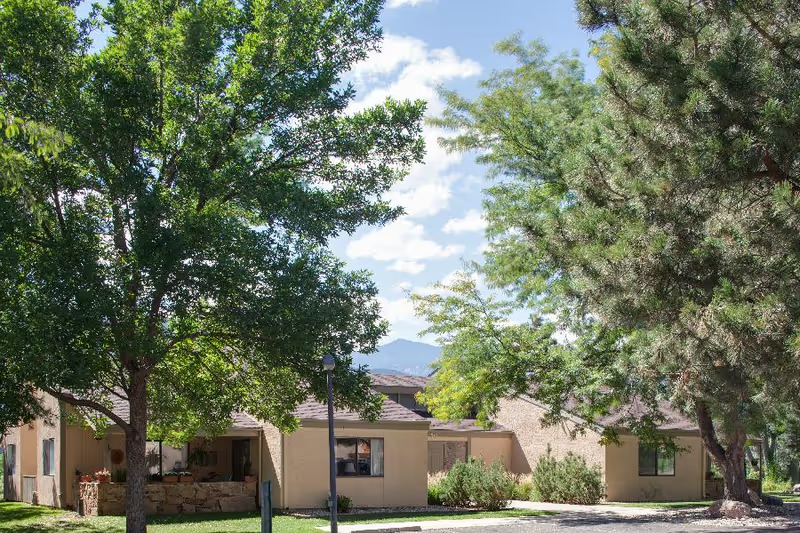
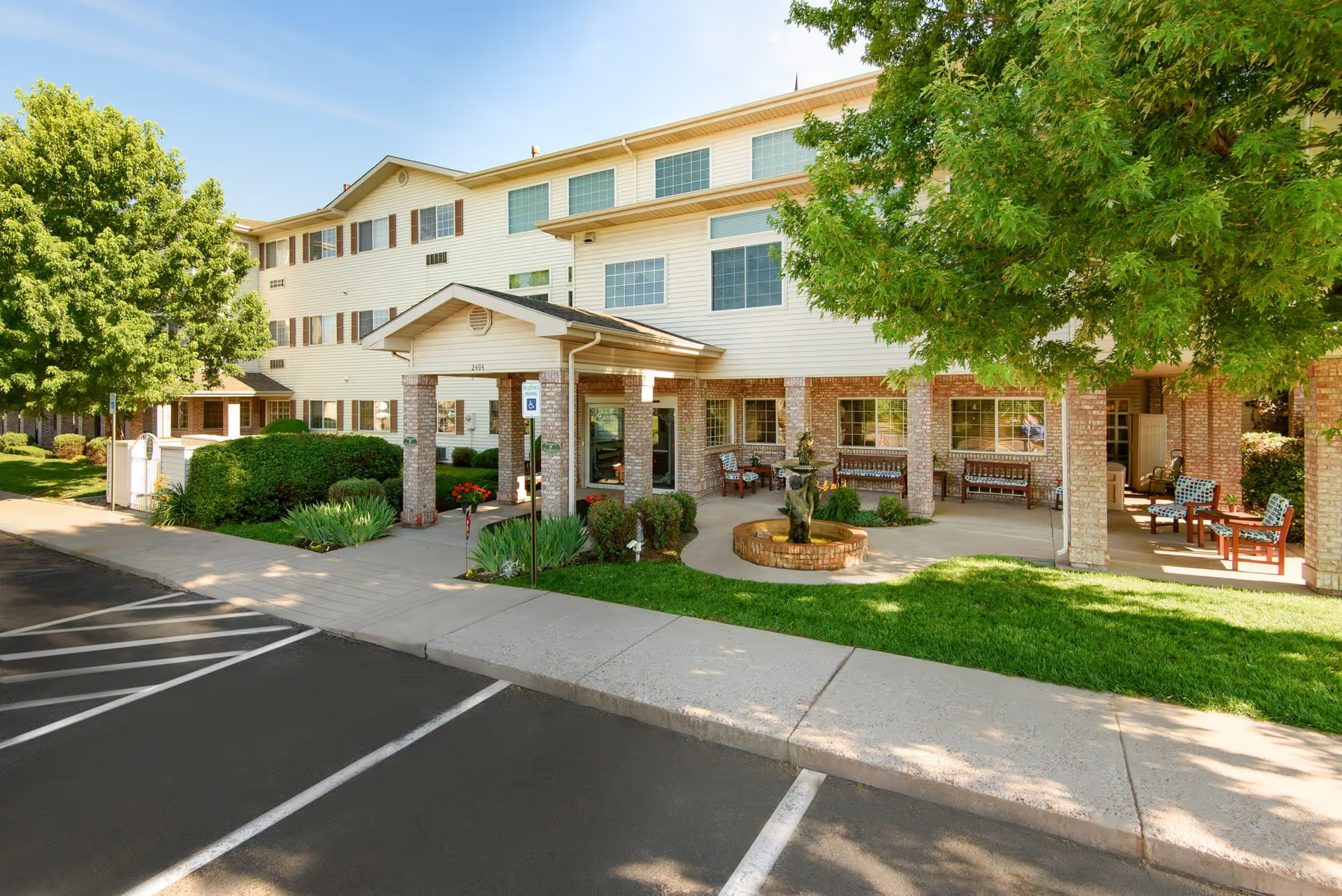
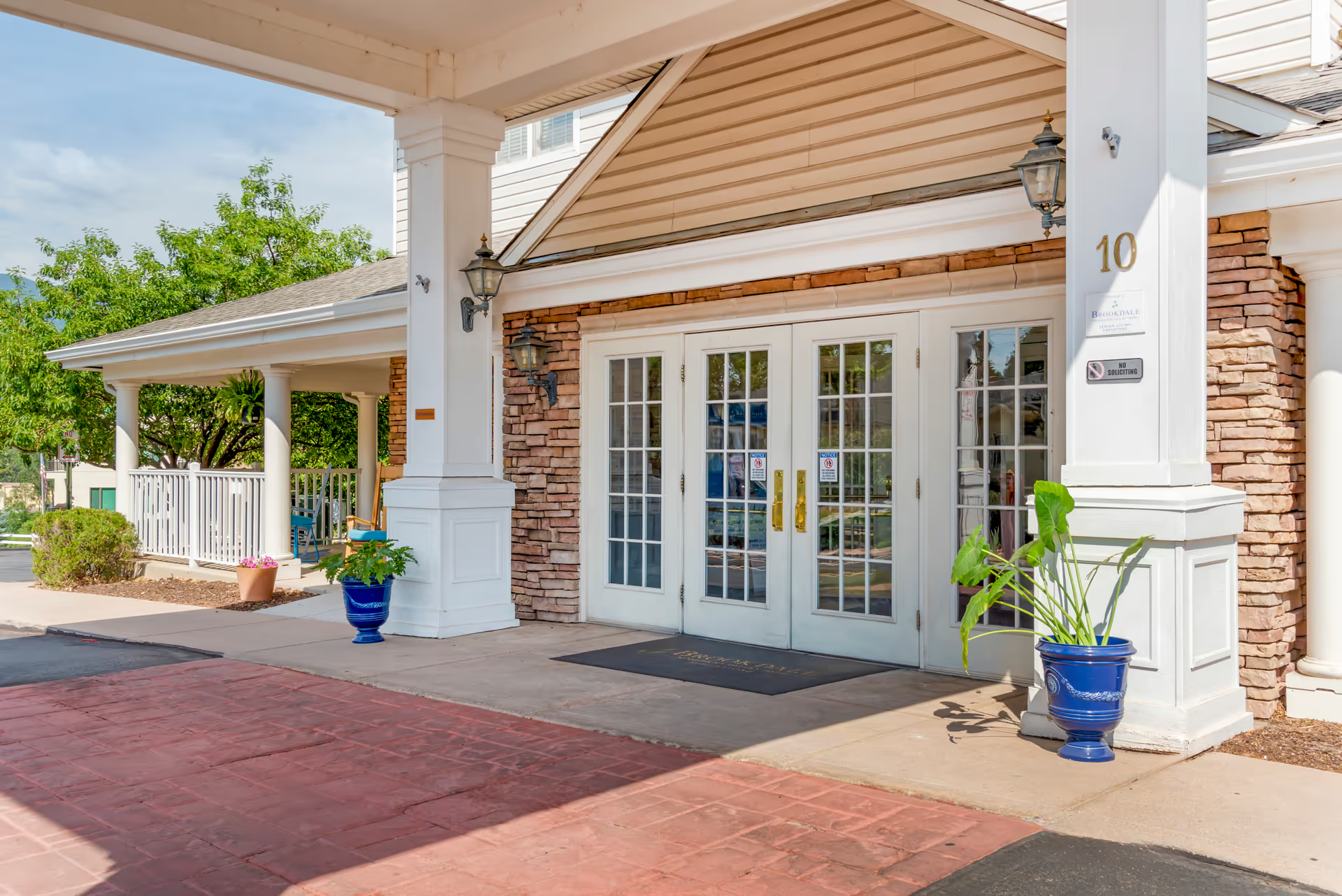
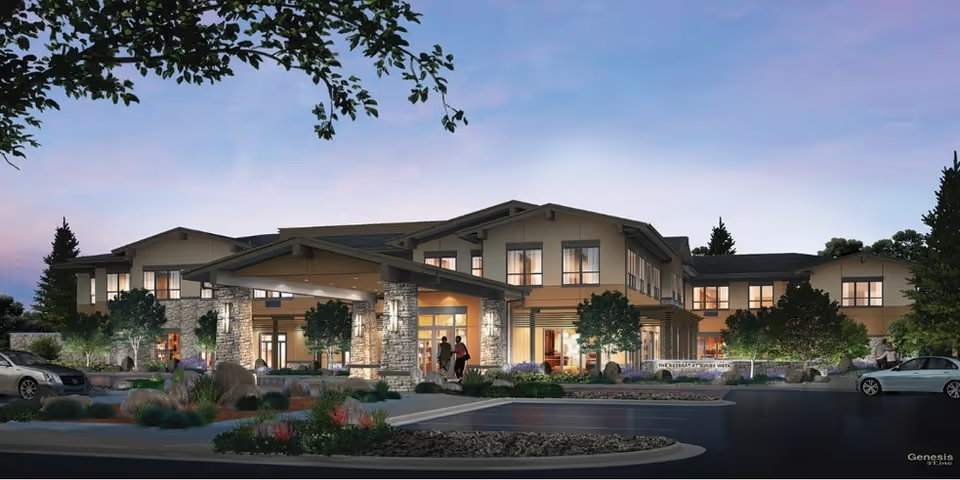
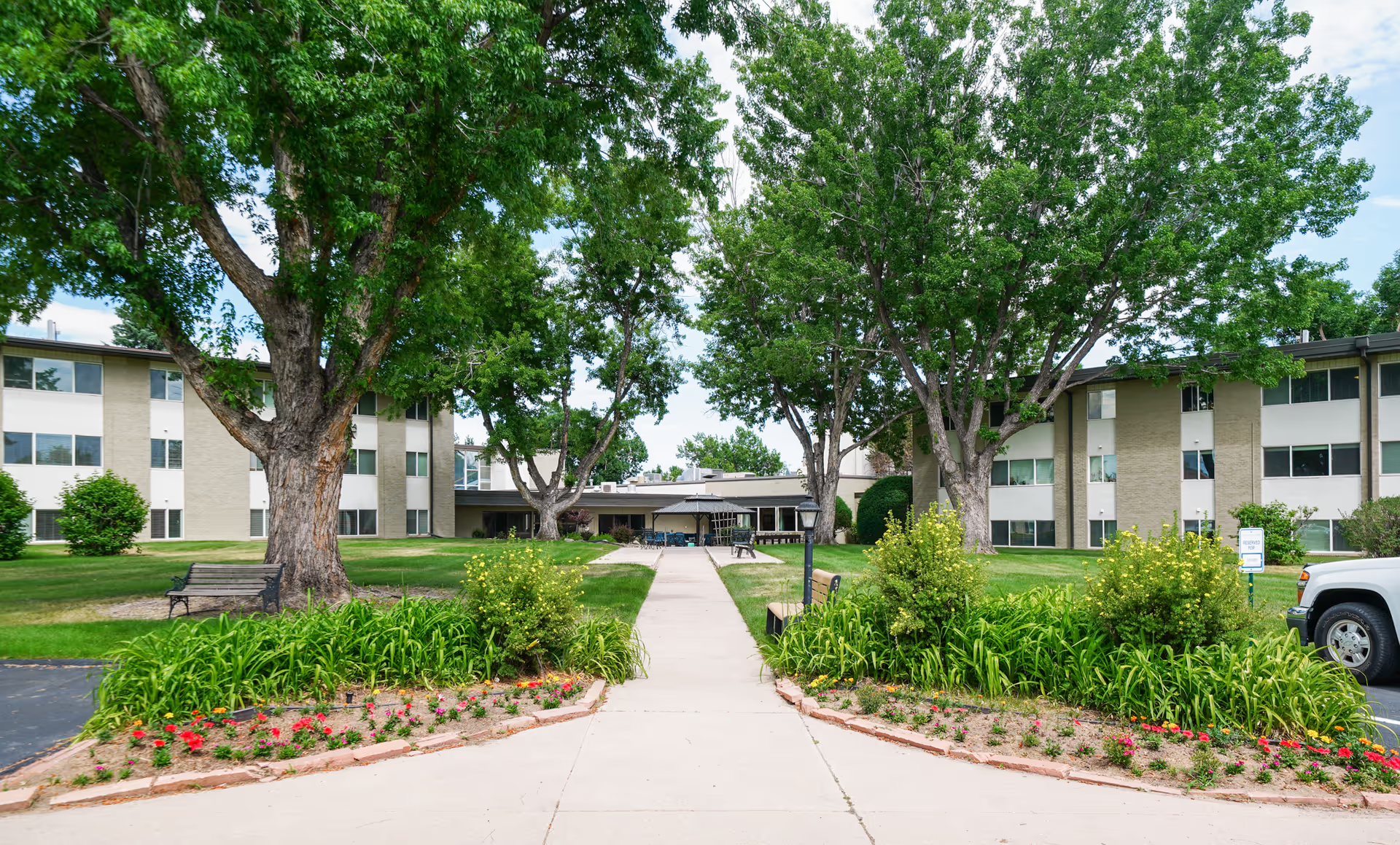
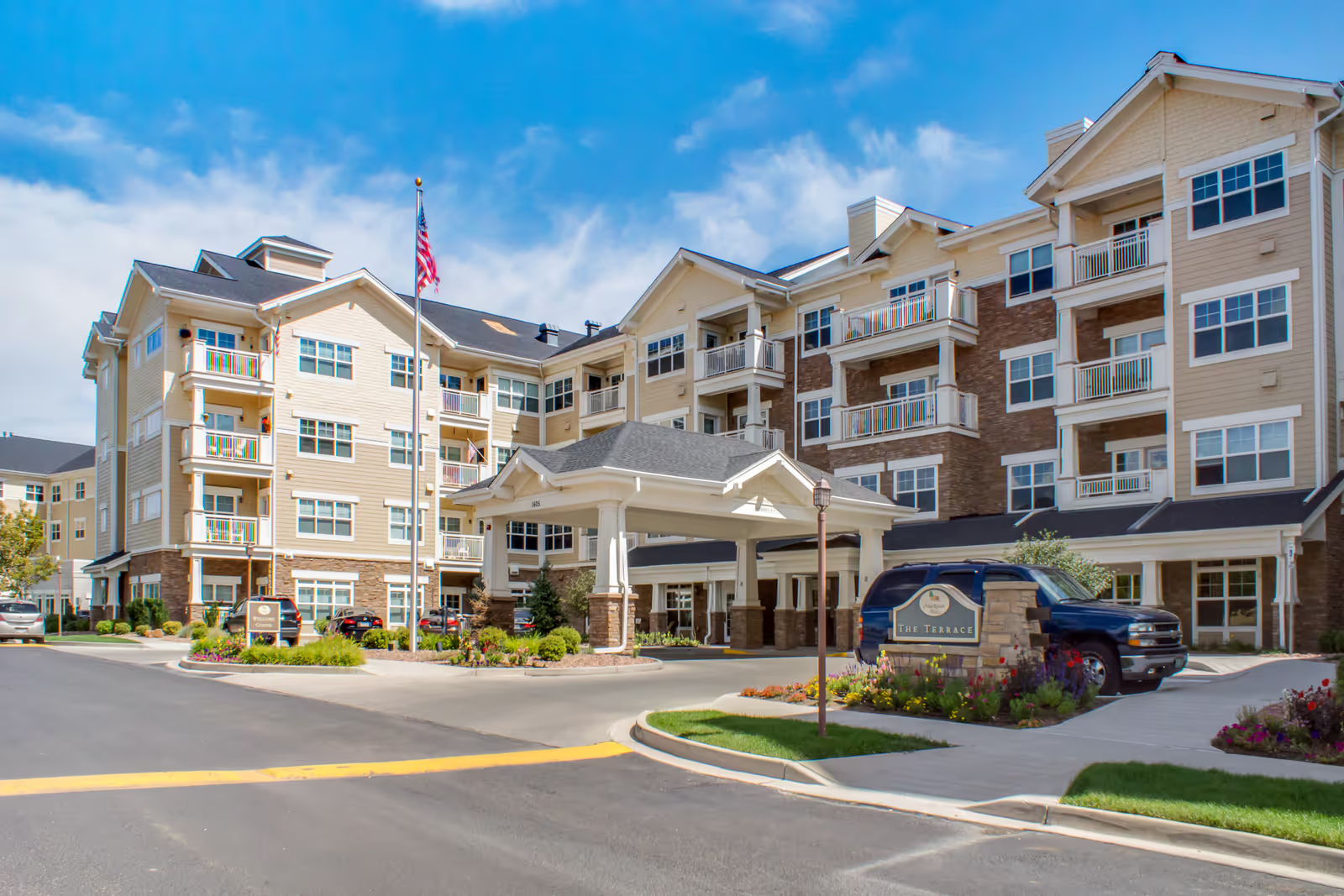
Facility physical characteristics also divide impressions. Portions of the campus and many rooms are described as clean, well-maintained, and comfortable, with pleasant outdoor spaces. Conversely, other reviewers describe dated, small, or cramped common areas and rooms that feel older or dim; sanitation and odor concerns are mentioned in some areas, suggesting variable housekeeping performance across the building. Memory care is physically separated and is praised for safety measures, though some families felt programming for cognitive engagement could be stronger in certain units.
Management and administrative patterns are similarly mixed. Several families commend specific directors and department leaders for responsiveness and problem-solving, while others report poor communication, delayed or missing follow-up, and billing or account-management errors. A small number of reviews describe serious individual incidents that raised concerns about clinical incident reporting and post-event family communication; these descriptions point to potential gaps in clinical incident response and family notification processes rather than a uniform policy. Prospective residents should ask targeted questions about billing practices, incident notification, and escalation pathways.
Overall, Brookdale Broadmoor has substantive strengths in staffing, clinical alignment with external care programs, and a lively activity program, making it a good fit for families who prioritize social engagement and a staffed, community-oriented environment. However, persistent operational weaknesses — notably staffing consistency, family communication, medication and meal logistics, and variability in cleanliness and common-area condition — warrant careful on-site evaluation. Recommended steps for prospective families include observing mealtimes and activity periods, asking for staffing ratios by shift, reviewing medication and incident-reporting protocols, clarifying billing and admissions terms, and touring both assisted living and memory-care areas at different times of day to assess consistency.