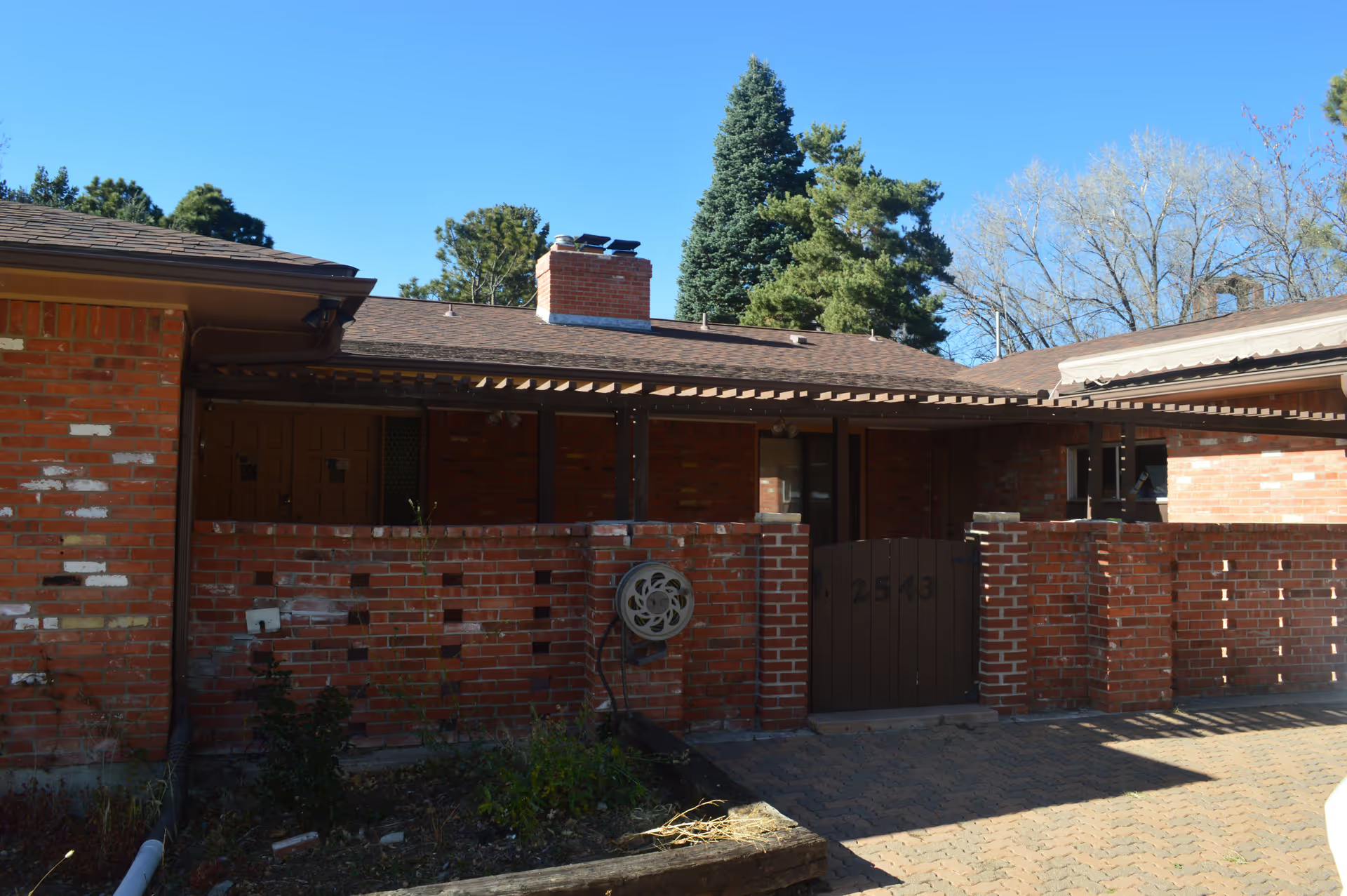
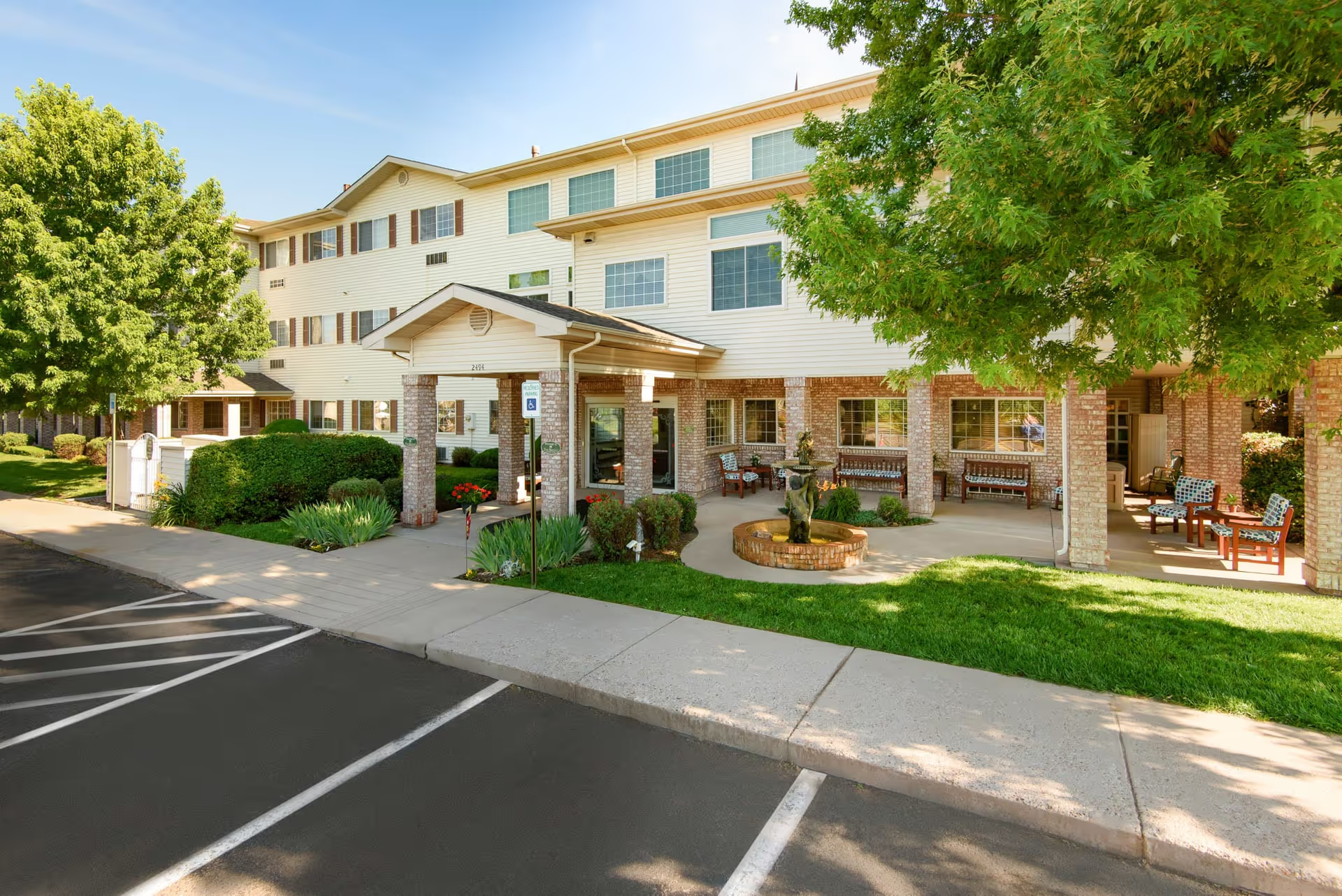
Cascade House is a small, home-style assisted living setting that families commonly describe as warm and family-oriented. Many accounts highlight consistently attentive staff, individualized one-on-one attention, and owners who are welcoming and available. The facility’s size and homelike décor are credited with creating a comfortable atmosphere; reviewers note clean common areas, regular repositioning of residents, weekly hospice nurse involvement, and clear infection-control practices during the COVID period. Activity programming, social meals, crafts, and outdoor space are additional positive features that families cite when describing daily life.
Clinically, the facility appears well-suited to residents with moderate assistance needs who benefit from frequent personal interaction and hospice coordination. Several families praised staff for going above and beyond, close family inclusion in meals and events, and steady communication about routine care. Meal quality and the layout of shared spaces were repeatedly described as strengths, and staff-driven socialization during meals was noted as a contributor to resident wellbeing.
However, the reviews also identify operational limitations and serious areas for inquiry. There are recurring concerns about medication-management practices and the facility’s ability to manage higher-acuity clinical needs—examples cited include complex medication regimens and residents requiring continuous, hands-on nursing care. Relatedly, reviewers raised incontinence-care concerns and gaps in needs assessment for residents who are bedridden or require 24/7 support. Family members also described difficulties contacting the facility at times, including lack of resident phone access, which affects real-time communication.
A particularly serious theme involves the admission and authorization process: there are allegations of improper placement and proxy-authorization handling that prospective families should evaluate directly. These claims touch on documentation and decision-making transparency rather than routine care elements, and they warrant verification during the tour and contract review. Cost was another recurring point—several comments characterized the facility as expensive relative to expectations—so clear discussion of fees and included services is advisable.
In summary, Cascade House presents as a caring, small-scale option that emphasizes individualized attention, social engagement, and hospice collaboration. It may be a good fit for residents with moderate assistance needs who benefit from a home-like environment and family involvement. Prospective residents with high-acuity medical needs, complex medication regimens, or who require guaranteed 24/7 nursing support should confirm clinical capabilities, medication protocols, emergency response procedures, and documentation practices before admission. Families should also review admission paperwork and proxy-authority procedures in person, confirm communication arrangements (including resident phone access and staff contactability), and obtain a clear written estimate of costs and included services.