The review pool for Constant Care V Assisted Living presents a mixed picture. Many comments emphasize a small, home-like setting with a strong resident-to-staff ratio, courteous caregiving staff, and generally clean common areas. Those strengths suggest a community where individualized attention and a welcoming atmosphere are notable features. At the same time, a number of reviewers raised operational and culture-related concerns that may affect families’ confidence in day-to-day management and staff oversight.
Care quality and staffing: Positive feedback centers on personalized attention enabled by a low resident-to-staff ratio and staff who are described as helpful and polite. This pattern indicates the facility can provide close, hands-on assistance and a sense of homelike support for residents. Counterbalancing that, reviewers expressed concerns about inconsistent staff professionalism and responsiveness. These comments point to variability in how staff interact with residents and families, and suggest prospective families should ask about supervision, staff training, turnover, and incident-response procedures during a tour.
Staff and workplace culture: Several reviewers described examples of interpersonal conflict among staff and instances of perceived favoritism and unprofessional behavior. These observations imply weaknesses in conflict management and accountability structures rather than isolated care failures alone. Families may want to inquire about the facility’s policies for staff conduct, performance reviews, and how complaints are investigated and resolved.
Dining and activities: The available commentary includes little specific detail about meal quality or structured activities, though the overall “home-like” and “welcoming” descriptors imply a comfortable communal environment. Given the absence of consistent feedback in this area, visitors should request current menus, sample activity calendars, and explanations of accommodations for special diets or mobility needs to form a clearer impression.
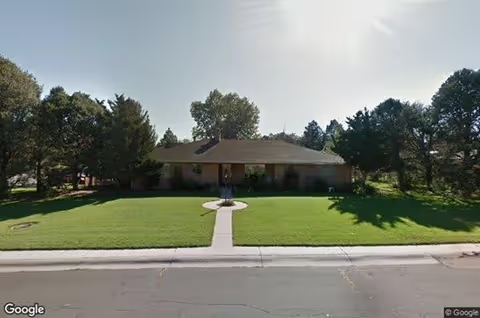
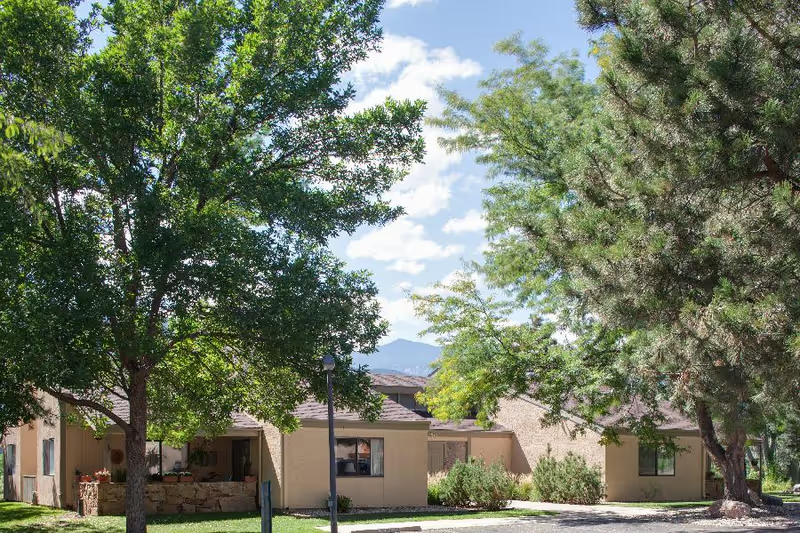
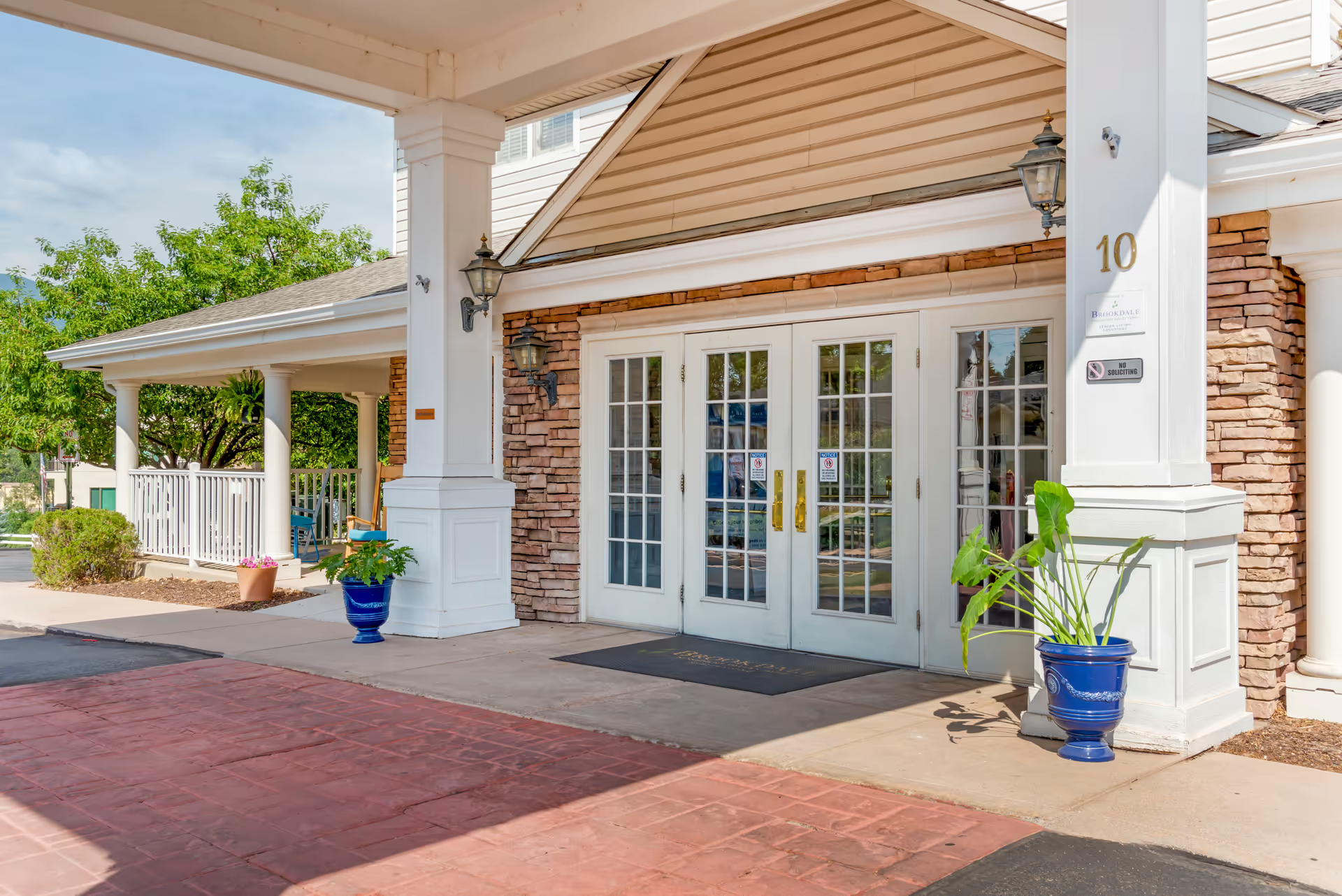
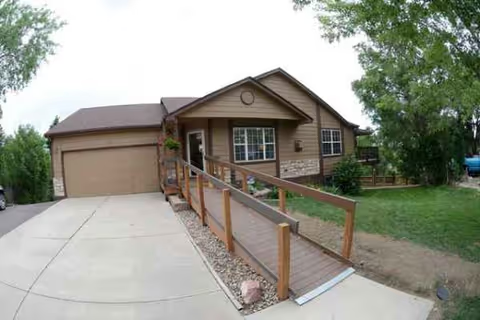
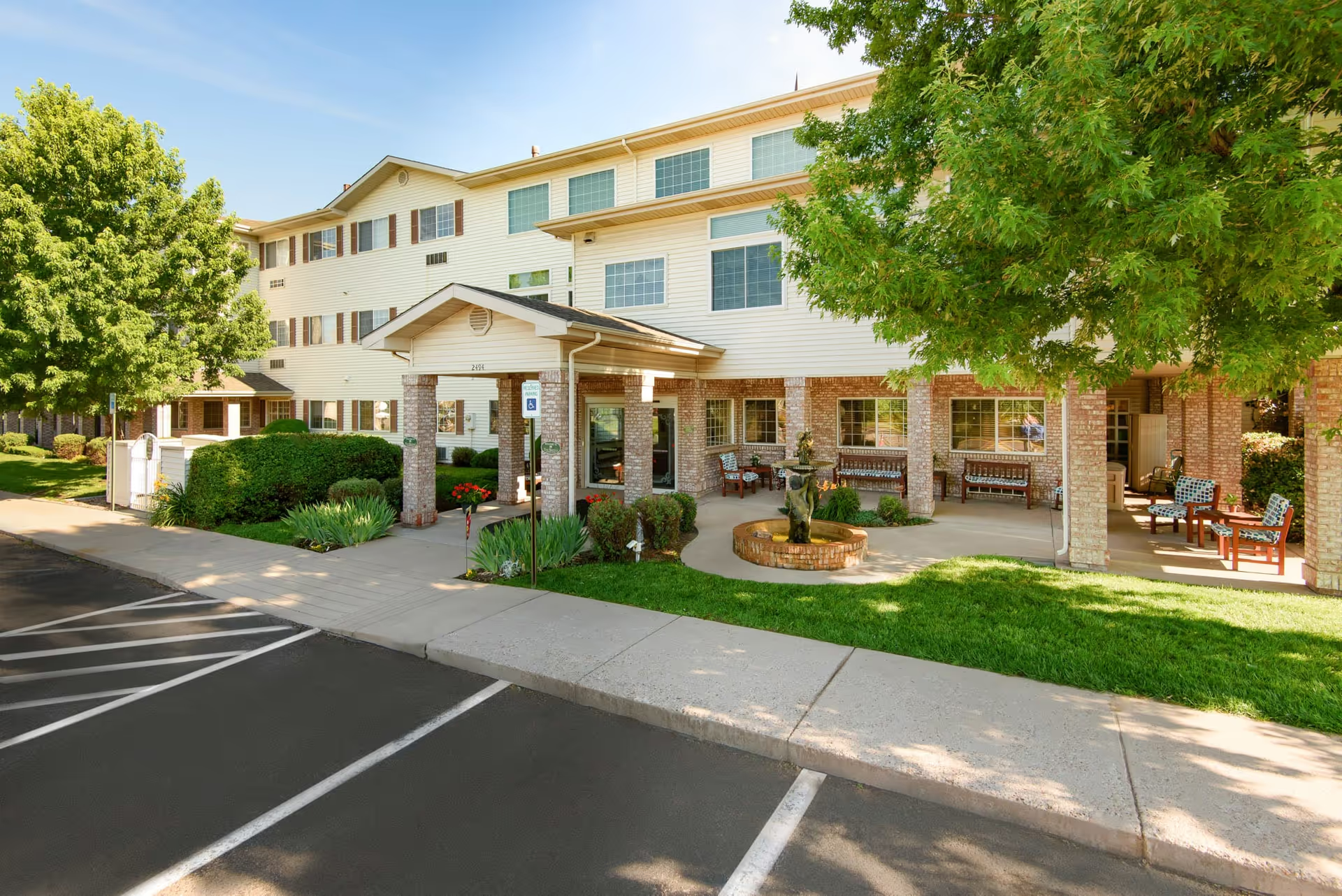
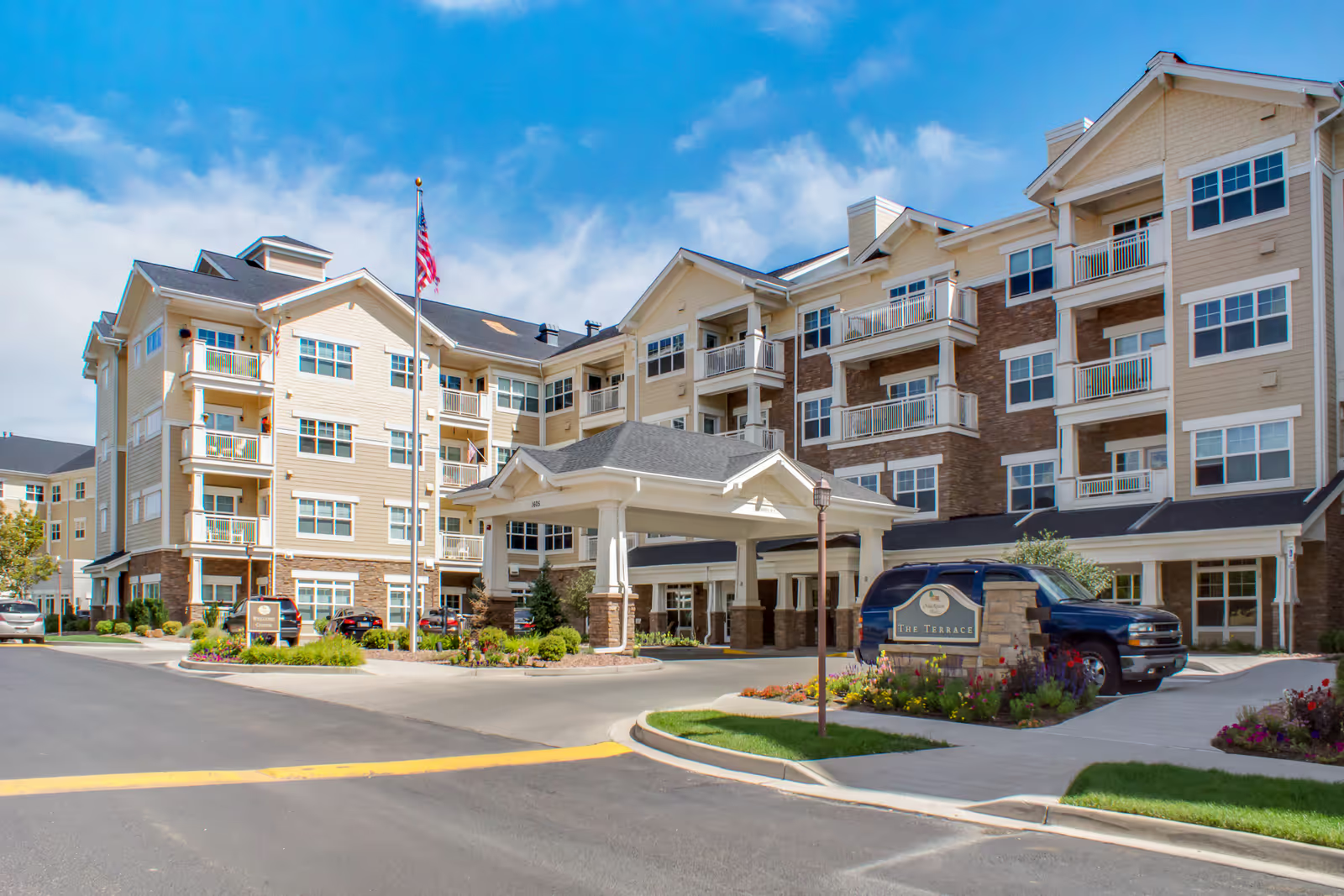
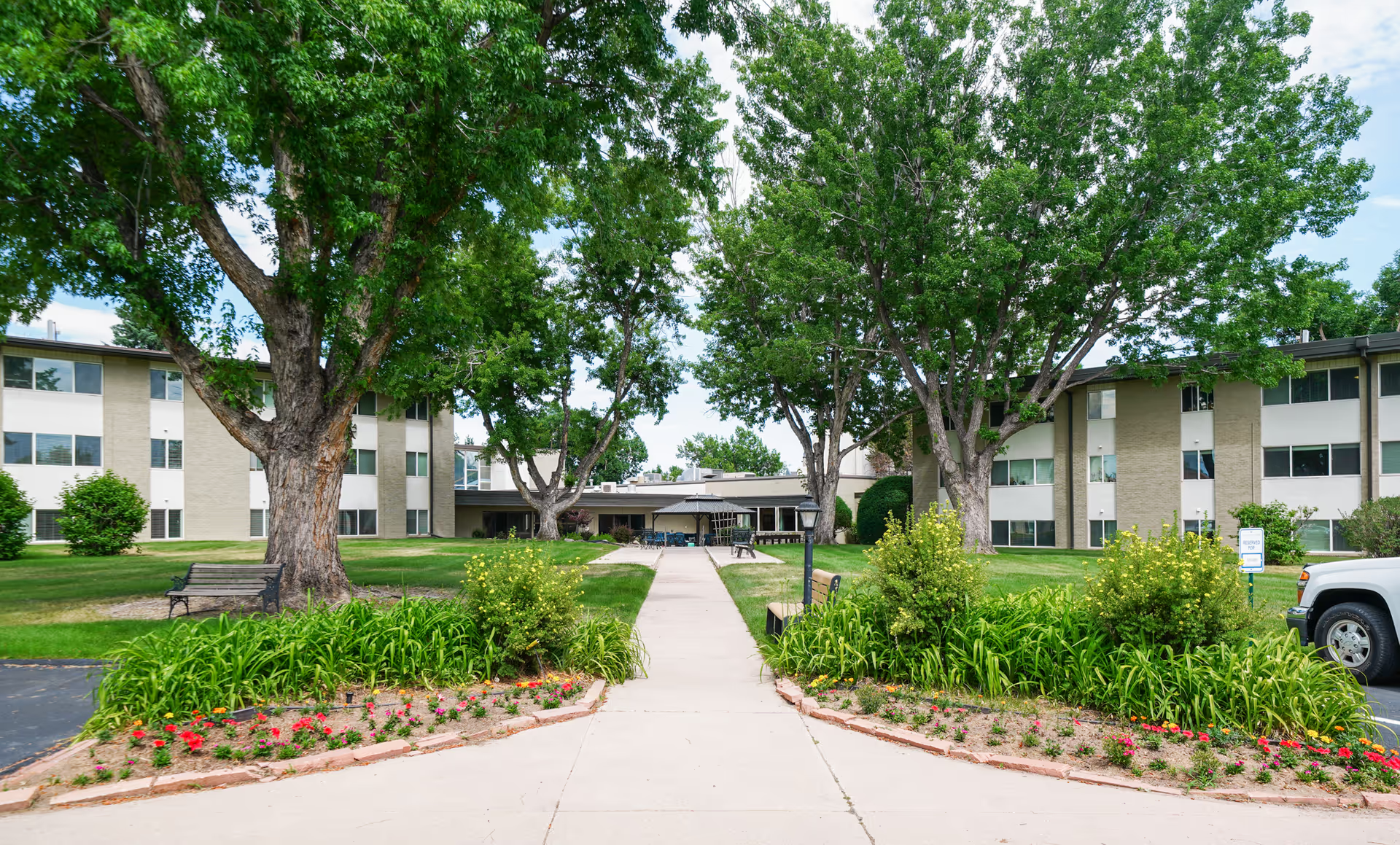
Facilities and environment: Cleanliness and well-maintained common spaces were noted positively, supporting the sense of a tidy, domestic environment. Some reviewers, however, mentioned noise and general environment-control issues; this suggests variability across shifts or common areas. A walk-through during different times of day can help assess these factors directly.
Management and notable patterns: Management practices and transparency emerged as a recurring concern. Concerns include limited transparency around personnel processes and questions about how the facility handles staff conduct issues. There are also allegations regarding access to employee records raised by at least one reviewer, which families may consider when evaluating administrative openness. It would be prudent to ask for written policies on staff hiring, training, background checks, complaint escalation, and examples of how past incidents were handled (redacted for privacy).
Bottom line: The facility shows strengths typical of a smaller assisted-living community—personalized attention, a welcoming atmosphere, and generally clean spaces—but the pattern of concerns about management, staff conduct oversight, and inconsistent professionalism is notable. Prospective residents and their families should schedule an extended visit, observe staff–resident interactions across shifts, request documentation on staffing and incident-response policies, and ask for references from current families to clarify whether the operational concerns have been addressed.