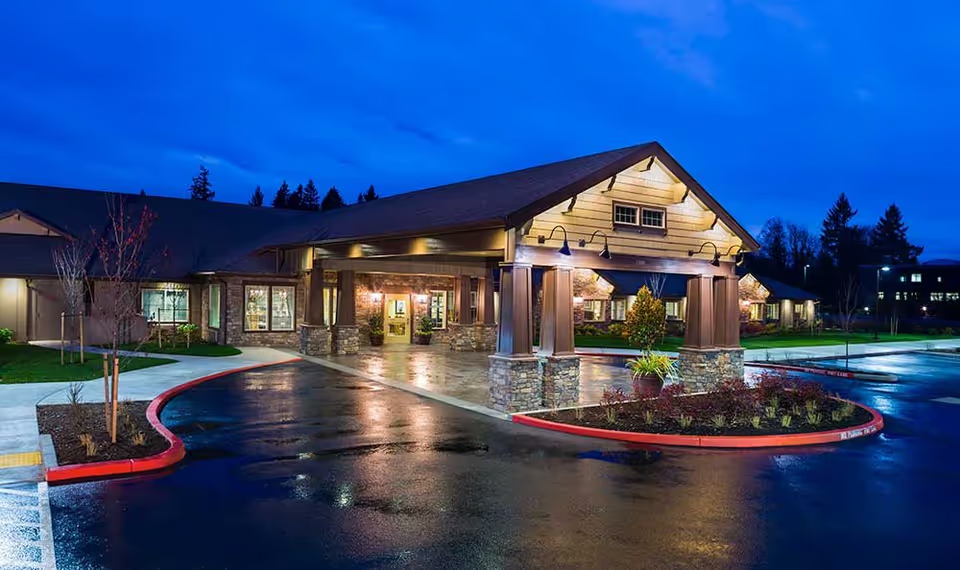
Melody Living presents as a new, well-appointed senior living community with many design and service strengths alongside some operational variability. Physically the campus is frequently described as attractive and hotel-like: clean interiors, tasteful common areas, multiple activity rooms, scenic views of Pikes Peak, and flexible apartment options from studios to suites. On-site amenities commonly cited include art and media rooms, a bistro/coffee area, playground and fitness spaces, in-unit or enclosed laundry, and convenient access to nearby hospital and shopping. Many families find the environment family-friendly and welcoming to visitors.
Care quality and staff performance receive largely positive remarks. Reviewers highlight attentive, compassionate caregivers, the presence of a 24-hour on-site registered nurse, personalized care plans, and competent end-of-life/hospice support. Move-in assistance, concierge and front-desk staff, and specific employees were repeatedly praised for professionalism and proactive follow-through. Memory-care capabilities and staff training are noted as strengths where families sought that level of care. At the same time, there are recurring operational concerns: leadership turnover, intermittent staffing shortages, and the use of agency or unfamiliar staff were associated with inconsistent follow-through on requests, delays in response, and uneven continuity of care.
Dining and activities are frequently cited as positive contributors to residents’ quality of life. The community emphasizes chef-driven meals, resident food forums, menu customization, and a casual bistro offering. Many reviewers praised the food and dining experience. Activity programming benefits from dedicated spaces and an energetic activities director; however, activity availability and perceived engagement levels were variable across accounts. Prospective residents with specific activity expectations should verify current schedules and participation levels during a tour.
Facility operations show both strong elements and patterns of variability. Cleanliness and maintenance are generally praised, but some families reported maintenance follow-through issues (for example, carpeting and dust concerns) and isolated sanitation or odor complaints that required regulatory attention; there are also specific mentions of unit layouts that create privacy or bathroom-access challenges and potential fall risks. Transportation to medical facilities appears limited, which may be important for families who expect frequent hospital transport. Volunteer access policies and admissions practices were cited as creating privacy or safety questions in a subset of accounts.
Management and communication emerge as decisive factors in families’ experiences. Several families described proactive, calm leadership and effective communication from wellness or activities directors; others described inconsistent communication, admissions friction, pushy sales interactions, or dissatisfaction when admissions were declined. Meal-service timing and occasional long delays were noted in a few accounts, pointing to service-continuity risks during staffing or operational pressures.
Recommendation for prospective families: Melody Living offers many upscale amenities, experienced caregiving, and a strong dining and activity foundation, which can make it a good fit for those seeking a family-oriented, memory-capable community with scenic views. Given the variability reported around staffing continuity, move-in coordination, transportation, privacy policies, and activity levels, families should request current staffing ratios, turnover data, transportation options, a sample weekly activity schedule, clarification of volunteer and visitation policies, and a walk-through of unit bathroom layouts during a tour. Asking for references from recent move-ins and the community’s procedure for handling maintenance and meal-service interruptions will help evaluate fit for specific care needs.