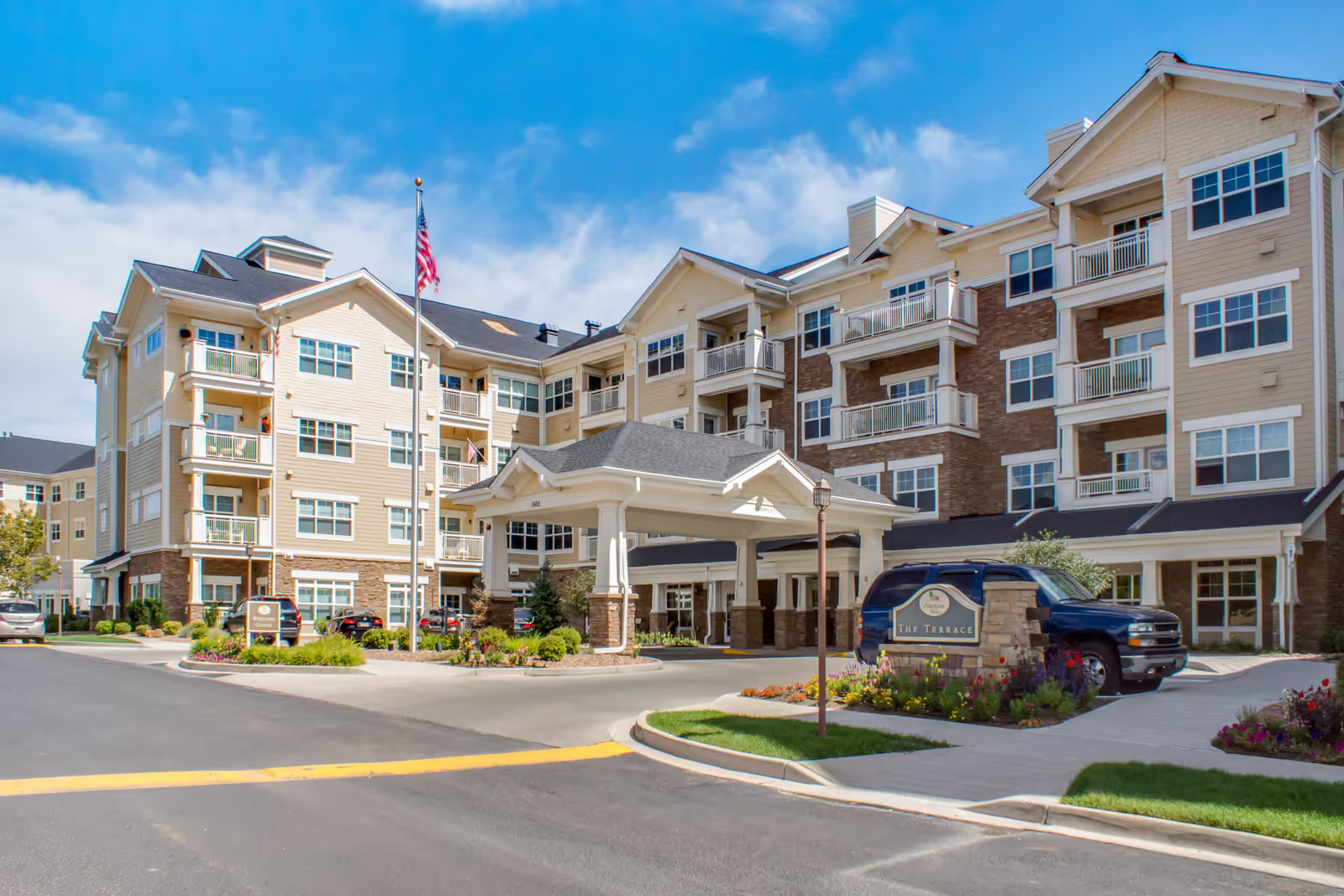
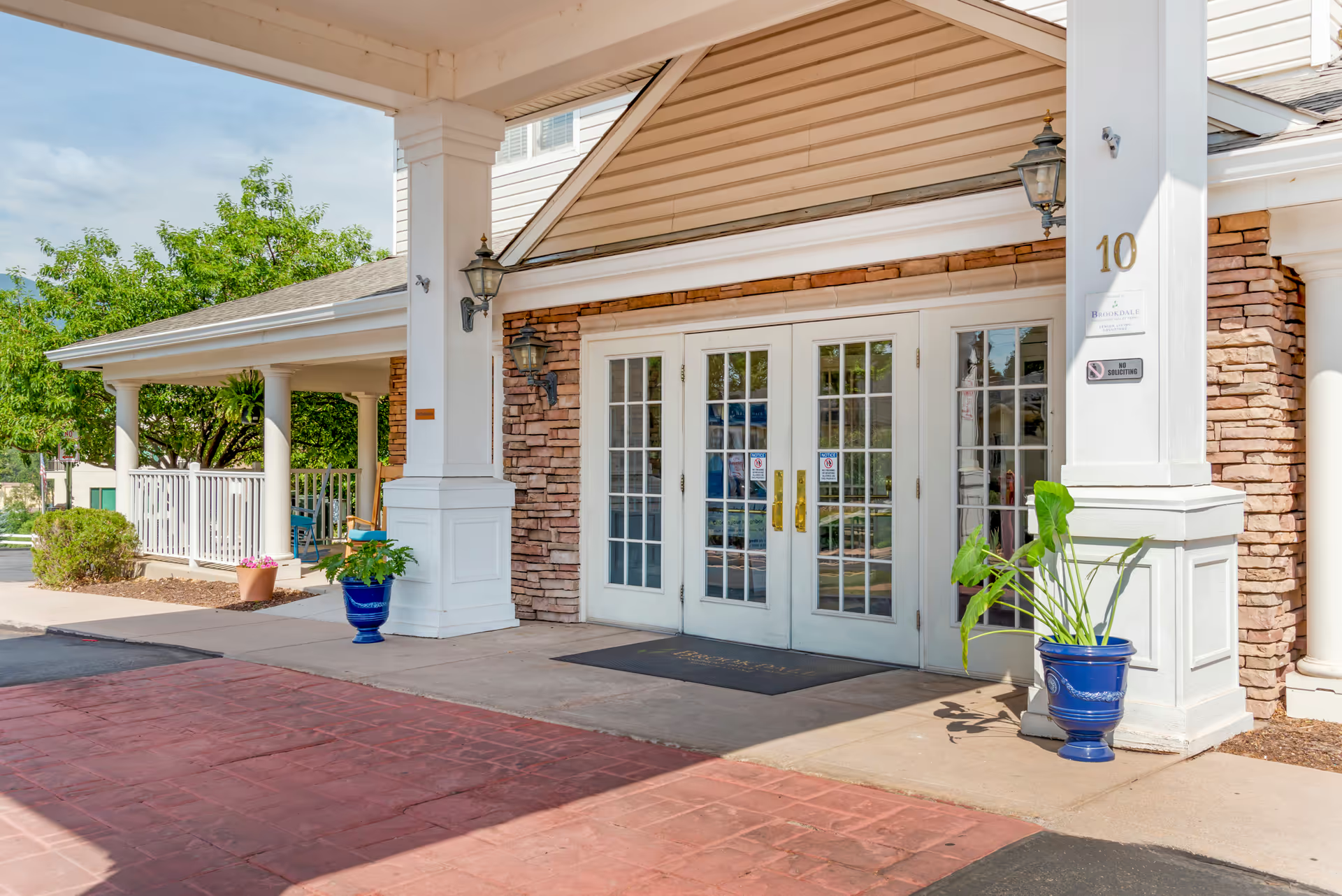
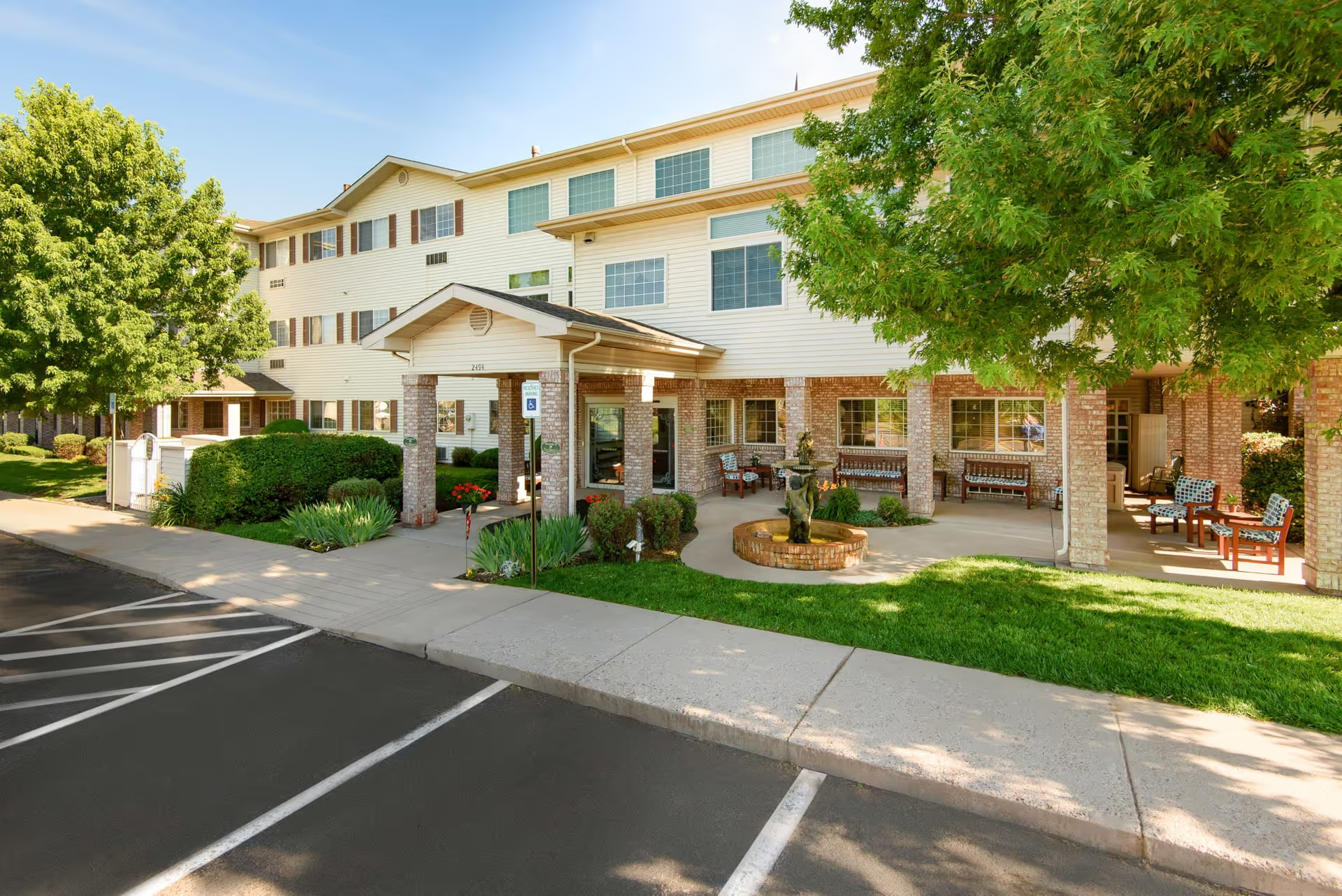
Reviews of Springs Village Care Center are mixed, with a clear pattern of strong clinical and hospitality strengths alongside operational inconsistencies. Many accounts praise the nursing team and rehabilitation staff, describing clinicians as compassionate, skilled, and effective at returning residents to independence. Therapy services (physical, occupational, respiratory) are cited frequently as high quality, and nonclinical teams — dietary, housekeeping, maintenance, and administrative coordinators — are often noted as supportive and accommodating. The facility’s physical plant, private rooms, and social programming are commonly described as clean, comfortable, and engaging.
Care quality is a prominent positive theme: reviewers highlight attentive nurses, individualized pain management and wound-care efforts, and staff who treat residents with dignity. At the same time, there are repeated operational concerns about responsiveness and safety practices. These manifest as slow call‑light response times, periods when staffing levels appear thin (notably overnight or on weekends), and instances where communication between shifts or between staff and families has broken down. Families should be aware of these variability patterns because they can affect timeliness of care and transfer/hand‑off clarity.
Dining and activities are another area of contrast. The kitchen and dietary teams receive strong praise for meal quality, accommodation of special diets, and pleasant dining experiences. Several reviewers specifically commend flavorful meals and accommodating staff. Conversely, others report inconsistent meal temperature and presentation and occasional service interruptions. The activities program is generally described as engaging and client‑centered, supporting residents’ socialization and independence.
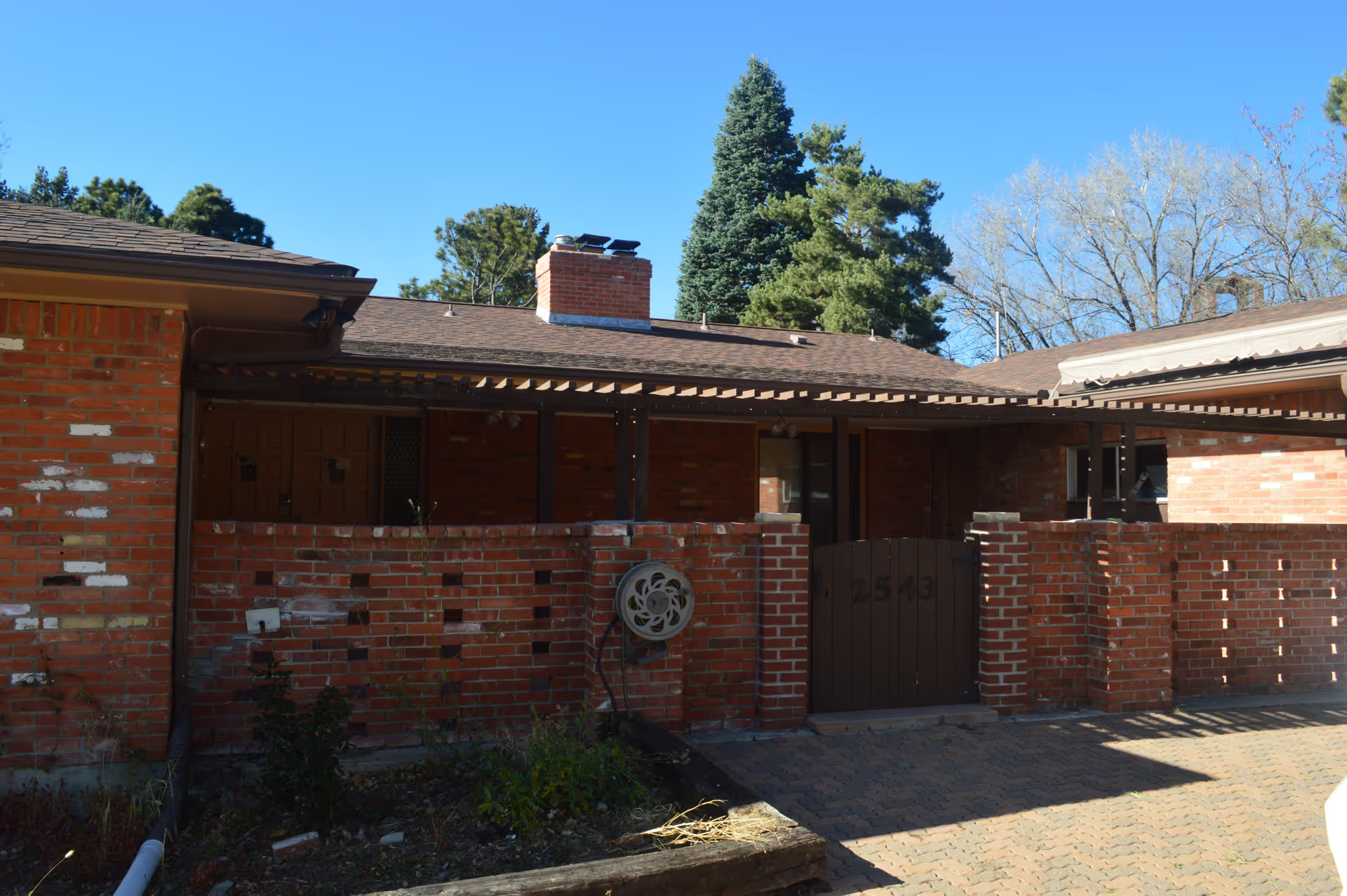
Facility maintenance and environment likewise show a split. Many reviewers describe a clean, bright, well‑kept building with comfortable amenities and reliable Wi‑Fi. Others identify localized sanitation and odor concerns, equipment failures (for example, mobility equipment and elevator outages), and episodic heating/cooling problems. These maintenance issues have operational implications for resident comfort and safety when they occur.
Management and governance comments are variable. Positive notes include helpful admissions and financial coordinators and transparent rehab/discharge planning. Negative comments center on administrative responsiveness, inconsistent communication during critical events (including end‑of‑life situations), and concerns about admissions practices and bed‑holding. Several reviewers associate a perceived decline in service consistency with ownership or management transitions. There are also isolated, serious claims about post‑mortem handling and restricted family access that raise concerns about end‑of‑life communication and policy enforcement.
Overall, Springs Village presents strengths in clinical rehabilitation, compassionate caregiving, dining, and resident engagement, paired with operational weaknesses that can affect reliability: staffing consistency, response times, communication practices, and localized maintenance/cleanliness issues. Prospective residents and families should tour the facility, meet clinical and administrative leaders, ask specific questions about staffing ratios and overnight coverage, review protocols for family communication and end‑of‑life notification, request recent maintenance and infection‑control records, and sample meals to assess current service consistency.