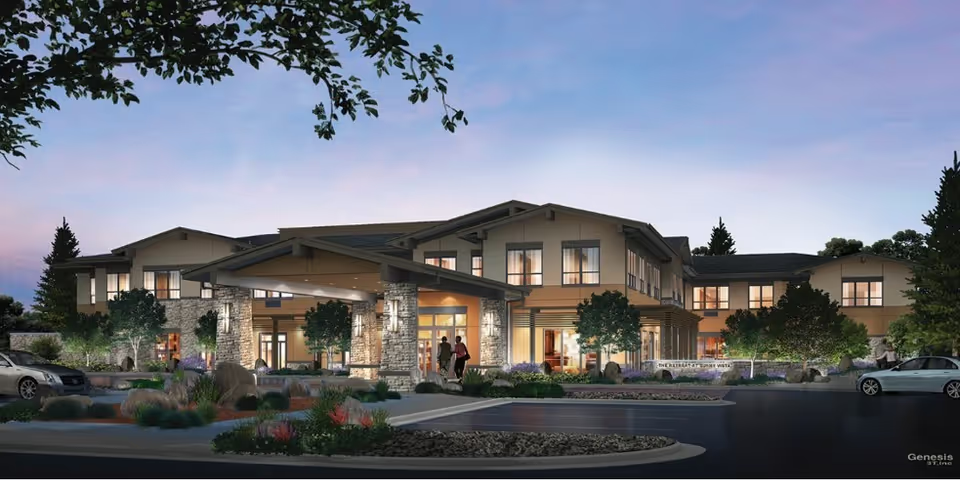
Reviews of The Healthcare Resort of Colorado Springs describe a facility with clear strengths in rehabilitative services and a modern, accessible physical plant, alongside recurring operational challenges that affect day-to-day resident experience.
Care quality and clinical services: The facility’s therapy and rehab teams are repeatedly identified as strong points — families and residents note competent, effective physical therapy and a rehab department that supports recovery goals. Nursing and CNA staff are frequently described as compassionate and professional; however, high variability in direct-care responsiveness is a consistent theme. Several accounts describe long waits for assistance with activities of daily living and delays in call-light response, indicating inconsistent availability of bedside care during peak demand.
Staff and management: Front-line staff receive praise for kindness and professionalism in many interactions, and some reviewers mention responsive caregiving by nurses and CNAs. At the same time, persistent understaffing is cited as a driver of service delays and longer dining waits. Reviewers also raise concerns about administrative transparency and communication — including claims that staffing levels and marketing materials did not align with on-the-ground experience. Management is described by some as actively attempting improvements, suggesting the facility is in a transitional phase with associated "growing pains."
Dining and activities: The dining environment is viewed positively for ambiance and presentation, and the chef and meal quality are highly rated by a number of reviewers. Other accounts, however, describe inconsistent meal quality and long waits in the dining room. Activity programming is another mixed area: reviewers indicate that available activities could be expanded and that more robust in-house engagement would benefit residents who are less mobile or have longer stays.
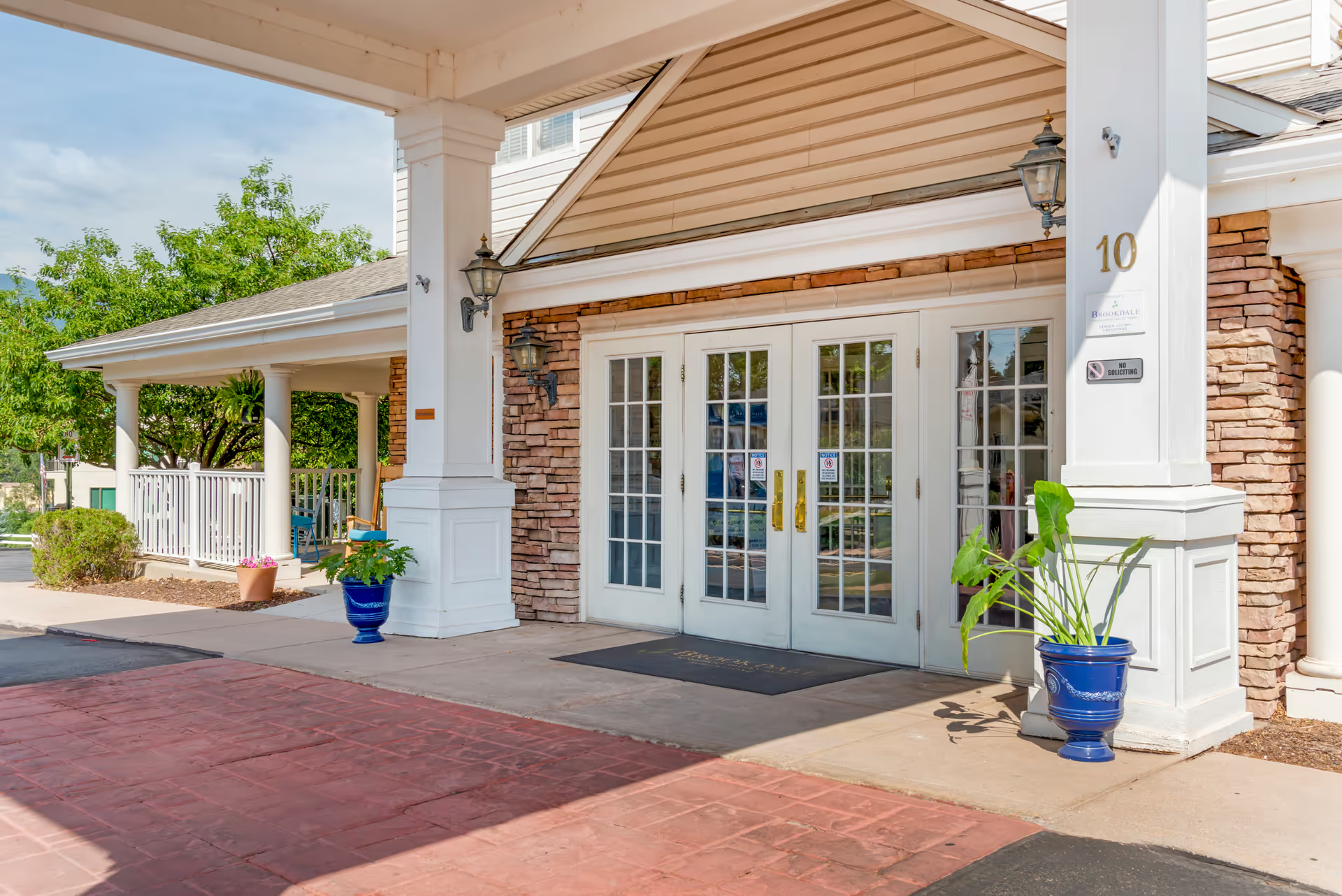
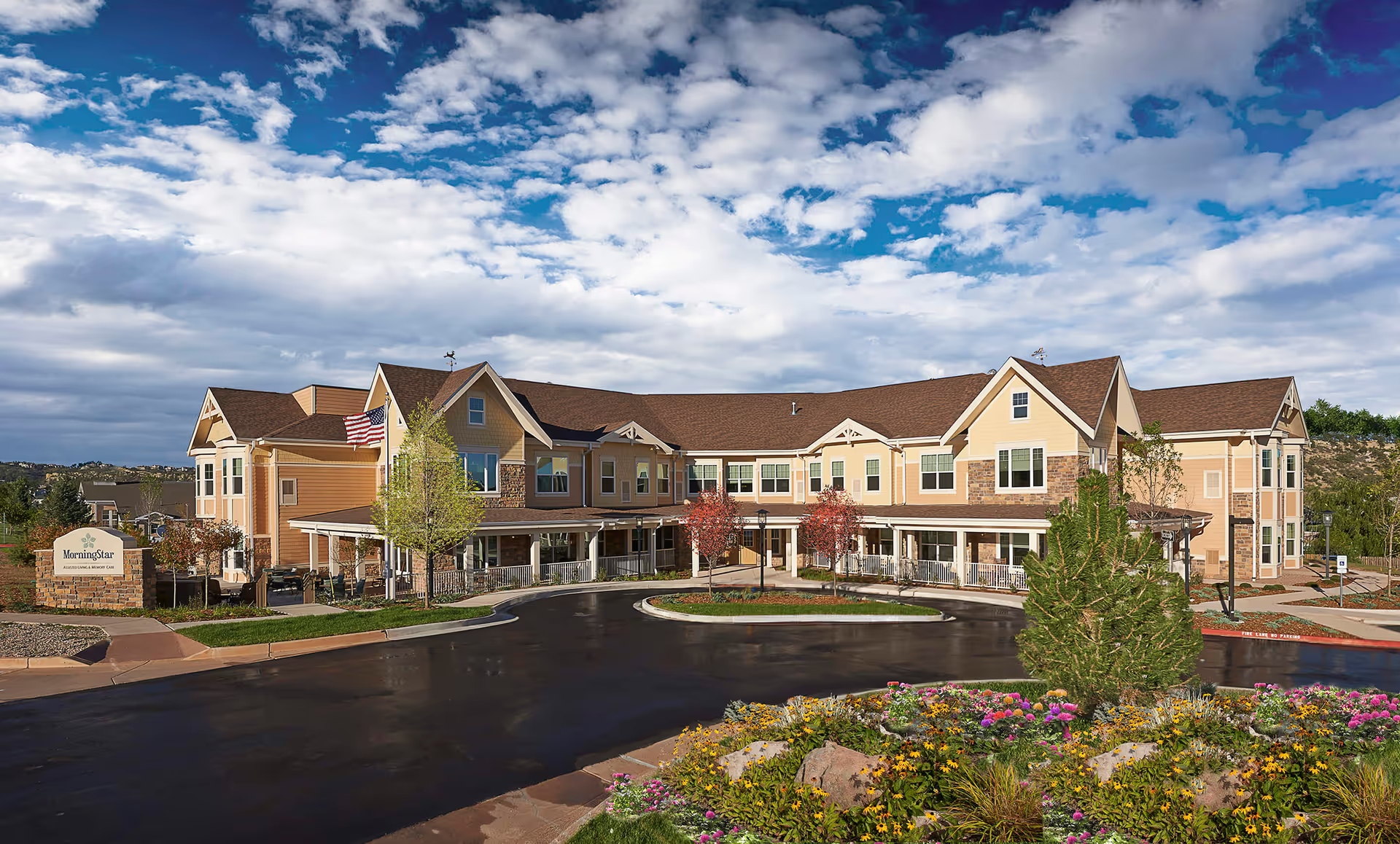
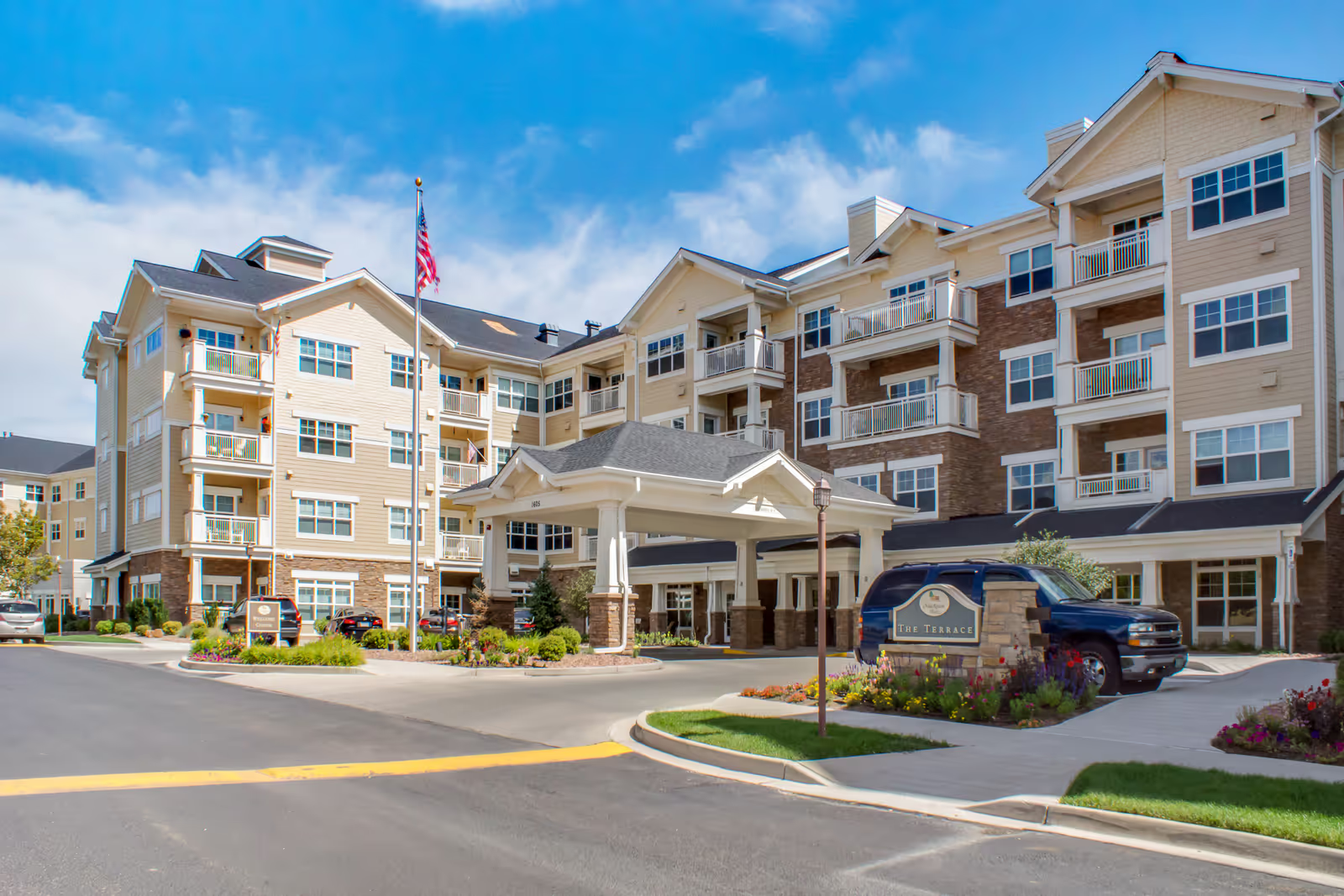
Facilities and environment: The building itself is newer and generally well maintained, with accessible design features such as wide hallways and handicap access. Many reviewers describe clean common areas and attractive public spaces. Contradictory accounts about room cleanliness and housekeeping consistency suggest that sanitation standards may vary between units or shifts. Room size is mentioned as a limitation by some families.
Notable patterns and recommendation: The overall picture is polarized — strong rehabilitative care, a pleasant dining environment for some, and dedicated direct-care staff coexist with operational weaknesses driven primarily by inconsistent staffing, variable cleanliness, and gaps in administrative communication. Prospective residents and families should weigh the facility’s clear strengths in therapy and its modern layout against the potential for service delays and variability in daily housekeeping and meal service. If considering placement, ask management for current staffing ratios, documented cleaning schedules, examples of recent quality-improvement actions, and details about activity offerings and dining service timelines; arrange an in-person observation during a mealtime and a therapy session to assess consistency with your priorities.
Clinical incident awareness: A small number of accounts reference acute events that required external transfer and prompted family concern about incident response and communication. Those narratives underscore the importance of confirming the facility’s clinical incident protocols, escalation procedures, and family-notification practices before placement.