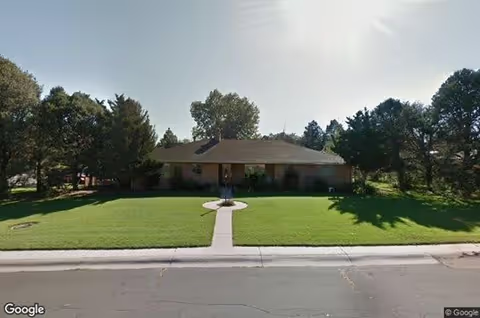
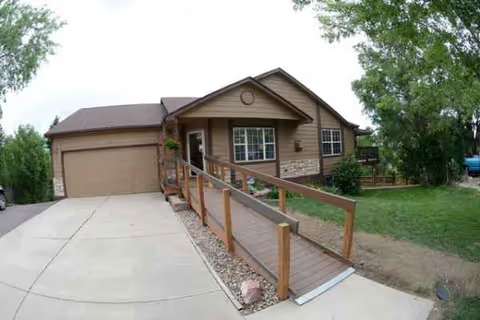
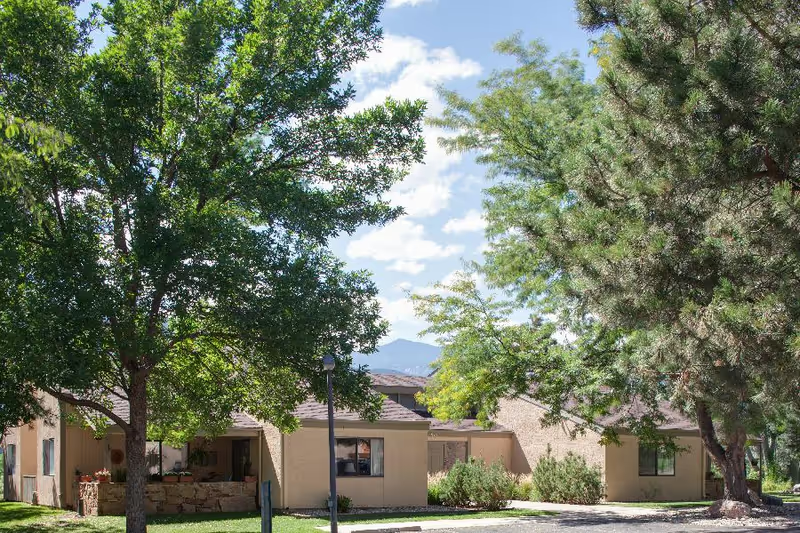
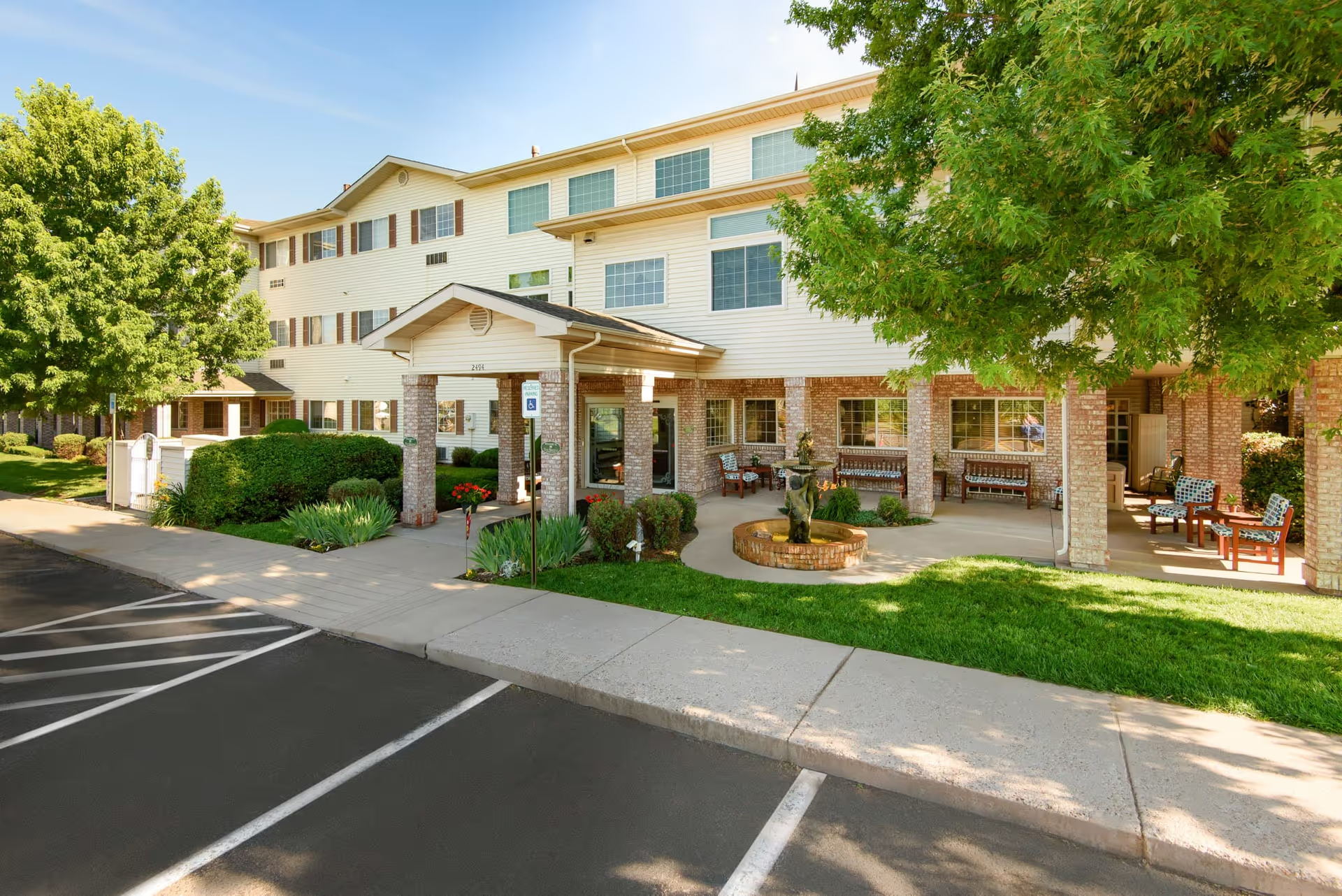
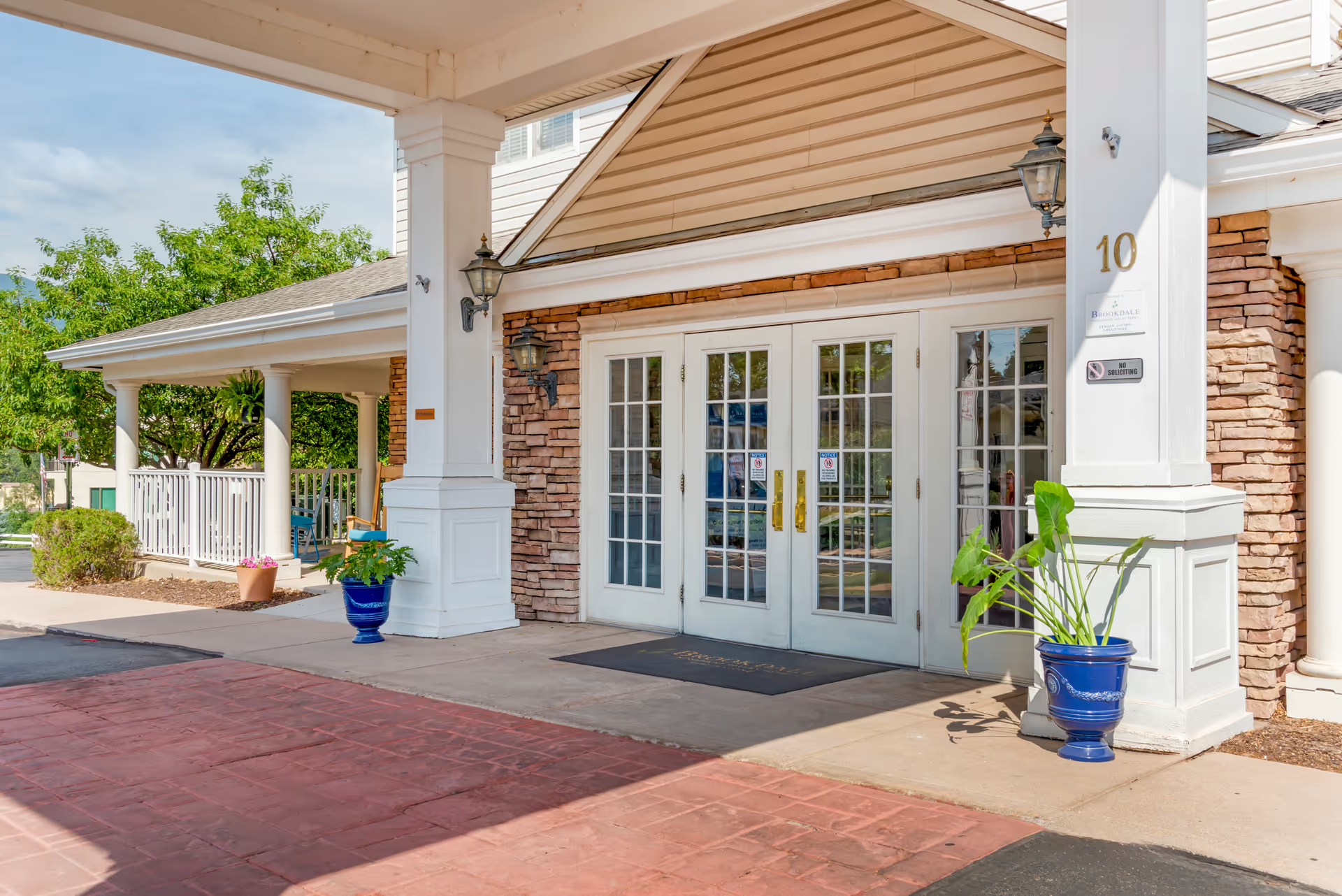
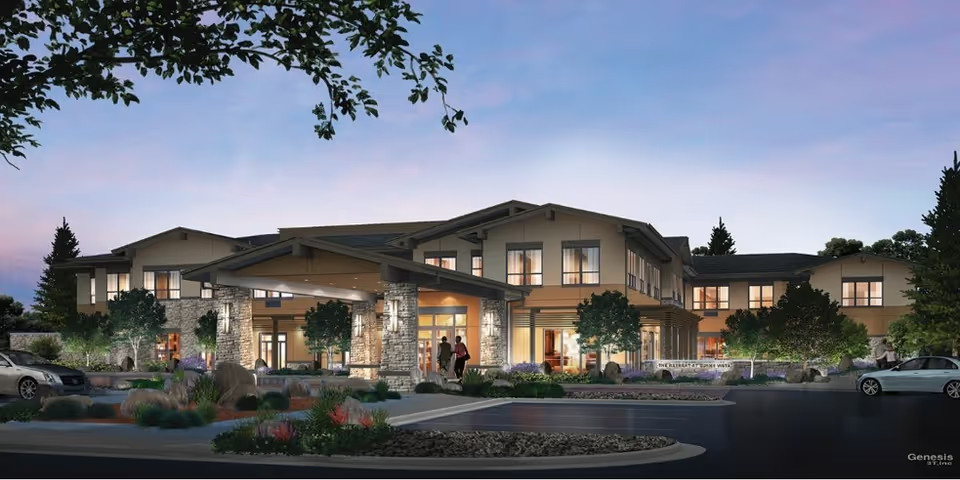
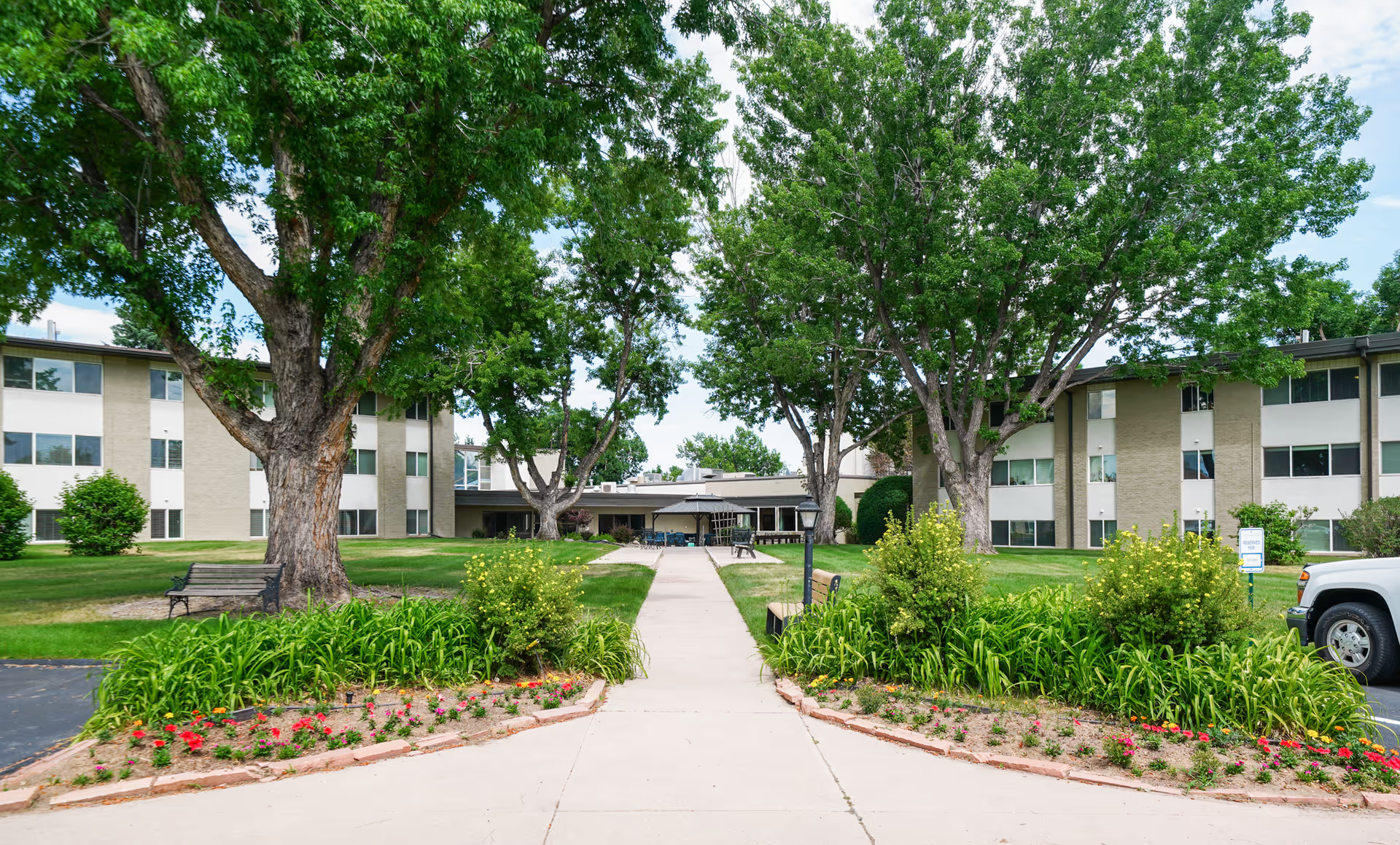
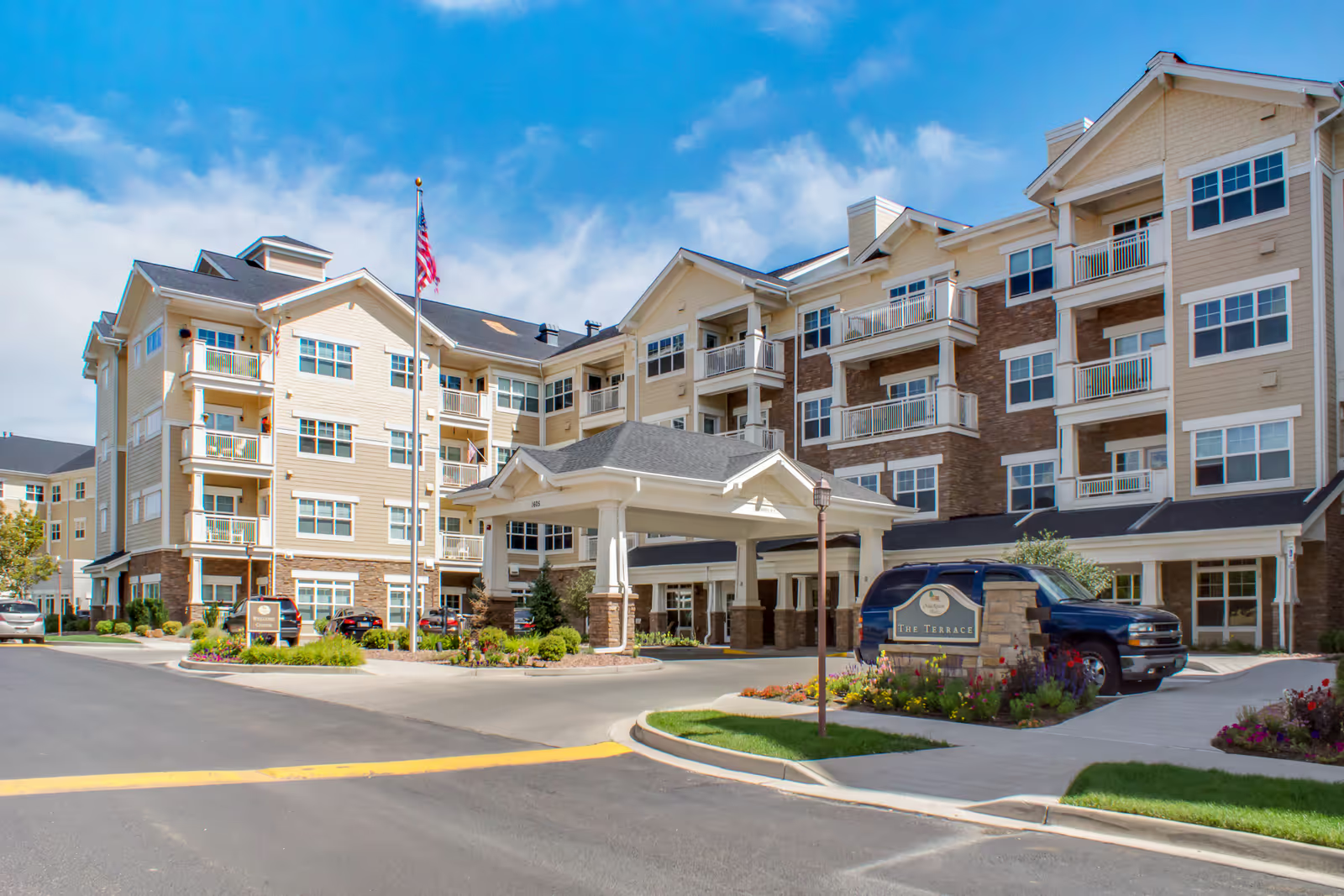
The Palisades at Broadmoor Park presents as a high-end, well-appointed senior community with a long list of built-in amenities and a visible emphasis on hospitality. Many reviewers highlight the attractive grounds, mountain views, wide corridors, and a range of condominium-style apartment options (including in-unit laundry and kitchen configurations). Communal amenities are extensive and include a pool, gym, beauty/barber services, a theater/lounge, on-site therapy and medical support, and multiple dining rooms. The community also offers active programming: exercise classes, card groups, outings, and frequent transportation and concierge services that support resident engagement and independence.
Staff and caregiving are polarizing topics in the reviews. A large number of accounts describe staff as compassionate, attentive, and resident-focused; several staff members and leaders receive direct praise for responsiveness and warmth. Memory care and end-of-life support are described by many families as nurturing and comforting. At the same time, a recurring pattern describes inconsistent staffing levels, frequent turnover, and periods when hands-on caregiver availability is limited. These operational staffing pressures are associated in the reviews with variability in daily care quality, training gaps for some direct-care employees, and occasional sanitation or incontinence-care concerns.
Clinical and safety patterns are mixed. The community offers on-site clinical services, therapy programs, and a visible nursing presence, which several families found beneficial and effective. Conversely, some reviews cite medication-administration problems, missed treatments or reminders, and delays in clinical follow-up. These issues, when they occur, appear tied to staffing constraints and communication breakdowns rather than to lack of medical resources on-site. Prospective families should ask about current nurse-to-resident ratios, medication administration protocols, and escalation pathways.
Dining and food service receive both strong praise and pointed criticism. Numerous reviewers describe gourmet-level meals, accommodating dietary needs (including gluten-free options), and pleasant dining rooms with open seating. Others report inconsistent meal quality, long mealtime windows, and occasional poor execution of specific entrees. The pattern suggests that menu planning and culinary execution are generally strong but can fluctuate, possibly correlated with staffing changes or kitchen scheduling.
Programming and social life are frequently cited as strengths: active schedules, frequent outings, classes, and an engaged resident population are positive features. A minority of reviewers describe limited or repetitive activities and a desire for more variety or larger common spaces for group gatherings. Transportation and concierge services are consistently praised and are an operational strength that supports resident access to appointments and outings.
Management and communication emerge as areas with mixed experiences. Many families commend particular leadership and departmental staff for clear communication, problem resolution, and compassionate coordination. At the same time, other accounts describe slower responsiveness from certain administrative functions (front desk, sales follow-up, corporate escalation) and at least one billing dispute that escalated externally. There are also references to the operational impact of COVID-era restrictions on routine housekeeping and move-in/move-out processes.
A clear pattern in the reviews is polarization: strong, enthusiastic endorsements of the facility’s ambience, amenities, and many staff members sit alongside serious operational concerns that affect care continuity and day-to-day resident experience. The primary operational themes to probe during a tour or decision process are current staffing levels and turnover trends, medication-safety and emergency protocols, dining-schedule consistency, housekeeping and odor-control practices, contract and billing terms, and pet-policy implementation. Those factors, more than the physical plant or program offerings, appear to determine whether a resident’s experience will align with the many very positive accounts or fall into the less favorable ones.