The review set is sharply divided: many families and visitors describe a caring, attentive culture with well-trained staff, clean common areas, active programming, and a home-like atmosphere, while other accounts raise persistent operational concerns. This polarization suggests the facility delivers consistent strengths in social engagement and some aspects of daily life, alongside recurring systemic weaknesses in staffing, resource allocation, and operational controls.
Care and staff: Numerous accounts praise staff members who are compassionate, quick to respond, and communicative with families. Several reviewers described staff as well-supervised and competent clinically. At the same time, there are repeated service-level issues: chronic understaffing, high workloads, and compensation pressures that appear to affect continuity and professionalism. There are also allegations of serious staff-conduct problems, including impairment concerns and lapses in attention, and identified gaps in medication-administration practices and follow-through. These patterns point to variable day-to-day care quality that may depend heavily on individual caregivers and shift coverage.
Dining and nutrition: Praise exists for home-style meals and a well-appointed dining room, but this positive is counterbalanced by consistent concerns about meal quality, limited fresh-food offerings, and constrained kitchen resources. The facility appears to operate under a tight food-service budget in some instances, with reliance on supplemental nutrition products and inconsistent accommodation of special diets. Families seeking strong nutritional oversight or frequent fresh produce should discuss menu specifics and kitchen capabilities during a tour.
Activities and social life: Activity programming is a relative strength. Reviewers noted a range of options including fitness classes, bingo, and outings that support resident socialization and engagement. Staff and management are credited in many accounts with fostering friendships and meaningful daily structure. However, some reviews indicate the activities budget is limited, which may affect frequency and variety over time.
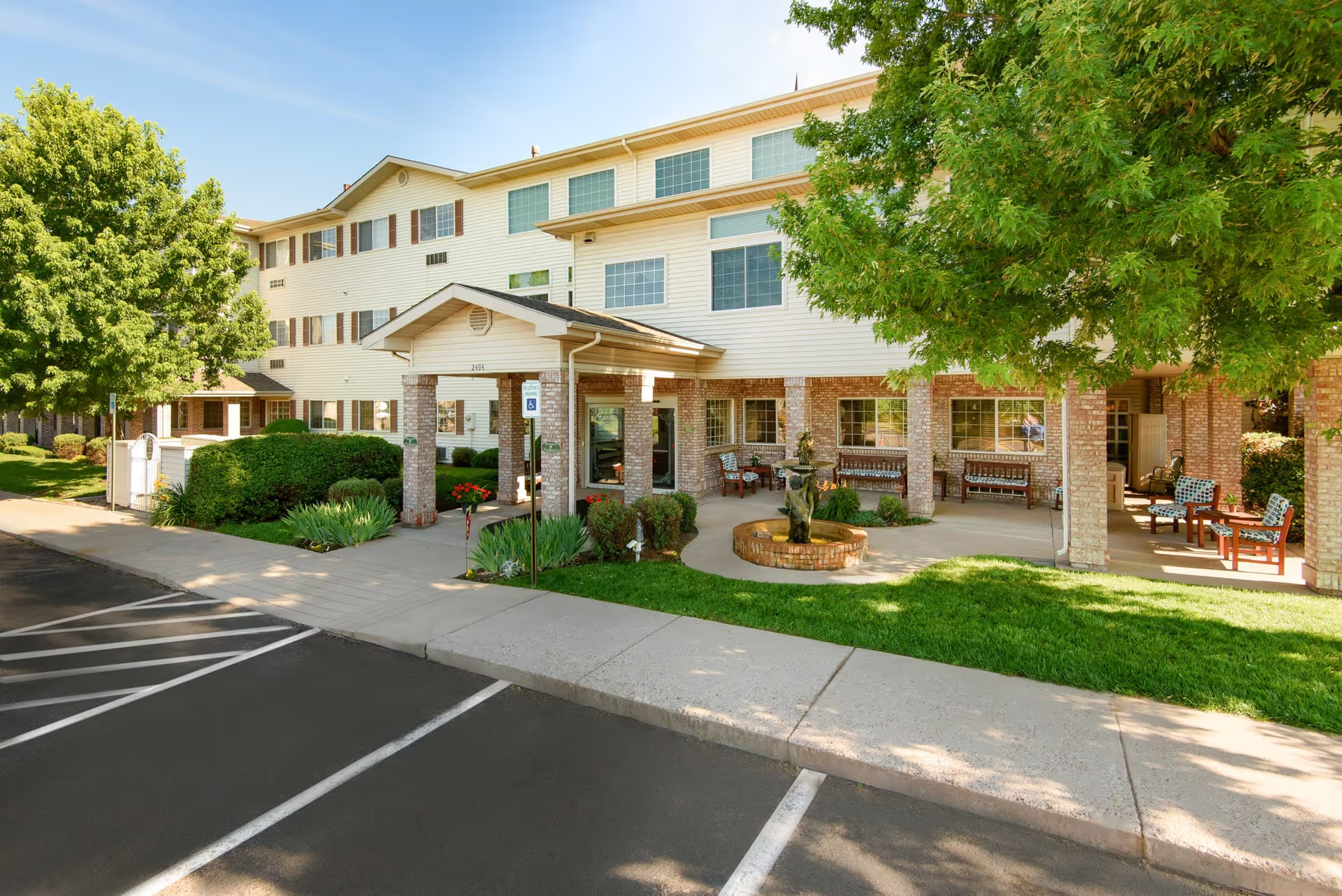
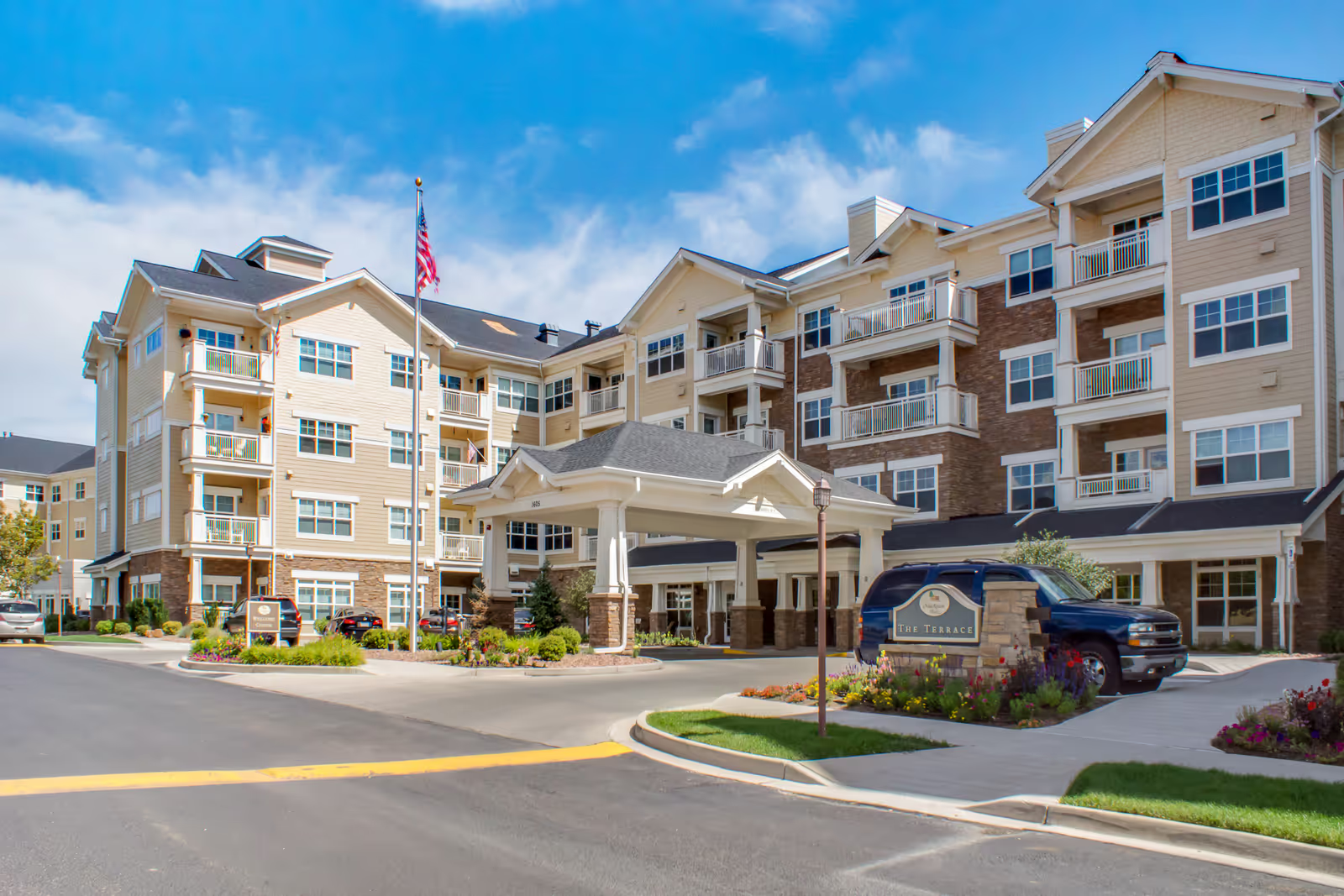
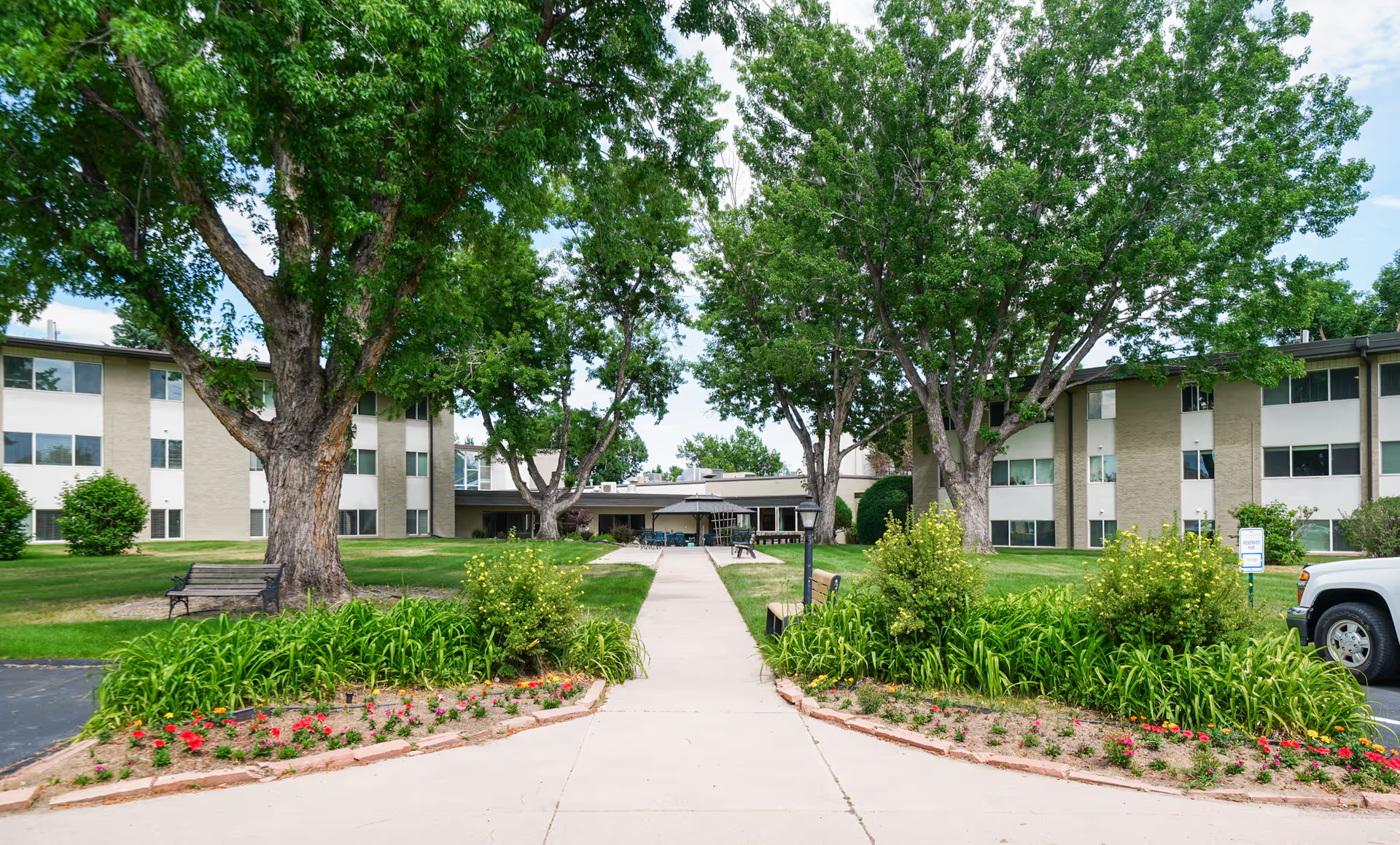
Facilities and maintenance: Several reviewers describe a clean, comfortable physical environment and well-maintained rooms; others point to maintenance lapses such as unreliable air conditioning, accessibility challenges (heavy doors without automatic openers), and insufficient laundry capacity. Sanitation-control concerns linked to laundry logistics and limited equipment were raised; these indicate operational bottlenecks that could affect resident comfort and infection-control standards if not addressed.
Management and regulatory patterns: Management receives mixed assessments. Some families commend the director and on-site managers for individualized attention and responsiveness; other comments frame ownership and operational priorities as profit-focused and cite practices such as strict financial policies. Notably, there are references to regulatory surveys and law-enforcement involvement, which suggest episodes of external scrutiny. Additionally, concerns about resident privacy and HIPAA-related processes were noted, implying room for improvement in confidentiality protocols.
Overall guidance: Prospective residents and families should weigh the facility's clear strengths in social programming, location, and the presence of many devoted caregivers against persistent operational weaknesses—especially staffing continuity, kitchen resourcing, medication-safety processes, accessibility, and some maintenance issues. A thorough in-person tour that includes a review of staffing ratios, recent survey findings, medication- and privacy-protection procedures, sample menus, and inspection of laundry and HVAC function will help clarify whether the facility’s current practices align with a particular resident’s care and comfort needs.