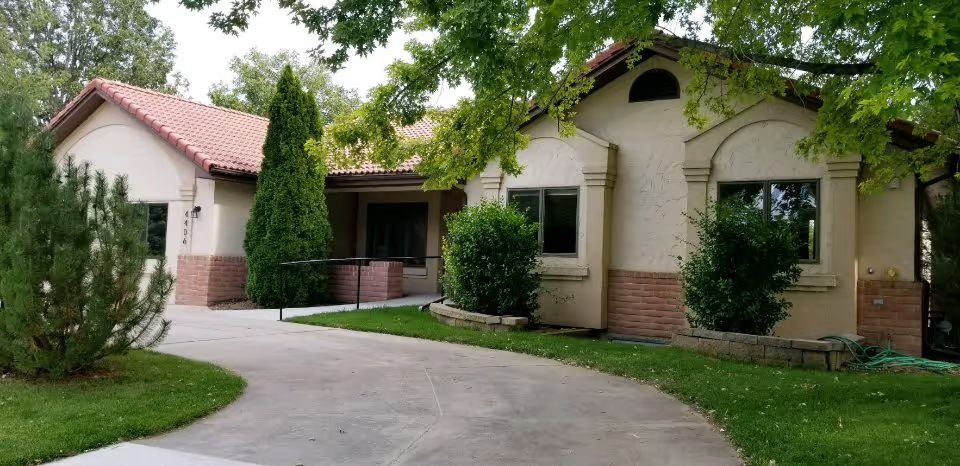
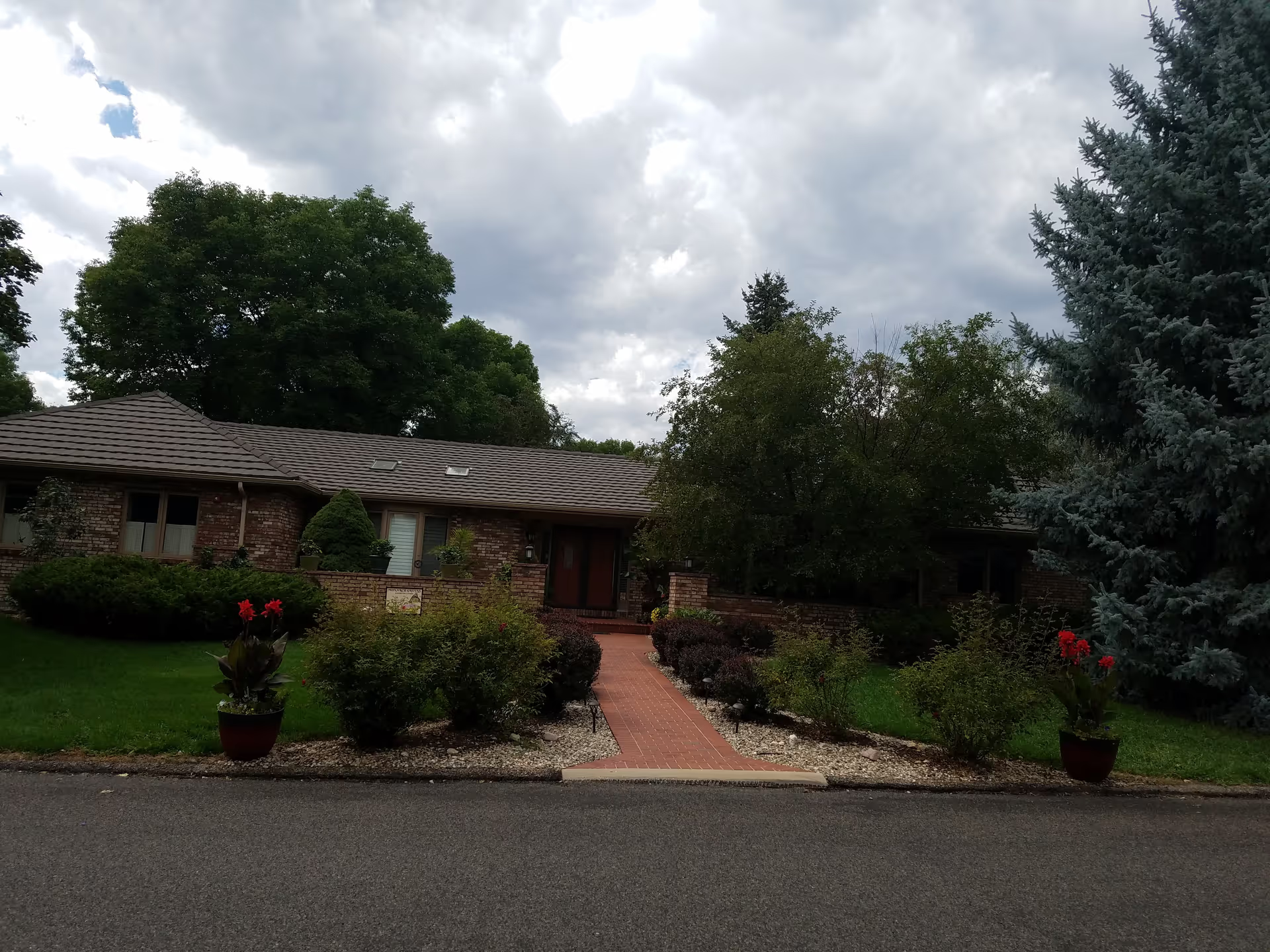
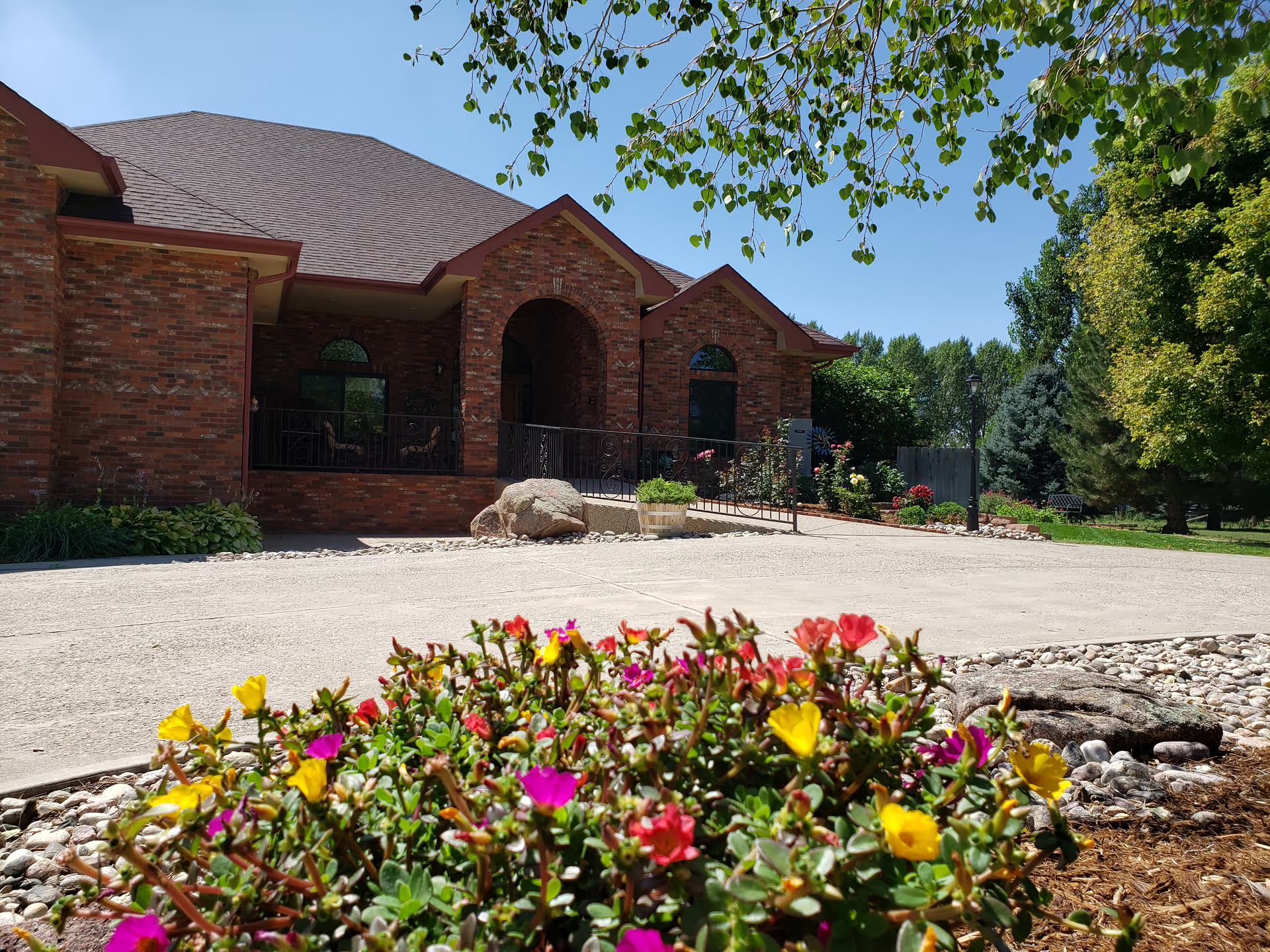
MorningStar Assisted Living & Memory Care of Fort Collins receives frequent praise for its resident-centered atmosphere, attractive physical environment, and a strong menu of activities. Many accounts describe compassionate, personalized caregiving, staff who know residents by name, and an active programming schedule that includes musical events, Bingo, sing-alongs, piano concerts, and movie nights. The building and grounds, including an outdoor courtyard, are commonly described as clean, well-maintained and homelike; dining is repeatedly characterized as appealing with attentive kitchen and dining staff.
At the same time, a subset of family comments points to operational inconsistencies that potential residents and their families should consider. Communication between administration, staff, and families is a recurrent area of concern—examples include delayed responses at the front desk or concierge, unclear or insufficient updates to families, and perceptions that leadership does not adequately incorporate resident or family feedback. Staffing pressures and morale issues are also noted, manifesting as inconsistent personal-care timing (including incontinence-care delays), uneven activity delivery on some days, and occasional interpersonal conflict among caregiving staff.
Safety and incident response are other themes. Reviewers describe environmental hazards that could increase fall risk and cite at least one delayed or complicated external transport/ambulance coordination; these items point to gaps in hazard mitigation and external emergency coordination rather than to a single event. Families also expressed frustration with perceived management practices—examples include favoritism, a blame-oriented culture, and delays in implementing planned improvements—which can undermine confidence in administrative responsiveness.
In summary, MorningStar Fort Collins appears to offer many of the hallmarks families seek in assisted living and memory-care settings: attentive and personable staff, engaging programming, attractive and clean facilities, and quality dining. Prospective residents should balance those strengths against operational areas that surfaced in feedback—particularly around family communication, staffing stability and morale, care-scheduling consistency, and safety/incident-response procedures. Visiting in person, asking for current staffing ratios and turnover data, reviewing emergency-response protocols, and discussing how the community communicates with families about care concerns will help determine whether the facility’s strengths outweigh the operational variability described by some families.