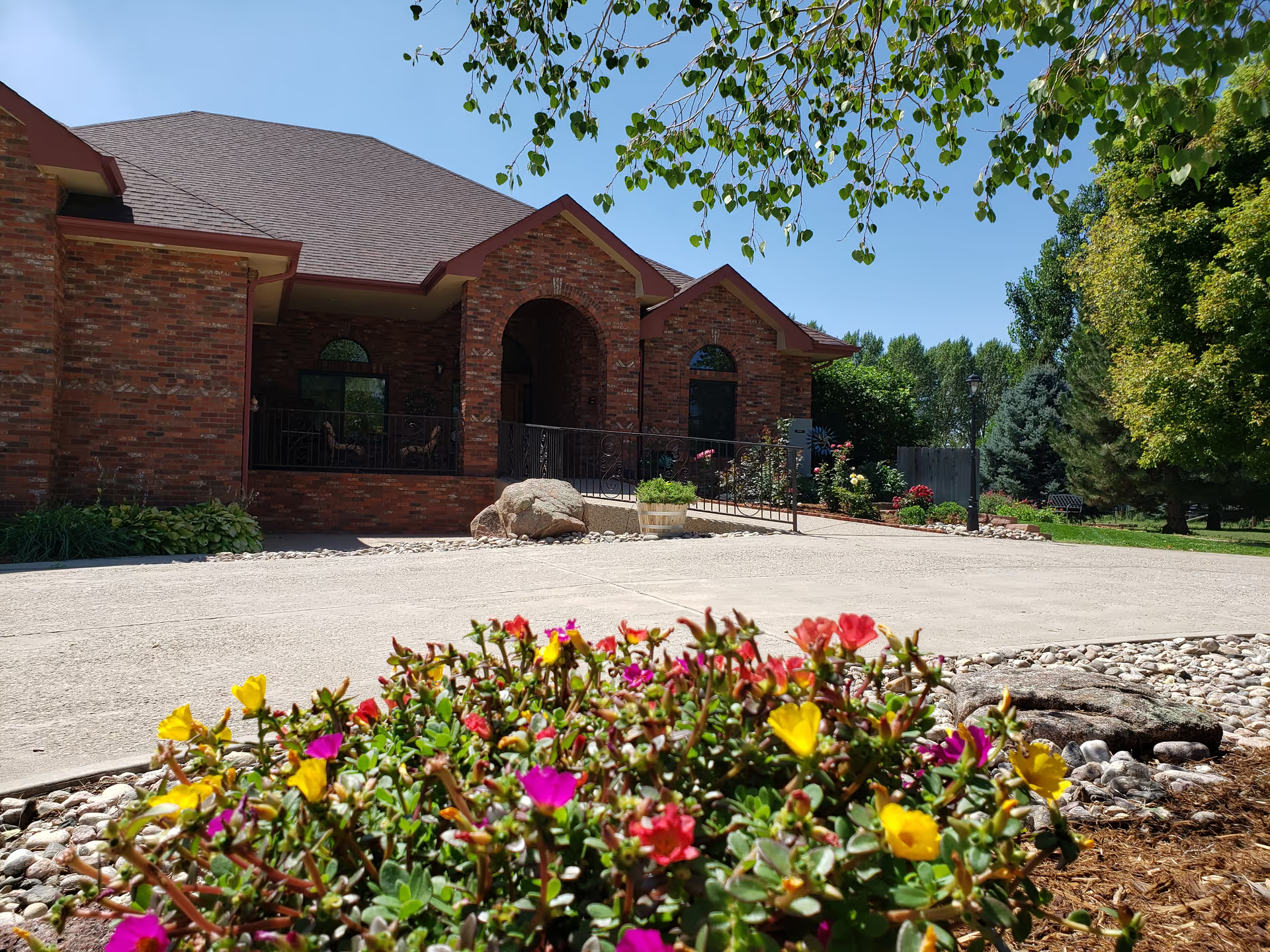
Parkwood Estates presents as a social, well-located independent-living community with several clear strengths and recurring operational weaknesses. The community consistently receives praise for warm, attentive staff who build personal relationships with residents, a broad calendar of activities (including outings, concerts, games, and exercise), and a park-like campus with renovated interiors in many areas. Amenities such as a library, salon, gym, craft room, and on-site therapy services support an active lifestyle; transportation and an on-site dining program add to day-to-day convenience. Many residents and touring families found the atmosphere welcoming and the social opportunities strong, making the property a good fit for those seeking independence with social engagement.
Care quality and staffing present a mixed picture. Numerous accounts describe staff who go above and beyond and a management team that has been responsive at times; however, staffing shortages and frequent turnover are recurring operational issues. Those personnel gaps have been associated with reduced housekeeping frequency, intermittent dining-room understaffing, slower maintenance response, and occasional service interruptions (laundry, shuttle). There are also isolated but serious concerns raised about staff conduct and supervision; at least one review cited allegations of inappropriate on-duty behavior and management dishonesty. These specific allegations warrant direct inquiry during a visit and verification with management and, if applicable, recent inspection records.
Dining and nutrition are another area of variability. Some residents praise the menu choices and enjoy regular meals, but others describe inconsistent food quality, repetitive rotation, cold-delivered meals, and understaffed meal service that can lead to long waits. Prospective residents should sample the food, ask about current cook turnover and staffing levels, and confirm meal-delivery policies and billed exceptions in writing.
Facilities and accessibility show strengths and limitations. The grounds, common areas, and many updated apartment interiors are positives; some units offer good-sized layouts and balconies. At the same time, several reviewers noted small or insufficient closet space in many floor plans, limited two-bedroom availability, sound transmission between units, and showers/bathrooms that are not fully wheelchair accessible. Maintenance concerns—ranging from delayed repairs to intermittent cleanliness and sanitation issues in common areas—were reported alongside accounts of recent or ongoing remodeling that has temporarily disrupted services.
Management and operational stability are notable patterns. The community has experienced frequent management changes and ownership transitions, which reviewers connected to short-term declines in service quality (dining, housekeeping, communication) and rent increases tied to remodels. Conversely, some accounts single out effective general managers and long-standing staff who have improved resident experience. Privacy and billing practices were questioned in a few reviews—examples include disputed meal charges and concerns about personal-information handling—so families should request written policies on billing, privacy, and grievance procedures.
Bottom line: Parkwood Estates is often attractive for independent-living residents who prioritize social programming, a warm community environment, and a convenient location. However, variability in staffing, dining, housekeeping, and management stability can affect day-to-day reliability. Prospective residents and families should tour multiple times, meet current staff and residents, request up-to-date staffing and housekeeping schedules, sample meals, review written policies on smoking, billing, and privacy, and confirm the property’s current approach to memory-care needs and accessibility before deciding.