Overview The aggregate of reviews presents a mixed but instructive picture. Many families and short-stay residents praise the interpersonal aspects of care: nursing staff, CNAs, therapy teams, social-work coordination, and business-office responsiveness receive frequent positive mention. At the same time, a number of operational and facility-level weaknesses recur, producing variability in day-to-day experience depending on staffing, unit, and timing.
Care quality and staffing Clinical care observations vary widely. Positive accounts emphasize compassionate nursing, attentive CNAs, and strong coordination with therapists—several families credited therapy staff with meaningful functional gains. Conversely, other accounts describe delays in routine rounds, missed bathing or toileting assistance, inconsistent pain control follow-up, and timing lapses in medication administration and lab follow-up. A prominent theme is staffing pressure: chronic understaffing and frequent use of agency/travel nurses are linked to handoff gaps and inconsistent familiarity with individual residents, which contributes to variation in responsiveness and procedural continuity.
Therapy and rehabilitation Rehabilitation is commonly cited as a strength; many reviews praise PT/OT/speech teams and therapy-driven progress. There are, however, notes about outsourced therapy, abbreviated session lengths, and a relatively small therapy gym that may limit intensity for some patients. Overall, short-stay rehab outcomes are frequently positive, but families seeking intensive or long-duration rehabilitative programs should verify scheduled therapy minutes and program staffing.
Dining and activities Dining receives mixed but largely favorable comments. Strengths include scratch-made meals, holiday dinners, menu choices, and staff who are attentive to dietary needs. Some families described inconsistent food quality—occasionally overcooked or texturally uneven meals—so food experience can vary by meal and kitchen staffing. Activities programming is a clear plus for many residents: dementia-specific social programs, music, singing, and consistent engagement opportunities are highlighted as contributors to residents' mood and socialization.
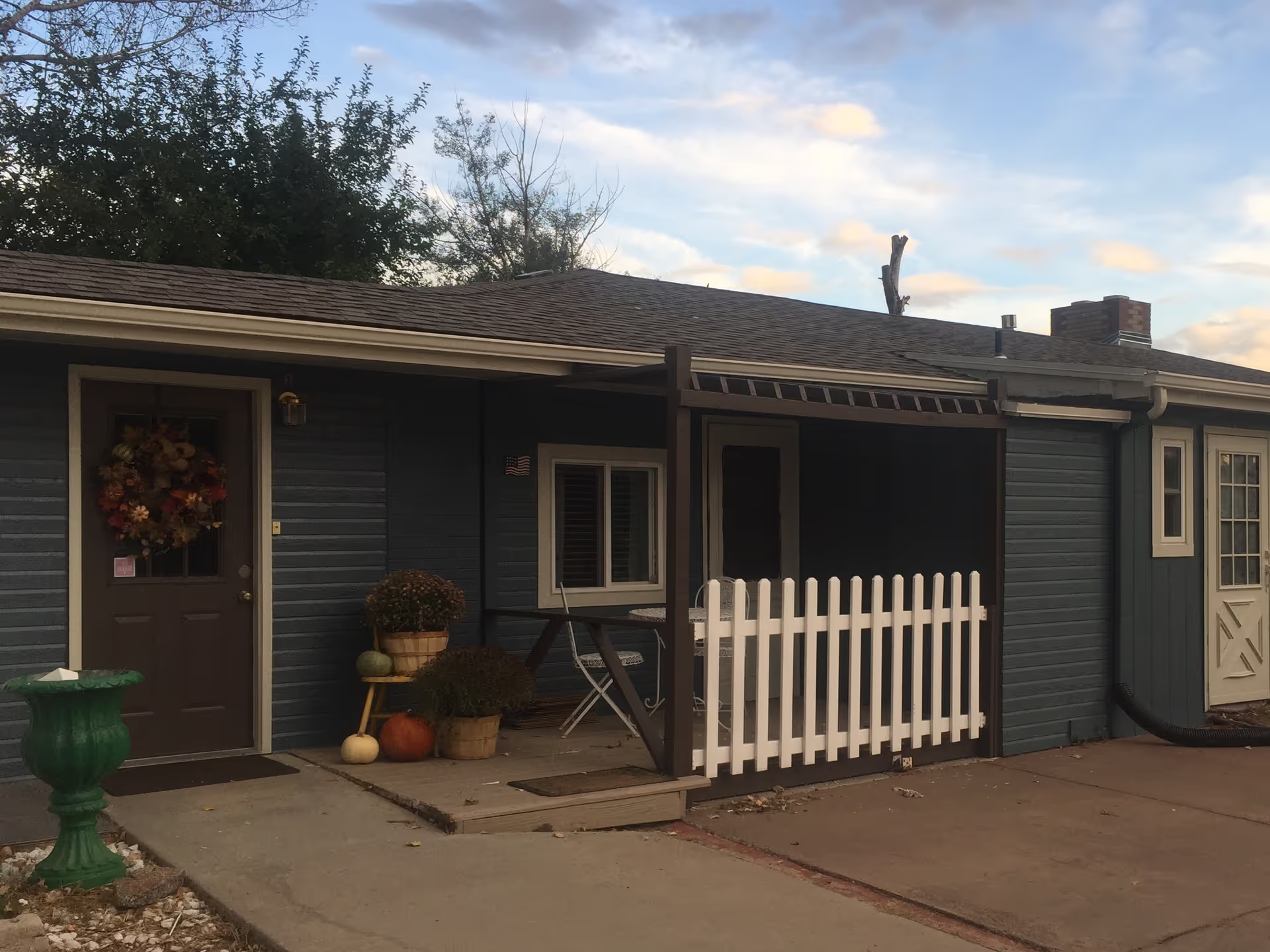
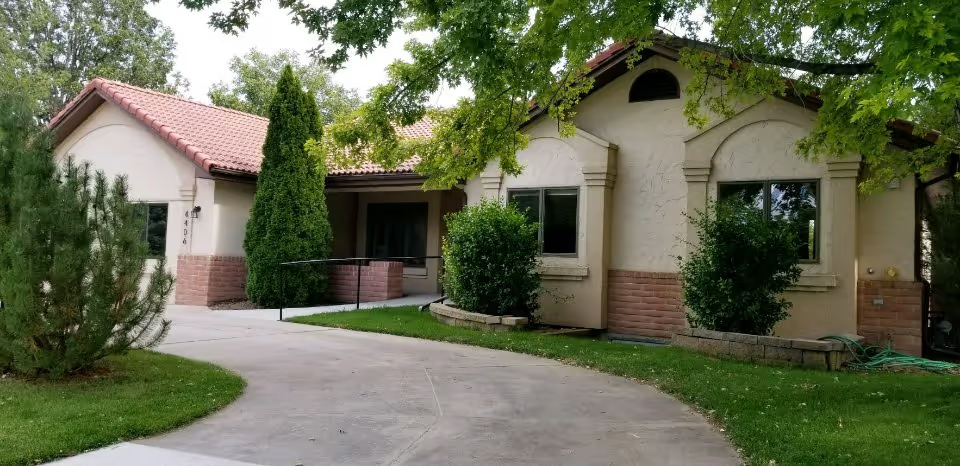
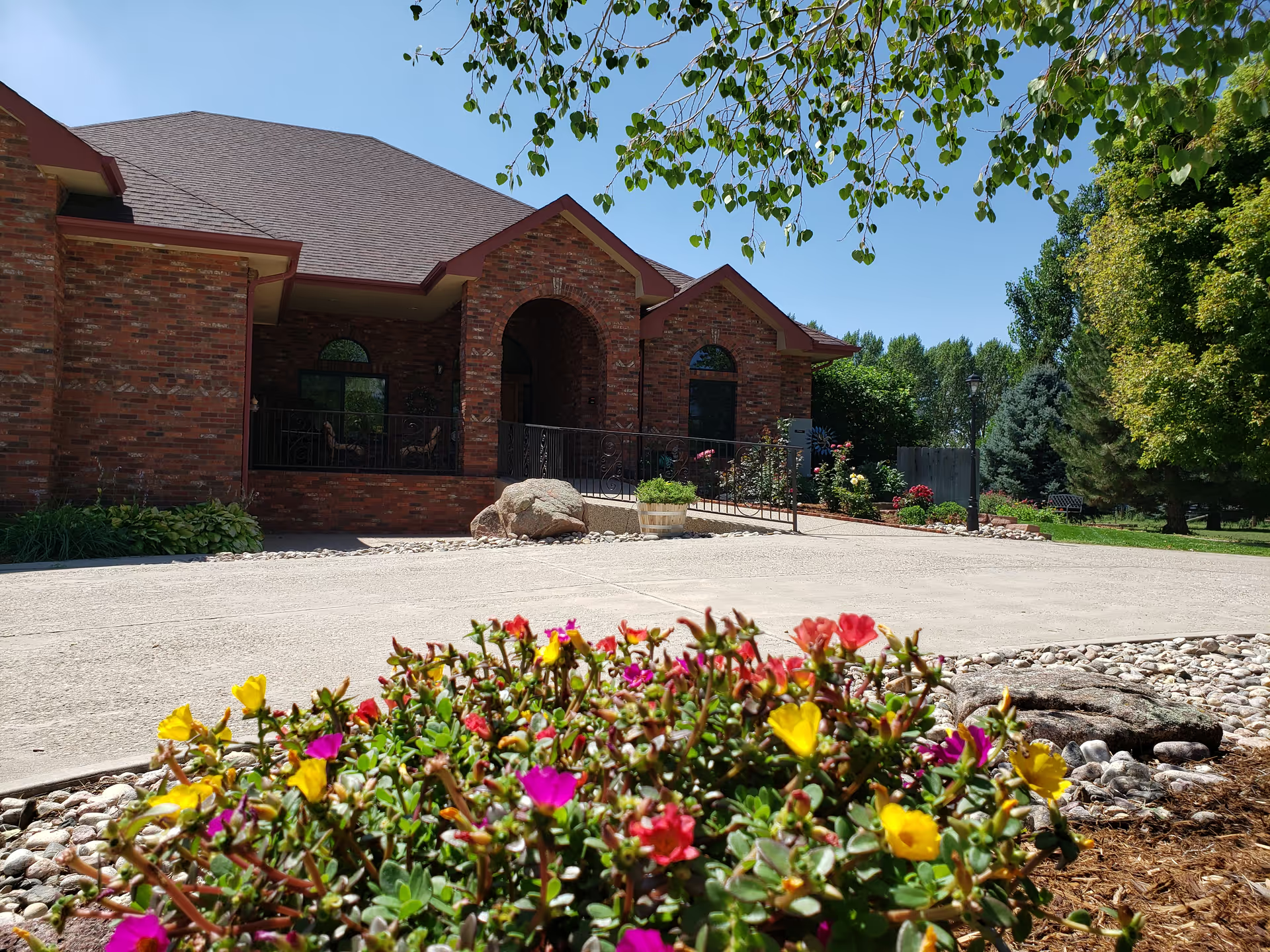
Facilities and sanitation The physical plant is described as older with maintenance needs: single-pane windows, heating/AC variability, and limited ADA adaptations were noted. Cleanliness assessments are mixed—many visitors find common areas clean and pleasantly scented, while other accounts cite inconsistent room cleaning practices, sanitation concerns, and pest-control issues. Property accountability is another area of concern, with at least one allegation of missing personal items; families should confirm secure storage and inventory procedures for valuables.
Management and communication Administrative impressions are polarized. Several reviewers praise administrators, the director of nursing, and specific leaders for visibility, responsiveness, and clear communication. Others describe billing confusion, slow organizational follow-up after incidents, and a perception that administrative priorities sometimes emphasize finances over follow-up. Cross-department communication (for example, between CNAs, nurses, therapy, and the business office) is uneven; social work is widely cited as a consistent point of contact when present.
Notable patterns and practical guidance Two consistent patterns emerge: (1) staff performance and resident experience are highly dependent on unit-level staffing and whether agency/travel staff are covering shifts; and (2) the facility delivers strong relational and rehabilitative strengths but has operational gaps in cleanliness consistency, medication/lab follow-up, and some administrative processes. Prospective residents and families should tour the building, ask about typical staffing ratios, therapy minutes per week, medication and lab escalation protocols, pest-control schedules, property-accountability policies, and ADA/equipment availability. When possible, speak directly with the therapy team and social worker to understand individualized care plans and family communication practices.
Conclusion Rehabilitation and Nursing Center of the Rockies appears to offer notable strengths in person-centered interactions, therapy outcomes, dining occasions, and activity programming, supported by several committed staff members and leaders. Simultaneously, operational weaknesses—chiefly staffing variability, communication inconsistencies, facility aging, and administrative shortfalls—create uneven experiences. Families seeking placement should weigh the strong therapeutic and social supports against the potential for variability in daily operational consistency and verify specific services and safeguards important to their loved one.